The white cast problem has kept too many people from wearing sunscreen consistently. You apply a well-intentioned layer of SPF 50, and suddenly you look like you’ve rubbed chalk on your face. On darker skin tones, the effect is even more pronounced and more frustrating.
Here’s the thing: this problem has been solved. best Korean beauty products figured it out years ago. The technology exists to create elegant, invisible sunscreens that work on every skin tone while providing real, solid protection.
We tested 10 sunscreens on four team members with skin tones ranging from fair to deep. Each sunscreen was used for one full week, evaluating white cast, texture, finish, lasting power, and how it played with makeup. Here are the results.
Why Some Sunscreens Leave a White Cast
Understanding the cause helps you shop smarter.
Mineral (physical) sunscreens use zinc oxide and titanium dioxide, which are naturally white minerals that sit on top of the skin and physically reflect UV rays. The white color of these minerals creates the cast. Larger particle sizes create worse casts. Some brands use micronized or nano-sized particles to reduce the white cast, but it’s still visible on medium to deep skin tones.
Chemical sunscreens use organic UV filters (avobenzone, octinoxate, newer-generation filters like Tinosorb and Uvinul) that absorb UV radiation and convert it to heat. These filters are transparent, so they rarely cause white cast.
Hybrid sunscreens combine mineral and chemical filters. The white cast depends on the ratio and how the mineral filters are processed.
The Korean and Japanese approach tends to favor chemical and hybrid formulas with advanced UV filters that are approved in Asia but not yet in the United States (where the FDA has a much slower approval process for new sunscreen ingredients). This is a major reason why Asian sunscreens tend to be more elegant than their American counterparts.
The 10 Best No-White-Cast Sunscreens
1. Beauty of Joseon Relief Sun: Rice + Probiotics SPF 50+ PA++++
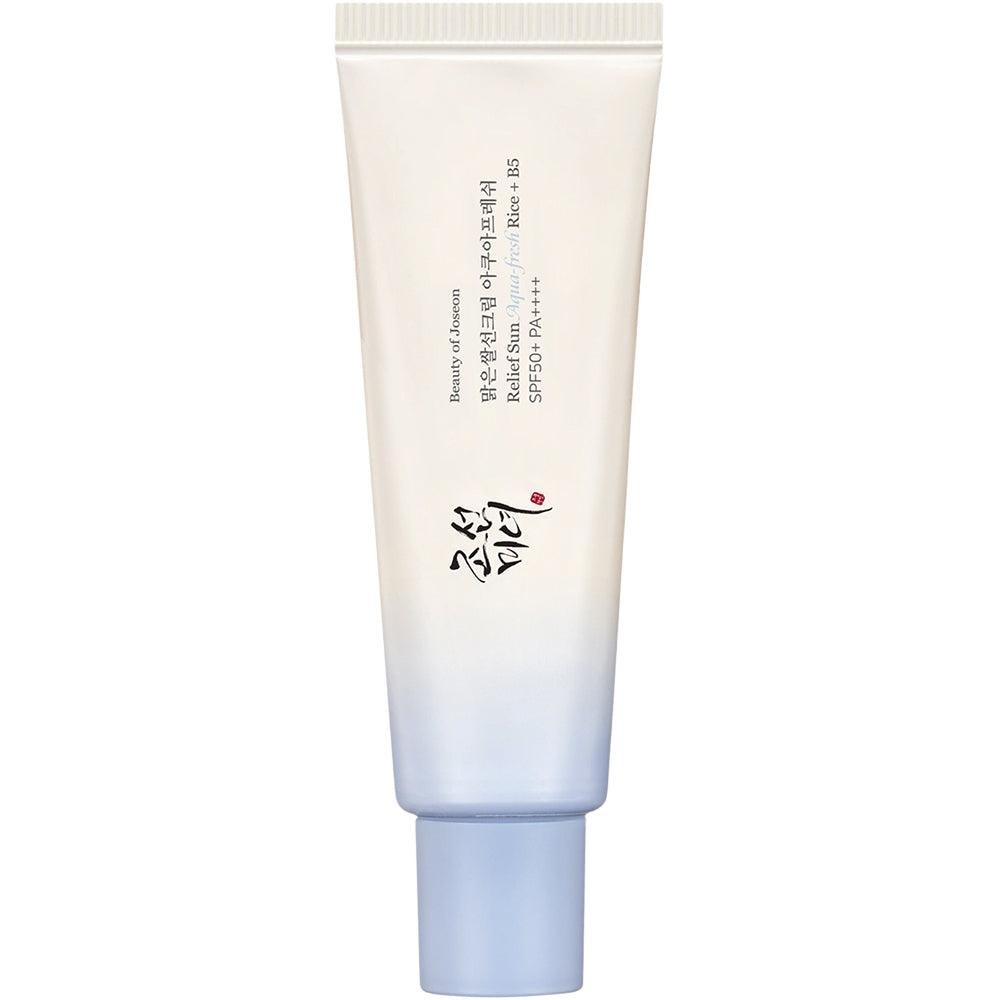
Texture. Lightweight, slightly dewy, absorbs in seconds. White cast. Zero. Completely invisible on all four testers. Finish. Natural to slightly glowy. Works beautifully under makeup as a primer. Lasting power. Held up well for 4-5 hours before reapplication was needed.
This is our number one recommendation for a reason. It’s affordable, elegant, and provides solid broad-spectrum protection. The rice extract adds a subtle brightening effect, and the probiotic complex supports the skin barrier. If you buy one sunscreen from this list, make it this one.
2. Isntree Hyaluronic Acid Watery Sun Gel SPF 50+ PA++++
Texture. Watery gel that feels like a lightweight serum. White cast. None. Finish. Matte to semi-matte, with a slight hydrating quality. Lasting power. Excellent. Our oily-skinned tester reported minimal shine even after 5 hours.
A standout for oily skin types. The hyaluronic acid provides hydration without heaviness, and the gel texture absorbs instantly. It’s also one of the few sunscreens that genuinely feels like nothing on your skin.
3. Missha All Around Safe Block Aqua Sun Gel SPF 50+ PA++++
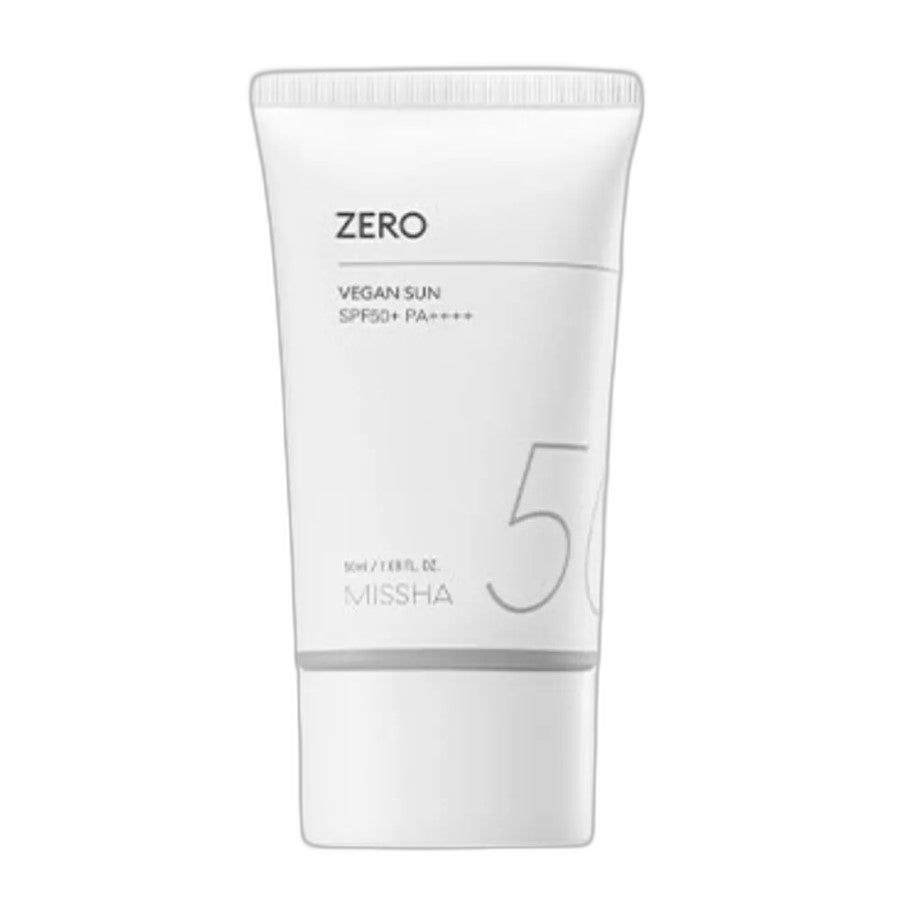
Texture. Watery, almost like a gel moisturizer. White cast. None. Finish. Fresh and matte. Extremely lightweight. Lasting power. Good for 3-4 hours in moderate conditions.
This has been a K-Beauty skincare routine for years, and it’s earned that status. The formula is simple, effective, and utterly invisible. It’s also one of the most affordable options on this list.
4. Skin Aqua UV Super Moisture Gel SPF 50+ PA++++
Texture. A true gel; lightweight, watery, refreshing. White cast. Absolutely none. One of the most invisible formulas we’ve tested. Finish. Dewy. People with oily skin may want to set with powder. Lasting power. Moderate. Better suited for office days than outdoor activities.
A Japanese favorite that Korean skincare enthusiasts have adopted. The texture is remarkable. It genuinely feels like applying a moisturizing gel, not a sunscreen. The downside is it can feel a bit slippery under heavy makeup.
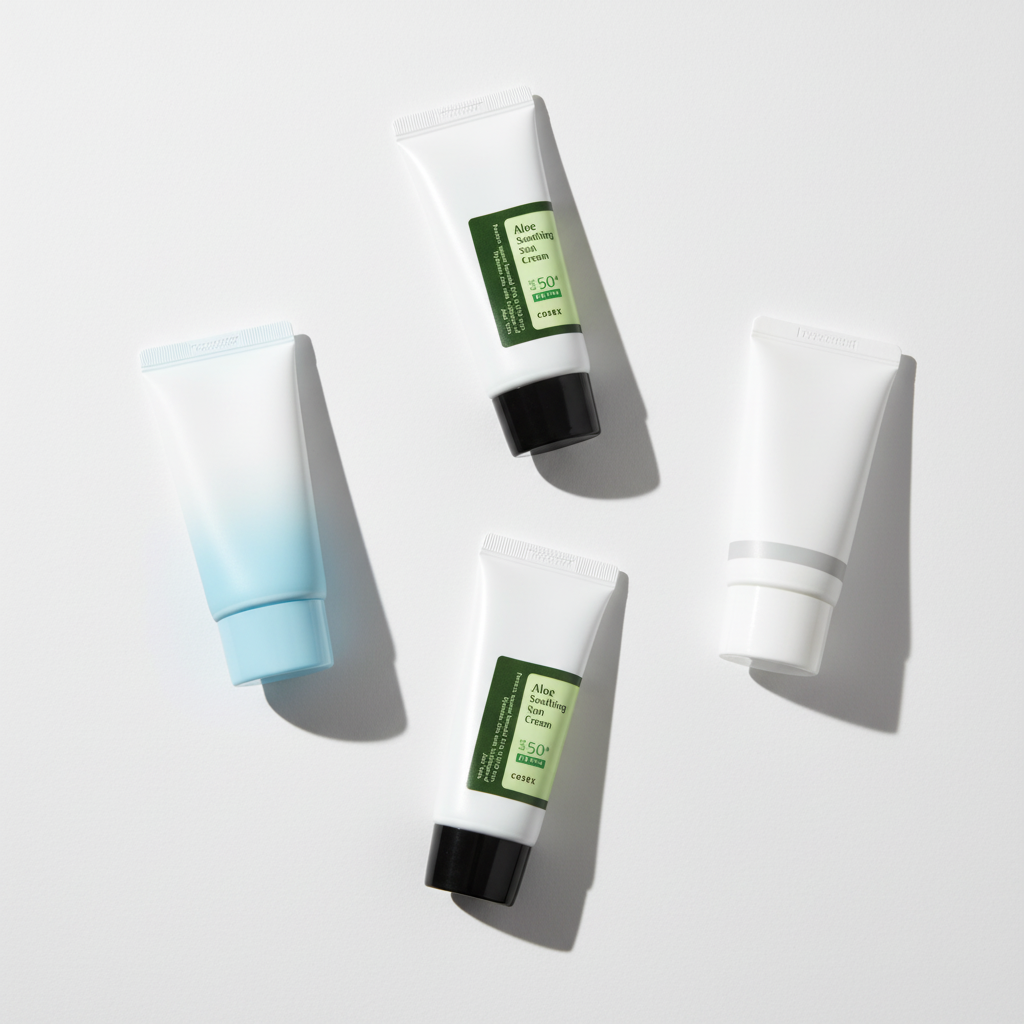
5. COSRX Aloe Soothing Sun Cream SPF 50+ PA+++
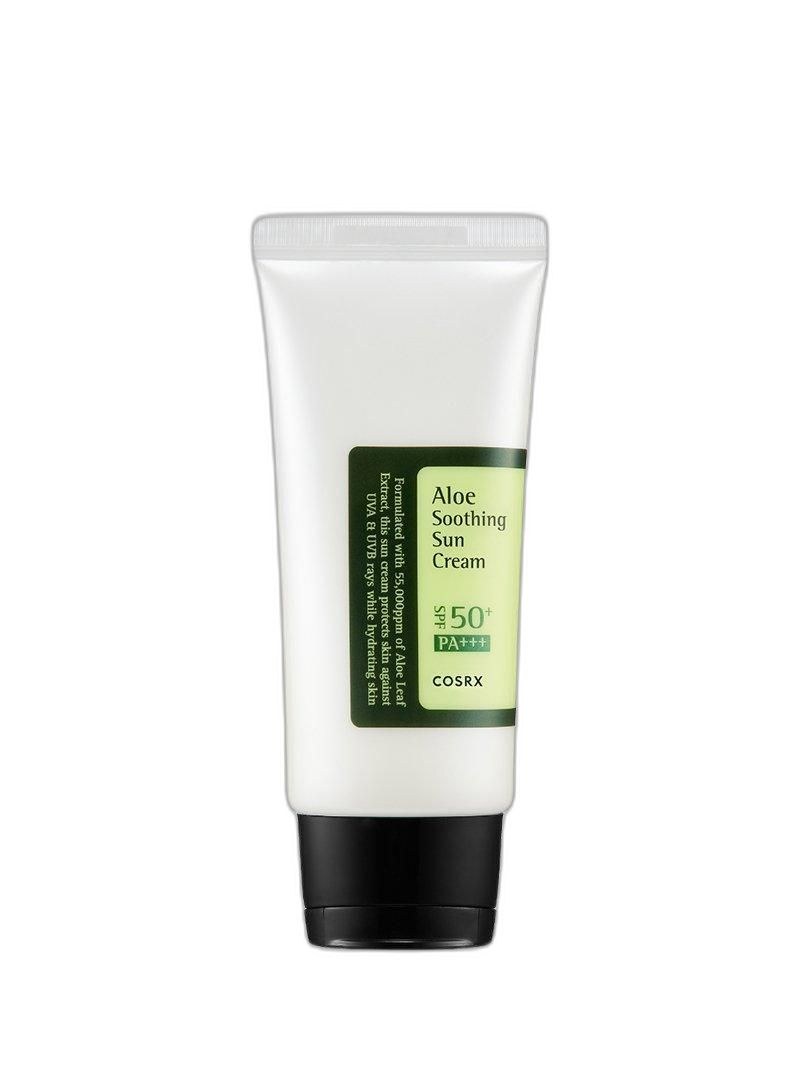
Texture. Light cream with a slight aloe cooling sensation. White cast. Minimal to none. Very slight cast on the deepest skin tone that faded within 2 minutes. Finish. Natural. Neither matte nor dewy. Lasting power. Solid 4-5 hours.
A good all-rounder that works for every skin type. The aloe provides soothing benefits, making this a nice choice for sensitive or acne-prone skin. The very faint initial cast disappears completely once it sets.
6. Purito Daily Go-To Sunscreen SPF 50+ PA++++
Texture. Lightweight cream. Smooth application. White cast. None on fair to medium skin. Very faint on deep skin, but significantly less than most. Finish. Natural with a hint of dewiness. Lasting power. Good for 4 hours.
Purito reformulated after their 2020 SPF controversy and came back with a genuinely improved product. This version uses a blend of chemical filters for transparent protection. Fragrance-free, which is a plus for sensitive skin.
7. Round Lab Birch Juice Moisturizing Sun Cream SPF 50+ PA++++
Texture. Creamy but lightweight. Birch sap gives it a slightly bouncy quality. White cast. None. Finish. Dewy and moisturizing. Best for dry and normal skin. Lasting power. Good. The moisturizing base keeps it comfortable all day.
This is the sunscreen we recommend for dry-skinned people who want both protection and hydration. The birch juice is genuinely moisturizing, and the formula leaves skin looking healthy and glowy rather than greasy.
8. Nivea UV Deep Protect & Care Gel SPF 50+ PA++++
Texture. Very thin gel, almost water-like. White cast. Zero. Completely invisible. Finish. Very slightly dewy. Lasting power. Moderate. Better for daily indoor use.
A Japanese drugstore gem that has developed a cult following in the K-Beauty community. At a fraction of the price of most options on this list, it delivers invisible, comfortable protection. The only drawback is availability, as it can be harder to find outside of Japan.
9. Anua Heartleaf Silky Moisture Sun Cream SPF 50+ PA++++
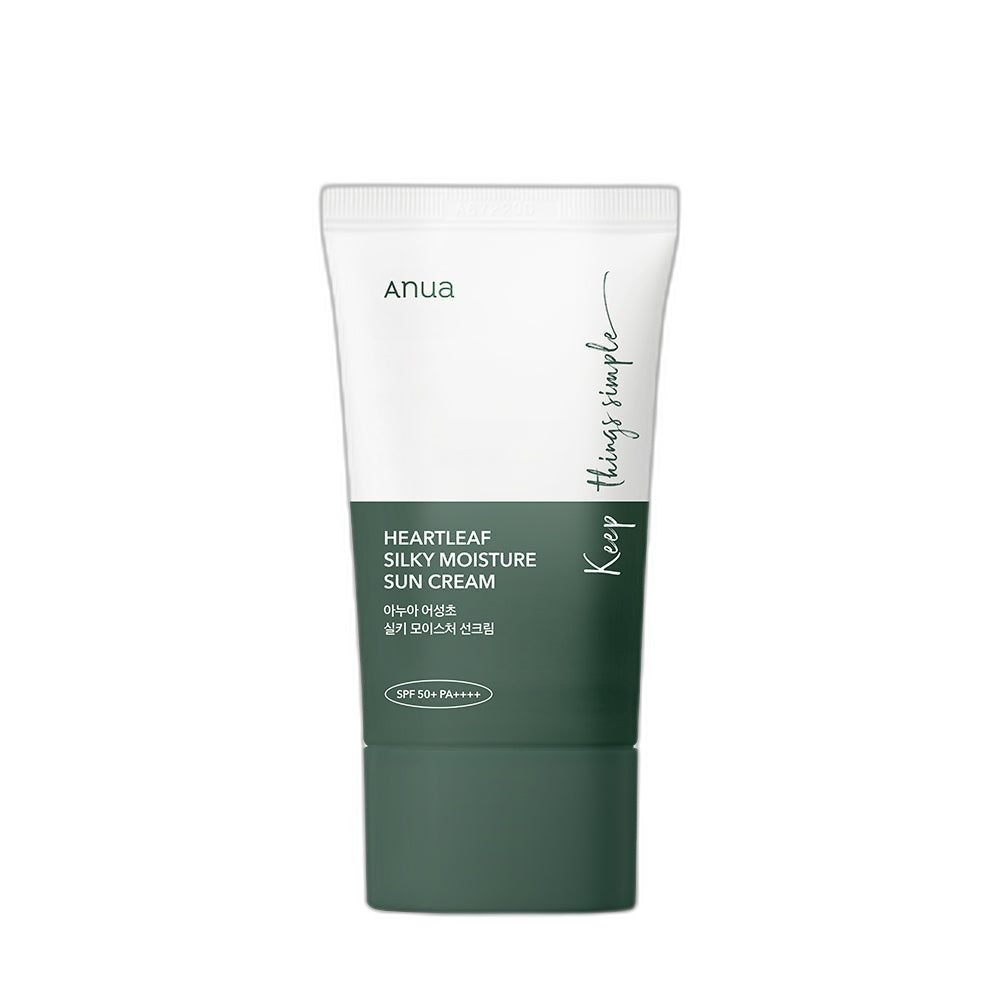
Texture. Silky cream that blends smoothly. White cast. None. Finish. Semi-matte with a silky quality that feels almost like a primer. Lasting power. Impressive. Held up for 5+ hours.
A newer entry that’s quickly earning a reputation. The heartleaf (houttuynia cordata) provides soothing benefits, and the texture is genuinely silky without being heavy. It sits under makeup beautifully and doesn’t pill.
10. Dr. G Green Mild Up Sun+ SPF 50+ PA++++
Texture. Lightweight lotion with centella asiatica. White cast. Minimal. Slight cast on the deepest skin tone that disappears within minutes. Finish. Natural and comfortable. Lasting power. Good for 4-5 hours.
A calming sunscreen that’s excellent for sensitive or reactive skin. The centella helps soothe redness and irritation, making this a smart choice for anyone whose skin is currently stressed or recovering from treatments.
How to Apply Sunscreen Without White Cast
Even the best formulas can show a cast if applied incorrectly:
- Use the right amount. The two-finger rule: squeeze a line of sunscreen along your index and middle fingers. That’s enough for your face and neck. Under-application is the most common sunscreen mistake.
- Apply to moisturized skin. Sunscreen sits better on hydrated skin. Let your moisturizer absorb for 1-2 minutes before applying SPF.
- Dot and blend, don’t smear. Place dots of sunscreen on your forehead, cheeks, nose, and chin, then blend outward. This distributes the product more evenly than squeezing it all into your palm first.
- Pat, don’t rub aggressively. Gentle patting presses the sunscreen into the skin for a more invisible finish.
- Wait before makeup. Give sunscreen 2-3 minutes to set before applying primer or foundation. If you use a cushion compact, see our TIRTIR cushion foundation shade guide for perfect shade matching.
Chemical vs. Mineral: The White Cast Reality
If you need a mineral sunscreen (for sensitivity, pregnancy, or personal preference), white cast is harder to avoid. Here’s how to minimize it:
- Look for tinted mineral sunscreens that offset the white color
- Choose micronized zinc oxide formulas
- Apply a thinner layer (though this reduces protection)
- Set with a powder that matches your skin tone
Honestly, for most people, chemical sunscreens with modern UV filters provide excellent protection without the white cast trade-off. The newer-generation chemical filters (Tinosorb S and M, Uvinul A Plus, Uvinul T 150) are photostable, broad-spectrum, and gentle.
Reapplication Without White Buildup
Reapplying sunscreen every 2 hours is the guideline, but reapplication over makeup is the real-world challenge. Options:
- Sunscreen stick. Tap onto the skin without smudging makeup. Many K-Beauty sunscreen sticks are invisible and convenient.
- Sun cushion compact. A sunscreen in cushion compact form, like a foundation compact but with SPF. Blends over makeup without any trouble.
- Spray sunscreen. Least reliable coverage, but better than nothing. Hold 6 inches from your face and mist.
Our Final Recommendation
If you’ve been avoiding sunscreen because of white cast, the problem is not sunscreen. It’s your specific sunscreen. The 10 products on this list prove that invisible, elegant, comfortable sun protection exists. You just need to look beyond the drugstore aisle.
Start with the Beauty of Joseon or the Isntree depending on your skin type, and discover what it’s like to wear sunscreen that you actually forget you’re wearing. That’s the goal. And once you get there, daily SPF in your AM routine stops being a chore and becomes the easiest step in your routine.
For the science behind why Korean sunscreen formulations outperform Western alternatives, see Why Korean Sunscreen Is Different on Rooted Glow.
Frequently Asked Questions
Why do some sunscreens leave a white cast?
White cast is caused by mineral UV filters, specifically zinc oxide and titanium dioxide. These physical blockers sit on top of the skin and reflect UV rays, but their white pigment is visible on medium to dark skin tones. Chemical sunscreens absorb UV rays instead and are typically invisible on all skin tones.
Are Korean sunscreens better than Western sunscreens?
Korean sunscreens use newer-generation UV filters (like Tinosorb and Uvinul) that aren’t yet approved by the FDA but are widely used in Asia and Europe. These filters offer superior broad-spectrum protection with more elegant, lightweight textures. Korean sunscreen formulations prioritize wearability so people actually use them daily.
How often should I reapply sunscreen?
Every 2 hours when exposed to direct sunlight, or immediately after swimming or sweating. For office workers with minimal sun exposure, reapplying at midday is usually sufficient. Sunscreen sticks and cushion compacts make reapplication over makeup practical.
Can I skip sunscreen on cloudy days?
No. Up to 80% of UV rays penetrate clouds. UVA rays (which cause aging and skin damage) are present at consistent levels year-round, regardless of cloud cover. Daily sunscreen is non-negotiable for skin health and preventing premature aging.
Which is better: Beauty of Joseon Relief Sun or SKIN1004 Centella Sun?
Both are top-tier chemical sunscreens with no white cast, but they serve slightly different needs. Our full Beauty of Joseon Relief Sun vs. SKIN1004 Centella Sun comparison breaks down texture, finish, ingredient focus, and which one wins for oily, dry, and sensitive skin.