Everything we've written.
Deep-dives into active ingredients. what they do, who they're for, and how to use them.
Ingredient pages explain a named material as it shows up on Korean skincare labels: what the published literature says it is used for, which product formats carry it, and which pairings the guides tell you to separate. The point is to read a formula before you add another bottle, not to treat an ingredient name as a result.
You will find acids, humectants, ferments, and the brightening ingredients that show up in dark-spot routines. Each guide is tied to citations or to product listings. A paper about a pure ingredient is not the same thing as a finished cream that lists that ingredient further down the label. Concentration, the rest of the formula, and how often you use it all change the practical question.
These pages do not report unpublished wear tests, and they are not medical advice. If a comparison sets two ingredients next to each other, that comparison is not a clinical study. When a product example links to Mirai Skin, the link is there so you can read that listing. Stock, price, and the exact formula can change. Confirm them on the retailer page before you buy. Commission from those links is explained on the disclosure page.
Use this category when the question is what the ingredient is, and which labeled products mention it. Routine order and skin-type shopping live under Skincare and Routines.
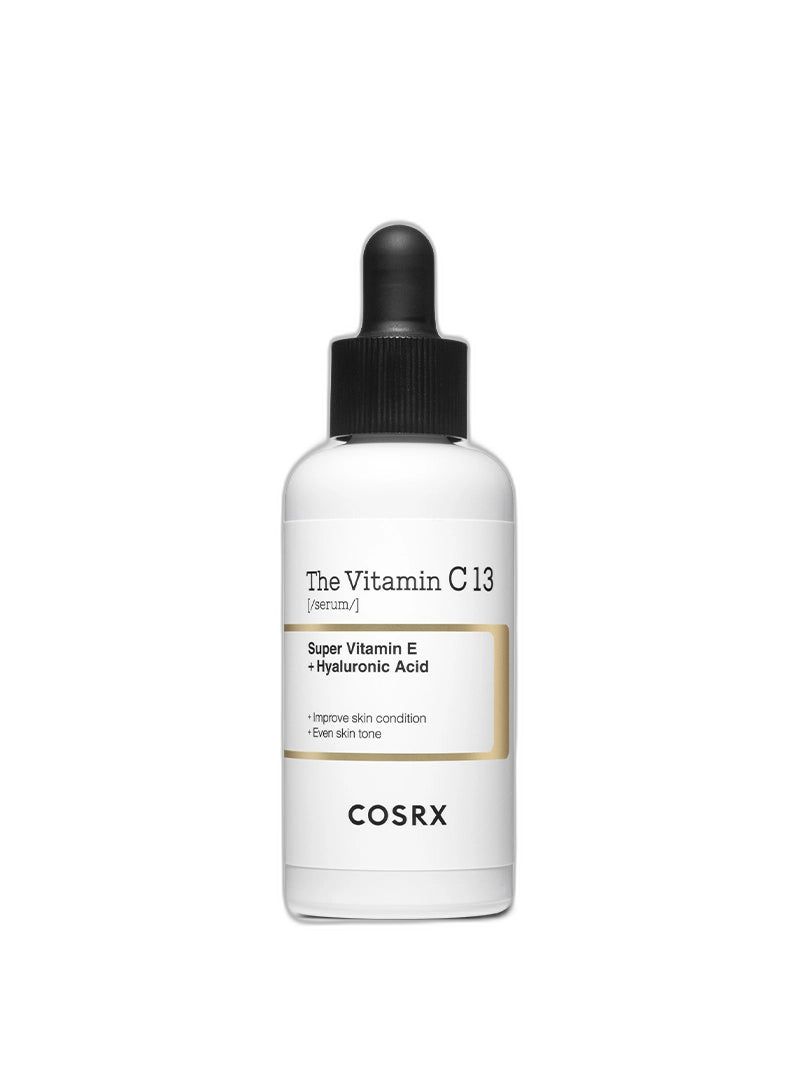
Dietary vs Topical Vitamin C for Skin: Food or Serum
Can vitamin C from food reach your skin? What the 2025 kiwifruit study found, how serums differ, and why both have a place, with the study's limits.
What is mineral oil in skincare? What the evidence says
Mineral oil in skincare, explained with sources: what it is, cosmetic vs industrial grade, whether it clogs pores, and how to use it on damp skin.
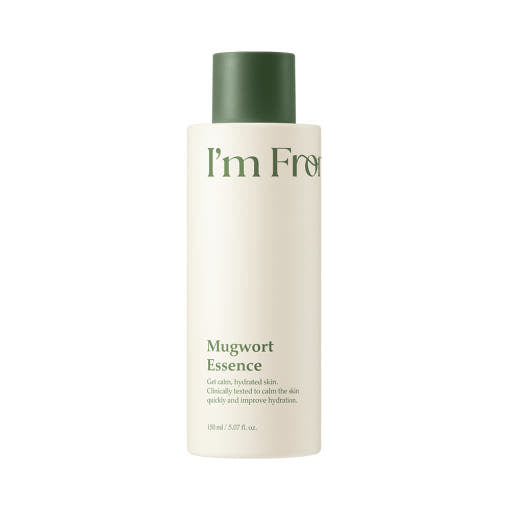
Mugwort Skincare: Product Choices, Formula Checks and Limits
Explore mugwort skincare with an exact I’m From product reference, learn why formulas matter, and avoid unsupported promises about sensitive skin.
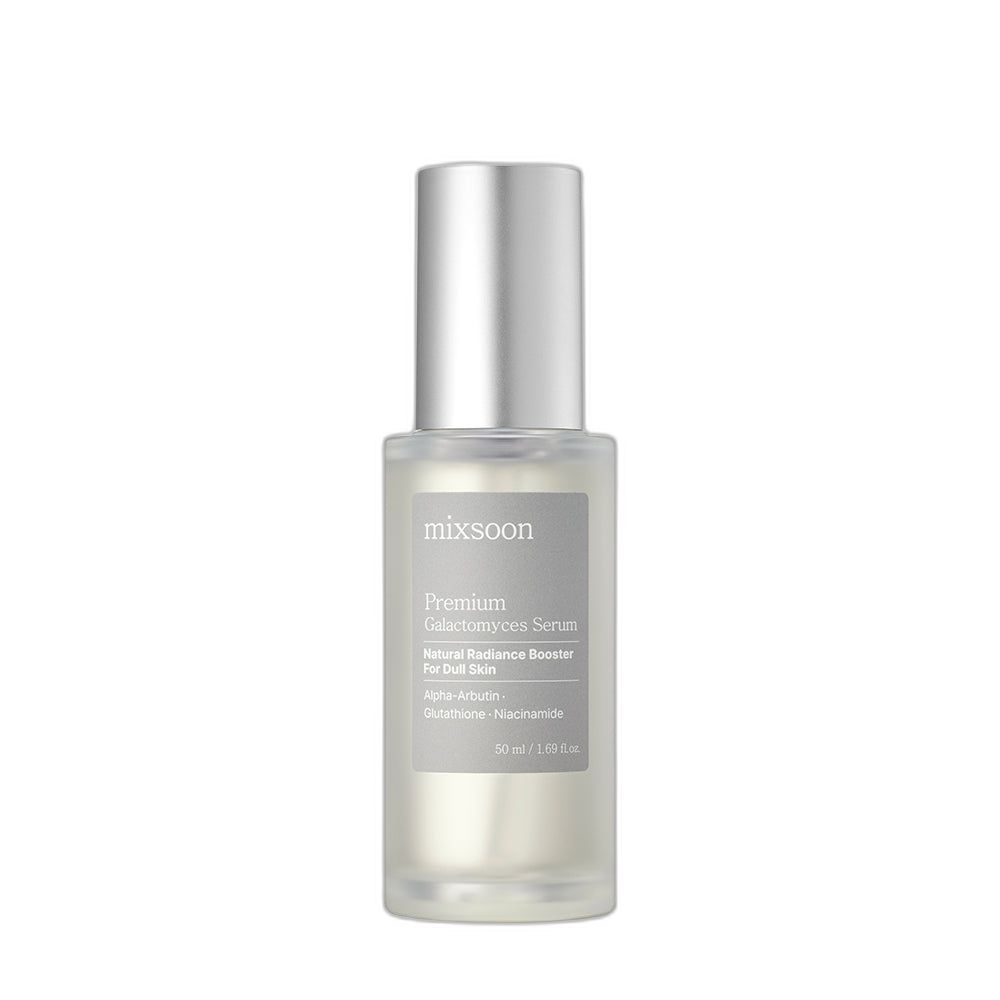
Galactomyces Skincare: Compare the Ingredient and the Actual Formula
What galactomyces ferment filtrate means on a label, how mixsoon and COSRX formulas differ, and what to check before buying a fermented serum.
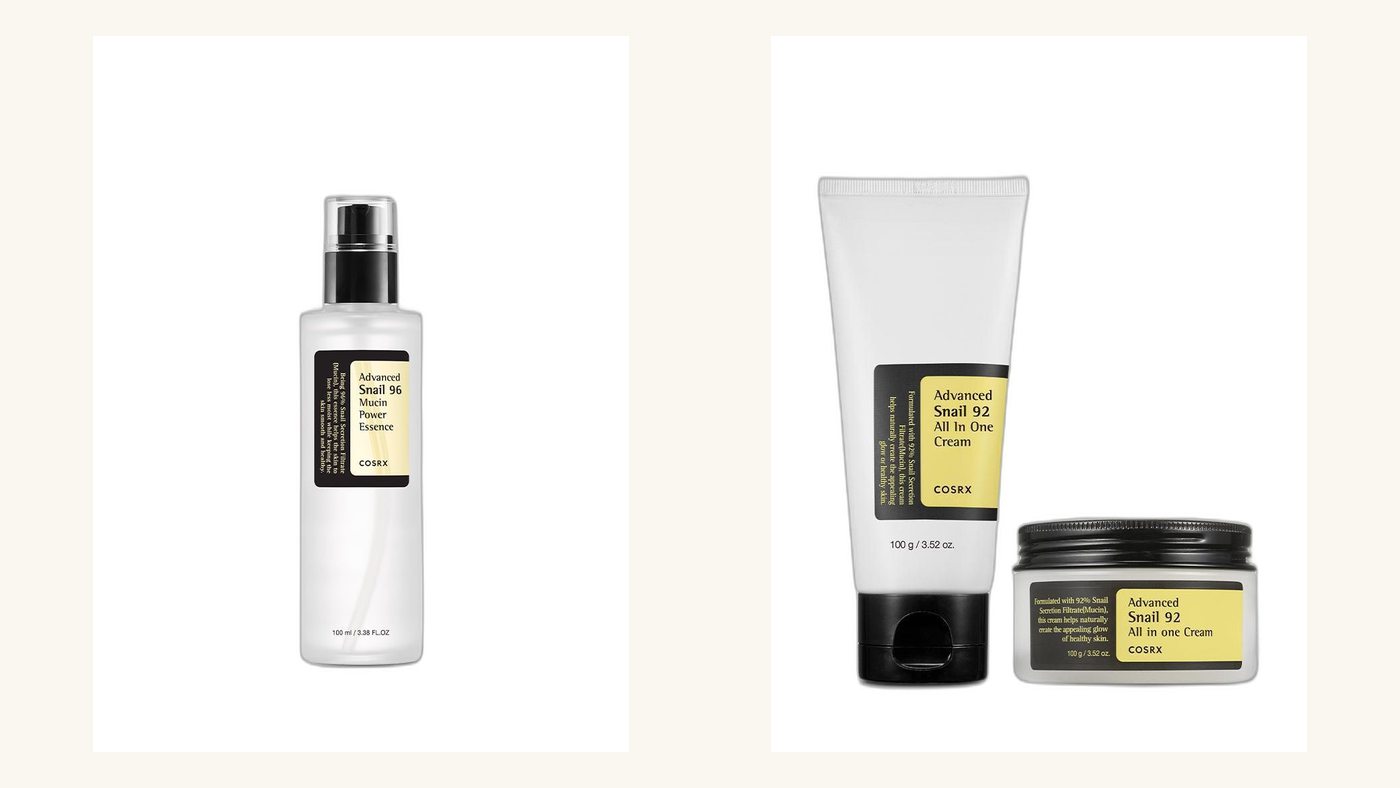
Snail Mucin vs Bee Venom: K-Beauty's Two Cult Anti-Aging Ingredients
Snail mucin vs bee venom — what each does, which works for what skin concern, and the truth about anti-aging claims. Compared by formula.
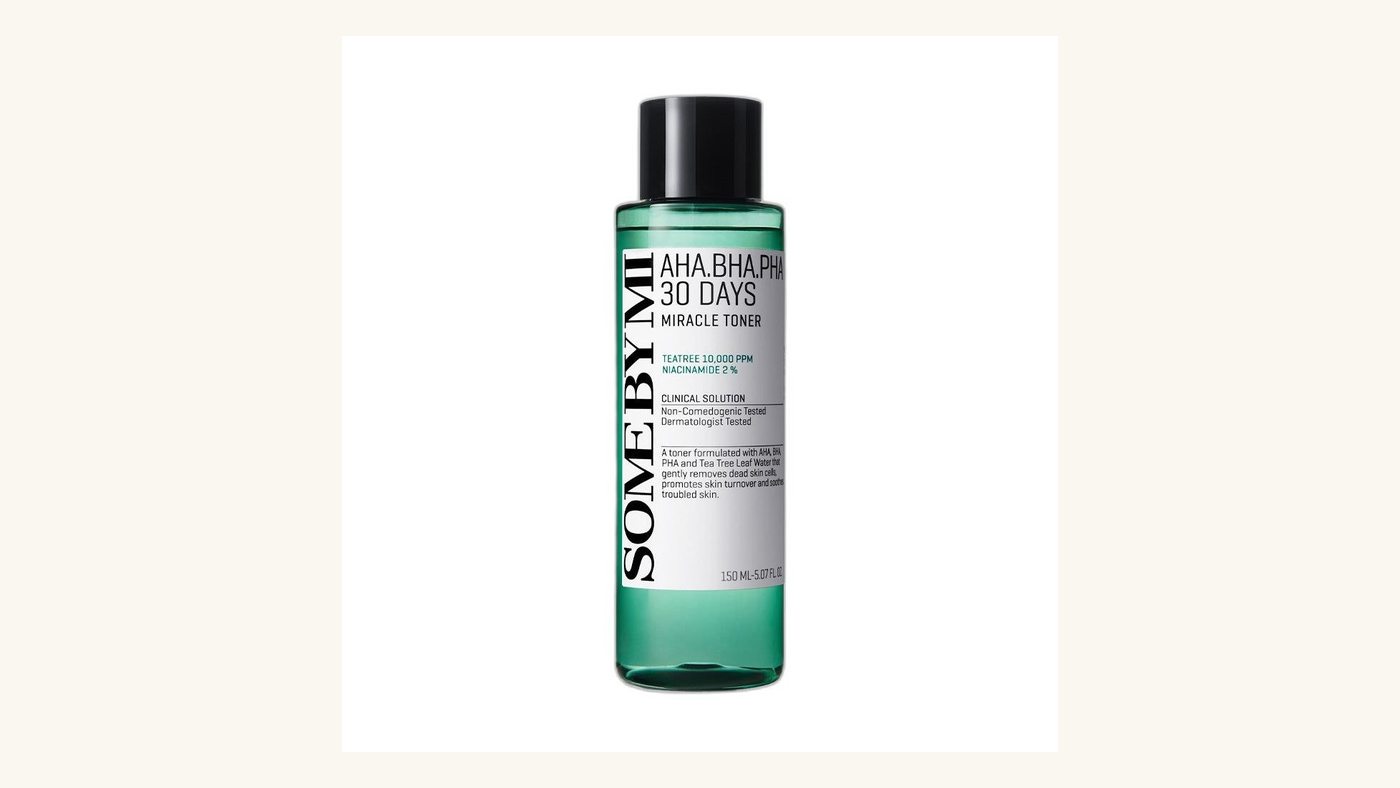
Skincare Actives You Can't Mix: The Combinations That Cause Irritation
Retinol + vitamin C? AHA + niacinamide? Here are the skincare active combinations that actually cause irritation, the myths that don't, and how to layer safely.
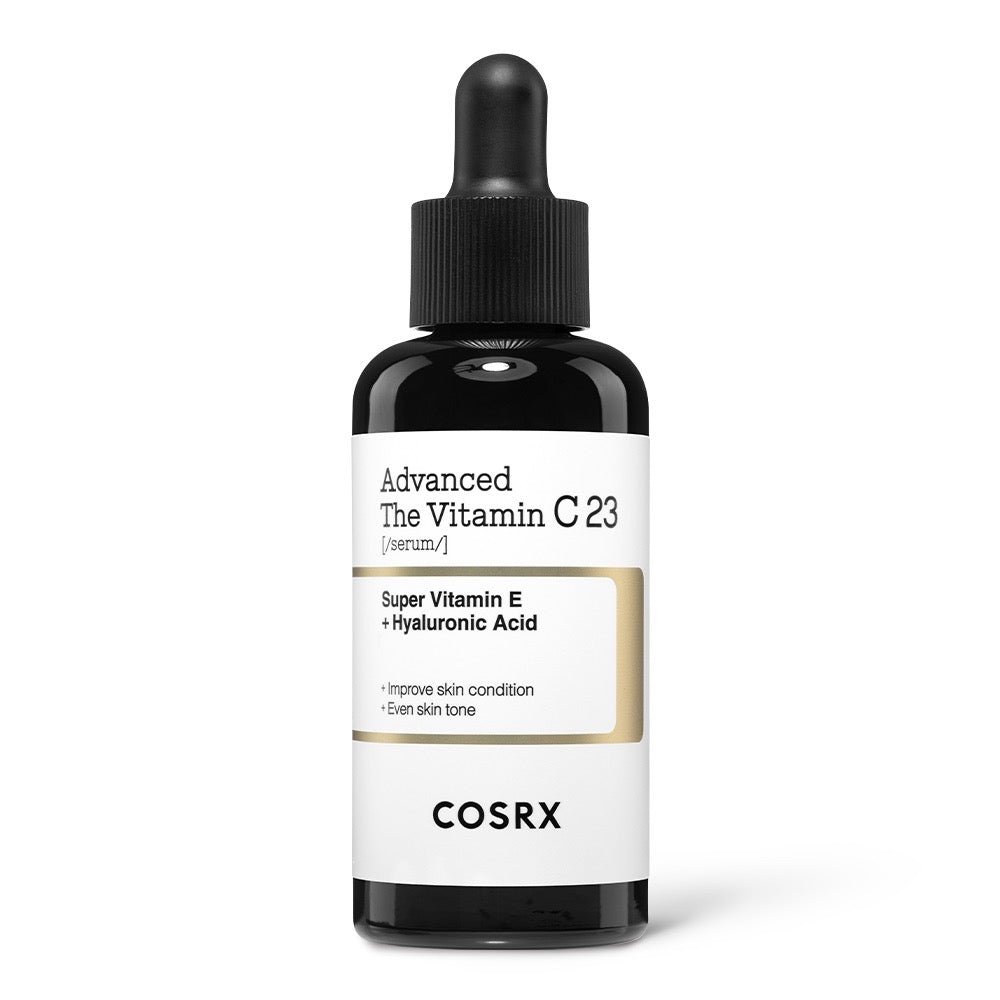
Niacinamide vs Vitamin C: Which One You Need (and How to Use Both)
Niacinamide vs vitamin C — what each does, who needs which, and the truth about using them together. A dermatology-informed comparison with a clear verdict.
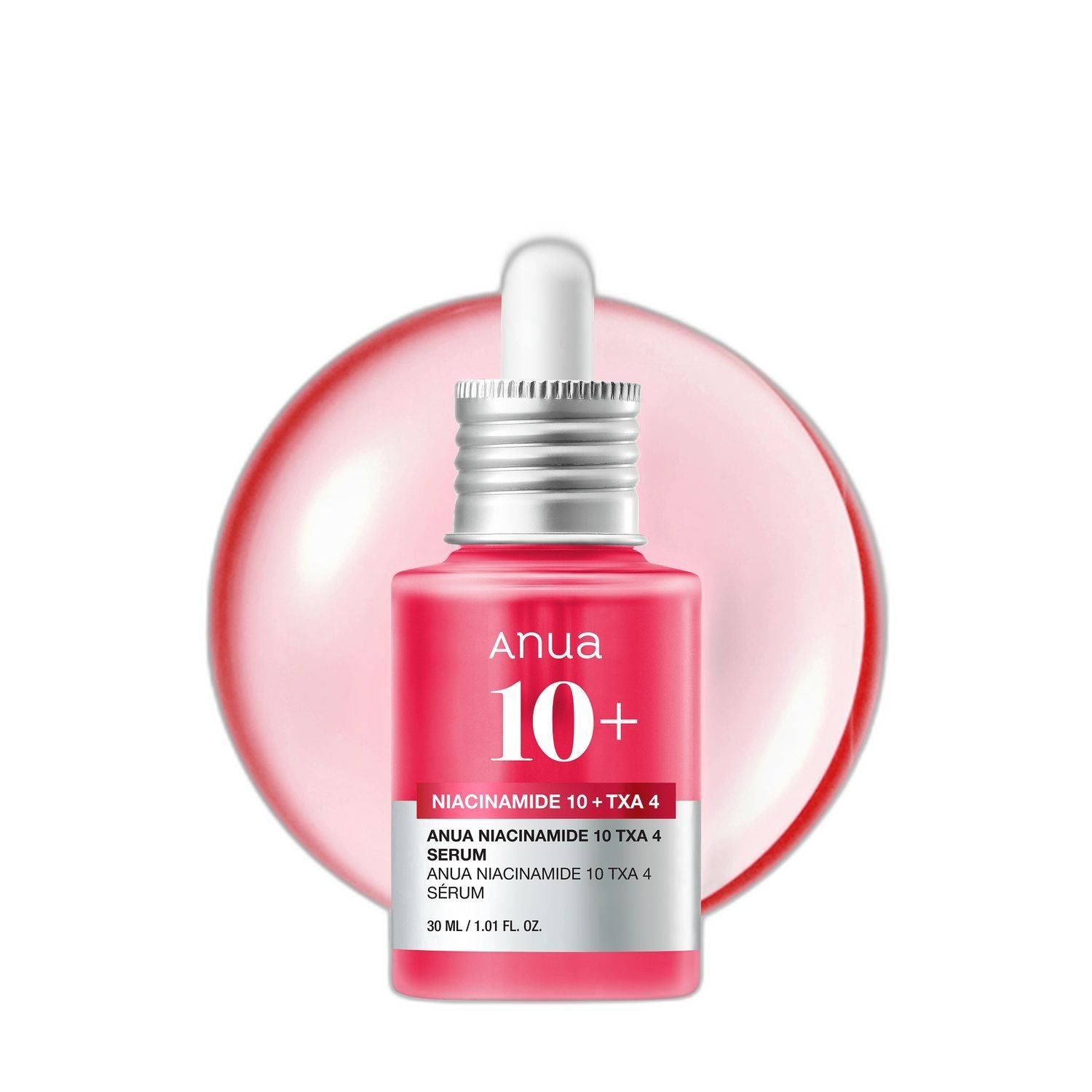
Tranexamic Acid: The K-Beauty Secret for Dark Spots
Tranexamic acid is the hyperpigmentation ingredient dermatologists quietly prefer. Here's what it does and the 5 Korean products that contain it.
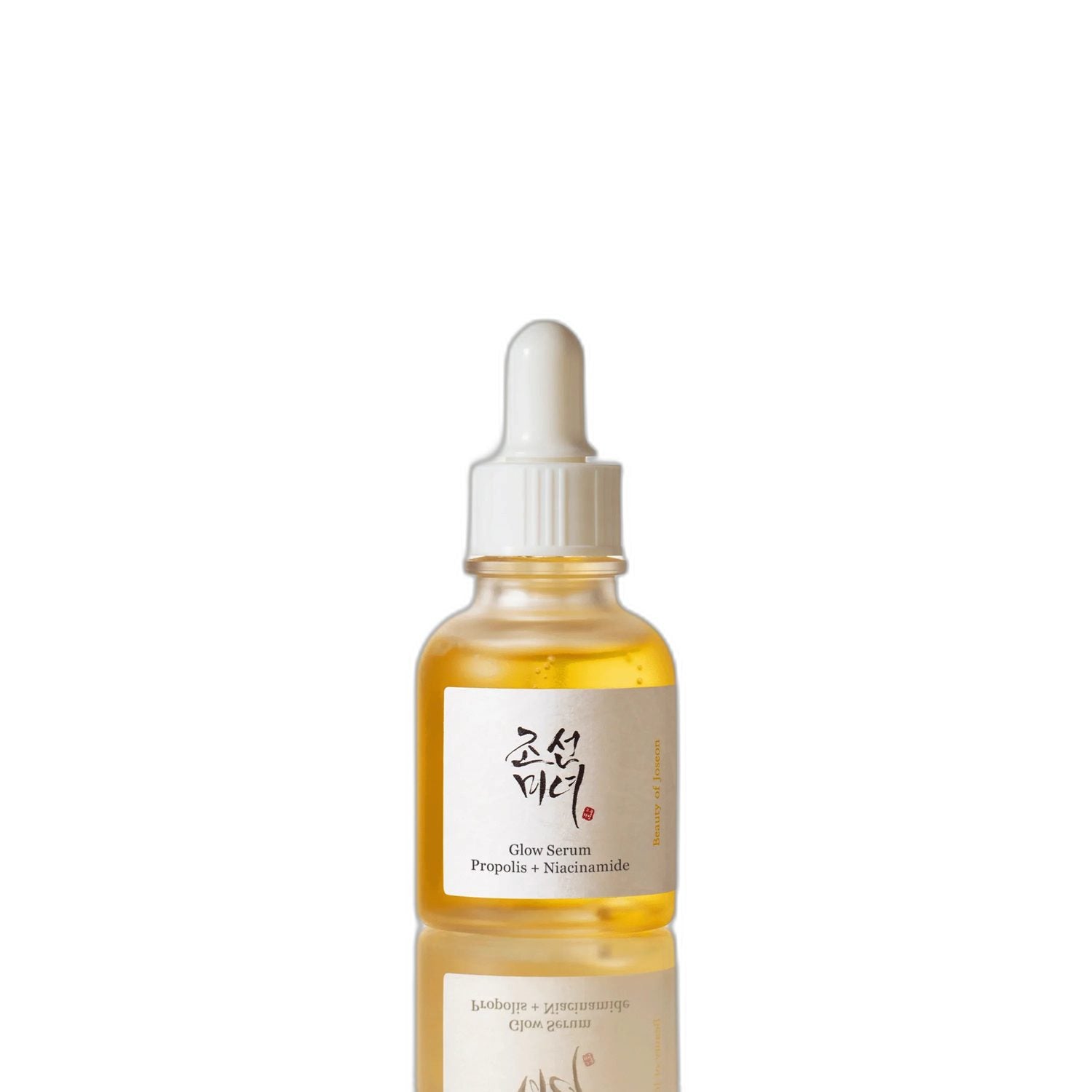
Propolis in K-Beauty: Bee Venom's Gentler Cousin
Propolis is having a moment in Korean skincare — and for good reason. We explain why, how to use it, and the 5 best Korean propolis products.
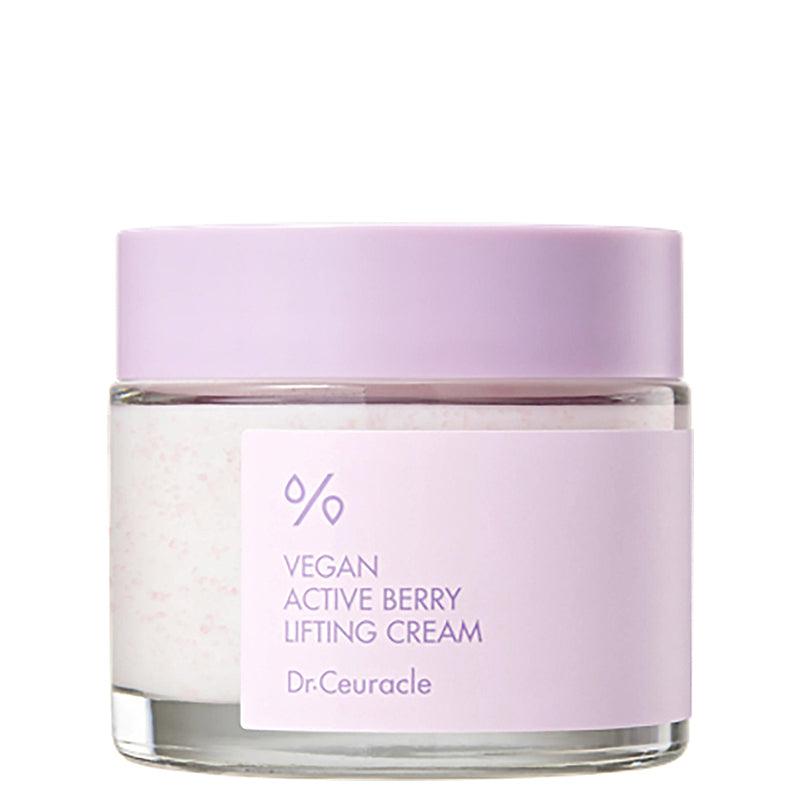
Peptides in K-Beauty: A Complete Guide
How peptides work in Korean skincare, what the research says, and six peptide serums, creams and essences compared by the peptides each one lists.
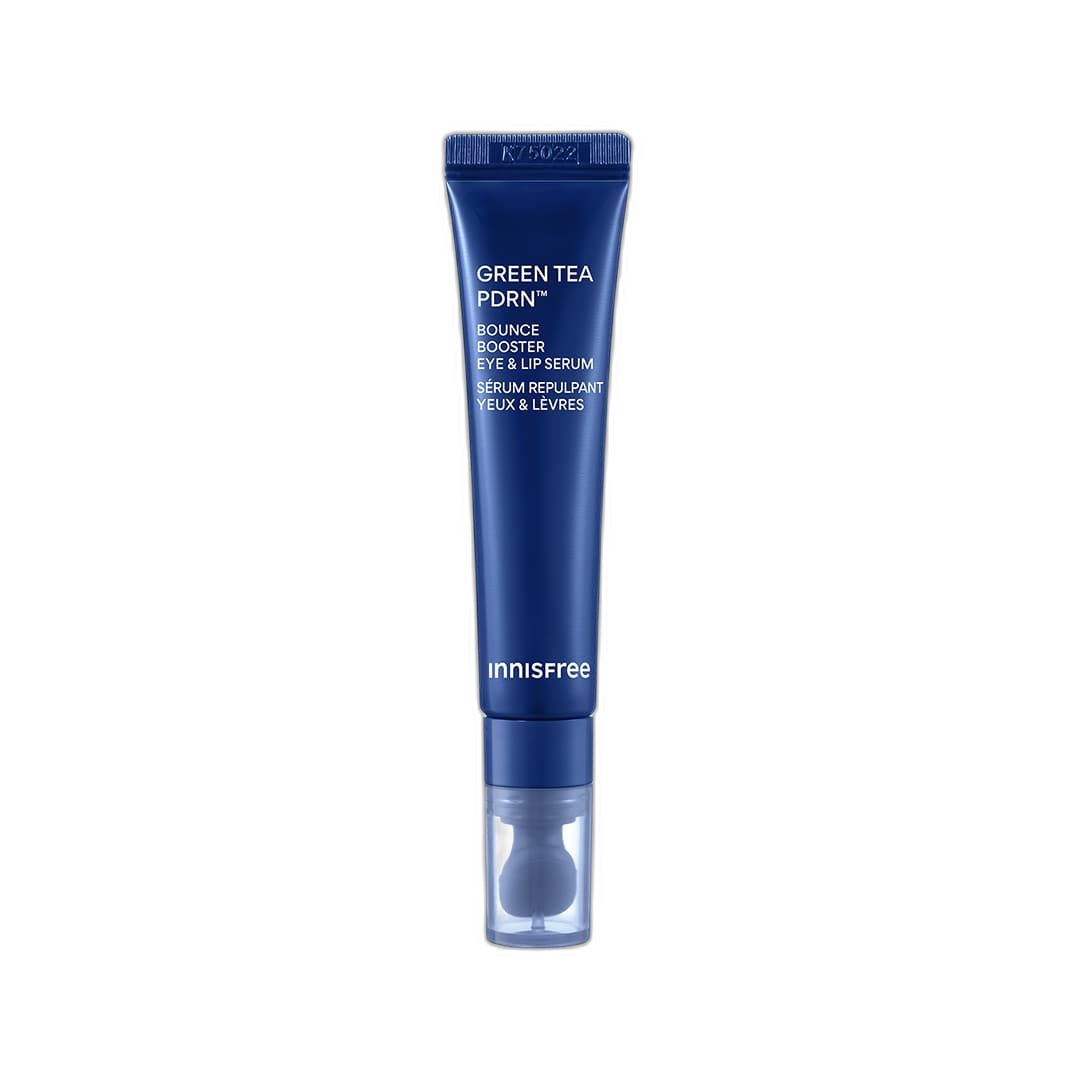
PDRN vs Growth Factors: Which Is Better for Aging Skin?
PDRN (salmon DNA fragments) and growth factors both promise skin renewal. We break down what they do, who wins in different scenarios, and which Korean products to try.
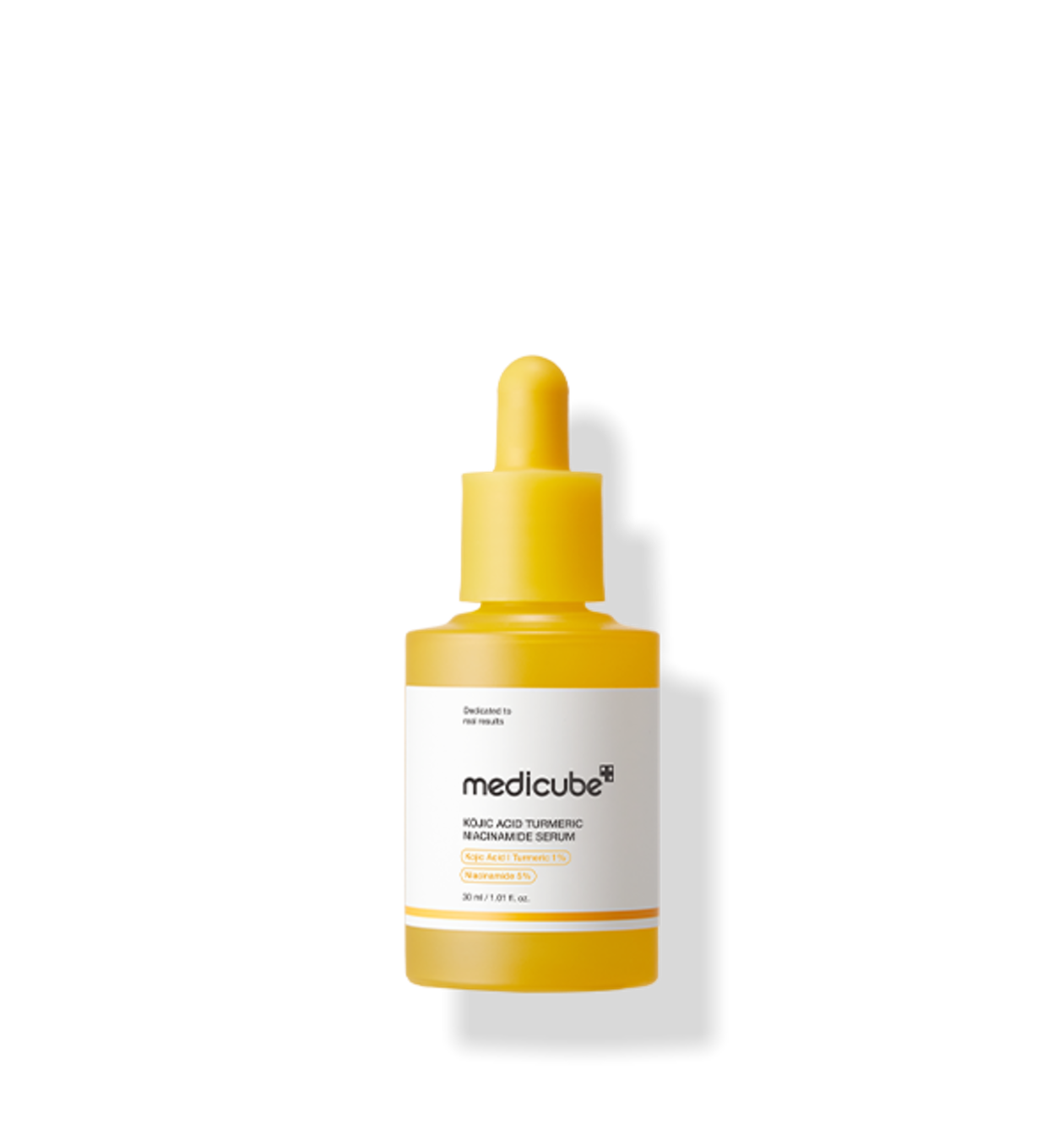
Kojic Acid in Korean Skincare: How It Works & Best Products
Kojic acid is quietly one of the most effective brightening ingredients in K-beauty. Here's the science, the caveats, and the 5 best Korean products with it.
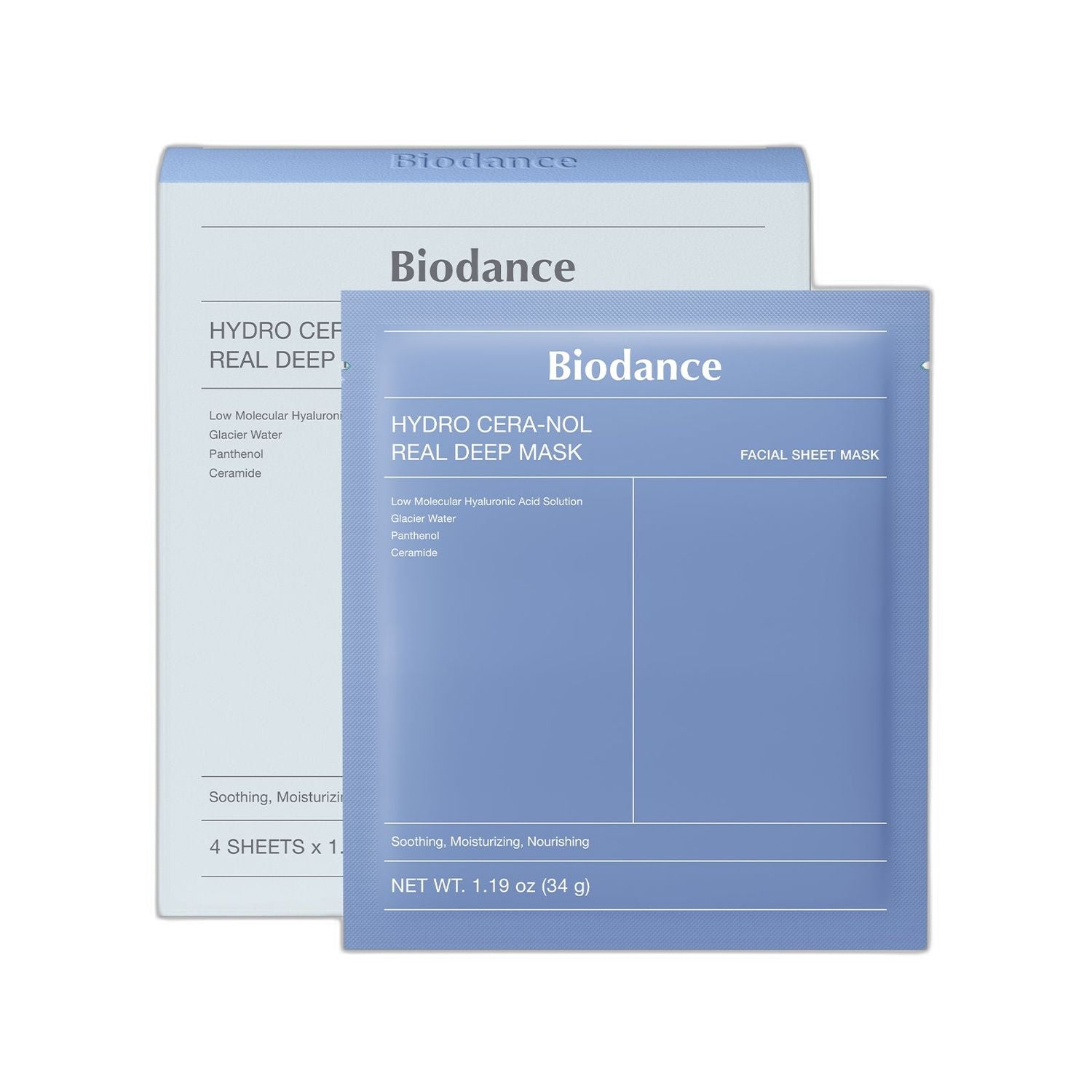
Ectoin: The Overlooked K-Beauty Ingredient for Sensitive Skin
Ectoin is a tiny molecule with giant barrier-repair benefits. Here's why Korean brands are putting it in every new launch — and which products use it best.
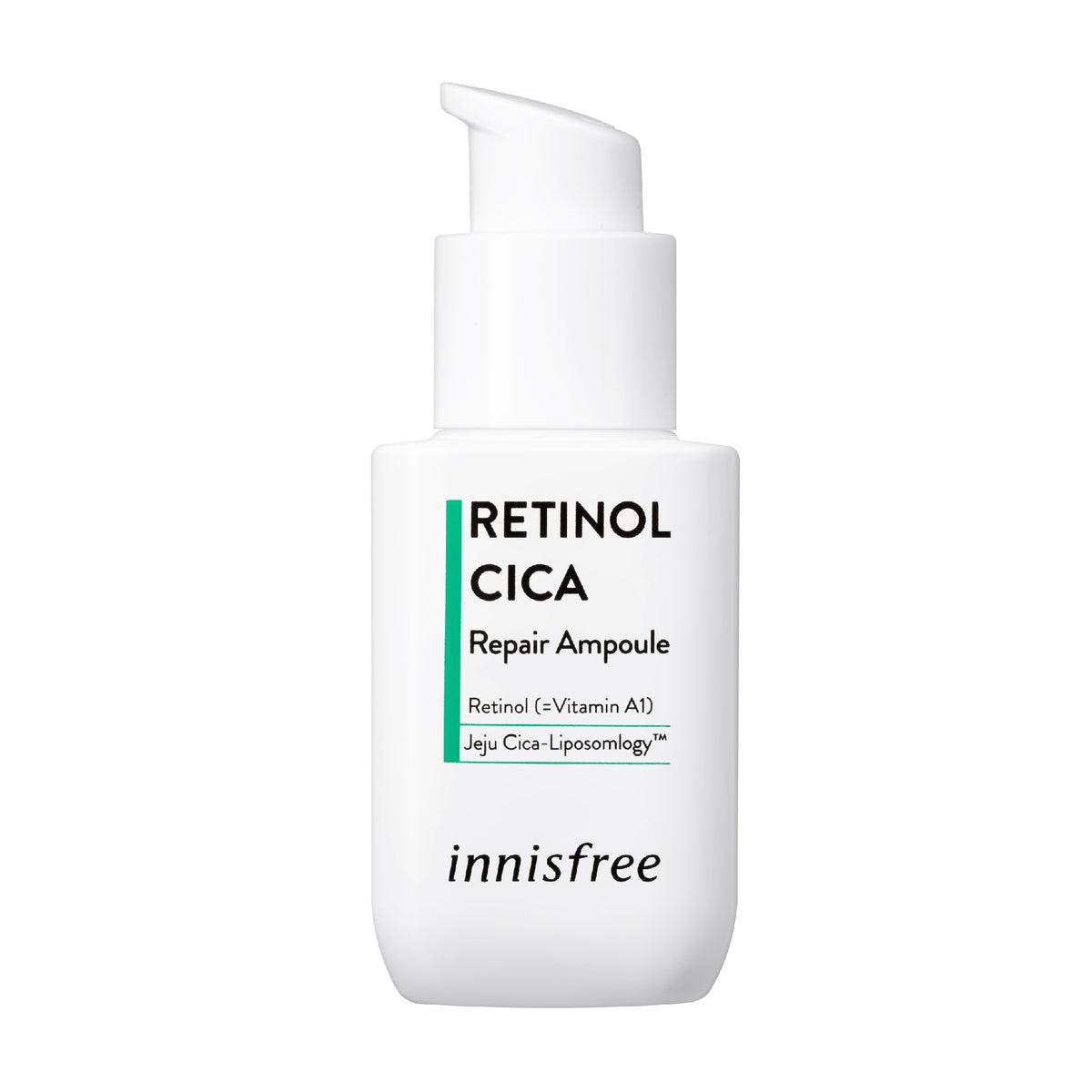
Bakuchiol: The Retinol Alternative That Actually Works
Bakuchiol claims to do what retinol does, without irritation — and clinical data backs some of that. Our honest take on what it can and can't do.
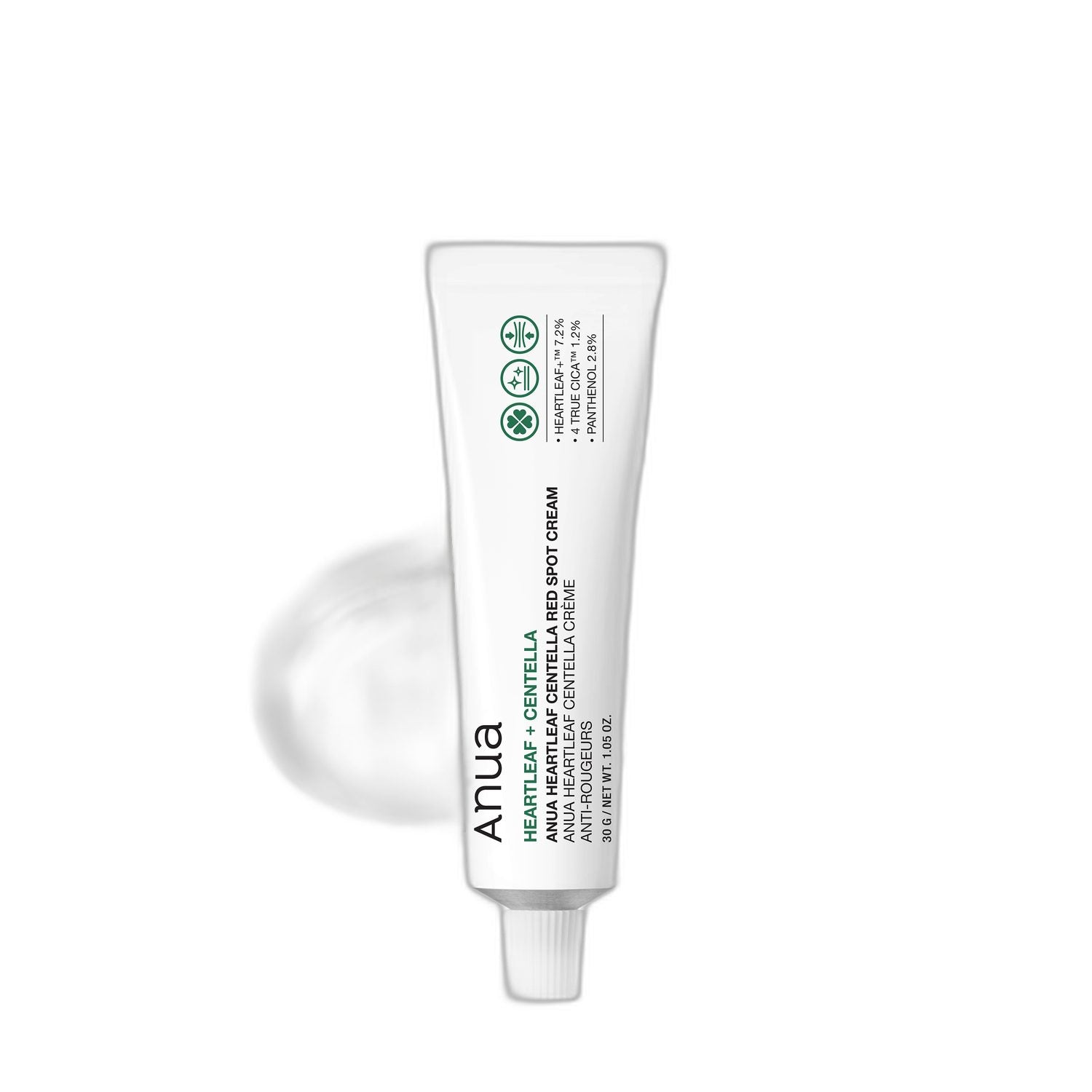
Azelaic Acid vs Niacinamide: Which Wins for Redness & Acne?
Two gentle, science-backed ingredients — often recommended for the same problems. Here's how they differ, when to pick which, and the Korean products that contain them.
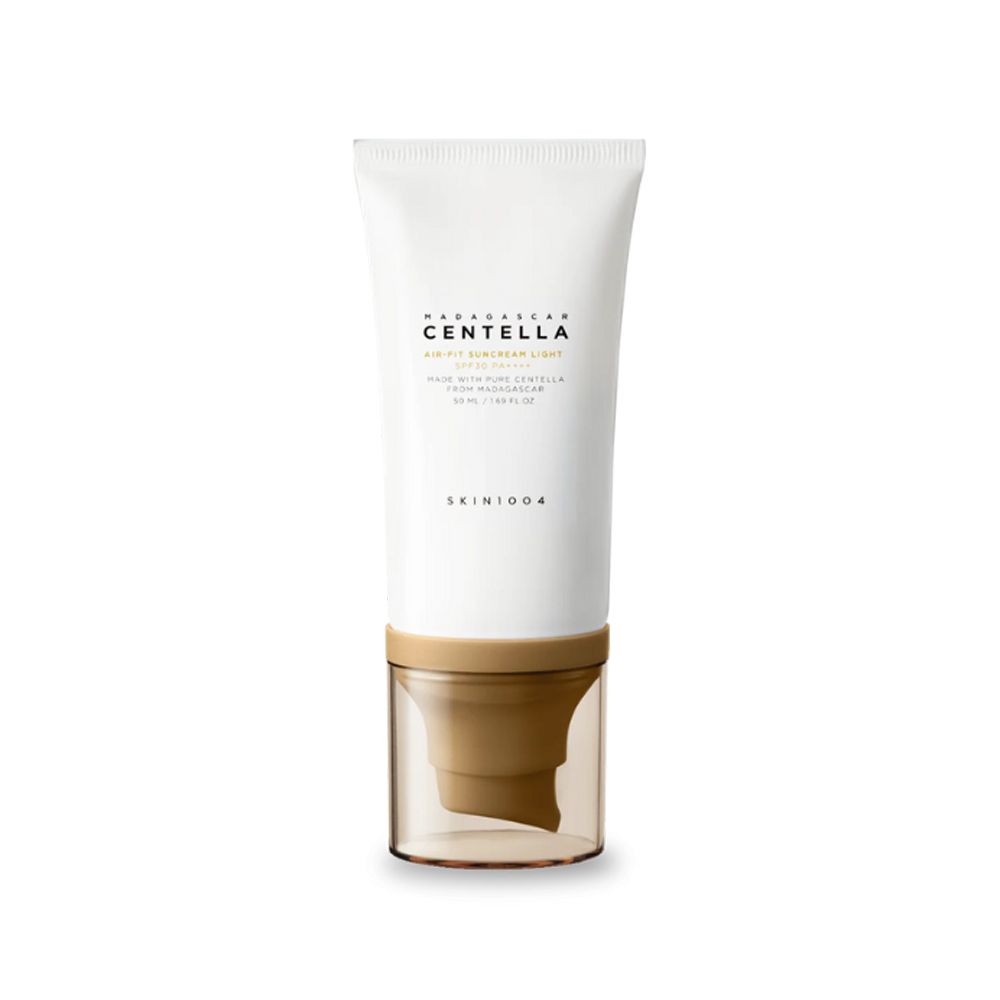
Best Centella Asiatica Products & Ampoules (2026)
An ingredient deep-dive into centella asiatica (cica) plus the 6 best products for redness, acne scars, and sensitive skin. Compared by formula.
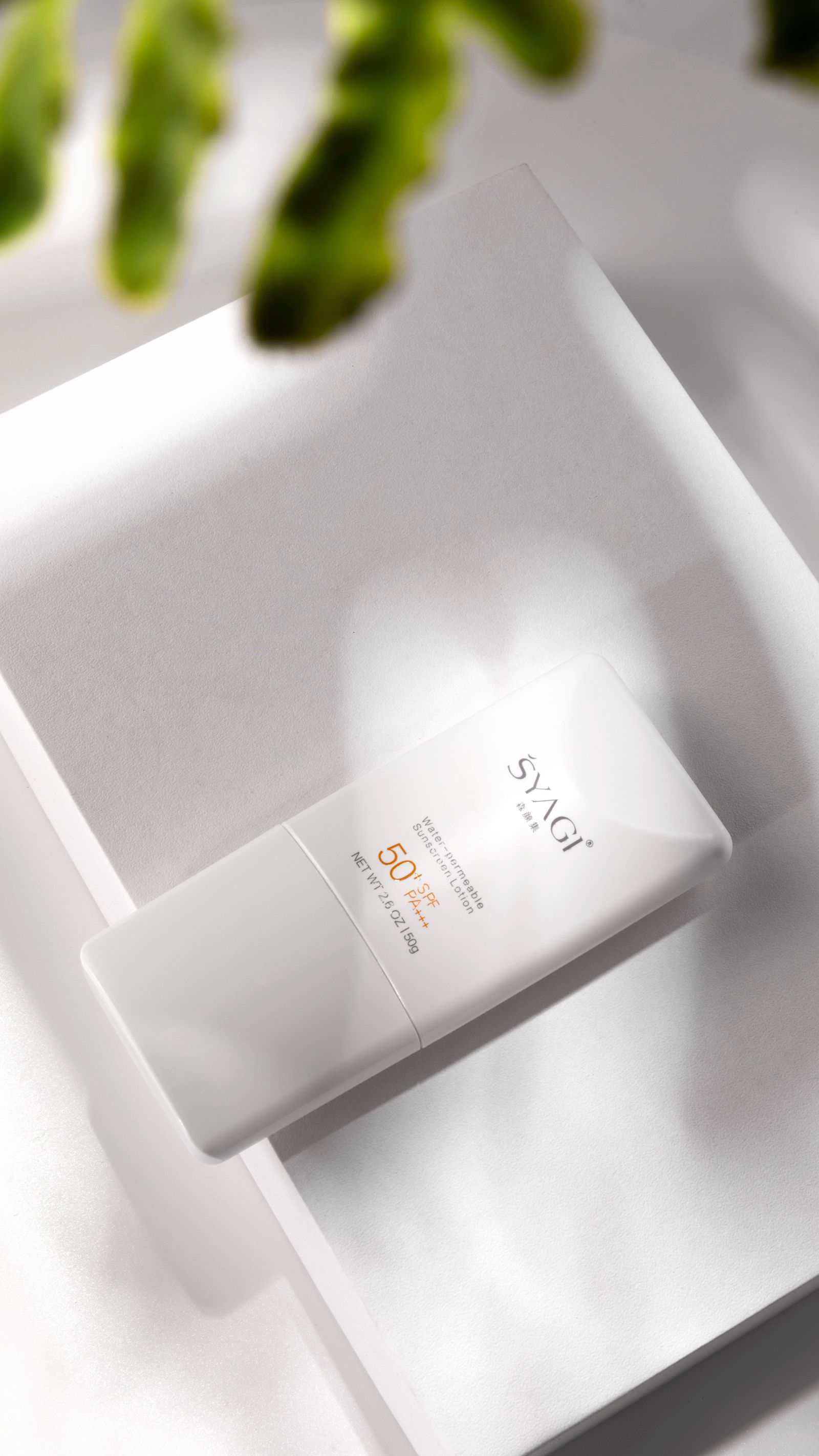
Korean SPF vs Western SPF: The Real Difference (2026 Guide)
Why do Korean sunscreens feel lighter, cosmetically elegant, and layer better than most American and European options? The answer is UV filter chemistry, and it's not as simple as 'newer is better'.
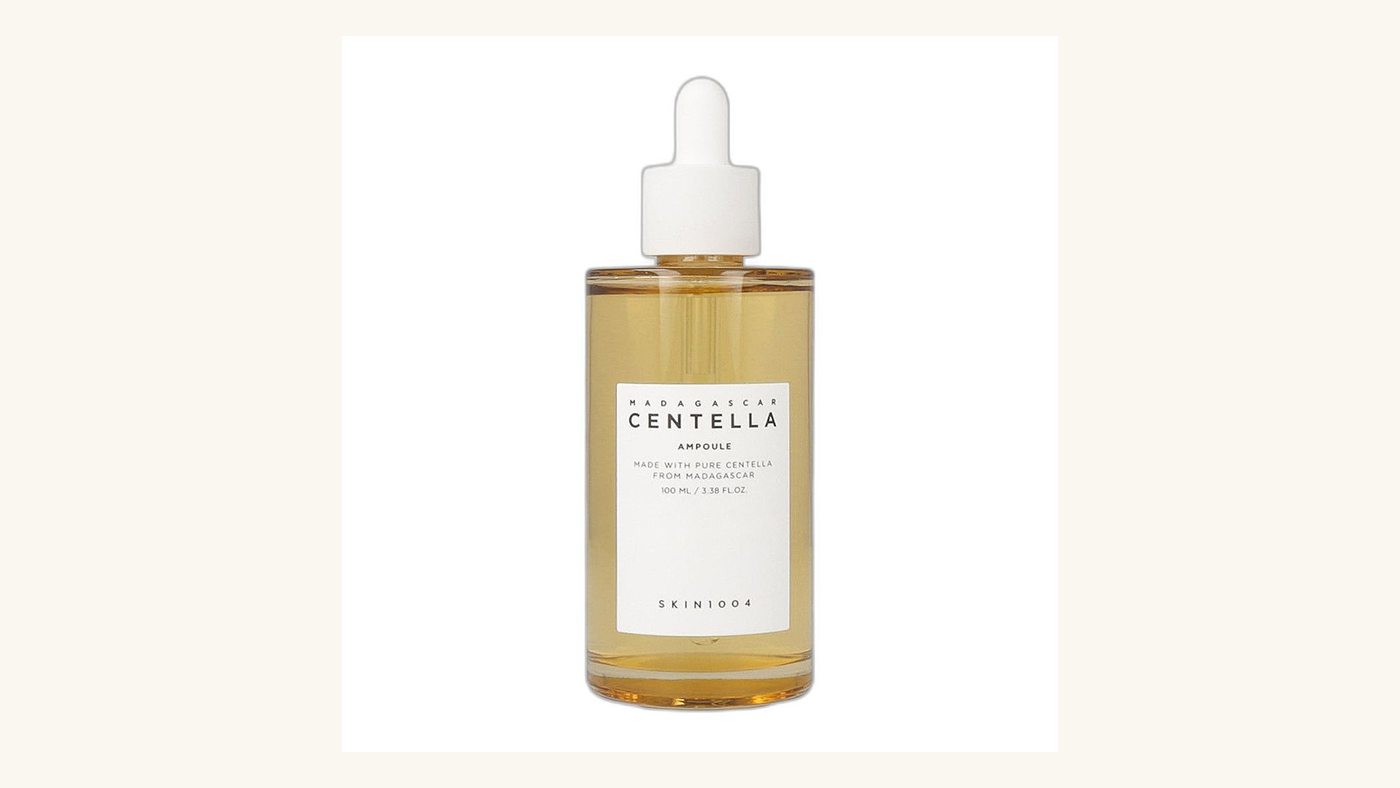
Snail Mucin vs Centella Asiatica Compared
A detailed comparison of Snail Mucin and Centella Asiatica. Learn the key differences, pros and cons, and which one is right for you.
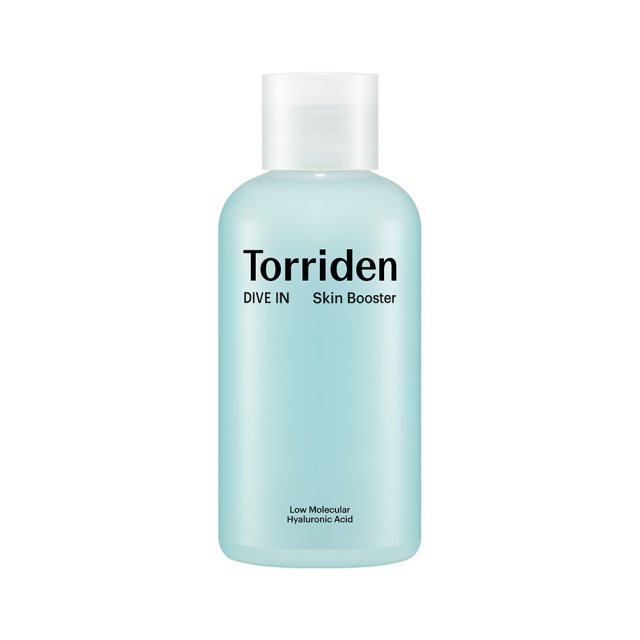
Hyaluronic Acid vs Glycerin: Which Is Better?
A detailed comparison of Hyaluronic Acid and Glycerin. Learn the key differences, pros and cons, and which one is right for you.
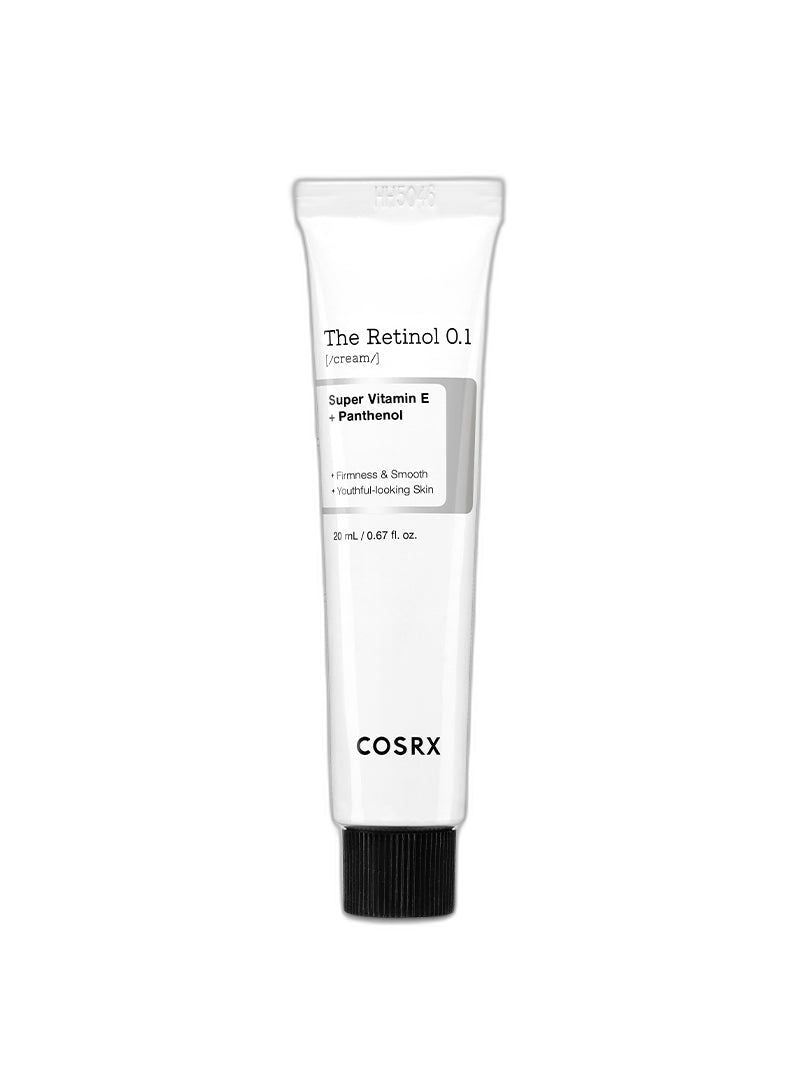
Retinol vs Bakuchiol: Which Should You Use?
A detailed comparison of Retinol and Bakuchiol. Learn the key differences, pros and cons, and which one is right for you.
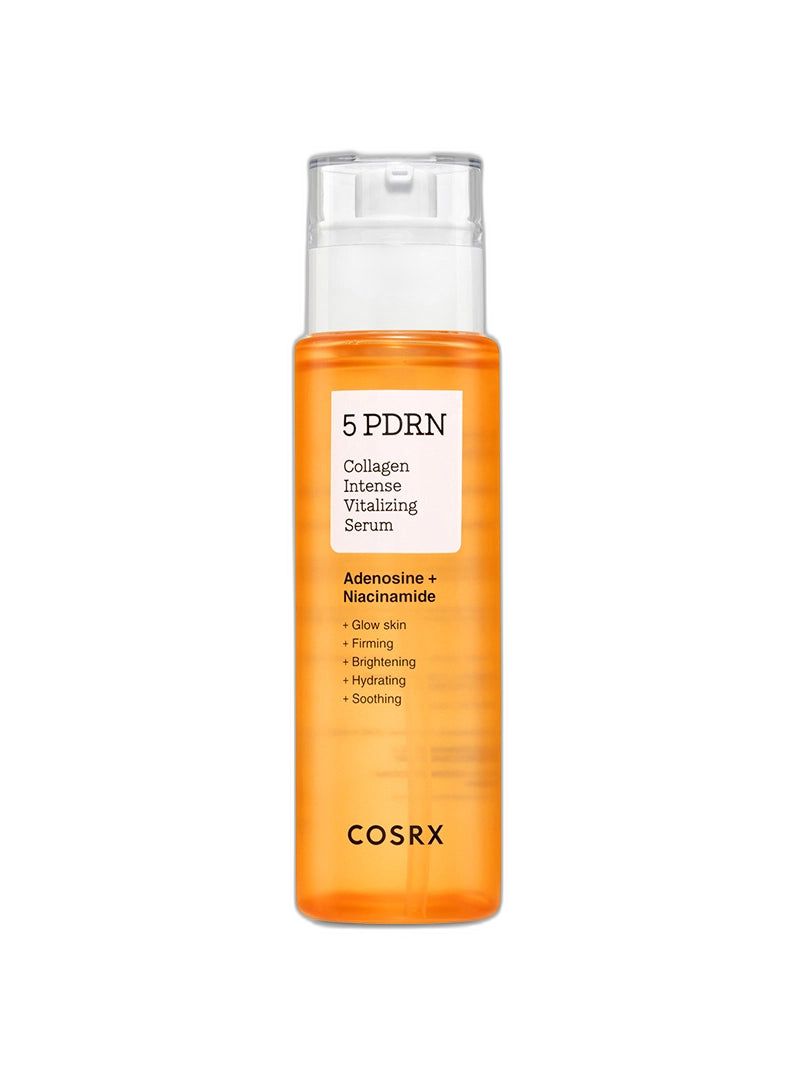
Best PDRN Skincare Products
What the research says about PDRN, who it may suit, and 8 Korean PDRN toners, serums, masks and patches compared by format and published formula.
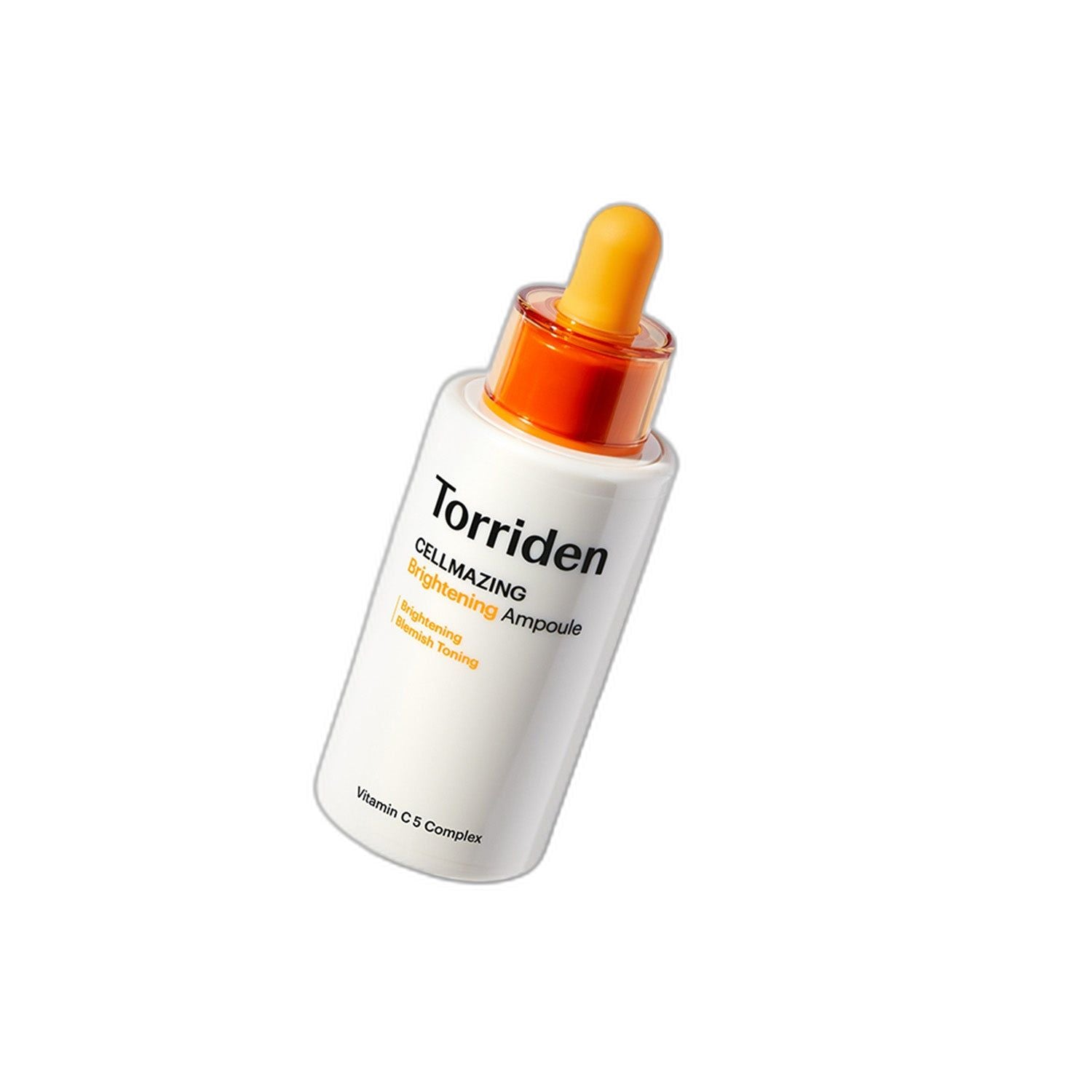
Vitamin C in Korean Skincare: The Complete Guide
Everything you need to know about vitamin C in K-beauty. Types, concentrations, best products, how to use it, and common mistakes to avoid.
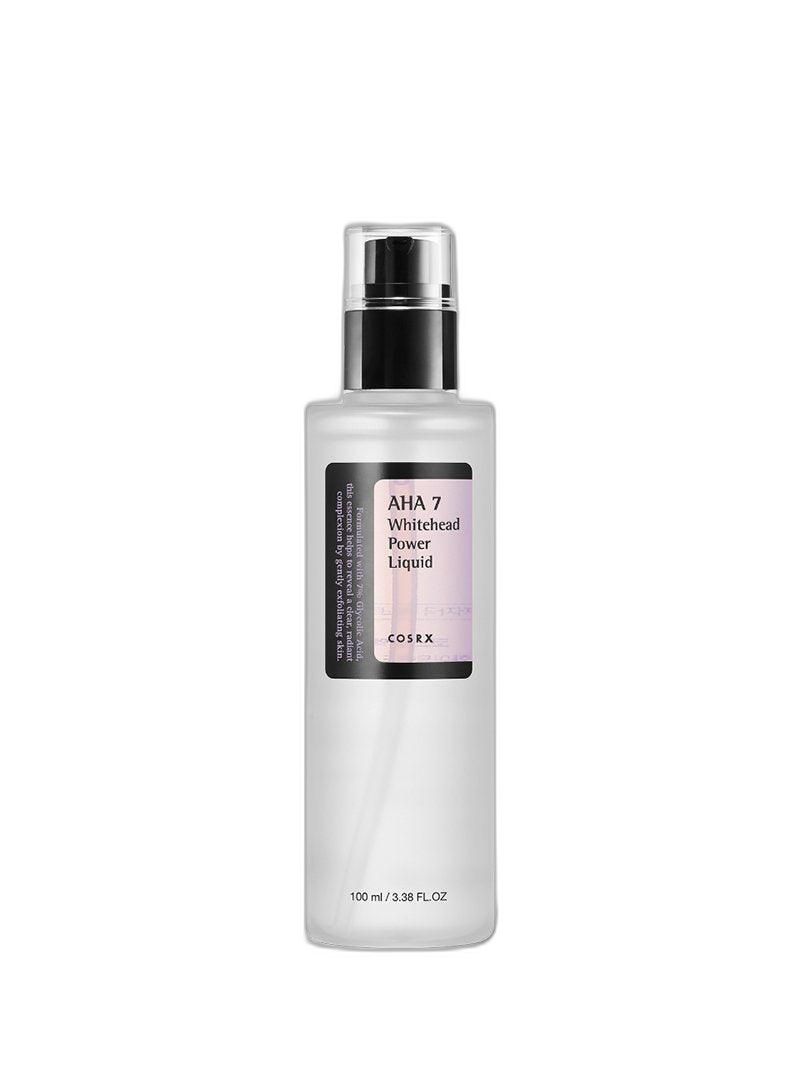
AHA vs BHA vs PHA: Which Exfoliant Do You Need?
A clear breakdown of the three main chemical exfoliants in Korean skincare. Which acid does what, who should use it, and how to choose the right one for your skin.
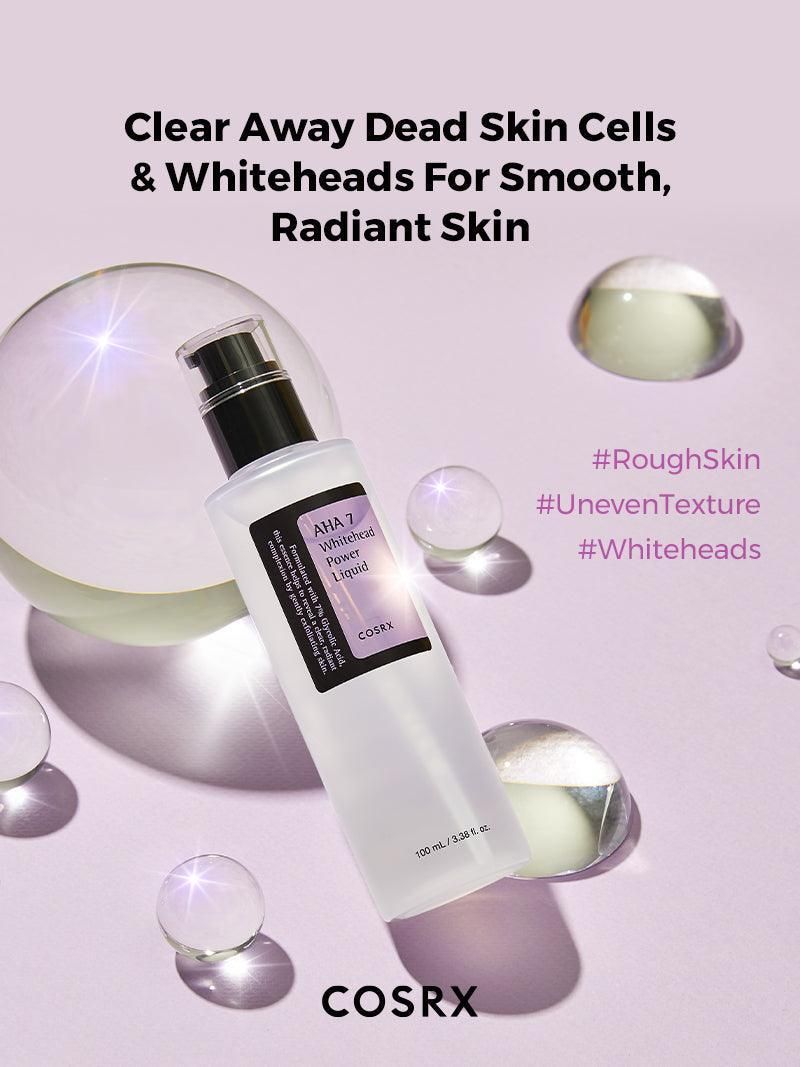
Skincare Ingredient Compatibility Guide
A full skincare interaction checker covering every major active ingredient. What pairs well, what conflicts, and exactly how to build a safe, effective routine.
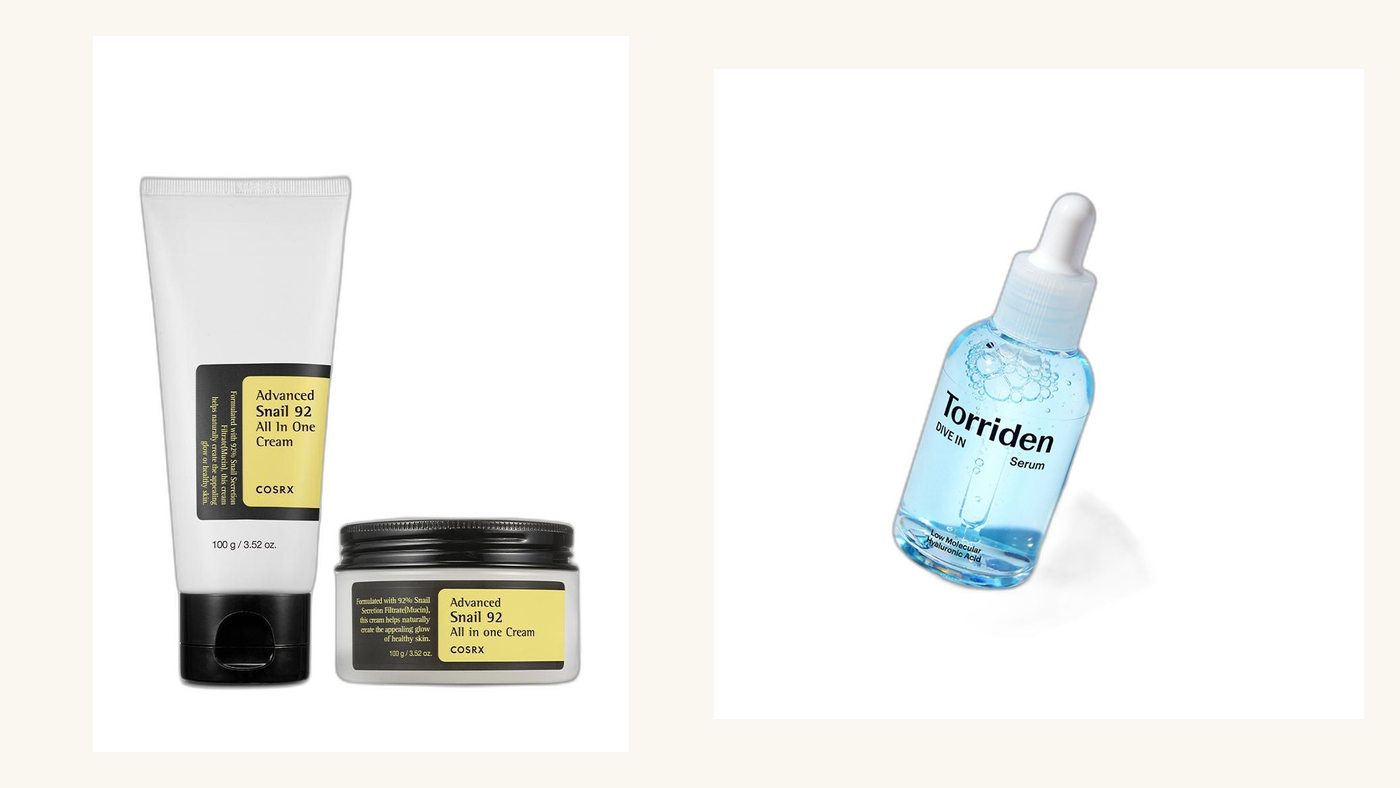
COSRX Snail 96 vs Torriden DIVE-IN: Match the Exact Bottle
Compare the COSRX 100 ml essence and the Torriden DIVE-IN serum by formula, pack size and current Mirai availability, with exact product photos.
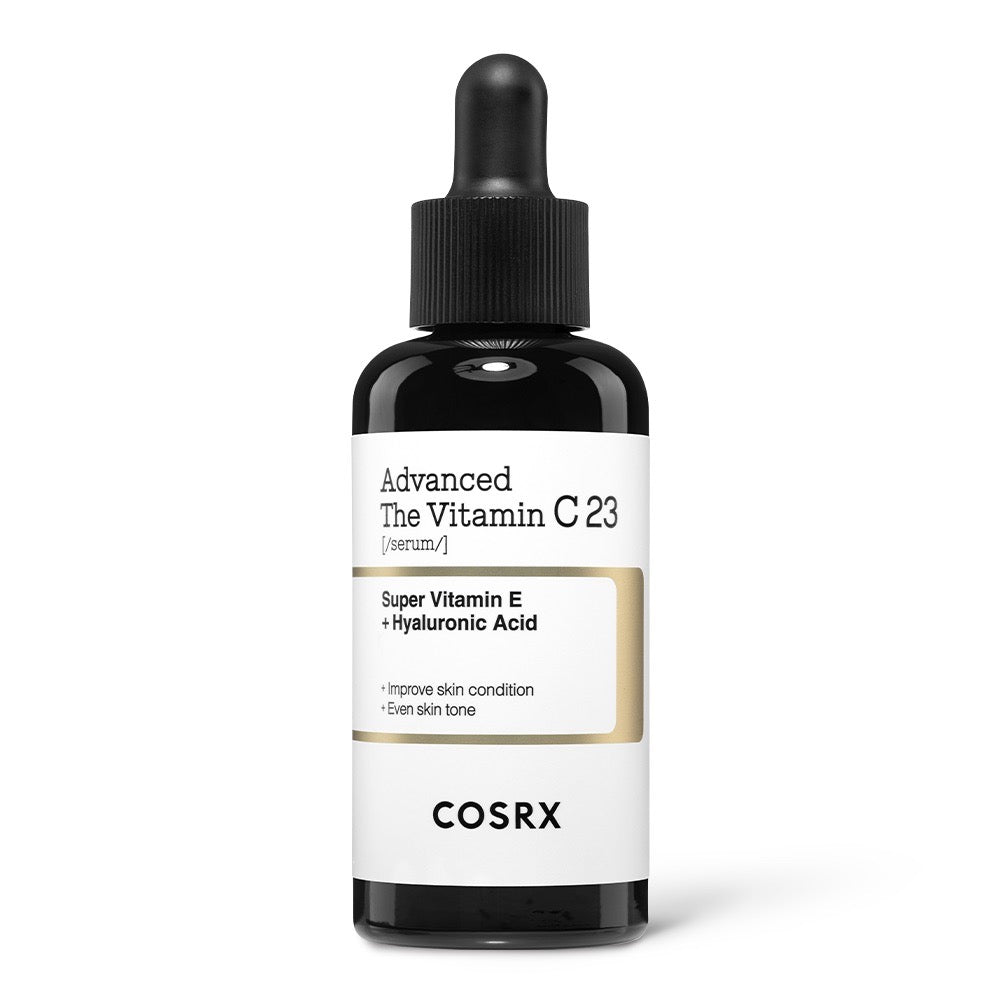
How to Fade Dark Spots With K-Beauty
A complete guide to fading hyperpigmentation, acne marks, and sun spots using Korean skincare. The ingredients that work, the products we recommend, and the routine to follow.
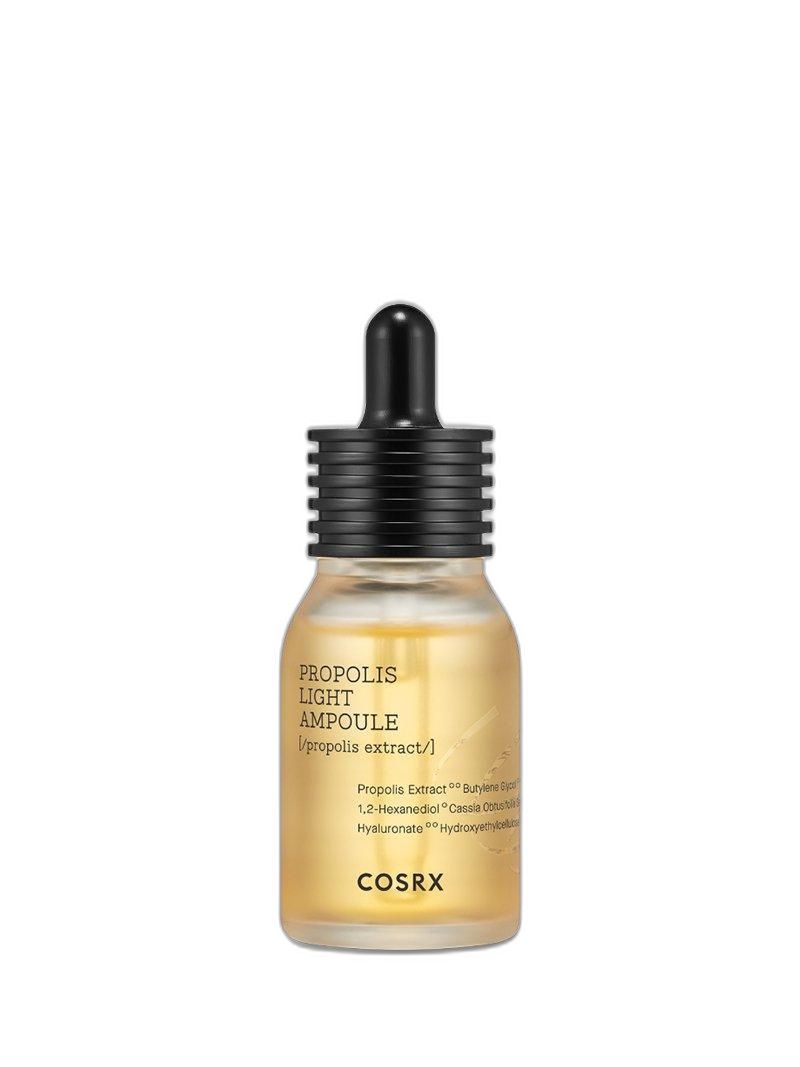
K-Beauty Ingredients Decoded
A complete guide to the most popular Korean skincare ingredients, from snail mucin to centella asiatica. What each one does, who it's for, and how to use it.
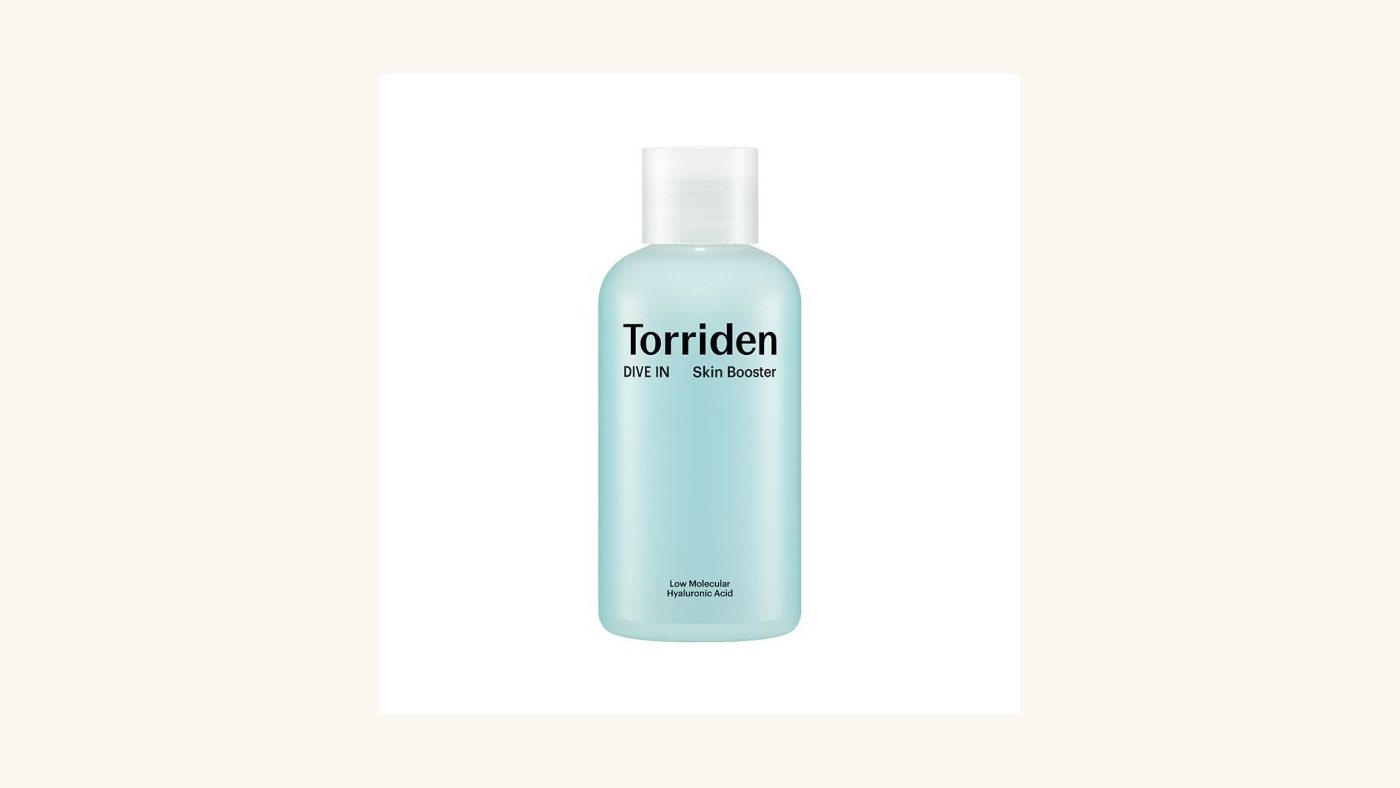
The Truth About Hyaluronic Acid
Hyaluronic acid is in everything. But does it live up to the hype? Here's what the science actually says, and the one mistake almost everyone makes when using it.
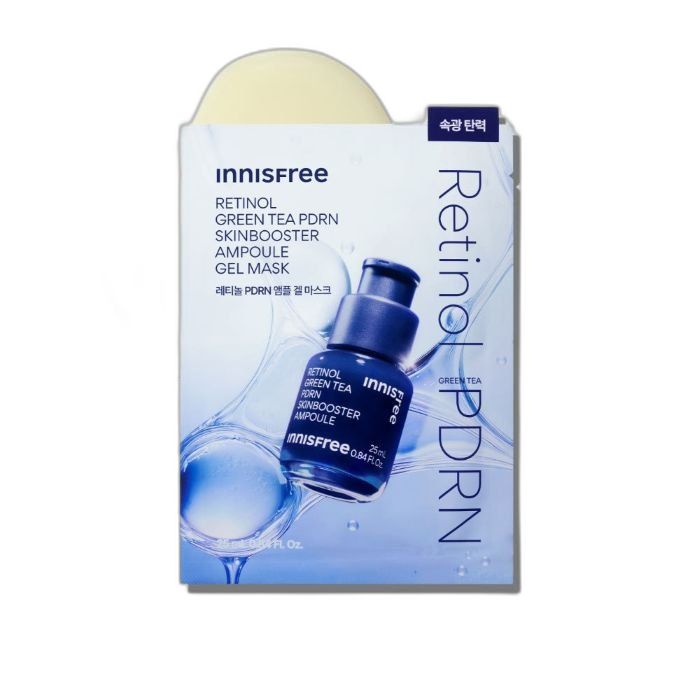
Retinol for Beginners: Start Here
New to retinol? This beginner's guide covers what retinol actually does, how to introduce it without irritation, and the mistakes most people make in their first month.