Vitamin C is one of the most research-backed ingredients in skincare. It brightens, protects against UV damage, stimulates collagen production, and fades dark spots. But it’s also one of the most misunderstood ingredients, especially when it comes to choosing the right form, concentration, and product.
Korean skincare brands have gotten creative with vitamin C, offering everything from potent 23% pure ascorbic acid serums to gentle derivatives that work slowly but surely. Here’s how to sort through the options and find the right vitamin C product for your skin.
Why Vitamin C Matters
Antioxidant protection. Vitamin C neutralizes free radicals generated by UV exposure, pollution, and blue light. This prevents the oxidative damage that causes premature aging.
Collagen synthesis. Vitamin C is a necessary cofactor for collagen production. Without adequate vitamin C, your body can’t produce collagen properly. Topical application provides vitamin C directly where the skin needs it.
Brightening. Vitamin C inhibits tyrosinase, the enzyme that produces melanin. This fades existing dark spots and prevents new ones from forming.
UV defense amplifier. Vitamin C doesn’t replace sunscreen, but it boosts your skin’s defense against UV damage when used alongside SPF.
Types of Vitamin C in Korean Skincare
L-Ascorbic Acid (LAA)
The pure, most potent form. The most research supports this form. It works at concentrations of 10 to 20% and needs a low pH (under 3.5) to penetrate the skin effectively.
Pros. Most effective, most studied, fastest results. Cons. Unstable (oxidizes when exposed to air, light, and heat), can irritate sensitive skin, must be stored carefully.
Ascorbyl Glucoside
A stable derivative that converts to ascorbic acid in the skin. Gentler and more stable than LAA but slower to show results.
Pros. Very stable, gentle, good for sensitive skin. Cons. Lower potency, slower results.
Ethyl Ascorbic Acid
A stable, oil-soluble derivative that penetrates well and converts to ascorbic acid in the skin. Increasingly popular in Korean formulations.
Pros. Stable, penetrates well, minimal irritation. Cons. Less studied than LAA.
Ascorbyl Tetraisopalmitate
An oil-soluble derivative that’s extremely stable and gentle. Works well in oil-based serums.
Pros. Very stable, very gentle, works in oil formulations. Cons. Lower potency than LAA.
The Best Korean Vitamin C Products
For Maximum Potency
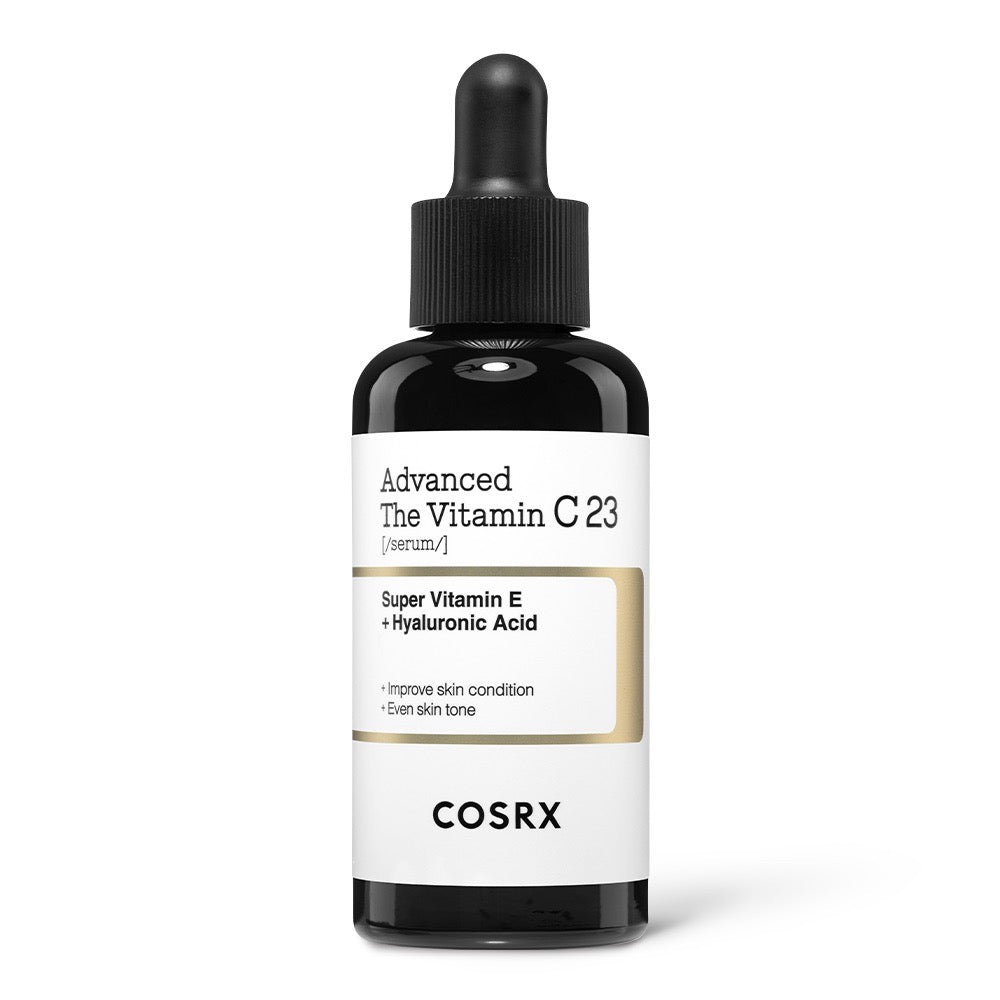
COSRX The Vitamin C 23 Serum. 23% pure L-ascorbic acid. The highest concentration on this list. Powerful brightening and anti-aging. For experienced vitamin C users.
COSRX The Vitamin C 13 Serum. Same formula at 13%. The better starting point for most people. Strong enough to be effective, gentle enough to build tolerance.
For Sensitive Skin
Beauty of Joseon Light On Serum
Beauty of Joseon Light On Serum (Centella + Vitamin C). Combines a vitamin C derivative with centella asiatica for brightening plus calming. The gentlest option for reactive skin that still wants vitamin C benefits.
For Brightening + Dark Spots
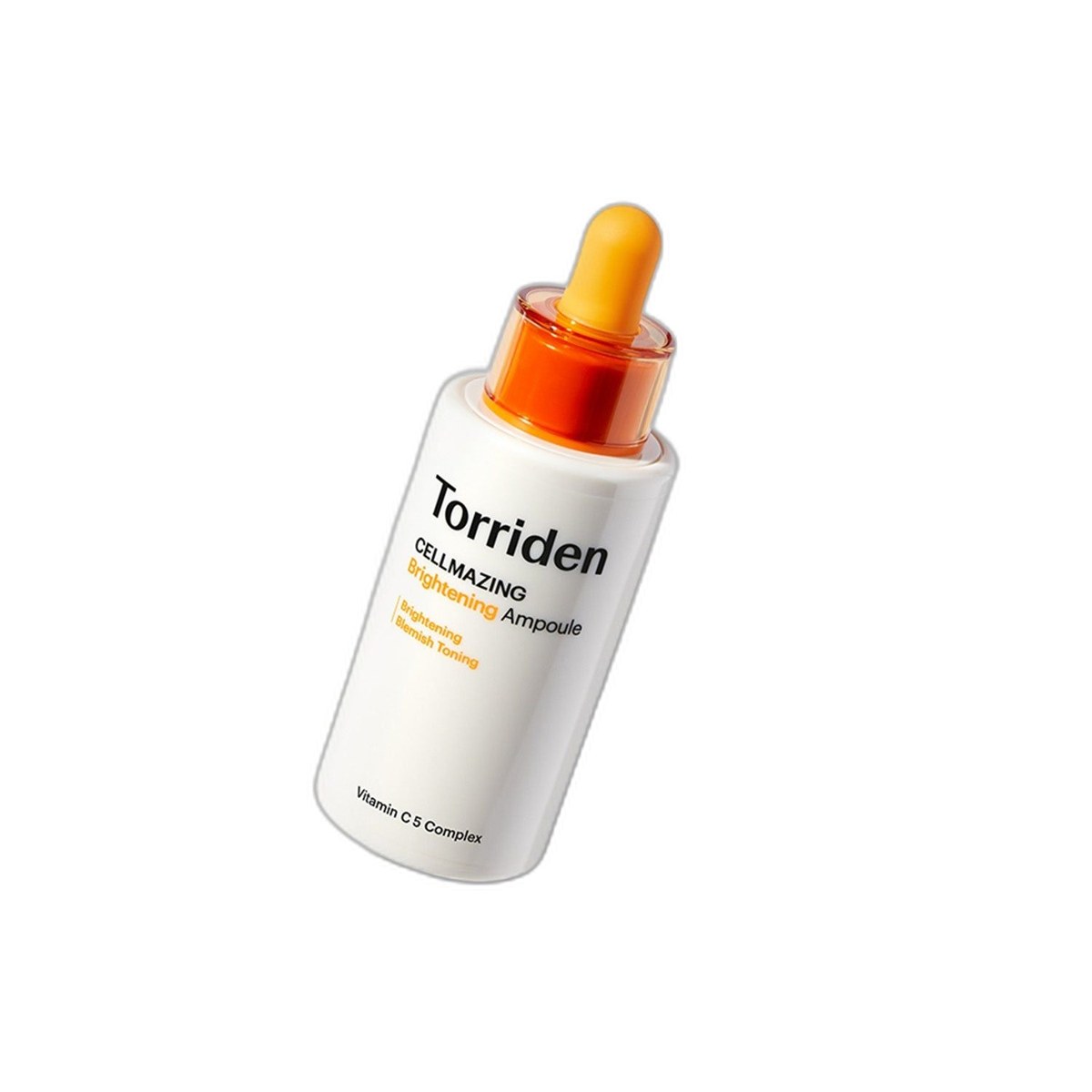
Torriden Cellmazing VITA C Brightening Ampoule. A concentrated vitamin C ampoule that targets dull skin and uneven tone. The ampoule format means a higher concentration of actives per drop.
For Budget
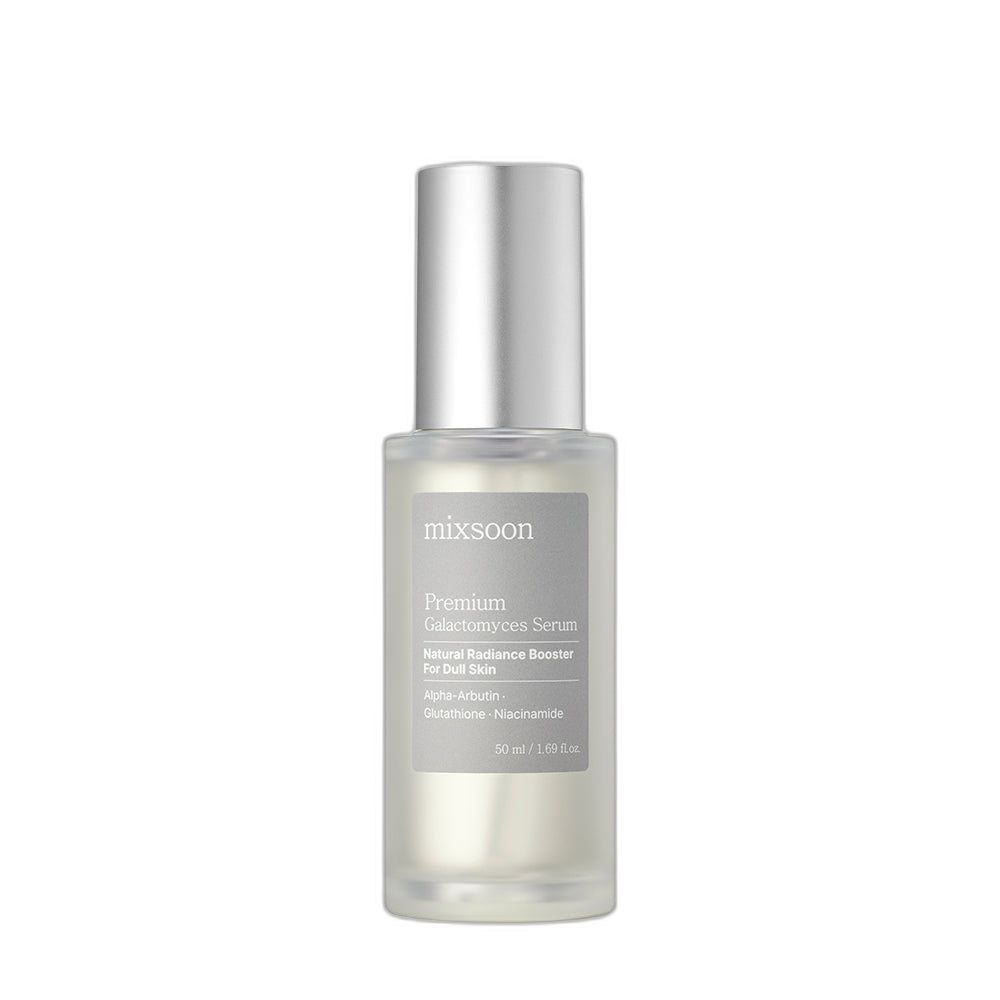
SOME BY MI Galactomyces Pure Vitamin C Glow Serum. Vitamin C combined with galactomyces ferment filtrate for brightening from two angles. Affordable and effective.
How to Use Vitamin C
When. Morning, after cleansing, before other serums and moisturizer. Vitamin C’s antioxidant properties provide the most benefit during the day when your skin faces UV and environmental stressors.
How much. 3 to 4 drops for the full face. More isn’t better; excess product doesn’t absorb.
How often. Start with every other day for L-ascorbic acid products. Build up to daily use over 2 weeks. Gentle derivatives can be used daily from the start.
With what. Vitamin C pairs well with vitamin E (boosts its antioxidant power), niacinamide (despite the old myth, they work fine together), and hyaluronic acid (hydration after an active).
Not with. Avoid using vitamin C in the same routine as strong AHAs/BHAs or retinol. The combined irritation potential is too high for most skin types.
Common Vitamin C Mistakes
Using an oxidized product. If your vitamin C serum has turned dark orange or brown, it’s oxidized and no longer effective. It may actually cause more oxidative damage. Fresh vitamin C should be clear to light yellow.
Storing incorrectly. Keep L-ascorbic acid products in a cool, dark place. Some people store them in the refrigerator. Always close the cap tightly.
Starting too strong. 20%+ L-ascorbic acid on skin that’s never used vitamin C will cause tingling, redness, and possibly peeling. Start at 10 to 15% and work up.
Skipping sunscreen. Vitamin C is not a sunscreen replacement. It supports UV defense but doesn’t provide SPF protection. Always follow with sunscreen.
Expecting instant results. Vitamin C takes 4 to 8 weeks of consistent use to show visible brightening. Dark spot fading takes longer.
The Bottom Line
Vitamin C earns its reputation as a skincare essential. For brightening, protection, and anti-aging, there are few ingredients with more evidence behind them. Korean vitamin C products offer excellent formulations at prices that make consistent daily use sustainable.
Start with the COSRX 13% if you want potency, or the Beauty of Joseon Light On Serum if you want gentleness. Either way, add sunscreen and patience, and your skin will thank you.
For more on how seasonal fruit intake supports your skin from the inside, see Seasonal Fruit Guide: What to Eat Each Month on Rooted Glow.
Related reading: K-Beauty Ingredients Decoded, and if you’re deciding between vitamin C and niacinamide for brightening, our azelaic acid vs niacinamide Korean skincare comparison also covers how niacinamide stacks up as a gentler alternative to harsher brightening actives.