In the ever-evolving universe of K-beauty, where innovation never sleeps and new “holy grail” ingredients emerge with dazzling regularity, it’s easy to feel a little lost. Just when you thought you had your head wrapped around peptides, ceramides, and the latest form of Vitamin C, two new heavy-hitters have stepped into the spotlight, promising to rewind the clock on aging skin: PDRN and Growth Factors.
These aren’t your grandmother’s anti-aging creams. We’re talking about advanced biomolecules that work at a cellular level, signaling your skin to repair, regenerate, and rejuvenate. But with all the hype, it’s natural to wonder: what exactly are they? How do they work differently? And most importantly, which one is the right choice for your aging skin?
At Glow Coded, we’re all about cutting through the noise to give you the honest truth. So, let’s dive deep into the fascinating science behind PDRN and Growth Factors, compare their strengths, and help you decide which powerhouse ingredient deserves a spot in your carefully curated K-beauty routine.
PDRN: What It Is, What It Does
Let’s start with the ingredient that often raises an eyebrow (and a few questions): PDRN.
What is PDRN?
PDRN stands for Polydeoxyribonucleotide. Yes, that’s a mouthful, but don’t let the scientific jargon intimidate you. In simpler terms, PDRN is a complex mixture of low molecular weight DNA fragments. And here’s where it gets interesting – these DNA fragments are typically derived from salmon sperm.
Before you recoil, hear us out. The salmon DNA is highly purified and processed to remove any proteins that could trigger an immune response, making it safe and biocompatible for human use. The reason salmon is chosen is because its DNA is remarkably similar to human DNA, making it an excellent match for cellular communication and repair. Think of it as giving your skin highly specialized “building blocks” and “repair instructions.”
How Does PDRN Work Its Magic?
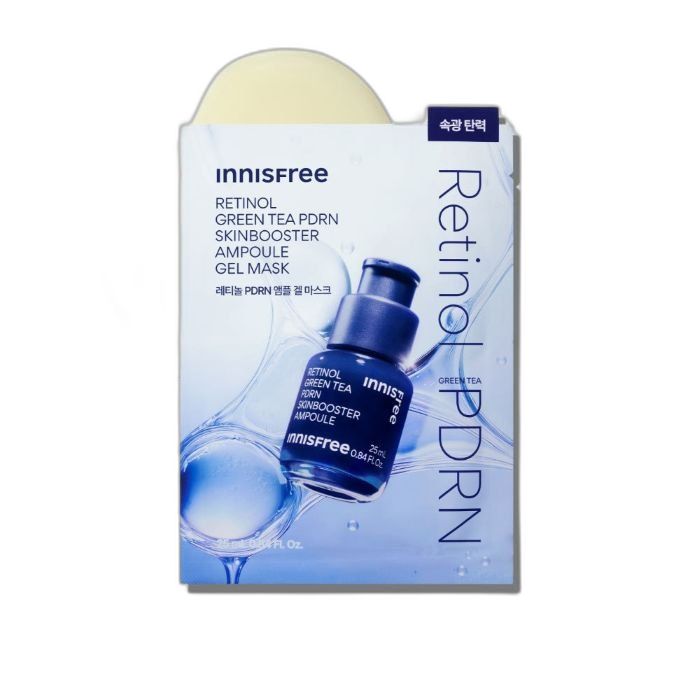
PDRN doesn’t work by directly integrating into your own DNA (no, it won’t turn you into a salmon!). Instead, its primary mechanism involves activating specific receptors on your skin cells, particularly the adenosine A2A receptors.
When PDRN binds to these receptors, it triggers a cascade of beneficial cellular activities:
- Cell Proliferation & Regeneration: It encourages fibroblasts (the cells responsible for producing collagen and elastin) to multiply and become more active. This means more collagen, more elastin, and ultimately, firmer, more elastic skin.
- Wound Healing & Tissue Repair: This is where PDRN truly shines. It accelerates the healing process, reduces inflammation, and promotes the regeneration of damaged tissue. This makes it fantastic for improving scars, post-acne marks, and overall skin barrier repair.
- Anti-Inflammatory Effects: By modulating inflammatory pathways, PDRN helps calm irritated skin, reduce redness, and create a healthier environment for skin regeneration.
- Improved Blood Circulation (Angiogenesis): PDRN can promote the formation of new blood vessels, which brings more oxygen and nutrients to the skin, enhancing its vitality and glow.
In essence, PDRN acts like a cellular cheerleading squad, encouraging your skin’s natural repair mechanisms to kick into high gear, providing the raw materials and signals needed for comprehensive rejuvenation.
The Clinical Evidence for PDRN
While PDRN has been a staple in medical aesthetics clinics for years (often in injectable forms for wound healing, scar revision, and even hair loss), its topical application in skincare is gaining significant traction. Studies show promising results for:
- Improving skin elasticity and firmness: By boosting collagen and elastin production.
- Reducing the appearance of fine lines and wrinkles: As skin texture and density improve.
- Accelerating wound healing and reducing scarring: A major benefit for compromised skin.
- Enhancing skin hydration and barrier function: Leading to plumper, healthier skin.
- Soothing inflammation and redness: Making it suitable for sensitive or post-procedure skin.
PDRN: The Glow Coded Take
REJURAN Advanced Anti-Aging Retinol + c-PDRN Serum
Pros:
- Excellent for repair and regeneration: If your skin barrier is compromised, you have post-inflammatory hyperpigmentation, or you’re looking for overall skin health, PDRN is a superstar.
- Anti-inflammatory: Great for calming sensitive, irritated, or acne-prone skin.
- Stimulates natural processes: Works with your skin’s biology rather than overriding it.
- Generally well-tolerated: Low risk of irritation due to its natural compatibility.
Cons:
- Animal-derived: The salmon DNA origin can be a concern for those with ethical preferences against animal-derived ingredients or potential, albeit rare, allergies.
- Cost: As an advanced ingredient, PDRN products can lean towards the pricier side.
- Topical vs. Injectable Efficacy: While topical PDRN is effective, some argue that injectable forms deliver more dramatic results due to deeper penetration. However, consistent topical use can still yield significant benefits over time.
Growth Factors: What They Are, What They Do
Next up, let’s talk about Growth Factors, another formidable player in the anti-aging arena.
What Are Growth Factors?
Growth Factors (GFs) are naturally occurring proteins that act as signaling molecules between cells. Think of them as tiny messengers that tell your cells what to do – grow, divide, specialize, or migrate. They are absolutely crucial for cell communication, tissue repair, and overall healthy bodily function, including skin regeneration.
In skincare, the most commonly discussed Growth Factors include:
- Epidermal Growth Factor (EGF): Promotes the growth of keratinocytes (skin cells) and fibroblasts, crucial for skin repair and renewal.
- Fibroblast Growth Factor (FGF): Primarily stimulates fibroblasts to produce collagen and elastin, essential for skin firmness and elasticity.
- Transforming Growth Factor (TGF): Involved in cell growth, differentiation, and immune function, also playing a role in collagen synthesis.
- Keratinocyte Growth Factor (KGF): Promotes the growth of keratinocytes, helping to maintain a healthy skin barrier.
Historically, some Growth Factors used in skincare were derived from human cells (which raised ethical concerns for some). However, modern K-beauty (and the skincare industry in general) primarily uses synthetic, plant-derived, or bio-engineered Growth Factors. These are often produced using recombinant DNA technology, ensuring purity, efficacy, and ethical sourcing without any human or animal-derived components.
How Do Growth Factors Work Their Magic?
Unlike PDRN, which provides building blocks and indirect signals, Growth Factors work through a more direct “command and control” mechanism. They bind to specific receptors on the surface of your skin cells, much like a key fitting into a lock. This binding initiates a direct signal within the cell, telling it to perform a specific action.
For aging skin, this translates to:
- Enhanced Cell Proliferation: GFs instruct skin cells (like keratinocytes and fibroblasts) to multiply more rapidly, replacing old, damaged cells with fresh, new ones.
- Increased Collagen & Elastin Production: FGF, in particular, is a potent stimulator of fibroblasts, leading to a significant boost in the production of collagen and elastin – the scaffolding proteins that give skin its firmness and elasticity.
- Accelerated Wound Healing: By directly signaling cells involved in repair, GFs dramatically speed up the healing process, making them excellent for post-procedure recovery.
- Improved Skin Structure & Thickness: The increased production of new cells and structural proteins leads to a thicker, denser, and more resilient skin barrier.
Essentially, Growth Factors are direct cellular coaches, issuing clear instructions to rejuvenate and repair.
The Clinical Evidence for Growth Factors
Growth Factors have a strong clinical backing, particularly for their role in wound healing and anti-aging. Studies have shown:
- Significant reduction in fine lines and wrinkles: Due to increased collagen and elastin.
- Improved skin texture and tone: As new cells replace old ones.
- Enhanced skin firmness and elasticity: From the boost in structural proteins.
- Accelerated recovery post-procedure: Making them popular after laser treatments or chemical peels.
- Overall younger-looking skin: A more radiant and revitalized complexion.
Growth Factors: The Glow Coded Take
Pros:
- Powerful anti-aging effects: Excellent for addressing visible signs of aging like wrinkles, loss of firmness, and sagging.
- Direct cellular communication: Efficiently signals cells to regenerate and produce vital proteins.
- Accelerated healing: Speeds up recovery from skin damage.
- Modern formulations are ethically sourced: Using synthetic or plant-derived versions.
Cons:
- Cost: Like PDRN, Growth Factor products tend to be premium-priced.
- Stability: Growth Factors are proteins and can be fragile. Formulations need to be carefully designed to maintain their efficacy (look for airless pumps, opaque packaging).
- Theoretical Concerns (mostly debunked for cosmetic use): In the past, there were theoretical concerns about Growth Factors potentially stimulating “bad” cells (like cancer cells). However, extensive research and dermatological consensus confirm that topical Growth Factors, when used on healthy skin, do not pose such risks. They work within the skin’s natural regulatory mechanisms.
- Potential for mild irritation: Some individuals, especially those new to potent actives, might experience mild sensitivity, though this is rare.
Head-to-Head Comparison: PDRN vs. Growth Factors
To make things crystal clear, let’s put these two powerhouses side-by-side:
| Feature | PDRN (Polydeoxyribonucleotide) | Growth Factors (GFs) |
|---|---|---|
| Mechanism | Indirect signaling: Activates adenosine A2A receptors, providing building blocks and an optimal environment for cell repair and growth. | Direct signaling: Proteins bind to specific cell surface receptors, issuing direct commands for cell proliferation, differentiation, and protein synthesis. |
| Origin | Purified salmon DNA fragments (animal-derived). | Synthetic, plant-derived, or bio-engineered proteins (non-animal derived in modern K-beauty). |
| Primary Action | Regenerative, anti-inflammatory, wound healing, tissue repair, providing raw materials for collagen/elastin. | Proliferative, direct collagen/elastin synthesis, cell growth, firming, texture improvement. |
| Best For | Compromised skin barrier, sensitive skin, post-procedure healing, redness, early signs of aging, overall skin health, scar reduction. | Mature skin, significant loss of firmness, deep wrinkles, sagging, advanced anti-aging, boosting collagen and elastin. |
| Key Benefits | Soothes, repairs, strengthens barrier, reduces inflammation, improves texture, subtle plumping. | Firms, lifts, reduces wrinkles, improves elasticity, thickens skin, significant anti-aging. |
| Potential Drawbacks | Animal-derived (ethical concern for some), cost, topical efficacy compared to injectables. | Cost, stability (requires good formulation/packaging), theoretical over-stimulation (largely debunked for topical use). |
| Synergy | Can be used with GFs. PDRN preps the skin for GF action. | Can be used with PDRN. GFs provide direct commands to the PDRN-prepped cells. |
Korean PDRN Products to Try
While PDRN is more prevalent in clinical settings, K-beauty brands are increasingly incorporating it into topical formulations, often at lower concentrations than injectables, but still effective for consistent home use. Here are some options that harness the power of salmon DNA:
- Medicube Age-R PDRN & Growth Factor Serum: (Approx. $50-$65)
- Why it’s great: Medicube is known for its advanced skincare devices and complementary active ingredient lines. This serum cleverly combines both PDRN and Growth Factors, offering a synergistic approach to anti-aging and repair. It’s designed to boost elasticity, firmness, and overall skin vitality.
- Key selling points: Dual-action formula, lightweight texture, targets multiple signs of aging.
- Some By Mi Retinol Intense Reactivating Serum: (Approx. $25-$35)
- Why it’s great: While primarily a retinol serum, Some By Mi’s innovative formula includes “Retinol + Retinal + Bakuchiol” alongside a potent blend of ingredients, often including PDRN (salmon complex) and peptides to mitigate irritation and enhance regeneration. It’s a great option if you want to integrate PDRN with a powerful anti-aging active like retinol.
- Key selling points: Multi-retinoid complex, PDRN for soothing and repair, hydrating, suitable for sensitive skin (with careful introduction). A great example of ingredient compatibility.
- Abib Collagen Eye Patch Jericho Rose Jelly: (Approx. $25-$35 for 60 patches)
- Why it’s great: Abib offers these luxurious eye patches infused with collagen, Jericho Rose extract, and PDRN. While an eye product, it showcases PDRN’s ability to boost elasticity and firmness in delicate areas.
- Key selling points: Targets fine lines and elasticity around the eyes, soothing jelly texture, easy to use.
- Dr. Althea Pro Lab Salmon DN Ampoule: (Approx. $40-$55)
- Why it’s great: A dedicated PDRN ampoule that highlights the ingredient’s benefits. This serum focuses on intensive repair, hydration, and improving skin elasticity. It’s often praised for its ability to calm sensitive skin and promote a healthy glow.
- Key selling points: High concentration of PDRN, intensely hydrating, helps improve skin barrier function, suitable for sensitive skin.
Korean Growth Factor Products to Try
Korean brands excel at creating sophisticated peptide formulas, and many incorporate bio-engineered Growth Factors or highly effective peptide complexes that mimic their action.
- Medicube Age-R PDRN & Growth Factor Serum: (Approx. $50-$65)
- Why it’s great: We mentioned this for PDRN, but it’s equally relevant here! It features a blend of Growth Factors alongside PDRN to deliver comprehensive anti-aging benefits, making it an excellent all-rounder for rejuvenation.
- Key selling points: Synergistic blend, targets firmness and elasticity, suitable for mature skin.
- COSRX The 6 Peptide Skin Booster Serum: (Approx. $25-$35)
- Why it’s great: While not explicitly named “Growth Factor,” COSRX’s innovative booster serum contains a powerful complex of 6 peptides, many of which mimic the signaling effects of Growth Factors. Peptides like EGF-mimicking peptides and those that boost collagen are common here, promoting elasticity, firmness, and smoothing.
- Key selling points: Multi-peptide powerhouse, affordable, boosts elasticity and firmness, preps skin for subsequent serums, works well in a complete Korean routine.
- Laneige Perfect Renew Youth Retinol Pro: (Approx. $60-$75)
- Why it’s great: Laneige’s premium anti-aging line often incorporates advanced peptides and sometimes specific Growth Factor-like ingredients to enhance the effects of its retinol. This product focuses on intensive wrinkle improvement and elasticity.
- Key selling points: Combines retinol with youth-boosting peptides/GF-like ingredients, targets deep wrinkles and firmness, nourishing texture.
- Some By Mi Snail Truecica Miracle Repair Serum: (Approx. $20-$30)
- Why it’s great: This popular serum, while famed for its snail mucin and Centella Asiatica, also contains a powerful blend of ingredients that support skin regeneration. Snail mucin itself contains natural growth factors and peptides, making this a gentle yet effective option for improving skin texture, healing, and barrier repair. It’s a fantastic entry point if you’re exploring ingredients that support cellular regeneration.
- Key selling points: Soothing, repairing, improves texture, uses natural growth factors from snail mucin, great for post-acne care. Check out other snail mucin products.
- Medicube Zero Pore One Day Exosome Shot: (Approx. $70-$85)
- Why it’s great: Exosomes are tiny vesicles that carry growth factors, lipids, and proteins between cells, acting as powerful intercellular messengers. While not direct Growth Factors, they deliver a complex cocktail that includes GFs, making them incredibly effective for advanced regeneration, pore care, and overall skin vitality.
- Key selling points: Cutting-edge exosome technology, intensive repair, addresses pore concerns, boosts skin texture and elasticity.
Which One YOU Should Pick
Okay, you’ve got the lowdown on PDRN and Growth Factors. Now for the million-dollar question: which one is right for you? The honest answer, as always in skincare, is: it depends on your specific skin concerns, goals, and even your budget and ethical preferences.
Choose PDRN if:
- Your skin barrier is compromised or sensitive: If you struggle with redness, irritation, or a weakened barrier (perhaps from over-exfoliation or environmental stressors), PDRN’s anti-inflammatory and regenerative properties will be incredibly soothing and restorative.
- You’re dealing with scars or post-inflammatory hyperpigmentation: PDRN’s wound-healing capabilities can help accelerate the fading of these marks and improve overall skin texture.
- You’re looking for gentle yet effective anti-aging: PDRN is fantastic for early signs of aging, maintaining skin health, and boosting overall radiance without being overly aggressive.
- You prefer a more “nurturing” approach: PDRN provides the ideal environment and building blocks for your skin to heal and rejuvenate itself.
Choose Growth Factors if:
- Your primary concern is significant loss of firmness and elasticity: If you’re seeing noticeable sagging, deeper wrinkles, and a lack of bounce, Growth Factors are your go-to for directly signaling cells to produce more collagen and elastin.
- You want more dramatic anti-aging results: Growth Factors offer a potent, direct approach to cellular regeneration and structural improvement.
- You’re looking for post-procedure recovery: After treatments like lasers or microneedling, Growth Factors can significantly speed up healing and enhance results.
- You prefer non-animal derived ingredients: Modern Growth Factor formulations in K-beauty are typically synthetic or plant-derived.
Can You Use Both? Absolutely!
In fact, PDRN and Growth Factors are a match made in skincare heaven. Think of it this way: PDRN creates a healthy, optimal environment for cellular activity, providing the necessary raw materials and calming inflammation. Growth Factors then come in with direct commands, telling those well-prepped cells exactly what to do (e.g., “produce more collagen!”).
Using them together can lead to synergistic benefits, addressing both the foundational health of your skin and its specific anti-aging needs. You might apply a PDRN serum first to soothe and prepare, followed by a Growth Factor serum to actively stimulate. Always remember to check ingredient compatibility if you’re mixing multiple potent actives.
Remember to introduce any new active ingredient slowly into your routine, especially if you have sensitive skin. Patch test first, and observe how your skin responds. And of course, no matter what powerful actives you use, always follow up with a great moisturizer and, crucially, a broad-spectrum sunscreen. Check out our guide to the best Korean sunscreens for some excellent options.
Verdict
In the showdown between PDRN and Growth Factors, there’s no single “better” ingredient. Both are incredibly powerful, scientifically-backed allies in the fight against aging skin, each with its unique strengths and mechanisms.
PDRN excels at repair, regeneration, and calming inflammation, making it a fantastic choice for building a healthier, more resilient skin barrier and addressing early signs of aging or compromised skin.
Growth Factors are the champions of direct cellular stimulation, firming, and wrinkle reduction, ideal for those seeking a more targeted and potent approach to visible signs of mature aging.
The best choice for you will depend entirely on your skin’s current condition and your ultimate skincare goals. Or, if you’re feeling ambitious and your budget allows, combining these two innovative ingredients could unlock a new level of skin rejuvenation. Listen to your skin, do your research, and embrace the cutting-edge science that K-beauty continues to bring to our vanities. Your future self will thank you!