Ingredients · 15 min read

Mugwort in K-Beauty: Benefits and Best Products for Sensitive Skin

Mugwort (Artemisia) explained — why this calming Korean botanical works for redness and reactive skin, the science behind it, and the best mugwort toners, masks, and essences to try.

Fresh green mugwort sprigs beside a dark glass dropper bottle on a pale stone surface in soft light

In the ever-evolving world of K-beauty, where new ingredients seem to emerge daily, some ancient botanicals consistently prove their worth. While ingredients like snail mucin and centella asiatica have long held their rightful place in the hall of fame, there’s another unassuming herb quietly dominating the soothing sector: mugwort. If you’ve been struggling with persistent redness, irritation, or a generally reactive complexion, it’s time to get acquainted with this Korean skincare staple. At Glow Coded, we’re all about honest, evidence-backed insights, and today, we’re diving deep into why mugwort might just be the calming hero your sensitive skin has been craving.

What mugwort is and why K-beauty loves it

Mugwort, scientifically known as Artemisia vulgaris or, more specifically in Korea, Artemisia Princeps, is far from a trendy newcomer. This aromatic herb has been revered for centuries in traditional Korean, Chinese, and Japanese medicine for its potent healing and detoxifying properties. From internal remedies to poultices for skin ailments, mugwort’s use is deeply rooted in history.

So, why has K-beauty, with its meticulous focus on skin health and gentle formulations, embraced mugwort so wholeheartedly? The answer lies in its incredible composition and its ability to deliver visible results without irritation. Korean skincare often champions natural, gentle ingredients that work in harmony with the skin, and mugwort fits this philosophy perfectly. It’s a plant that thrives in diverse environments, known for its resilience and unique scent, often described as herbaceous and slightly earthy.

What makes mugwort a skincare powerhouse? It’s packed with a cocktail of beneficial compounds:

  • Flavonoids: These are powerful antioxidants that help protect the skin from environmental stressors like pollution and UV radiation, which can exacerbate sensitivity.
  • Coumarins: These compounds contribute to mugwort’s anti-inflammatory and soothing effects.
  • Terpenes and Volatile Oils: While responsible for its distinctive aroma, these also possess antiseptic and anti-inflammatory properties, further aiding in skin calm.
  • Vitamins and Minerals: Mugwort provides a nourishing boost, supporting overall skin health.

In essence, K-beauty loves mugwort because it’s a natural, multi-functional ingredient that directly addresses common skin concerns like redness and irritation, aligning perfectly with the industry’s focus on healthy, resilient skin. It’s often found in “skinimalist” formulations, sometimes even as a single-ingredient essence, allowing its pure power to shine through.

What it does for sensitive, reactive skin

For anyone dealing with sensitive, reactive skin, the search for truly calming ingredients can feel like a never-ending quest. Mugwort steps in as a formidable ally, offering a range of benefits that directly target the hallmarks of sensitivity: redness, irritation, and a compromised skin barrier.

Let’s break down exactly what mugwort can do for your delicate complexion:

  • Potent Anti-inflammatory Action: This is mugwort’s superstar quality. Research, including both in vitro and some preliminary in vivo studies, supports mugwort’s ability to significantly reduce inflammation. It does this by inhibiting various inflammatory mediators in the skin, which are the culprits behind redness, swelling, and discomfort. For skin prone to flushing, heat, or general reactivity, mugwort can provide rapid relief and a noticeable reduction in visible redness. Think of it as a cool compress for angry skin.
  • Robust Antioxidant Protection: Sensitive skin is often more vulnerable to oxidative stress from free radicals generated by pollution, UV exposure, and even internal factors. Mugwort’s rich flavonoid content acts as a powerful antioxidant shield, neutralizing these damaging free radicals. By protecting skin cells, it helps maintain skin integrity and prevents irritation from escalating, contributing to a stronger, more resilient barrier over time.
  • Barrier Strengthening and Repair: A healthy skin barrier is the cornerstone of non-sensitive skin. When the barrier is compromised, moisture escapes easily, and irritants can penetrate, leading to a vicious cycle of sensitivity. Mugwort helps to fortify this crucial barrier. By calming inflammation and providing antioxidant support, it creates an optimal environment for the skin to repair itself, leading to improved hydration and reduced reactivity.
  • Soothing and Hydrating: Many mugwort products are formulated as lightweight essences or toners, which inherently provide a boost of hydration. This, combined with its anti-inflammatory properties, contributes to an immediate feeling of comfort and relief. It helps to cool down “hot” skin and soothe itchiness, making it a godsend for conditions like eczema or general environmental irritation.
  • Mild Antibacterial and Antifungal Properties: While not its primary function, some studies suggest mugwort possesses mild antibacterial and antifungal qualities. This can be beneficial for maintaining a balanced skin microbiome, indirectly helping to calm certain types of breakouts or skin imbalances that can exacerbate sensitivity.

For conditions like rosacea, general redness, post-procedure sensitivity, or even just skin that feels constantly on edge, mugwort offers a gentle yet effective solution. It works to quiet the skin’s overactive responses, allowing it to recover and function optimally.

Mugwort vs centella: which calming ingredient when

It’s easy to get confused when two ingredients seem to offer similar benefits, especially when both are heralded for their calming properties. Mugwort and centella asiatica (often simply called “cica”) are both incredibly effective K-beauty mainstays for sensitive skin, but they do have nuanced differences that might make one a better choice for your specific concern, or even better, make them a fantastic duo.

Both mugwort and centella are anti-inflammatory, antioxidant, and barrier-supporting powerhouses. They both excel at reducing redness and soothing irritated skin. However, their primary strengths and traditional uses diverge slightly:

  • Mugwort (Artemisia):

    • Primary Focus: Intense, immediate soothing, deep redness reduction, heat relief, and barrier calm. It’s often described as being particularly effective for “angry,” hot, or acutely irritated skin. Think of it when your skin is visibly flushed, feels warm to the touch, or is reacting strongly to environmental triggers.
    • Key Compounds: Flavonoids, coumarins, terpenes.
    • Best For: Acute redness, flushing, general sensitivity, environmental irritation, soothing heat, and supporting a healthy skin barrier.
    • Texture: Often found in lightweight, watery essences or toners, making it easy to layer.
  • Centella Asiatica (Cica):

    • Primary Focus: Wound healing, collagen synthesis, scar reduction, and long-term barrier repair. Cica is renowned for its ability to help skin recover from damage, whether it’s from breakouts, minor wounds, or a severely compromised barrier. It’s excellent for promoting overall skin resilience and fading post-inflammatory marks.
    • Key Compounds: Asiaticoside, Madecassoside, Asiatic Acid, Madecassic Acid (collectively known as “Madecassol” or “Cica” compounds).
    • Best For: Post-acne marks, minor wounds, compromised skin barrier, general irritation, promoting skin regeneration, and improving skin elasticity.
    • Texture: Found across a wide range of products, from toners and serums to rich creams and balms.

The Synergy: The good news? You absolutely don’t have to choose! Mugwort and centella can be used together beautifully. Mugwort can provide that immediate, intense calming and redness reduction, while centella can follow up with its powerful healing and regenerative properties, working in tandem to restore and fortify your skin. For example, you might use a mugwort essence for initial soothing, followed by a cica serum or cream for repair and long-term barrier support.

Here’s a quick summary:

FeatureMugwort (Artemisia)Centella Asiatica (Cica)
Primary FocusIntense soothing, redness reduction, heat relief, immediate calmWound healing, collagen boost, scar reduction, barrier repair
Best ForAngry, hot, reactive skin, deep redness, environmental irritationDamaged, compromised barrier, post-acne marks, general irritation
Key CompoundsFlavonoids, coumarins, terpenesAsiaticoside, Madecassoside, Asiatic Acid, Madecassic Acid
TextureOften in watery essences, light texturesWide range (toners, serums, creams, balms)
SynergyExcellent together for comprehensive calmingExcellent together for comprehensive calming

If your main concern is acute redness, heat, and immediate irritation, lean into mugwort. If you’re dealing with a damaged barrier, post-blemish marks, or need significant repair, cica might be your first port of call. For all-around sensitive skin that needs both quick relief and long-term repair, consider incorporating both! Check out some of our favorites in best cica products for redness and centella asiatica ampoules for more options.

5 best mugwort products

The K-beauty market offers a fantastic array of mugwort products, ranging from pure essences to blended serums. Here are five top picks that truly harness the power of this calming botanical, perfect for sensitive skin:

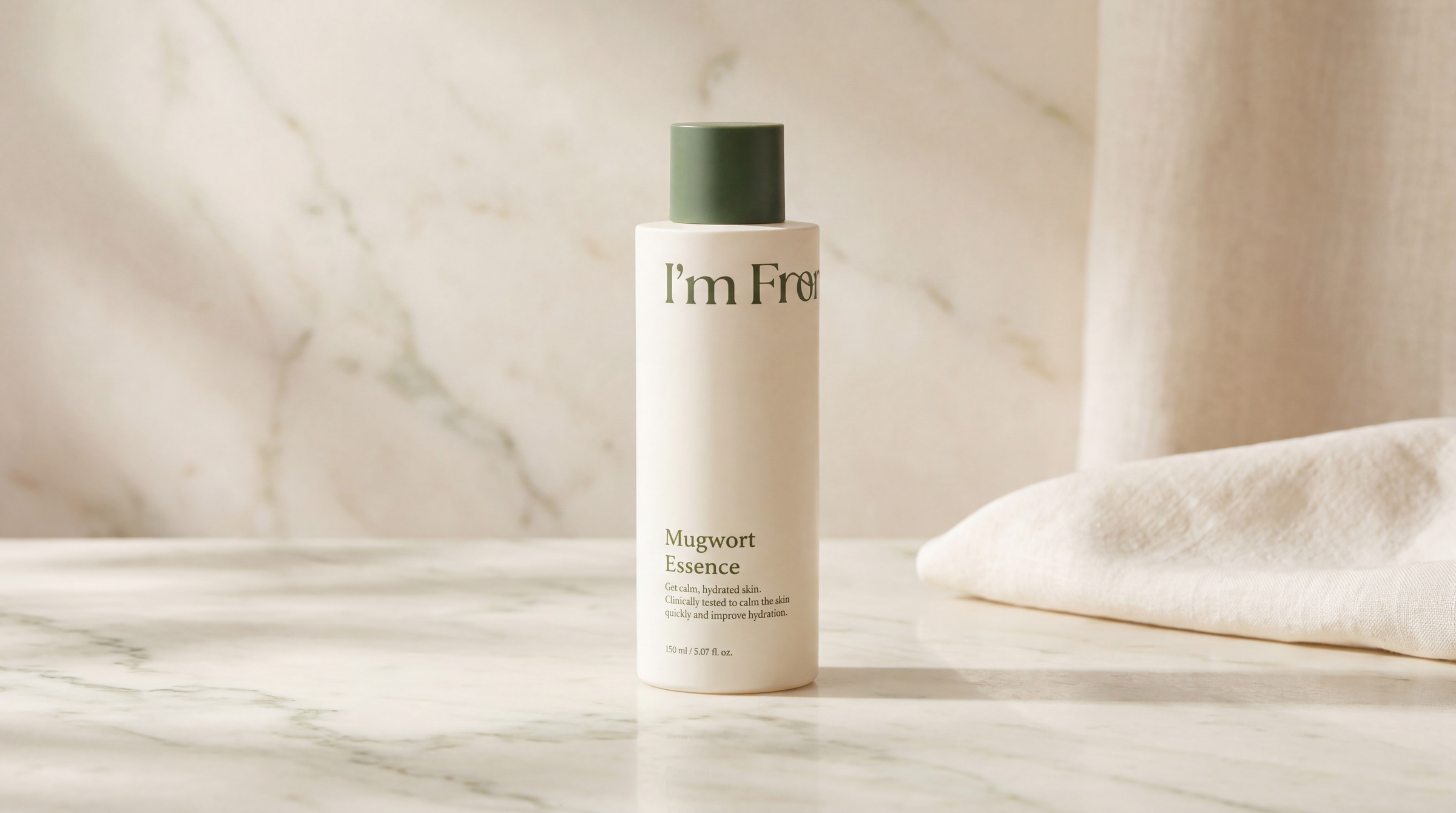
  1. I’m From Mugwort Essence

    • Approx. USD Price: $40 for 160ml
    • Key Selling Points: This is arguably the most iconic mugwort product, and for good reason. It contains a staggering 100% pure mugwort extract, specifically Artemisia Princeps grown on Ganghwa Island in Korea. It’s a single-ingredient powerhouse, making it ideal for those who want to experience mugwort in its purest form without any other potential irritants. The texture is watery and lightweight, absorbing quickly without stickiness.
    • Why it’s great for sensitive skin: Its minimalist formulation means less chance of irritation. The high concentration of mugwort delivers maximum soothing and redness reduction, making it a go-to for calming angry, inflamed skin. It feels incredibly gentle and refreshing.
  2. Missha Time Revolution Artemisia Treatment Essence

    • Approx. USD Price: $40-50 for 150ml
    • Key Selling Points: Similar to I’m From, this essence boasts 100% mugwort extract, but with a unique twist: it’s double-fermented. The mugwort is first fermented in a warm environment and then a second time in a cool environment. Fermentation can break down active ingredients into smaller, more bioavailable molecules, potentially increasing their efficacy and absorption. It has a slightly thicker, more viscous texture than the I’m From essence but still absorbs beautifully.
    • Why it’s great for sensitive skin: The fermentation process can enhance the soothing and antioxidant properties of mugwort. Many users with sensitive skin find fermented ingredients incredibly beneficial for strengthening the skin barrier and promoting overall skin health, leading to less reactivity over time. It’s a deeply nourishing and calming treatment.
  3. Beauty of Joseon Calming Serum: Green Tea + Panthenol

    • Approx. USD Price: $15-20 for 30ml
    • Key Selling Points: While green tea and panthenol are in the name, this serum also prominently features Artemisia Vulgaris Extract as a key calming ingredient. It’s a beautifully balanced blend designed to soothe, hydrate, and protect. Green tea provides additional antioxidant and anti-inflammatory benefits, while panthenol (Vitamin B5) is a fantastic humectant and skin barrier supporter. The texture is light, non-sticky, and layers well.
    • Why it’s great for sensitive skin: This serum offers a comprehensive calming approach. The mugwort works with green tea to reduce redness and inflammation, while panthenol ensures the skin barrier remains strong and hydrated. It’s an excellent choice for sensitive skin that might also be prone to occasional breakouts or just needs a gentle, daily dose of calm.
  4. Round Lab Mugwort Calming Toner

    • Approx. USD Price: $20-25 for 200ml
    • Key Selling Points: Round Lab is known for its high-quality, gentle formulations, and their Mugwort Calming Toner is no exception. It features mugwort extract from Geomun Island, known for its pristine environment. This toner is designed to be a refreshing and soothing step after cleansing, prepping the skin for subsequent treatments. It also contains Madecassoside (a cica derivative) for added calming and barrier support.
    • Why it’s great for sensitive skin: This toner is perfect for daily use to keep sensitivity at bay. The mugwort provides consistent anti-inflammatory benefits, while the inclusion of Madecassoside boosts its soothing power. Its lightweight, hydrating texture makes it suitable for all skin types, especially those needing a gentle reset after cleansing.
  5. Isntree Spot Saver Mugwort Ampoule

    • Approx. USD Price: $25-30 for 50ml
    • Key Selling Points: This ampoule is a popular choice for targeted soothing and redness reduction. It contains 85% mugwort extract, making it highly concentrated, alongside other beneficial ingredients like glycerin for hydration and licorice root extract for brightening and further anti-inflammatory effects. It has a slightly thicker, more concentrated feel than an essence but still absorbs beautifully.
    • Why it’s great for sensitive skin: The high percentage of mugwort ensures potent soothing for areas of concern or overall facial redness. It’s particularly effective for calming inflamed spots or areas of irritation without being harsh or drying. The addition of licorice root extract also helps with evening skin tone, which can be a bonus for sensitive skin prone to post-inflammatory erythema.

How to patch test and introduce it

Even the most gentle and natural ingredients can sometimes trigger a reaction, especially if your skin is highly sensitive or you have specific allergies. Mugwort, while generally well-tolerated, is part of the Asteraceae (Daisy) plant family. If you have known allergies to plants in this family (like ragweed, chamomile, or marigolds), it’s crucial to exercise caution.

Here’s how to safely introduce mugwort into your routine:

  1. Always Patch Test First:

    • Apply a small amount of the product to an inconspicuous area of your skin, such as behind your ear, on your inner forearm, or a small spot on your neck.
    • Leave it on for at least 24-48 hours without rinsing.
    • Monitor the area for any signs of redness, itching, burning, swelling, or irritation. If you experience any discomfort, wash off the product immediately and discontinue use.
    • If no reaction occurs, you can proceed to introduce it to your face.
  2. Start Slowly and Observe:

    • When you first apply it to your face, begin by using it only 2-3 times a week. This allows your skin to gradually adjust and helps you identify any potential delayed reactions.
    • Pay close attention to how your skin feels and looks over the next few days. Is there less redness? Does it feel calmer? Or do you notice any new irritation?
    • If your skin responds well, you can gradually increase the frequency to once a day, or even twice a day, as desired.
  3. Where it Fits in Your Routine:

    • Mugwort products, especially essences, toners, and ampoules, are typically used after cleansing and toning, and before heavier serums, moisturizers, and SPF.
    • Example Routine: Cleanser -> Toner (optional) -> Mugwort Essence/Ampoule -> Serum (if using another) -> Moisturizer -> SPF (morning).
    • Its lightweight texture makes it easy to layer without feeling heavy or sticky.

By following these steps, you can safely explore the benefits of mugwort and integrate it into your regimen with confidence.

Frequently Asked Questions

Is mugwort good for acne?

Yes, mugwort can be beneficial for acne-prone skin, particularly for inflamed breakouts. While it’s not a direct acne treatment in the way salicylic acid or benzoyl peroxide are, its potent anti-inflammatory and mild antibacterial properties can significantly help calm angry, red blemishes. It reduces the redness and irritation associated with acne, promoting a more balanced and soothed complexion. For sensitive, acne-prone skin, mugwort can be an excellent supporting ingredient to alleviate discomfort and improve the appearance of inflamed spots without being harsh or drying.

Can I use mugwort if I have rosacea?

Mugwort can be a fantastic ingredient for those with rosacea. Its powerful anti-inflammatory and redness-reducing capabilities directly address key symptoms of rosacea, such as flushing, persistent redness, and sensitivity. Many individuals with rosacea find mugwort products incredibly soothing and effective at calming flare-ups and reducing overall skin reactivity. However, as rosacea-prone skin is inherently very reactive, always perform a patch test first and introduce it slowly into your routine. For more comprehensive care, you might find our guide on a Korean routine for rosacea helpful.

Does mugwort interact with other skincare ingredients?

Generally, mugwort is incredibly gentle and plays well with most other skincare ingredients. It’s known for its calming properties, which means it can actually complement and even mitigate potential irritation from stronger actives. You can safely incorporate mugwort alongside retinoids, vitamin C, AHAs, BHAs, and other treatment serums. In fact, using a mugwort essence before or after a more potent active can help soothe the skin and reduce any associated redness or sensitivity, making your overall routine more tolerable and effective. It’s a very versatile and skin-friendly ingredient.

How long does it take to see results from mugwort?

The timeline for seeing results can vary depending on individual skin concerns and the specific product’s concentration. For immediate soothing and a reduction in skin heat or acute irritation, you might feel a difference within minutes to a few hours of application. Visible reduction in redness and overall calming of the complexion typically takes a few days to a couple of weeks of consistent daily use. For long-term benefits like strengthened skin barrier and reduced reactivity, continued use over several weeks to months will yield the best results. Patience and consistency are key with any soothing ingredient.

Verdict

Mugwort is more than just a passing trend; it’s a time-honored botanical that has rightfully earned its place as a cornerstone in K-beauty for sensitive and reactive skin. Its impressive profile of anti-inflammatory, antioxidant, and barrier-supporting compounds makes it an invaluable ally for anyone battling redness, irritation, or a compromised complexion.

What truly sets mugwort apart is its ability to deliver intense soothing and visible calm without harshness. Whether you opt for a pure mugwort essence to drench your skin in its unadulterated goodness, or a thoughtfully blended serum that combines it with other skin-loving ingredients, you’re investing in a gentler, more resilient future for your skin.

If you’ve felt like you’ve tried everything for your sensitive, red, or easily irritated skin, it’s time to give mugwort a serious look. It’s a powerful yet gentle hero that truly lives up to its hype, offering a path to a calmer, happier complexion. At Glow Coded, we wholeheartedly recommend exploring the world of mugwort – your skin might just thank you for it.

Tagged
mugwortartemisiasensitive skinkorean skincaresoothing