We’ve all been there. You’re standing in front of the bathroom mirror with five products lined up, and a small voice in the back of your head says: “Wait, can I actually use these together?” So you open your phone, Google it, and immediately find three articles that contradict each other.
One says vitamin C and niacinamide will cancel each other out. Another says retinol and AHA will melt your face off. A third says you should just use everything at once because “your skin can handle it.” None of them cite a single study.
We spent the last three years figuring this out the hard way. One of us combined an AHA peel with retinol on a Tuesday night and spent the rest of the week looking like a sunburned tomato. Another mixed benzoyl peroxide with a vitamin C serum and genuinely could not understand why neither product was doing anything. These were educational experiences. Painful, but educational.
This guide is everything we wish someone had told us before we started experimenting. Consider it your skincare interaction checker: a full, evidence-based reference for what works together, what doesn’t, and why.
The Golden Rules of Ingredient Layering
Before we get into the specific combinations, there are a few universal principles that apply to every routine. If you remember nothing else from this article, remember these.
Rule 1: pH-Dependent Actives Go First
Some ingredients only work at specific pH levels. Vitamin C (L-ascorbic acid) needs a pH below 3.5. AHAs work best between pH 3 and 4. BHAs need a pH around 3 to 4 as well. If you apply these after a product that raises your skin’s pH, they become significantly less effective.
Always apply pH-dependent actives right after cleansing, on dry skin. Give them a minute or two to absorb before moving on. We covered this in detail in our serum layering guide.
Rule 2: Thinnest to Thickest Consistency
Water-based products first, then gels, then light lotions, then oils, then creams. A watery serum cannot penetrate through a thick cream. The physics are straightforward: small molecules first, larger molecules after.
Rule 3: Less Is More with Actives
Using more active ingredients does not mean faster results. It often means more irritation for zero additional benefit. Two or three well-chosen actives will outperform a bathroom shelf full of conflicting products every single time.
Rule 4: When in Doubt, Separate AM and PM
If two ingredients have a “caution” rating, the simplest fix is to use one in the morning and the other at night. You still get the benefits of both without any interaction risk. This is the strategy we default to for almost every potentially tricky combination.
Rule 5: Introduce One New Active at a Time
When adding a new ingredient to your routine, give your skin at least two weeks to adjust before introducing another. If you start two new actives simultaneously and your skin reacts, you’ll have no idea which one caused the problem.
The Compatibility Chart
This is the reference table. Bookmark it, screenshot it, tape it to your bathroom mirror. We built this from published research, dermatologist guidance, and a frankly unreasonable amount of personal trial and error.
| Vitamin C | Niacinamide | Retinol | AHA | BHA | PHA | Hyaluronic Acid | Centella | Peptides | Benzoyl Peroxide | |
|---|---|---|---|---|---|---|---|---|---|---|
| Vitamin C | — | ✅ Safe | ⚠️ Caution | ⚠️ Caution | ⚠️ Caution | ✅ Safe | ✅ Safe | ✅ Safe | ⚠️ Caution | ❌ Avoid |
| Niacinamide | ✅ Safe | — | ✅ Safe | ✅ Safe | ✅ Safe | ✅ Safe | ✅ Safe | ✅ Safe | ✅ Safe | ✅ Safe |
| Retinol | ⚠️ Caution | ✅ Safe | — | ❌ Avoid | ❌ Avoid | ⚠️ Caution | ✅ Safe | ✅ Safe | ⚠️ Caution | ❌ Avoid |
| AHA | ⚠️ Caution | ✅ Safe | ❌ Avoid | — | ⚠️ Caution | ✅ Safe | ✅ Safe | ✅ Safe | ✅ Safe | ⚠️ Caution |
| BHA | ⚠️ Caution | ✅ Safe | ❌ Avoid | ⚠️ Caution | — | ✅ Safe | ✅ Safe | ✅ Safe | ✅ Safe | ⚠️ Caution |
| PHA | ✅ Safe | ✅ Safe | ⚠️ Caution | ✅ Safe | ✅ Safe | — | ✅ Safe | ✅ Safe | ✅ Safe | ✅ Safe |
| Hyaluronic Acid | ✅ Safe | ✅ Safe | ✅ Safe | ✅ Safe | ✅ Safe | ✅ Safe | — | ✅ Safe | ✅ Safe | ✅ Safe |
| Centella | ✅ Safe | ✅ Safe | ✅ Safe | ✅ Safe | ✅ Safe | ✅ Safe | ✅ Safe | — | ✅ Safe | ✅ Safe |
| Peptides | ⚠️ Caution | ✅ Safe | ⚠️ Caution | ✅ Safe | ✅ Safe | ✅ Safe | ✅ Safe | ✅ Safe | — | ✅ Safe |
| Benzoyl Peroxide | ❌ Avoid | ✅ Safe | ❌ Avoid | ⚠️ Caution | ⚠️ Caution | ✅ Safe | ✅ Safe | ✅ Safe | ✅ Safe | — |
Key: ✅ Safe to use together | ⚠️ Use with caution (separate AM/PM or buffer) | ❌ Avoid using in the same routine
A few things to notice. Hyaluronic acid and centella are the peacekeepers of skincare. They get along with everything. Niacinamide is almost as friendly. Benzoyl peroxide and retinol are the troublemakers. And the acid exfoliants (AHA/BHA) need careful management around other potent actives.
Now let’s dig into the interactions that actually matter.
Deep Dives: The Interactions You Need to Understand
Retinol + AHA/BHA: The Classic Conflict
Verdict: ❌ Avoid using together
This is the combination that got one of our team members in trouble. Retinol increases cell turnover. AHAs and BHAs exfoliate by dissolving the bonds between dead skin cells. Using both simultaneously is essentially double-exfoliating, and your skin’s barrier is not equipped to handle that level of assault.
The result? Redness, peeling, stinging, dryness, and potentially a compromised moisture barrier that takes weeks to repair. We have a whole guide on retinol for beginners that covers why going slow matters so much.
How to use both safely:
- Alternate nights. Retinol on Monday, Wednesday, Friday. AHA or BHA on Tuesday, Thursday. Weekend off. This is the approach we recommend for most people.
- Separate by timing. AHA/BHA in the morning (though be diligent about sunscreen), retinol at night. This works but isn’t our preferred method since acids can increase sun sensitivity.
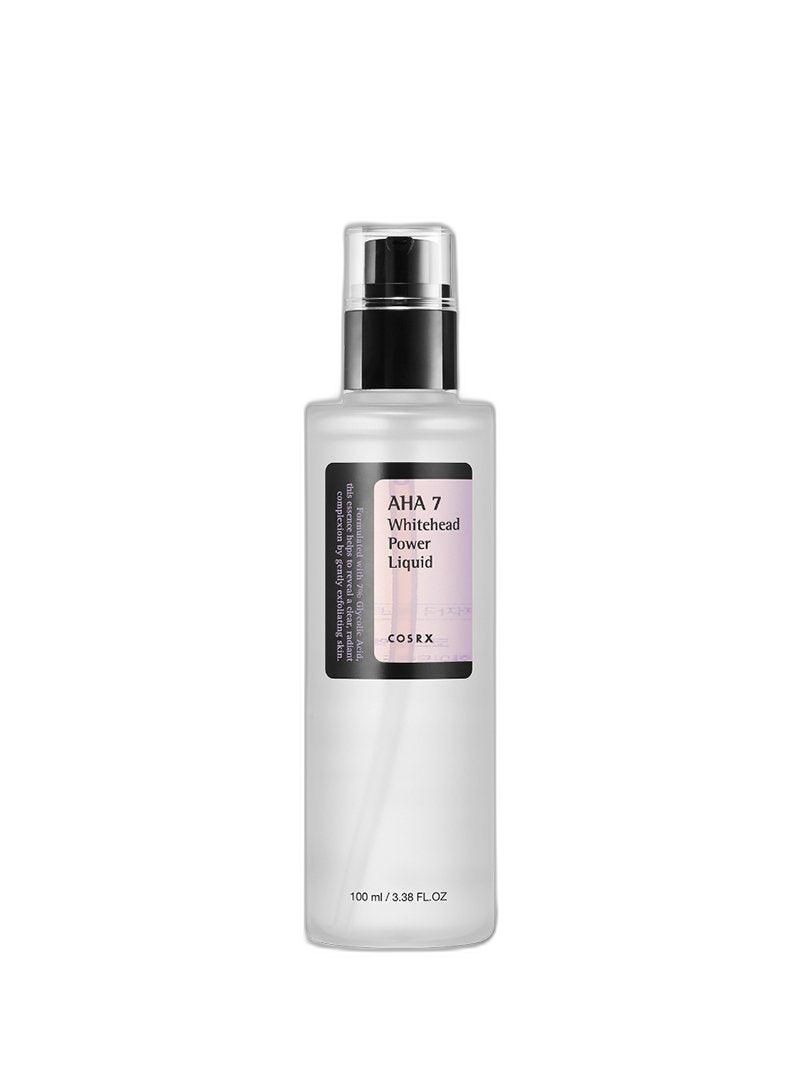
- Use PHA instead. If you want exfoliation alongside retinol, PHAs are the gentler alternative that’s less likely to cause issues. Our AHA vs BHA vs PHA guide breaks down the differences.
Vitamin C + Retinol: The Timing Puzzle
Verdict: ⚠️ Use these at different times (vitamin C in AM, retinol in PM)
These two ingredients are both stars of any advanced routine, but they don’t play well in the same application. The issue is twofold: vitamin C works best at a low pH (under 3.5), while retinol works best at a slightly higher pH (around 5.5 to 6). Applying them together means one of them isn’t at its optimal pH, so you’re undermining the effectiveness of at least one product.
There’s also the irritation factor. Both ingredients can be sensitizing on their own. Layering them increases that risk, especially for anyone who’s still building tolerance.
The fix is simple:
- Vitamin C in the morning. It’s an antioxidant that pairs beautifully with sunscreen, boosting your UV protection. This is its natural home. For the sunscreen step, see our picks for the best Korean sunscreens for oily skin.
- Retinol at night. Retinol degrades in sunlight and works best during your skin’s overnight repair cycle. This is its natural home.
No conflict, no compromise. You get the full benefit of both.
Niacinamide + Vitamin C: The Myth That Won’t Die
Verdict: ✅ Totally fine together. Layer vitamin C first, then niacinamide.
This is the biggest myth in skincare, and it somehow persists despite being thoroughly debunked. The claim is that niacinamide and vitamin C cancel each other out or produce niacin (which causes flushing). Let’s put this to rest.
The original concern comes from a study conducted in the 1960s that mixed pure ascorbic acid with pure niacinamide in a solution at extremely high temperatures. Under those extreme lab conditions, yes, a reaction occurred. But your face is not a heated test tube. At normal skin temperature, with the concentrations used in modern skincare products, this reaction does not happen to any meaningful degree.
Multiple modern studies have confirmed that niacinamide and vitamin C work well together. In fact, they complement each other: vitamin C brightens and provides antioxidant protection, while niacinamide strengthens the barrier and controls oil. We covered this extensively in our niacinamide vs vitamin C breakdown.
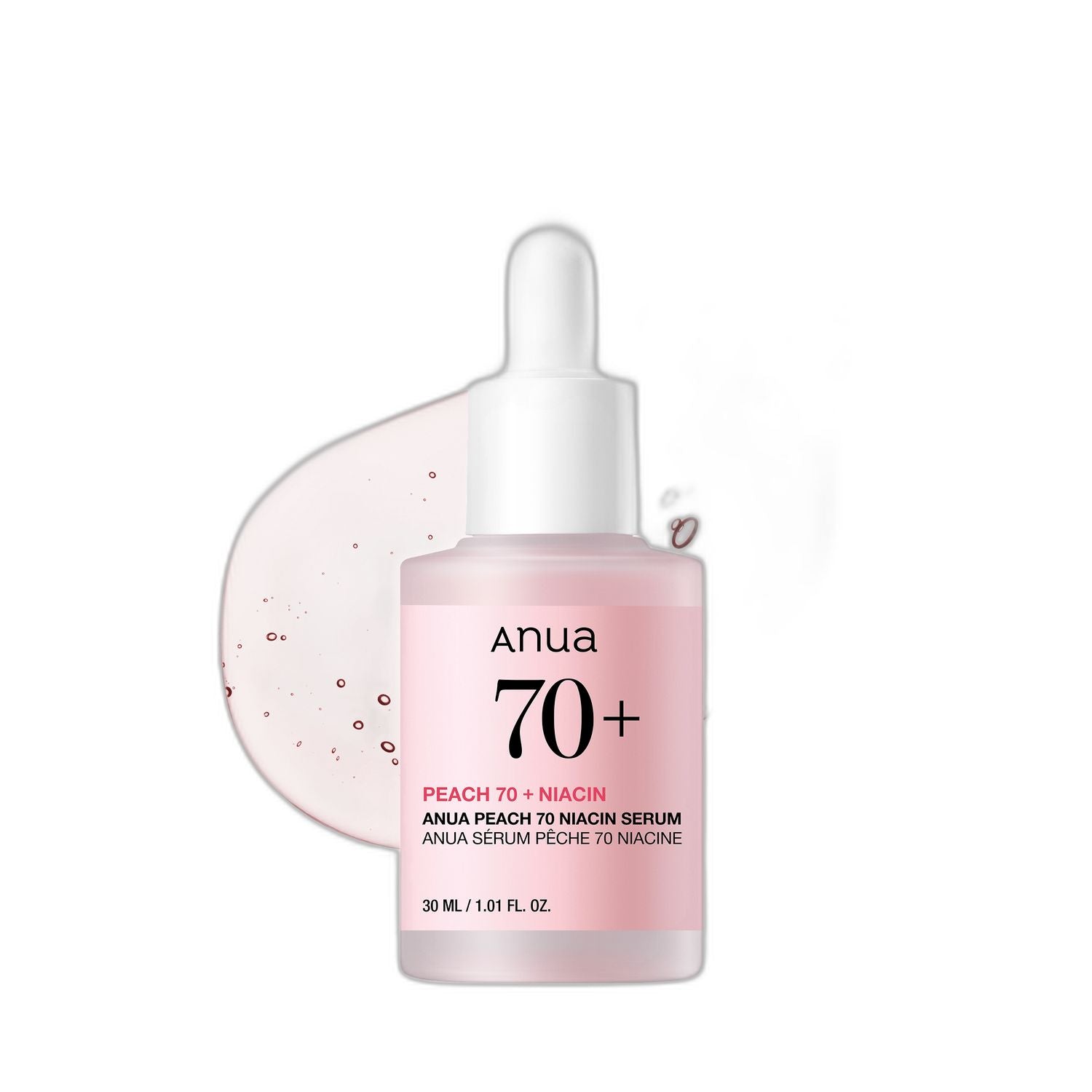
How we use them: Vitamin C serum on clean skin first (it needs the lower pH of freshly cleansed skin), wait a minute, then niacinamide serum on top. Or vitamin C in the morning and niacinamide at night if your skin is very sensitive. Either approach works perfectly.
Want to check your full routine for conflicts? Try our interactive Ingredient Conflict Checker — select your products and see all interactions instantly.
AHA/BHA + Vitamin C: The pH Problem
Verdict: ⚠️ Don’t stack these. Vitamin C in the morning, acids in the evening.
Both AHAs/BHAs and vitamin C (L-ascorbic acid) require a low pH to work effectively. In theory, that sounds like they should get along. In practice, the problem is competition. Both ingredients are trying to do their work at a similar pH range, and they end up interfering with each other’s penetration and efficacy.
There’s also the irritation stacking: acid exfoliation followed immediately by a low-pH vitamin C serum is a lot of acid activity for your skin to handle at once.
How to use both safely:
- Different times of day. Vitamin C in the morning, AHA/BHA in the evening. This is the cleanest solution.
- Different days. Vitamin C daily, AHA/BHA two to three times per week on alternate evenings.
- Wait time. If you absolutely must use both in the same routine (we don’t recommend it), apply the acid first, wait 20 to 30 minutes for the pH to normalize, then apply vitamin C. It’s tedious, and most people won’t stick with it.
Retinol + Benzoyl Peroxide: They Cancel Each Other Out
Verdict: ❌ Avoid using together
This one is straightforward chemistry. Benzoyl peroxide is an oxidizing agent. Retinol is easily oxidized. When you apply them together, the benzoyl peroxide literally degrades the retinol molecule, rendering it inactive. You’re essentially wasting your retinol.
This isn’t just a theoretical concern. Studies have confirmed that benzoyl peroxide can degrade up to 50% of the retinol applied alongside it. You’re paying for a retinol product and then destroying half of it.
How to use both safely:
- Separate AM and PM. Benzoyl peroxide in the morning (it works well as a spot treatment under sunscreen), retinol at night.
- Alternate nights. Benzoyl peroxide one night, retinol the next. This is particularly useful for acne-prone skin that benefits from both ingredients.
One exception worth noting: adapalene (Differin) is a synthetic retinoid that has been shown to be stable alongside benzoyl peroxide. In fact, some prescription products combine them intentionally. But over-the-counter retinol does not share this stability.
Vitamin C + Benzoyl Peroxide: Another Oxidation Problem
Verdict: ❌ Avoid using together
Same principle as retinol plus benzoyl peroxide. Benzoyl peroxide oxidizes vitamin C, especially L-ascorbic acid, breaking it down before it can do anything useful. The vitamin C turns orange-brown (a sign of oxidation) and loses its antioxidant and brightening properties.
The fix: Benzoyl peroxide in the PM (if needed for acne), vitamin C in the AM. They never need to meet.
Peptides + Vitamin C: A Nuanced One
Verdict: ⚠️ The low pH of vitamin C can break down peptides. Split them AM/PM.
Peptides are short chains of amino acids that signal your skin to produce more collagen, elastin, or other structural proteins. They work best at a neutral to slightly acidic pH (around 5 to 7). Vitamin C (L-ascorbic acid) requires a pH below 3.5.
The low pH environment that makes vitamin C effective can break peptide bonds, rendering them less effective. It’s not dangerous, but it means you’re potentially wasting one of two expensive products.
The fix: Vitamin C in the morning, peptide serums in the evening. Or if you use both at night, apply vitamin C first, wait 10 to 15 minutes for the pH to normalize, then apply peptides.
Peptides + Retinol: Proceed with Care
Verdict: ⚠️ Workable if you buffer. Apply retinol first, wait, then peptide moisturizer on top.
This combination gets a caution rather than an avoid. Some studies suggest that certain peptides may actually enhance retinol’s efficacy. But the irritation potential of retinol means stacking it with active peptide serums can be too much for sensitive skin.
Our approach: Apply retinol, wait for it to absorb (5 to 10 minutes), then apply a peptide-containing moisturizer on top. The moisturizer creates a buffer, and many excellent K-beauty moisturizers include peptides in their formulations, making this a natural pairing.
The Friendly Ingredients: What Always Plays Nice
Not every interaction is complicated. Some ingredients are universally compatible, and building your routine around them is the simplest way to avoid problems.
Hyaluronic Acid
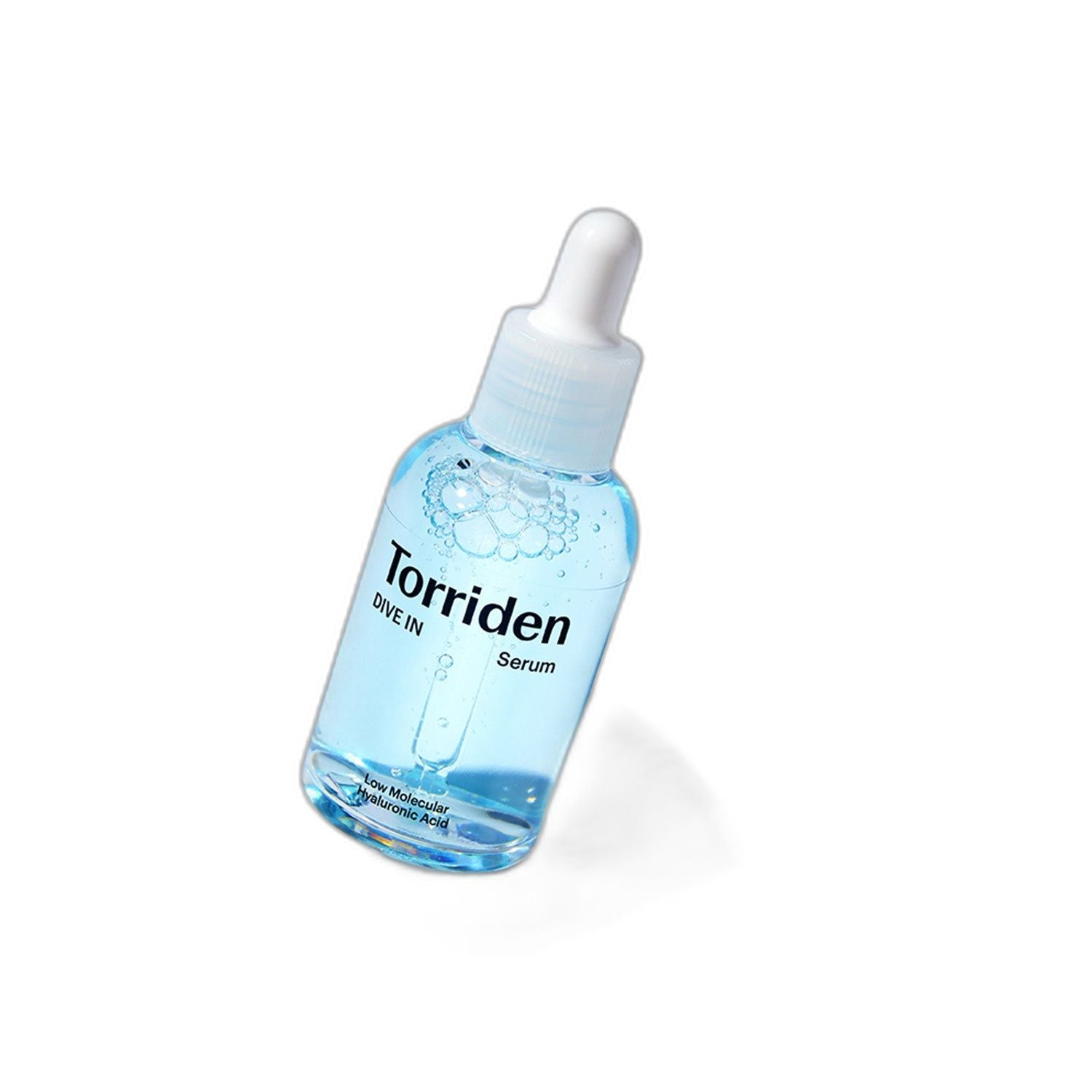
Gets along with everything. Literally everything. It’s a humectant that holds moisture, and it doesn’t interfere with any active ingredient. Use it freely in any routine, at any time. The only rule: apply it to damp skin so it has moisture to hold onto.
Centella Asiatica (Cica)
Another universal peacekeeper. Centella is anti-inflammatory and promotes healing, which makes it an excellent ingredient to pair with anything that might irritate your skin. Using retinol and experiencing some redness? Layer centella over it. Just finished an acid exfoliation? Centella calms the aftermath. Read more in our K-Beauty ingredients guide.
Niacinamide
Safe with almost everything on this list. The only historical concern was with vitamin C, and as we discussed above, that’s been debunked. Niacinamide is the Swiss army knife of skincare: it controls oil, strengthens the barrier, reduces redness, and plays well with others.
Ceramides and Fatty Acids
These are barrier-repair ingredients found in moisturizers. They’re not active ingredients in the traditional sense, which means they have zero conflict with any active. In fact, they enhance the tolerability of irritating actives by maintaining barrier integrity.
Sample Routines: Putting It All Together
Theory is great, but what does a safe, well-constructed routine actually look like? Here are two templates we use and recommend.
The Brightening + Anti-Aging Routine
Morning:
- Gentle cleanser
- Vitamin C serum (on dry skin, wait 1 to 2 minutes)
- Niacinamide serum
- Hyaluronic acid (on damp skin)
- Moisturizer with ceramides
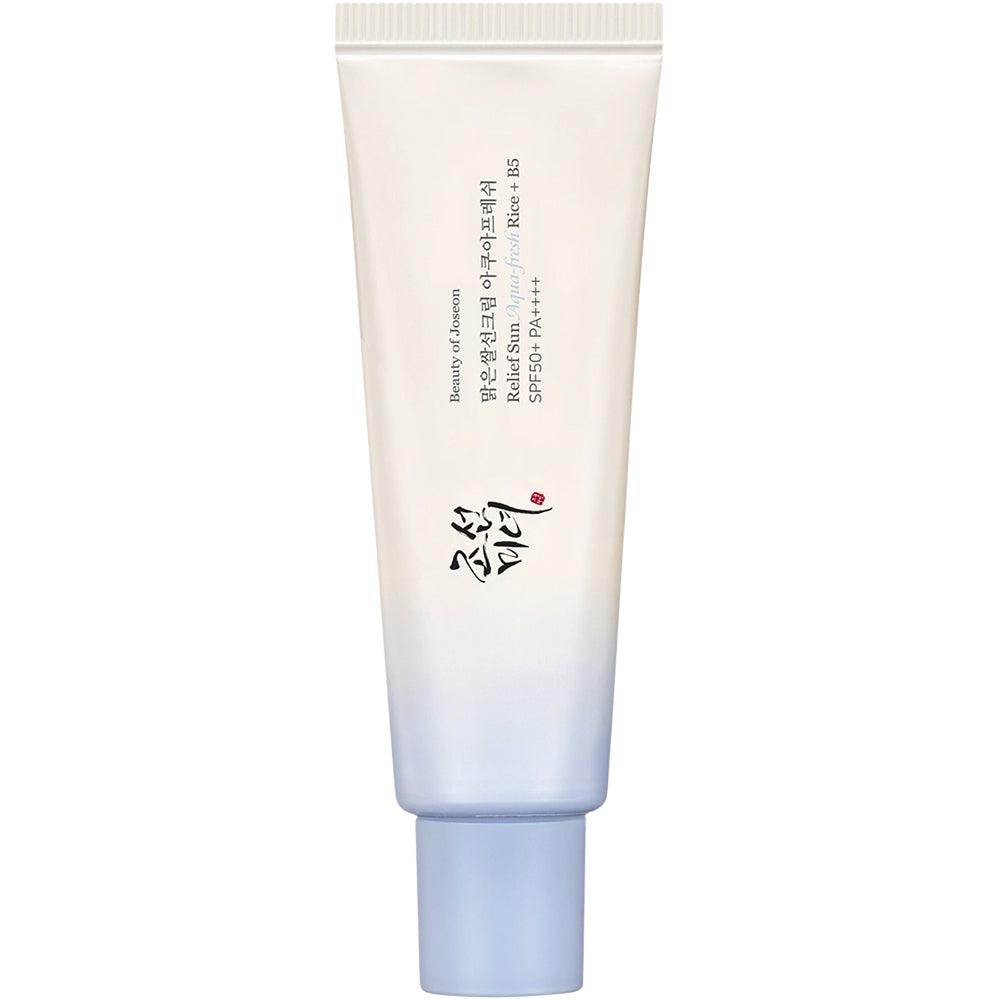
- Sunscreen SPF 50+
Evening:
- Oil cleanser (if wearing sunscreen/makeup)
- Water-based cleanser
- Retinol serum (start 2 to 3 nights per week)
- Centella serum or cream (to calm any retinol sensitivity)
- Moisturizer with peptides
Why this works: Vitamin C and retinol are separated by time of day. Niacinamide pairs safely with vitamin C. Centella buffers the retinol. No conflicting pH requirements.
The Acne-Prone Routine
Morning:
- Low-pH gel cleanser
- Niacinamide serum (oil control)
- Lightweight moisturizer
- Sunscreen SPF 50+
Evening (alternating nights):
Night A, Exfoliation night:
- Gentle cleanser
- BHA liquid (wait 15 to 20 minutes)
- Centella gel cream
- Lightweight moisturizer
Night B, Treatment night:
- Gentle cleanser
- Retinol serum (once tolerance is built)
- Hyaluronic acid
- Moisturizer with ceramides
Night C, Rest night:
- Gentle cleanser
- Hyaluronic acid
- Rich moisturizer (barrier recovery)
Why this works: BHA and retinol are never used on the same night. There’s a rest night for barrier recovery. Niacinamide in the morning provides oil control without conflicting with any evening actives.
Common Myths We Need to Debunk
”You should never mix acids”
Not true. AHA and BHA can be used in the same routine or even the same product (several K-beauty products combine them intentionally). The caution is about AHA/BHA combined with other strong actives like retinol or high-concentration vitamin C. Acids with acids is generally fine if the total concentration is reasonable.
”Natural ingredients are always safe to combine”
Essential oils, high-concentration plant extracts, and botanical acids can be just as irritating as synthetic actives. Tea tree oil plus retinol is a recipe for irritation. Just because an ingredient is “natural” does not mean it’s gentle or universally compatible.
”If a product doesn’t sting, it’s not working”
This is dangerously wrong. Stinging means irritation. Some actives cause a brief tingling (like a vitamin C serum at high concentration), but persistent stinging means your barrier is compromised or the product is too strong. Effective skincare should not hurt.
”You need to wait 30 minutes between every product”
Wait times are only necessary for pH-dependent actives (vitamin C, AHA, BHA) and even then, recent research suggests that a 1 to 2 minute wait is sufficient for most formulations. For everything else, just let each layer absorb until it no longer feels wet, usually 30 to 60 seconds, then move on.
”More actives = better results”
Diminishing returns are real. After two to three well-chosen actives, each additional one adds marginal benefit while increasing the risk of irritation and interaction problems. A simple, consistent routine will always outperform a complicated one that you keep changing. For help building a streamlined approach, our guide on how to layer serums covers the practical application in detail.
When to Seek Professional Help
If you’ve been careful with combinations and you’re still experiencing persistent redness, burning, peeling, or breakouts, it’s time to see a dermatologist. Some skin conditions (rosacea, eczema, contact dermatitis) can mimic product reactions, and no compatibility chart can diagnose those.
Also, if you’re using prescription actives (tretinoin, prescription azelaic acid, hydroquinone), the interaction rules are different and more serious. Always check with your prescribing doctor before adding over-the-counter actives to a prescription routine.
For more on how your overall lifestyle affects skin recovery, see The Sleep-Stress-Skin Wellness Triangle on Rooted Glow.
Quick Reference: The Cheat Sheet
Always safe together:
- Hyaluronic acid + anything
- Centella + anything
- Niacinamide + almost anything
- Ceramides + anything
Separate AM and PM:
- Vitamin C + retinol
- Vitamin C + AHA/BHA (or alternate days)
Never in the same routine:
- Retinol + AHA/BHA
- Retinol + benzoyl peroxide
- Vitamin C + benzoyl peroxide
Debunked conflicts (actually fine together):
- Niacinamide + vitamin C
- AHA + BHA (in reasonable concentrations)
Frequently Asked Questions
Can you use two serums together?
Yes, absolutely. The key is choosing serums with compatible active ingredients (check the chart above) and applying them in the right order: thinnest consistency first, then thicker ones. Two to three serums is the sweet spot. More than that and you increase the risk of pilling, irritation, and diminishing returns. Our serum layering guide covers the ordering rules in detail.
Can I use vitamin C and niacinamide in the same routine?
Yes. This is one of the most persistent myths in skincare, but modern research confirms they work fine together. Apply vitamin C first (it needs the lower pH of freshly cleansed skin), wait a minute, then apply niacinamide. Or use vitamin C in the morning and niacinamide at night if you prefer simplicity. Read our full comparison in Niacinamide vs Vitamin C.
What happens if I use retinol and AHA together?
You’re likely to experience significant irritation: redness, peeling, dryness, and possibly a damaged moisture barrier. Both ingredients increase cell turnover, and combining them overwhelms your skin’s ability to recover. Alternate nights instead, and always use a good moisturizer and sunscreen.
Is it safe to use AHA and BHA on the same night?
In most cases, yes. Many K-beauty products combine AHA and BHA in a single formula. The caution is about concentration: if you’re using a strong AHA peel followed by a strong BHA toner, that’s probably too much. A gentle combined product, or one of each at moderate strength, is typically well-tolerated. See our AHA vs BHA vs PHA guide for product recommendations.
How long should I wait between applying different actives?
For pH-dependent actives (vitamin C, AHA, BHA), wait 1 to 2 minutes after application to let them work at the correct pH before layering other products. For everything else, simply wait until the product feels absorbed (not wet or tacky on the skin), usually 30 to 60 seconds. The old advice of waiting 20 to 30 minutes between each step is overkill for most modern formulations.
Can I use benzoyl peroxide with my Korean skincare routine?
Yes, but you need to be strategic. Benzoyl peroxide deactivates retinol and vitamin C, so never apply them at the same time. Use benzoyl peroxide as a morning spot treatment or on alternate evenings from your retinol nights. Niacinamide, hyaluronic acid, and centella are all safe to use alongside benzoyl peroxide and can help counteract the dryness it causes.
What’s the safest active ingredient to start with?
Niacinamide. It’s compatible with virtually everything, it’s non-irritating for the vast majority of skin types, and it addresses multiple concerns (oil control, barrier strength, redness, pore appearance). It’s the one ingredient on this entire chart with no serious conflicts. If you’re new to actives and K-Beauty ingredients, start here and add other actives one at a time over the following months.
My skin is sensitive. Can I still use actives?
Yes, but choose carefully. Start with niacinamide and hyaluronic acid, both of which are calming and well-tolerated. When you’re ready to add more, look at PHAs (gentler than AHA/BHA), low-concentration retinol (0.025% to 0.05%), or derivative forms of vitamin C like ascorbyl glucoside. Centella is also excellent for sensitive skin as a soothing base that pairs with any active. Build slowly, and give your skin at least two weeks to adjust to each new addition.
If you’re pregnant, the compatibility question extends to safety categories beyond just interactions. Our pregnancy-safe Korean skincare guide maps out exactly which actives to avoid, which are in a gray zone, and which K-beauty swaps keep your routine effective throughout pregnancy.