Peptides have been a quiet powerhouse in K-beauty for years, working diligently behind the scenes to help your skin bounce back, feel firmer, and look smoother. While the spotlight often shines on flashier ingredients like retinol or vitamin C, peptides are the unsung heroes building the very foundation of youthful skin. But what exactly are these tiny titans, and how do they deliver on their promise of firmer skin?
At Glow Coded, we’re all about cutting through the marketing hype to bring you the honest truth. So, let’s dive deep into the world of peptides, dissecting their types, comparing them to other skincare giants, and revealing the Korean products that truly deliver.
Why peptides matter (and what they aren’t)
Think of your skin as a magnificent building. Collagen and elastin are the steel beams and flexible supports that keep it strong, supple, and firm. As we age, these crucial proteins naturally deplete, leading to sagging, fine lines, and a loss of elasticity. This is where peptides step in.
What are peptides? In the simplest terms, peptides are short chains of amino acids. And what are amino acids? They’re the fundamental building blocks of proteins. When these short chains link together, they form longer chains, eventually becoming full-fledged proteins like collagen, elastin, and keratin – all vital for healthy, resilient skin.
However, peptides aren’t just raw materials. Many of them act as messengers or signals to your skin cells. They tell your cells what to do – “Hey, produce more collagen!” or “Time to heal this wound!” This signaling ability is what makes them so incredibly valuable in anti-aging and skin repair.
What peptides aren’t:
- A magic bullet for instant results: While they are incredibly effective, peptides work by signaling natural processes in your skin. This takes time and consistency, not an overnight transformation.
- A direct replacement for collagen/elastin: You can’t just apply collagen topically and expect it to integrate into your skin’s structure. Collagen molecules are too large to penetrate effectively. Peptides, being much smaller, can penetrate and signal your skin to produce its own collagen. This is a crucial distinction.
- Always a one-size-fits-all solution: There are many different types of peptides, each with a unique function. A product might contain one or several, targeting different skin concerns.
- Always interchangeable with retinol: While both are powerful anti-agers, they work through different mechanisms and have distinct benefits and drawbacks, which we’ll explore shortly.
The beauty of peptides lies in their sophistication and their generally gentle nature. They empower your skin to help itself, making them a fantastic addition for almost any skin type, especially those seeking effective anti-aging without the potential irritation of stronger actives.
The 4 peptide types explained
The world of peptides can seem complex, with names like “Palmitoyl Pentapeptide-4” and “Acetyl Hexapeptide-8” sounding like something out of a science fiction novel. But understanding their basic categories helps demystify their roles. There are four main types of peptides commonly used in skincare, each with a distinct superpower:
1. Signal Peptides: The Collagen Boosters
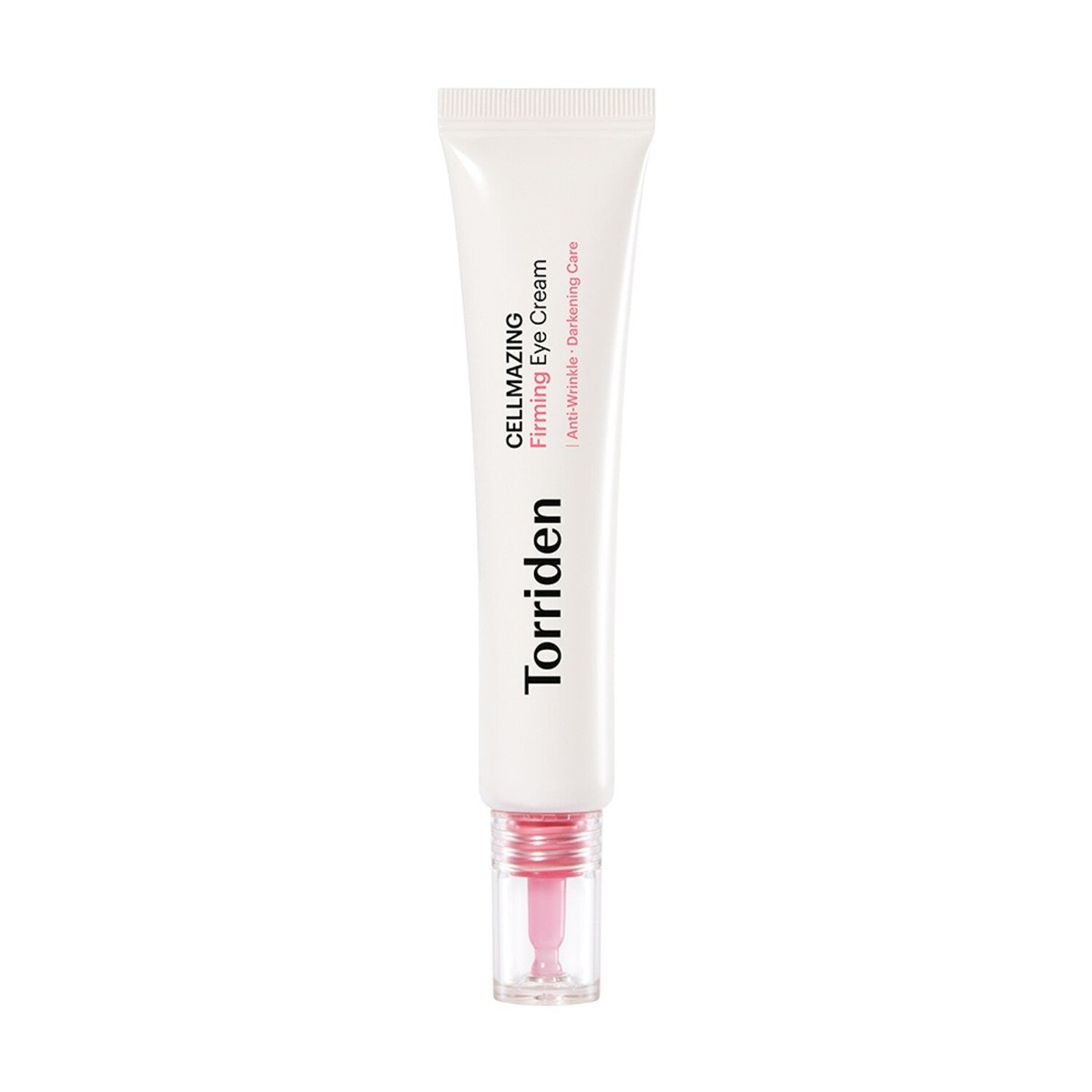
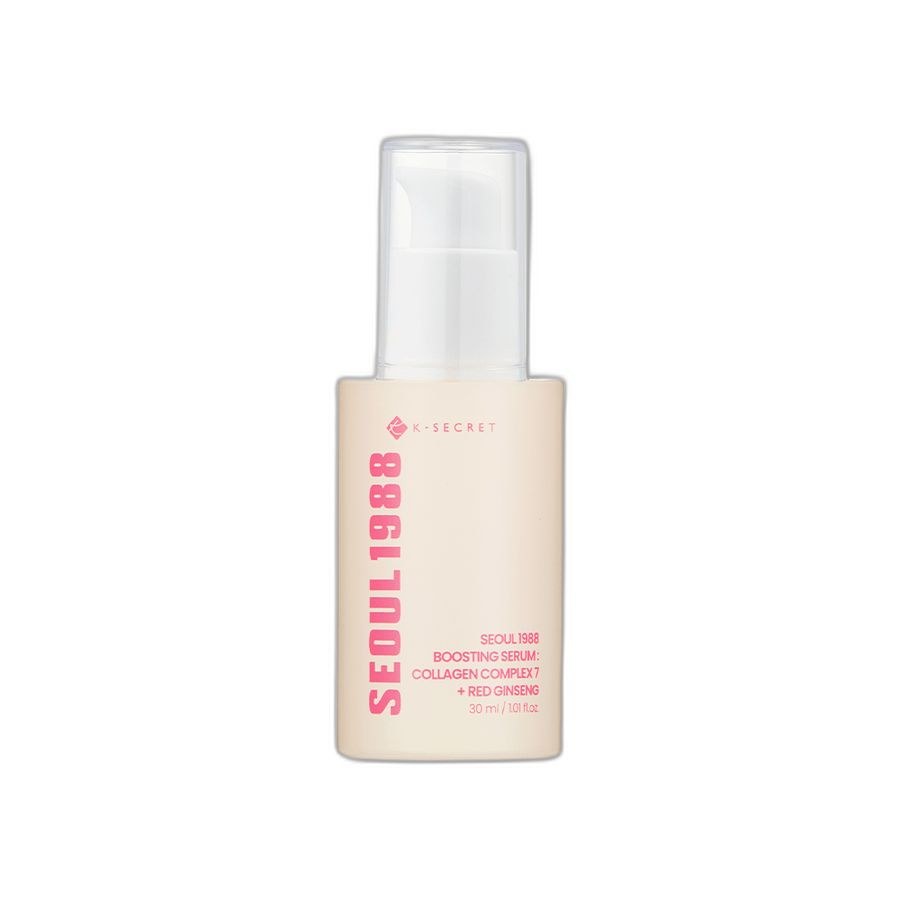
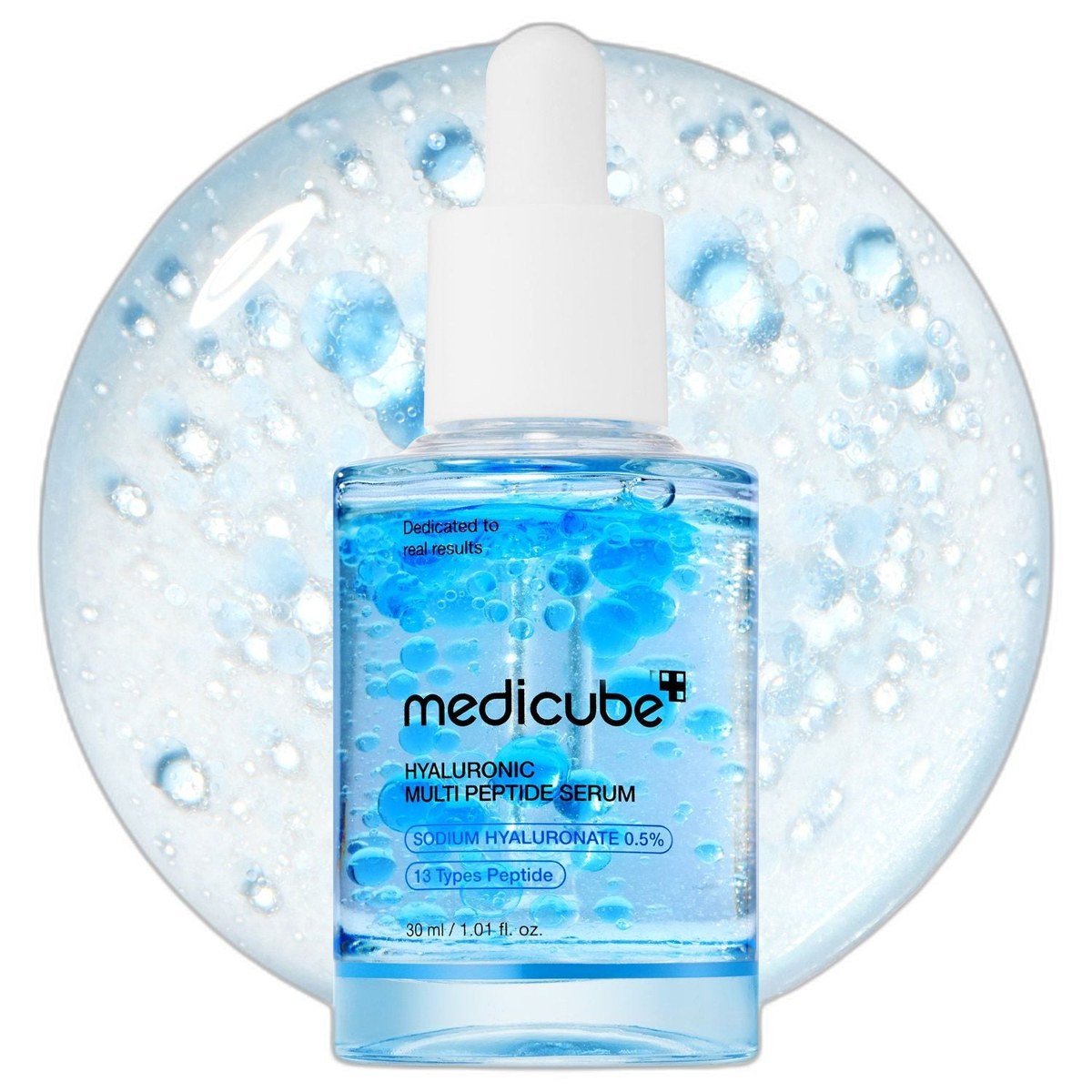
- How they work: These are the ultimate cheerleaders for your skin. Signal peptides “tell” your skin cells to kickstart the production of essential proteins like collagen, elastin, and even hyaluronic acid. They mimic the natural peptides found in your skin, essentially tricking your cells into thinking they need to ramp up repair and regeneration.
- Benefits: Increased collagen and elastin lead to firmer, plumper skin, improved elasticity, and a reduction in the appearance of fine lines and wrinkles. They help restore the skin’s structural integrity.
- Common examples:
- Palmitoyl Tripeptide-1 & Palmitoyl Tetrapeptide-7 (often seen together as Matrixyl 3000): These are powerhouse anti-aging ingredients, signaling fibroblasts to produce more collagen, elastin, and glycosaminoglycans.
- Palmitoyl Pentapeptide-4 (Matrixyl): Another well-researched signal peptide known for its collagen-boosting abilities.
- Copper Peptides (GHK-Cu): While also acting as carrier peptides (see below), copper peptides are excellent signalers, promoting collagen and elastin synthesis, and having anti-inflammatory and antioxidant properties.
2. Carrier Peptides: The Delivery Service
- How they work: As their name suggests, carrier peptides transport vital trace elements, like copper and manganese, to your skin. These elements are crucial cofactors for various enzymatic processes, including wound healing and collagen synthesis. Think of them as tiny delivery trucks ensuring essential nutrients reach their destination.
- Benefits: Enhanced wound healing, reduced inflammation, improved antioxidant defense, and support for overall skin health and repair. They are particularly beneficial for damaged or compromised skin.
- Common examples:
- Copper Peptides (GHK-Cu): This is the most well-known carrier peptide. The copper ion is essential for enzymes involved in collagen and elastin production, and it also boasts significant wound-healing and anti-inflammatory properties.
3. Enzyme-Inhibitor Peptides: The Collagen Protectors
- How they work: Our skin naturally contains enzymes called matrix metalloproteinases (MMPs) that, while necessary for remodeling, can sometimes become overactive and break down collagen and elastin faster than they can be produced. Enzyme-inhibitor peptides step in to block or slow down the activity of these collagen-degrading enzymes.
- Benefits: By inhibiting the breakdown of existing collagen and elastin, these peptides help preserve the skin’s structure, maintain firmness, and prevent premature aging. They work to keep what you already have.
- Common examples:
- Tripeptide-6: Known for inhibiting MMPs.
- Some peptides derived from rice or soy extracts also exhibit enzyme-inhibiting properties.
4. Neurotransmitter-Blocking Peptides: The “Botox-Like” Relaxers
- How they work: These are perhaps the most intriguing type, often dubbed “topical Botox.” Neurotransmitter-blocking peptides work by interfering with the signals that tell facial muscles to contract. By gently relaxing these muscles, they can smooth out dynamic wrinkles – the lines that form from repetitive facial expressions like frowning or squinting.
- Benefits: Reduction in the appearance of expression lines, such as forehead wrinkles, crow’s feet, and frown lines. They offer a non-invasive way to achieve a smoother, more relaxed complexion.
- Common examples:
- Acetyl Hexapeptide-8 (Argireline): The most famous example, it’s designed to mimic the action of Botox by relaxing muscle contractions.
- Pentapeptide-18 (Leuphasyl): Often used in conjunction with Argireline, it further helps to reduce muscle contraction.
Peptide Types Summary Table
| Peptide Type | How it Works | Key Benefit | Common Examples |
|---|---|---|---|
| Signal Peptides | Tells skin cells to produce more collagen, elastin, hyaluronic acid. | Boosts firmness, elasticity, reduces fine lines. | Palmitoyl Tripeptide-1, Palmitoyl Tetrapeptide-7, Palmitoyl Pentapeptide-4 |
| Carrier Peptides | Delivers trace elements (e.g., copper) essential for healing and repair. | Enhances wound healing, anti-inflammatory, antioxidant support. | Copper Peptides (GHK-Cu) |
| Enzyme-Inhibitor Peptides | Blocks enzymes that break down collagen and elastin. | Preserves existing collagen, maintains skin firmness. | Tripeptide-6 |
| Neurotransmitter-Blocking | Interferes with muscle contraction signals, relaxing expression lines. | Reduces appearance of dynamic wrinkles (forehead, crow’s feet). | Acetyl Hexapeptide-8 (Argireline), Pentapeptide-18 |
Many K-beauty products utilize a blend of these peptide types to offer comprehensive anti-aging benefits, targeting multiple aspects of skin health.
How peptides compare to retinol
It’s natural to wonder how peptides stack up against retinol, the undisputed champion of anti-aging. While both are excellent for promoting youthful skin, they operate through different mechanisms and have distinct profiles.
Retinol (and its derivatives, retinoids):
- Mechanism: Retinol is a vitamin A derivative that works by accelerating cell turnover, promoting collagen production, and inhibiting collagen-degrading enzymes. It also helps to regulate oil production and reduce hyperpigmentation.
- Potency & Side Effects: Retinol is highly potent but can come with side effects like redness, dryness, flaking, and purging, especially during the initial stages. It requires careful introduction and is generally not recommended for very sensitive skin or during pregnancy/nursing.
- Results: Known for delivering significant results in reducing fine lines, wrinkles, acne, and improving overall skin texture and tone. Results can be relatively quicker and more dramatic for deep-seated concerns.
- Best for: Those looking for a powerful, multi-tasking ingredient to address a wide range of aging concerns, acne, and hyperpigmentation, and whose skin can tolerate its potency.
- Learn more: For a deeper dive into this powerhouse ingredient, check out our retinol guide.
Peptides:
- Mechanism: As discussed, peptides are signaling molecules that encourage the skin to produce more collagen, elastin, and other beneficial components, or they relax muscles, carry essential nutrients, or inhibit collagen breakdown. They work with your skin’s natural processes.
- Potency & Side Effects: Peptides are generally much gentler than retinol. They rarely cause irritation, sensitivity, or purging. They are suitable for almost all skin types, including sensitive skin, and are generally considered safe during pregnancy/nursing (always consult your doctor, though!).
- Results: Peptides offer a more subtle and gradual improvement in skin firmness, elasticity, and the reduction of fine lines. Their effects are cumulative and focused on supporting the skin’s natural regeneration processes.
- Best for: Individuals with sensitive skin, those who cannot tolerate retinol, anyone looking for gentle yet effective anti-aging, or those wanting to complement their retinol routine for enhanced benefits.
The Verdict: Are peptides “better” than retinol? No, neither is inherently “better.” They are different tools in your skincare arsenal.
- Retinol is a powerhouse renovator: It overhauls and rebuilds the skin more aggressively.
- Peptides are sophisticated architects and repair crew: They guide and support the skin’s natural structures and functions.
Many skincare experts, including us at Glow Coded, advocate for using both! Peptides can be a fantastic complement to retinol, helping to soothe and strengthen the skin barrier while retinol does its more intense work. For instance, you could use a peptide serum in the morning and a retinol product at night, or alternate them on different evenings. This synergistic approach often yields the most comprehensive anti-aging benefits.
6 Korean peptide products worth buying
K-beauty is a treasure trove of innovative formulations, and peptides are no exception. Here are 6 of our top picks for Korean peptide products that truly deliver, offering a range of peptide types and benefits for various skin needs.
1. Medicube Deep Collagen Vita Water Gel Cream
- Approx. USD Price: $38 - $45
- Key Peptides/Ingredients: Hydrolyzed Collagen, multiple peptides (e.g., Copper Tripeptide-1, Acetyl Hexapeptide-8), Niacinamide, Vitamin C derivatives.
- Why we love it: Medicube is famous for its collagen-focused line, and this cream is a standout. It’s packed with a high concentration of low-molecular-weight hydrolyzed collagen (which can penetrate better than larger collagen molecules) alongside a blend of signal and neurotransmitter-blocking peptides. The texture is a refreshing gel-cream that sinks in beautifully, providing deep hydration without feeling heavy. It also includes brightening agents like Niacinamide and Vitamin C to give you that coveted “glass skin” glow.
- Honest Take: This is an excellent all-rounder for anyone looking to boost firmness, elasticity, and radiance. It’s hydrating enough for most skin types but might need an extra layer for very dry skin in winter. Great for AM or PM use.
2. The Skin House Collagen Peptide Ampoule
- Approx. USD Price: $15 - $20
- Key Peptides/Ingredients: Palmitoyl Pentapeptide-4, Copper Tripeptide-1, Hydrolyzed Collagen, Adenosine.
- Why we love it: If you’re looking for a dedicated peptide treatment without breaking the bank, this ampoule is a fantastic option. It features two powerful signal and carrier peptides: Palmitoyl Pentapeptide-4 to stimulate collagen production and Copper Tripeptide-1 for its wound-healing and anti-inflammatory benefits. The lightweight, slightly viscous texture absorbs quickly, making it easy to layer. It’s a straightforward, effective choice for targeting firmness and repair.
- Honest Take: A solid, no-frills peptide product that delivers. It’s particularly good for those new to peptides or looking to add a potent peptide boost to their routine without a hefty price tag. Don’t expect dramatic overnight changes, but consistent use will yield results.
3. Numbuzin No. 9 Secret Firming Serum
- Approx. USD Price: $25 - $30
- Key Peptides/Ingredients: Multiple peptides (including Acetyl Hexapeptide-8, Palmitoyl Pentapeptide-4), Hydrolyzed Collagen, Adenosine, Niacinamide.
- Why we love it: Numbuzin’s “Number” serums are designed to target specific skin concerns, and No. 9 is all about firmness and elasticity. This serum boasts a powerful cocktail of different peptide types, including both signal peptides for collagen production and neurotransmitter-blocking peptides like Acetyl Hexapeptide-8 to help relax expression lines. It has a slightly thicker, milky texture that feels nourishing and leaves the skin feeling plump and smooth.
- Honest Take: This serum is a fantastic choice for those concerned with both overall firmness and the appearance of dynamic wrinkles. It’s hydrating and gentle, making it suitable for daily use. While it’s not a substitute for injectables, it can definitely help soften the look of lines with consistent use.
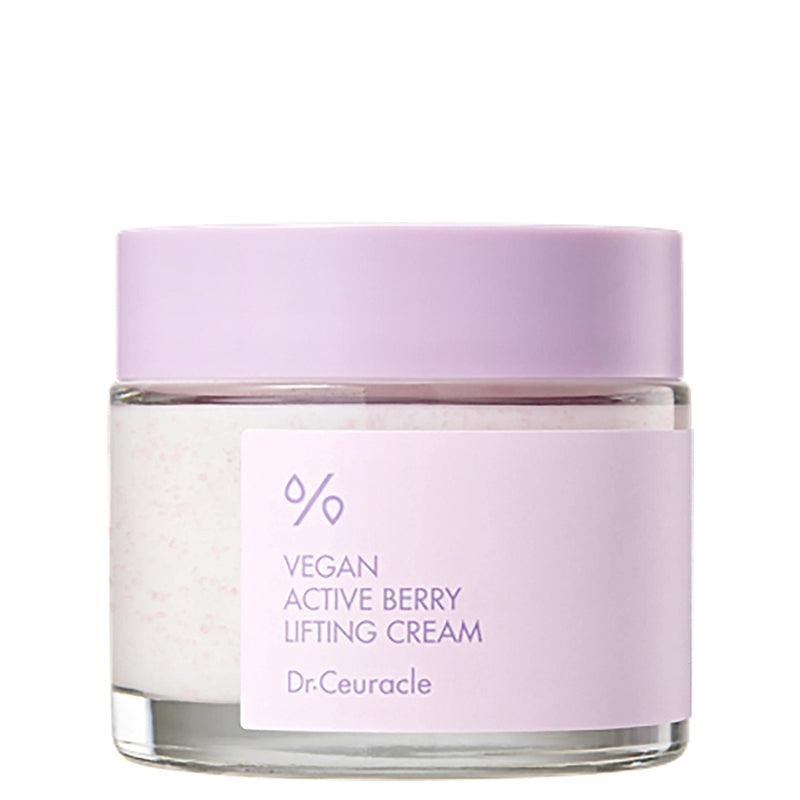
4. Dr. Ceuracle Vegan Active Berry First Essence
- Approx. USD Price: $30 - $35
- Key Peptides/Ingredients: Palmitoyl Tripeptide-5, Resveratrol, Cranberry Extract, Seaberry Extract.
- Why we love it: Dr. Ceuracle is known for its sophisticated, clean formulations, and this essence is a testament to that. While celebrated for its antioxidant-rich “active berry complex,” it also features Palmitoyl Tripeptide-5, a potent signal peptide. This peptide is particularly lauded for its ability to stimulate collagen synthesis and protect against collagen degradation. The essence has a watery yet slightly viscous texture that preps the skin beautifully, delivering both anti-aging benefits and a powerful antioxidant boost.
- Honest Take: This is a great option for those who want a peptide product that also doubles as an antioxidant powerhouse. It’s lightweight enough for layering and provides excellent foundational support for skin health. It’s not just about peptides here, but the synergy with the berry complex makes it a unique and effective choice for overall skin vitality.
5. Torriden DIVE-IN Low Molecular Hyaluronic Acid Multi Serum
- Approx. USD Price: $20 - $25
- Key Peptides/Ingredients: 5D-Hyaluronic Acid, 10 types of peptides (e.g., Palmitoyl Pentapeptide-4, Acetyl Hexapeptide-8, Copper Tripeptide-1), Allantoin, Panthenol.
- Why we love it: Torriden’s DIVE-IN line is a cult favorite for hydration, and this multi-serum takes it a step further. It combines their signature 5D-Hyaluronic Acid complex (for multi-depth hydration) with an impressive blend of 10 different peptides. This comprehensive peptide cocktail includes signal, carrier, and neurotransmitter-blocking peptides, offering a holistic approach to anti-aging and skin repair. It has a refreshing, watery gel texture that instantly plumps and soothes the skin.
- Honest Take: If you want hydration and peptides in one elegant formula, this is your pick. It’s incredibly gentle, suitable for even the most sensitive and dehydrated skin, and provides a wide array of peptide benefits. A fantastic everyday serum that layers beautifully.
6. Purito Unscented Centella Serum
- Approx. USD Price: $18 - $22
- Key Peptides/Ingredients: Centella Asiatica Extract (49%), 4 types of Peptides (including Acetyl Hexapeptide-8, Copper Tripeptide-1, Palmitoyl Tetrapeptide-7, Palmitoyl Tripeptide-1), Niacinamide, Ceramide NP.
- Why we love it: Purito’s Unscented Centella Serum is a beloved product for sensitive and irritated skin, but it’s also a surprisingly potent peptide serum. It combines the soothing, healing power of Centella Asiatica with a thoughtfully chosen blend of four peptides: signal peptides for collagen, carrier peptides for repair, and a neurotransmitter-blocking peptide for expression lines. The addition of Niacinamide and Ceramides further boosts barrier health and radiance. It’s a lightweight, calming, and truly multi-beneficial serum.
- Honest Take: This is the perfect peptide serum for sensitive skin types, those prone to redness, or anyone looking for a product that addresses both anti-aging and barrier repair. It’s fragrance-free and essential-oil-free, making it a safe bet for reactive skin. A fantastic choice if you want to soothe your skin while gently working on firmness and fine lines.
How to layer peptides with other actives
One of the greatest strengths of peptides is their versatility and compatibility. Unlike some other potent actives, peptides are generally very “friendly” and play well with most other ingredients in your routine.
General Rules for Layering:
- Cleanse & Tone First: Always start with a clean face and optionally a hydrating toner.
- Thinnest to Thickest: Apply your products from the thinnest consistency to the thickest. Serums and ampoules typically come before creams.
- AM or PM: Peptides can be used in both your morning and evening routines.
Excellent Pairings:
- Hyaluronic Acid: Peptides and hyaluronic acid are a match made in heaven. HA provides deep hydration, which helps create an optimal environment for peptides to work their magic. Many peptide serums already contain HA.
- Read more: Get the real scoop on HA with our the truth about hyaluronic acid.
- Niacinamide: This versatile ingredient (Vitamin B3) boosts barrier function, reduces inflammation, and brightens skin. It complements peptides beautifully, enhancing overall skin health and resilience.
- Read more: Discover our top picks in best niacinamide serums every skin type.
- Antioxidants (e.g., Vitamin C derivatives, Green Tea, Resveratrol): Using peptides with antioxidants provides comprehensive protection against environmental damage and supports cellular health.
- Centella Asiatica (Cica): Cica is renowned for its soothing and healing properties. Pairing it with peptides (as seen in the Purito serum) creates a powerful duo for repairing and strengthening the skin barrier while addressing anti-aging concerns.
- Read more: Explore more options with best centella asiatica ampoules products.
- Ceramides: These essential lipids help maintain a healthy skin barrier. Using them alongside peptides fortifies the skin’s protective layer, making it more resilient and less prone to irritation.
Pairings with Caution (or specific considerations):
- Retinoids (Retinol, Tretinoin): This is where synergy truly shines! Peptides can help mitigate some of the irritation associated with retinoids while boosting collagen production.
- How to layer:
- Separate times: Use peptides in the morning and retinoids at night.
- Alternate nights: Use retinoids on one night and peptides on the next.
- Buffer: Apply a peptide serum before your retinoid to provide a buffering layer, or after if your skin is tolerant and you want to lock in hydration.
- How to layer:
- L-Ascorbic Acid (Pure Vitamin C): While both are powerful anti-agers, there’s a long-standing debate about using L-Ascorbic Acid (LAA) with copper peptides. The concern is that LAA can oxidize copper, making both ingredients less effective or potentially causing irritation.
- Our honest take: Modern formulations are often stable, but if you’re using a high-concentration LAA serum and a copper peptide product, it’s generally safest to separate them (e.g., LAA in the AM, copper peptides in the PM) or use them on alternate days to avoid potential interactions. Other peptide types are generally fine with Vitamin C.
- AHAs/BHAs (Exfoliating Acids): While peptides are generally tolerant of acids, if your skin is sensitive, using strong exfoliating acids immediately before peptides might be too much.
- How to layer: Use acids on separate nights from your peptide serum, or if using them in the same routine, apply the acid, wait 10-15 minutes for it to work, and then follow with your peptide serum. This ensures the pH isn’t wildly fluctuating and allows each ingredient to perform optimally.
When in doubt, always patch test and introduce new combinations slowly. Listen to your skin – it will tell you what it likes! For a comprehensive guide on ingredient compatibility, check out our skincare ingredient compatibility guide.
Realistic timeline: when to expect results
Here at Glow Coded, we believe in setting honest expectations. Skincare is a marathon, not a sprint, and peptides are no exception. While you might feel immediate hydration and comfort from a well-formulated peptide product, visible changes take time.
Here’s a realistic timeline of what to expect:
- Initial Hydration & Plumpness (2-4 weeks): Many peptide products are formulated with hydrating ingredients like hyaluronic acid or glycerin. You’ll likely notice an immediate improvement in skin hydration, making your skin feel plumper and softer. This is often the first “result” you’ll experience.
- Improved Texture & Radiance (4-8 weeks): As peptides begin to signal your skin cells and support barrier function, you might observe a subtle improvement in overall skin texture. Your complexion may look a bit smoother, and perhaps a touch more radiant, due to better hydration and skin health.
- Enhanced Elasticity & Firmness (8-12 weeks): This is where the core benefits of signal peptides start to become more apparent. As collagen and elastin production slowly ramps up, you might notice your skin feeling a bit more resilient, “bouncier,” and firmer to the touch. Fine lines might appear slightly softened, especially those related to dehydration or early signs of collagen loss.
- Noticeable Reduction in Fine Lines & Wrinkles (3-6 months and beyond): For more significant changes in established fine lines and wrinkles, consistent use over several months is crucial. The cumulative effect of sustained collagen and elastin production will lead to a more noticeable reduction in the depth and appearance of lines. Neurotransmitter-blocking peptides might show results on expression lines within 2-3 months.
Key takeaway: Consistency is absolutely paramount. Peptides work by gently nudging your skin’s natural processes, which are inherently slow. Skipping days or weeks will interrupt this signaling, delaying or diminishing your results. Incorporate peptides into your daily routine, both morning and night if possible, and be patient. Think of them as a long-term investment in your skin’s future health and youthful appearance.
Verdict: who should use peptides
So, after all this talk, are peptides right for you? Our honest verdict is that peptides are an incredibly versatile and beneficial ingredient that can find a place in almost any skincare routine.
Peptides are an excellent choice for:
- Anyone seeking gentle anti-aging: If you’re looking to proactively address or mitigate the signs of aging (fine lines, loss of firmness, elasticity) but prefer a non-irritating approach, peptides are ideal.
- Sensitive skin types: Peptides are renowned for their gentle nature, making them a fantastic option for those whose skin reacts poorly to stronger actives like retinol or high-concentration acids.
- Beginners to active ingredients: If you’re just starting your journey into anti-aging skincare, peptides offer a safe and effective entry point to support skin health without overwhelming your skin.
- Those who can’t tolerate retinol: For individuals who experience significant irritation from retinoids, peptides provide a powerful alternative for collagen stimulation and anti-aging benefits.
- People looking to boost collagen and elasticity without irritation: They signal your skin to do the work, leading to natural, sustained improvements.
- Individuals wanting to complement their existing routine: Peptides pair beautifully with most other ingredients, enhancing overall results and supporting skin resilience. They can act as a fantastic buffer and support system alongside more potent actives.
- Those concerned with wound healing or barrier repair: Carrier peptides and their ability to aid in skin repair make them excellent for compromised or post-procedure skin.
Peptides might be less impactful as a sole treatment for:
- Severe, deep-set wrinkles: While peptides can help soften these, prescription retinoids or in-office procedures might be necessary for more dramatic results.
- Immediate, dramatic skin transformation: As discussed, peptides work gradually. If you’re seeking a rapid overhaul, other actives might be your primary focus.
- Deep hyperpigmentation or severe acne: While some peptides may offer mild benefits, dedicated treatments like Vitamin C, Niacinamide, AHAs, or specific acne medications would be more effective for these concerns.
Ultimately, peptides are a fantastic, low-risk, high-reward ingredient. They empower your skin to function optimally, promoting long-term health, firmness, and resilience. Whether used as a standalone anti-aging hero, a gentle introduction to actives, or a supportive ally to a more intense routine, peptides are a smart investment for healthier, firmer-looking skin. Give them time, and your skin will thank you.