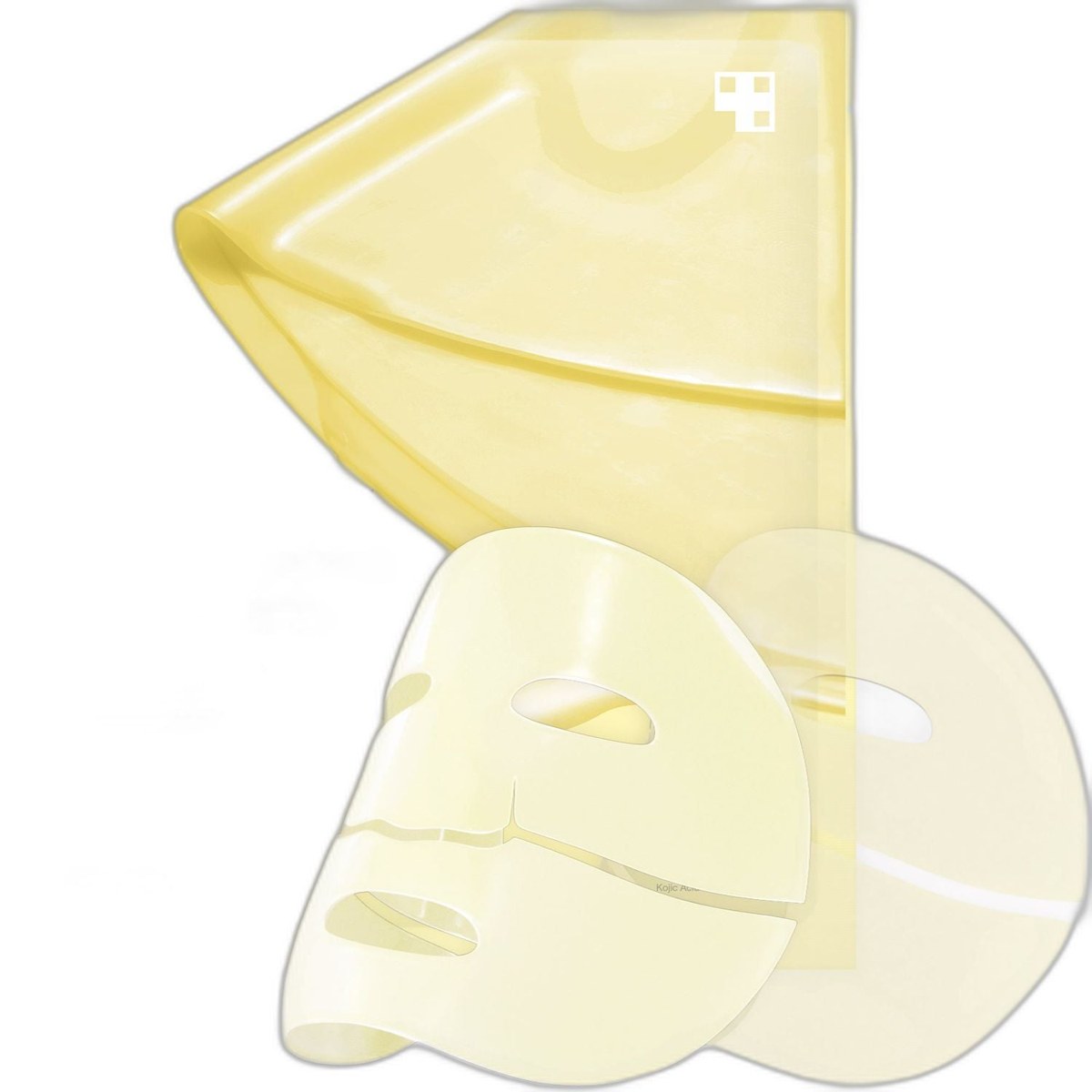
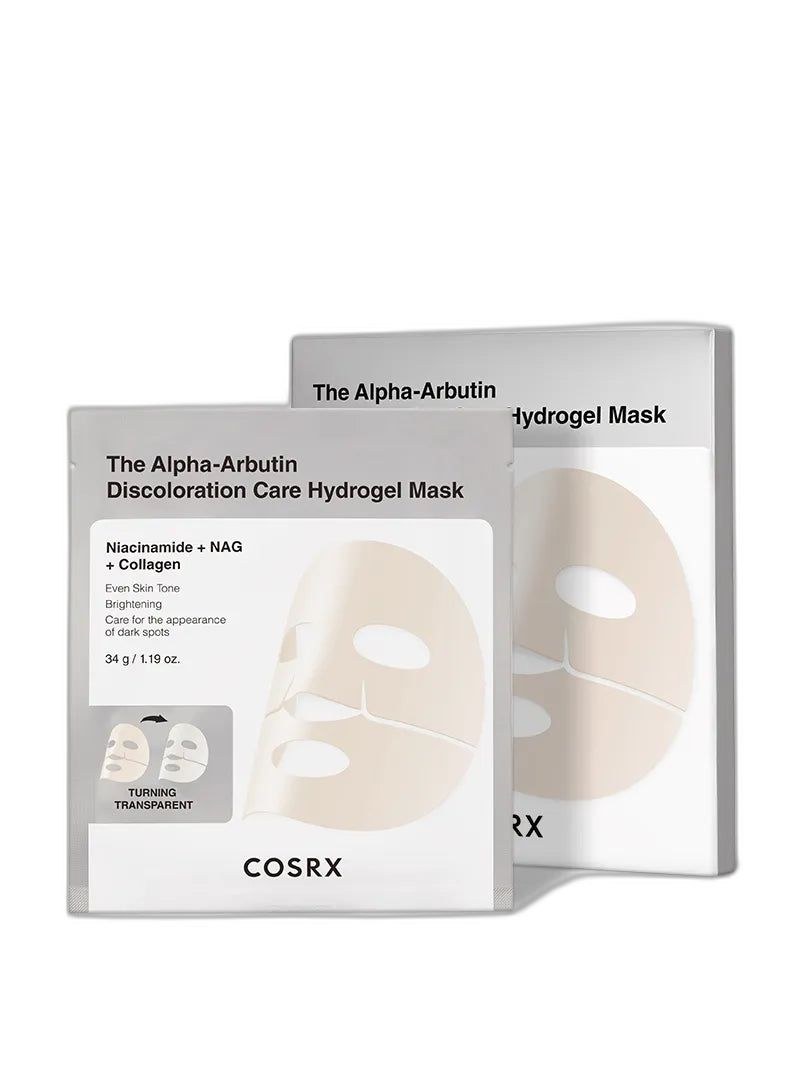
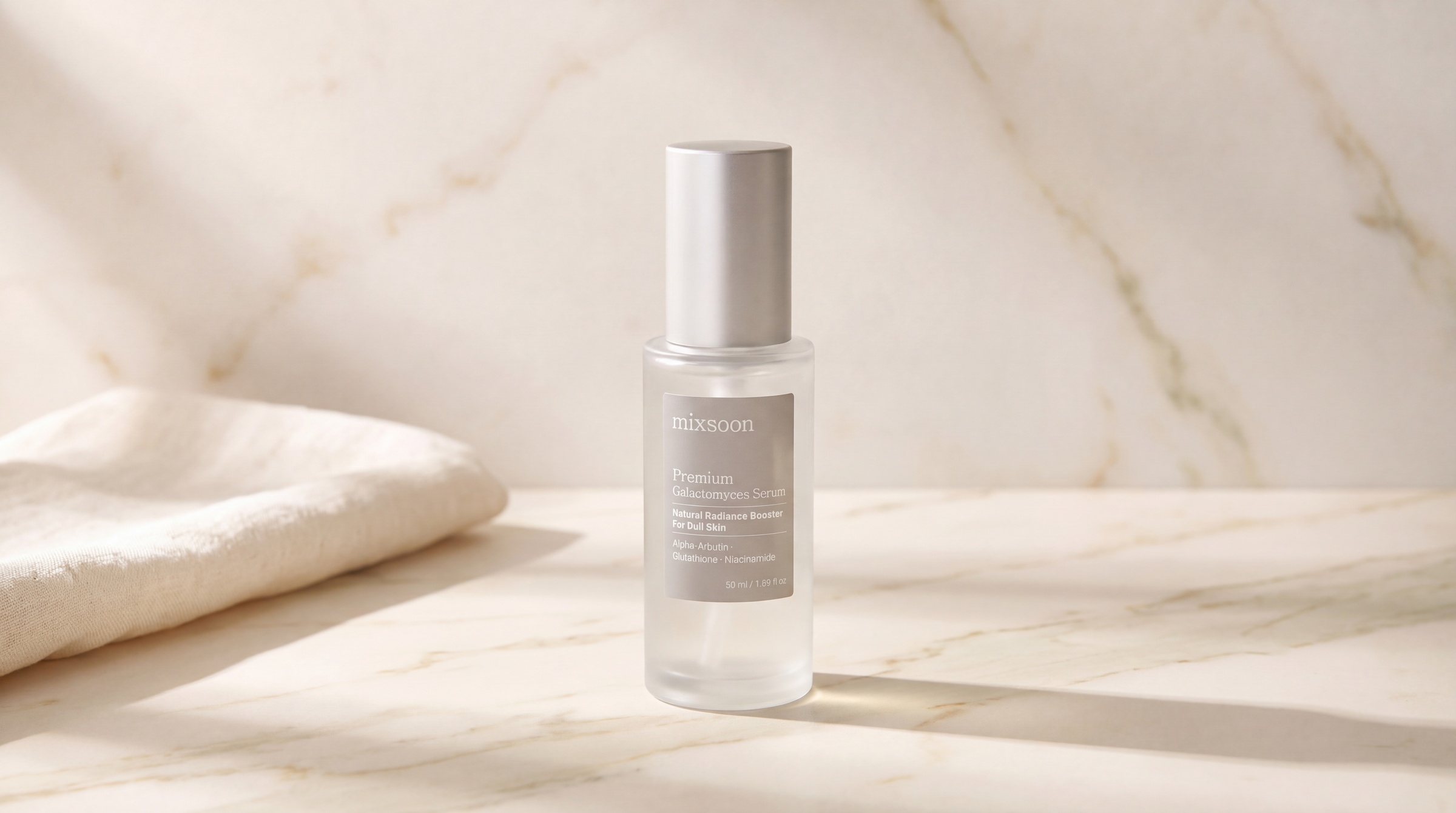
Hey Glow Coded fam! Your K-beauty expert is back, and today we’re diving deep into an ingredient that’s a true powerhouse for tackling hyperpigmentation: Kojic Acid. While it might not be as ubiquitous in your favorite K-beauty lineups as niacinamide or alpha-arbutin, it’s a potent player that deserves your attention.
Let’s be honest, those stubborn dark spots from acne scars, sun damage, or melasma can be incredibly frustrating. We all dream of that even, radiant, glass-skin complexion, and sometimes, gentle exfoliation and hydration just aren’t enough to get us there. That’s where targeted brightening ingredients come in, and kojic acid is one of the most effective, albeit with a few caveats we need to discuss.
So, buckle up! We’re going to break down how kojic acid works its magic, compare it to its brightening buddies, highlight some of the rare but effective Korean formulations that utilize it, and guide you on how to incorporate it safely into your routine for brighter, clearer skin.
Kojic acid in 60 seconds
Alright, let’s cut to the chase. What is kojic acid? It’s a natural compound derived from several species of fungi, particularly those used in the fermentation of Japanese sake and soy sauce. It’s been used for centuries in East Asian cultures for various purposes, including lightening the skin.
In skincare, kojic acid is celebrated for its ability to significantly reduce the appearance of hyperpigmentation – think dark spots, sun spots, post-inflammatory hyperpigmentation (PIH), and even melasma. It does this by directly interfering with the production of melanin, the pigment responsible for your skin’s color. While highly effective, it’s also known to be a bit less stable than some other brighteners and can sometimes cause irritation, especially in higher concentrations. But don’t worry, K-beauty formulations often use it wisely, balancing efficacy with skin comfort.
How kojic acid fades dark spots
To understand how kojic acid works, we need to talk about melanin. Melanin is produced by specialized skin cells called melanocytes. This process is triggered by an enzyme called tyrosinase. Think of tyrosinase as the key that unlocks the melanin factory. When your skin is exposed to UV light, inflammation (like a pimple), or hormonal changes, tyrosinase activity increases, leading to an overproduction of melanin, which manifests as dark spots.
Here’s where kojic acid steps in as a true hero:
- Tyrosinase Inhibition: Kojic acid is a powerful tyrosinase inhibitor. It directly binds to the copper ion at the active site of the tyrosinase enzyme, effectively blocking its activity. Without active tyrosinase, the melanin production line slows down, or even grinds to a halt. This prevents new dark spots from forming and gradually fades existing ones as your skin naturally exfoliates and renews itself.
- Antioxidant Properties: Beyond its primary role in melanin inhibition, kojic acid also boasts some antioxidant benefits. While not its strongest suit, it can help neutralize free radicals generated by UV exposure and environmental stressors. This provides a secondary layer of protection against skin damage that could otherwise lead to more hyperpigmentation.
So, in essence, kojic acid doesn’t just lighten existing dark spots; it actively works to prevent new ones from appearing by directly targeting the enzyme responsible for melanin synthesis. This direct approach makes it a highly effective ingredient for those struggling with persistent hyperpigmentation.
Kojic acid vs arbutin vs hydroquinone
When it comes to brightening ingredients, kojic acid isn’t the only player on the field. You’ve probably heard of alpha-arbutin and hydroquinone, which also aim to tackle dark spots. Let’s break down how they compare, so you can make an informed choice for your skin.
Kojic Acid
- Mechanism: Directly inhibits tyrosinase by chelating copper ions.
- Pros:
- Potent: Highly effective at fading various types of hyperpigmentation.
- Natural Origin: Derived from fungi.
- Antioxidant benefits: Offers some protection against free radical damage.
- Cons:
- Stability Issues: Can be unstable and degrade when exposed to light, heat, or air, which is why you’ll often see it in its dipalmitate form (Kojic Acid Dipalmitate), a more stable derivative.
- Irritation Potential: Can be irritating, especially at higher concentrations (typically above 1-2%) or for sensitive skin types, leading to redness, itching, or contact dermatitis.
- Less Common in K-Beauty: As we’ll discuss, it’s not as widely used in mainstream K-beauty products compared to its counterparts, often due to stability concerns and a preference for gentler alternatives.
Alpha-Arbutin
- Mechanism: A derivative of hydroquinone found naturally in bearberry plants. It works by slowly releasing hydroquinone, which then inhibits tyrosinase.
- Pros:
- Gentle: Generally well-tolerated by most skin types, including sensitive skin, due to its controlled release of hydroquinone.
- Stable: More stable in formulations compared to pure kojic acid.
- Effective: A strong performer for fading dark spots and achieving an even skin tone, often seen in popular K-beauty brightening serums.
- Cons:
- Slower Results: Typically takes longer to show noticeable results compared to kojic acid or hydroquinone due to its slower action.
- Less Potent: While effective, it’s not as potent as hydroquinone.
Hydroquinone
- Mechanism: The “gold standard” for hyperpigmentation. It directly inhibits tyrosinase and is cytotoxic to melanocytes, meaning it can kill the melanin-producing cells.
- Pros:
- Most Potent & Fastest: Delivers the quickest and most dramatic results for severe hyperpigmentation.
- Cons:
- Controversial: Concerns regarding potential side effects like ochronosis (bluish-black discoloration), especially with prolonged use or in higher concentrations.
- Irritating: Can be highly irritating, causing redness, dryness, and stinging.
- Prescription-Only: In many regions (including the EU and parts of Asia), it’s available only by prescription due to its potency and potential side effects. In the US, it’s available OTC up to 2%.
- Rebound Hyperpigmentation: Can sometimes lead to a worsening of hyperpigmentation if used improperly or stopped abruptly without proper maintenance.
- Not a K-beauty Ingredient: You will almost never find hydroquinone in Korean skincare products due to regulatory restrictions and K-beauty’s general philosophy of gentle, gradual improvement.
Summary Table: Brightening Actives
| Feature | Kojic Acid | Alpha-Arbutin | Hydroquinone |
|---|---|---|---|
| Potency | High | Medium-High | Very High (Gold Standard) |
| Mechanism | Direct tyrosinase inhibitor | Gradual release of hydroquinone, tyrosinase inhibitor | Tyrosinase inhibitor & melanocyte cytotoxic |
| Irritation | Medium (can be irritating at high % or for sensitive skin) | Low (generally well-tolerated) | High (can cause significant irritation) |
| Stability | Low (often used as Kojic Acid Dipalmitate for stability) | High | Medium (can oxidize) |
| Availability | OTC, less common in K-beauty | OTC, very common in K-beauty | Prescription (many regions), OTC (US up to 2%) |
| Side Effects | Contact dermatitis, photosensitivity | Mild irritation (rare) | Ochronosis, severe irritation, rebound hyperpigmentation |
The K-Beauty Takeaway: While kojic acid is undeniably effective, K-beauty generally leans towards the gentler, yet still powerful, alpha-arbutin, along with niacinamide, vitamin C, and tranexamic acid, for tackling hyperpigmentation. This is largely due to the K-beauty philosophy of gentle efficacy, minimal irritation, and long-term skin health. However, as you’ll see below, some specialized Korean brands do formulate with kojic acid, often in its more stable dipalmitate form, carefully balancing its potency with other soothing ingredients.
5 Korean kojic acid products
As your honest K-beauty expert, I have to tell you upfront: pure kojic acid isn’t as common in mainstream Korean skincare as ingredients like niacinamide, alpha-arbutin, or vitamin C. K-beauty brands often prioritize gentler, stable, and less irritating alternatives. However, some specialized Korean derma-cosmetic brands or those focused on targeted treatments do incorporate kojic acid or its more stable derivative, Kojic Acid Dipalmitate, often alongside other brightening and soothing ingredients.
Here are 5 Korean products that either contain kojic acid or its derivative, formulated with the K-beauty philosophy of balancing efficacy with skin health:
- Cos De Baha Kojic Acid 5% Serum with Arbutin 5%
- Approx. USD Price: $15-$20
- Why it’s great: Cos De Baha is a fantastic Korean brand known for its no-frills, ingredient-focused serums at accessible price points. This serum directly addresses hyperpigmentation with a powerful duo: 5% kojic acid and 5% alpha-arbutin. This combination offers a synergistic effect, tackling melanin production from multiple angles. It’s also often formulated with hyaluronic acid and niacinamide for hydration and further brightening. This is one of the most straightforward and potent kojic acid options from a Korean brand.