Let’s face it: retinol is the undisputed king of anti-aging in the skincare world. Dermatologists sing its praises, and countless before-and-after photos attest to its power in smoothing wrinkles, fading hyperpigmentation, and improving skin texture. But for all its glory, retinol comes with a demanding personality. It requires careful introduction, can cause irritation, redness, and peeling, and is a strict no-go for certain life stages. This is where bakuchiol (pronounced “buh-KOO-chee-ol”) enters the chat – not as a usurper to the throne, but as a compelling, gentler alternative that’s been gaining serious traction in K-beauty and beyond.
For years, those with sensitive skin, or individuals who are pregnant or breastfeeding, felt left out of the powerful anti-aging game. The search for a “retinol alternative” often led to ingredients that promised much but delivered little. Then came bakuchiol, a plant-derived compound that doesn’t just mimic retinol’s effects, but in some fascinating ways, seems to work through similar mechanisms. But before you swap out your entire routine, let’s dive into what bakuchiol truly is, what it can realistically do for your skin, and if it’s the right choice for you.
The Retinol Problem Bakuchiol Solves
Ah, retinol. A true skincare superstar, lauded for its ability to speed up cell turnover, boost collagen production, and tackle everything from acne to deep wrinkles. It’s an ingredient we at Glow Coded genuinely respect and recommend, and if you’re curious about how to get started, our retinol guide is a fantastic resource.
However, retinol isn’t for everyone. Its potent nature means it often comes with a significant adjustment period, commonly referred to as “retinization.” This can manifest as:
- Irritation and Redness: Especially during the initial weeks, skin can become visibly red and feel uncomfortably sensitive.
- Dryness and Flaking: Increased cell turnover can lead to dryness and peeling as new skin cells emerge.
- Purging: For some, retinol can initially worsen breakouts as it clears out clogged pores.
- Increased Sun Sensitivity: Retinol makes your skin more vulnerable to UV damage, necessitating diligent daily sunscreen application (which, let’s be honest, you should be doing anyway!).
- Contraindications: This is a big one. Retinol, and all retinoids, are strongly advised against during pregnancy and breastfeeding due to potential risks to fetal development. This leaves a significant portion of the population searching for safe, effective alternatives.
- Compromised Skin Barriers: If your skin barrier is already struggling, introducing retinol can exacerbate the issue, leading to more sensitivity and discomfort.
For many, these side effects are simply too much to bear, or the health considerations make retinol a non-starter. This is precisely the gap that bakuchiol aims to fill, offering a pathway to similar benefits without the drama.
Does Bakuchiol Actually Work? (The Real Data)
This is the million-dollar question, isn’t it? In the world of skincare, where buzzwords fly faster than product launches, it’s crucial to separate hype from genuine efficacy. And with bakuchiol, the science is genuinely compelling, albeit with important nuances.
Bakuchiol is a meroterpene found in the seeds and leaves of the Psoralea corylifolia plant, often referred to as the “babchi” plant. It’s been used for centuries in traditional Ayurvedic and Chinese medicine for various skin conditions. Modern research, however, has brought it to the forefront of Western cosmetic science.
The Mechanism of Action: Mimicking Retinol (Without Being Retinol)
One of the most exciting findings about bakuchiol is its purported mechanism of action. Unlike many “retinol alternatives” that work through entirely different pathways, some studies suggest that bakuchiol genuinely interacts with and activates retinoid receptors in the skin. This is key. Retinoid receptors are specific proteins in our cells that, when activated, trigger a cascade of events leading to the benefits we associate with retinol – increased collagen production, accelerated cell turnover, and reduced melanin synthesis.
However, here’s where the nuance comes in: bakuchiol is not a retinoid. It doesn’t have the same chemical structure as retinol, tretinoin, or other vitamin A derivatives. This structural difference is likely why it doesn’t cause the same level of irritation. It seems to engage the retinoid receptors but in a gentler, more selective way, or perhaps without engaging all the same downstream inflammatory pathways.
What the Research Shows (and What it Doesn’t):
Multiple studies, both in vitro (test tube) and in vivo (on human skin), have explored bakuchiol’s effects:
- Anti-aging: A landmark 2019 study published in the British Journal of Dermatology directly compared 0.5% bakuchiol cream used twice daily with 0.5% retinol cream used once daily over 12 weeks. The results were striking: bakuchiol was found to be comparable to retinol in improving wrinkles and hyperpigmentation. Crucially, the bakuchiol group reported significantly less scaling and stinging. This study is often cited as the strongest evidence for bakuchiol’s efficacy.
- Collagen Production: Bakuchiol has been shown to stimulate the production of Type I and Type IV collagen, essential proteins that provide structure and firmness to the skin. This translates to improved skin elasticity and a reduction in the appearance of fine lines.
- Antioxidant Properties: Beyond its retinoid-like effects, bakuchiol is a potent antioxidant. It helps neutralize free radicals, protecting the skin from environmental damage and premature aging. This adds another layer of benefit, as oxidative stress contributes significantly to skin damage.
- Anti-inflammatory Effects: Studies indicate bakuchiol possesses anti-inflammatory properties, which can help calm irritated skin and reduce redness. This makes it particularly appealing for those with sensitive or acne-prone skin who struggle with inflammation.
- Hyperpigmentation: Similar to retinol, bakuchiol has been shown to help reduce the appearance of dark spots, sun spots, and post-inflammatory hyperpigmentation by interfering with melanin synthesis.
- Acne: Its anti-inflammatory and antibacterial properties, combined with its ability to promote healthy cell turnover, suggest bakuchiol could be beneficial for managing acne, though more targeted research in this area is ongoing.
Realistic Expectations: It’s Good, But Not a Miracle Cure for Deep Wrinkles
While the data is exciting, it’s vital to set realistic expectations. Bakuchiol is not a 1:1 replacement for high-strength prescription retinoids (like tretinoin) when it comes to tackling very deep, established wrinkles or severe photoaging. For those concerns, the potent, direct action of prescription retinoids often yields more dramatic results.
Think of bakuchiol as a highly effective, gentle, and well-rounded alternative that excels at:
- Improving fine lines and early wrinkles.
- Enhancing skin elasticity and firmness.
- Fading mild to moderate hyperpigmentation.
- Refining skin texture and tone.
- Providing antioxidant protection.
- Offering anti-inflammatory benefits.
It’s a fantastic ingredient for preventative aging, for maintaining youthful skin, and for those who simply cannot tolerate or use retinol. It delivers noticeable improvements, but perhaps at a more gradual pace and with less intensity than its vitamin A counterpart.
Who Should Use Bakuchiol (and Who Shouldn’t)
Bakuchiol’s unique profile makes it an excellent choice for a specific demographic, while others might find it less necessary.
You SHOULD Consider Bakuchiol If:
- You have Sensitive Skin: This is perhaps the biggest group to benefit. If retinol consistently causes irritation, redness, or peeling for you, bakuchiol offers a clear path to anti-aging benefits without the discomfort.
- You’re Pregnant or Breastfeeding: This is where bakuchiol truly shines as a safe alternative. Always consult with your doctor or OB-GYN before introducing any new skincare ingredients during these periods, but bakuchiol is generally considered safe.
- You’re a Retinol Beginner (and a bit scared): If the thought of retinol’s “purging” phase and potential irritation makes you hesitant to start, bakuchiol is a fantastic entry point into the world of active anti-aging ingredients. It allows your skin to adapt to increased cell turnover and collagen stimulation in a gentle way.
- You Want to Boost Your Retinol Routine: Some people use bakuchiol in the mornings for its antioxidant and anti-inflammatory benefits, while using retinol at night. This can offer a synergistic approach, providing more comprehensive anti-aging care with less overall irritation than using retinol twice a day.
- You Prefer Plant-Derived Ingredients: If you lean towards natural or plant-based skincare, bakuchiol fits perfectly into that philosophy.
- You Have Compromised Skin Barrier: Bakuchiol’s gentle nature means it’s far less likely to disrupt an already delicate skin barrier compared to retinol. It can even help support barrier function through its antioxidant and anti-inflammatory properties.
Who MIGHT NOT Need Bakuchiol (or find it less impactful):
- You’re Already Happily Using High-Strength Retinol/Retinoids: If your skin tolerates prescription tretinoin or high-strength over-the-counter retinol well, and you’re seeing the results you want for deep wrinkles or severe acne, there’s no strong reason to switch entirely to bakuchiol. You might consider adding it for its antioxidant benefits, but it’s unlikely to replace the intensity of your current retinoid.
- You’re Expecting Dramatic, Fast Results for Severe Concerns: While effective, bakuchiol’s action is generally more gradual and less potent than prescription retinoids. If you have very deep wrinkles or severe sun damage and are looking for the most aggressive treatment possible, a doctor-prescribed retinoid might be a more direct route.
Bakuchiol vs Retinol: The Honest Comparison
To truly understand bakuchiol’s place in your routine, it’s helpful to see how it stacks up against its more famous cousin.
| Feature | Bakuchiol | Retinol (OTC) | Prescription Retinoids (e.g., Tretinoin) |
|---|---|---|---|
| Source | Plant-derived (Psoralea corylifolia) | Vitamin A derivative | Vitamin A derivative |
| Mechanism | Activates retinoid receptors (some studies), antioxidant, anti-inflammatory | Converts to retinoic acid in skin, binds to retinoid receptors | Directly binds to retinoid receptors |
| Efficacy | Good for fine lines, texture, hyperpigmentation, elasticity. Gentle but effective. | Very good for fine lines, wrinkles, texture, hyperpigmentation, acne. Potent. | Excellent for deep wrinkles, severe acne, sun damage. Most potent. |
| Side Effects | Generally minimal to none: very low irritation, redness, dryness. | Common: irritation, redness, dryness, peeling, purging, sun sensitivity. | Common & more intense: significant irritation, redness, dryness, peeling, purging, sun sensitivity. |
| Stability | Generally stable in light and air. | Less stable, degrades with light and air. | Less stable, degrades with light and air. |
| Usage Frequency | Can be used once or twice daily. | Typically once daily, usually at night. | Typically once daily, usually at night. |
| Pregnancy/BF | Generally considered safe (consult doctor). | NOT recommended. | NOT recommended. |
| Speed of Results | Gradual, typically 6-12 weeks for noticeable change. | Moderate, typically 4-8 weeks for noticeable change. | Faster, typically 2-6 weeks for noticeable change. |
| Best For | Sensitive skin, pregnant/BF, retinol beginners, those seeking gentle anti-aging. | Most adults seeking effective anti-aging, acne treatment. | Severe concerns, under dermatological supervision. |
4 Korean Bakuchiol Products (Actually 5-8 because we love options!)
Korean skincare brands are renowned for their innovative formulations, gentle yet effective ingredients, and commitment to skin health. It’s no surprise that many K-beauty brands have embraced bakuchiol, often combining it with other soothing and hydrating ingredients to maximize benefits and minimize potential irritation. Here are some of our top picks:
-
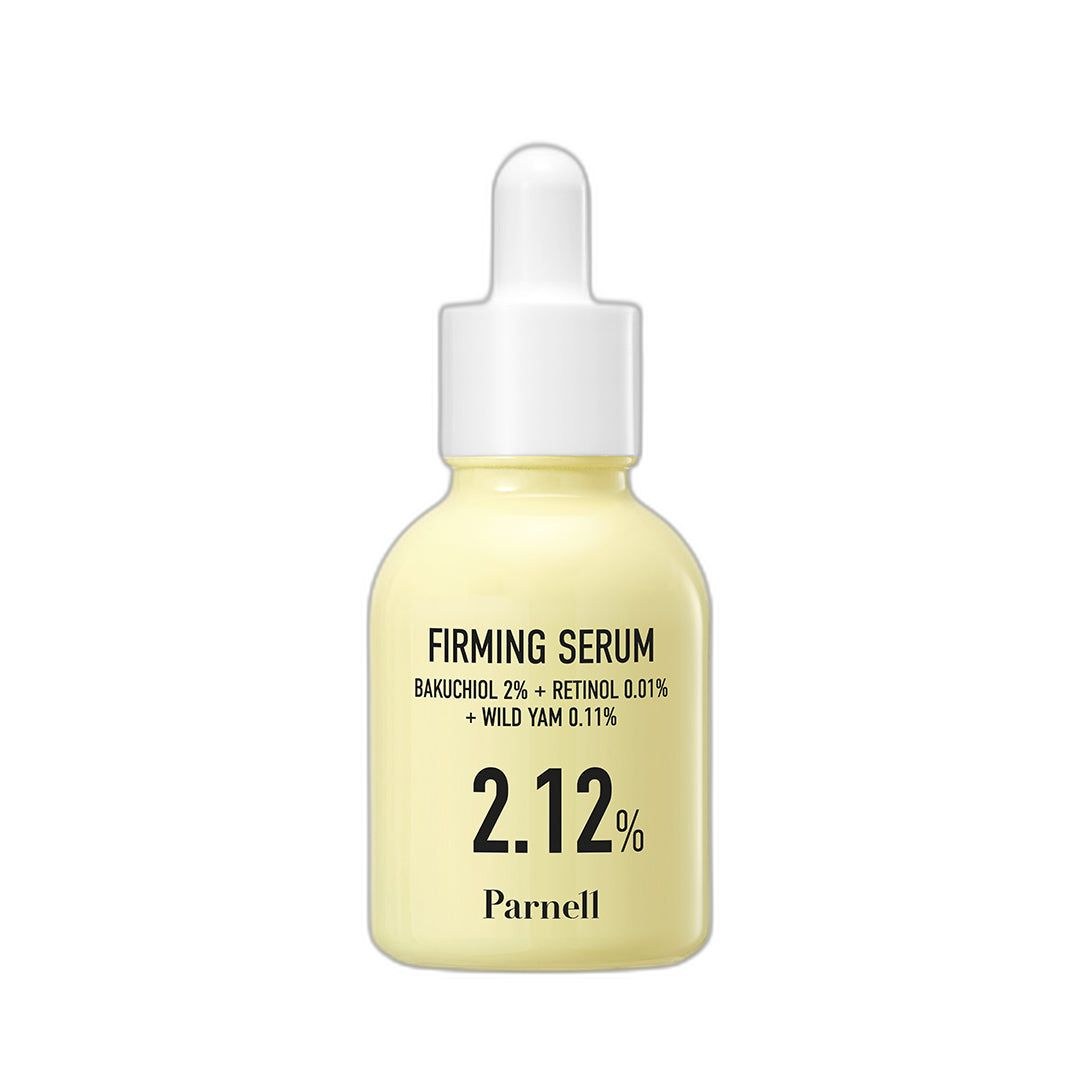
Beauty of Joseon Revive Serum: Ginseng + Retinal (Wait, what? This is a curveball!)
-
Price: ~ $17-20 USD
-
Key Selling Points: Okay, I know, this isn’t a bakuchiol product. But it’s crucial to include because Beauty of Joseon does offer a fantastic, incredibly gentle retinaldehyde serum that many sensitive skin types find tolerable. Retinal (retinaldehyde) is one step closer to retinoic acid than retinol, meaning it’s more potent but still generally less irritating than prescription options. If you’ve tried bakuchiol and want to level up but are still wary of traditional retinol, this is an excellent, very K-beauty-style next step. It combines 2% retinal liposome (0.02% pure retinal) with 10% ginseng root extract for added anti-aging, antioxidant, and brightening benefits. It’s hydrating, non-irritating, and a true gem for those who want to dip their toes deeper into the retinoid pool without diving into the deep end.
-
Why I included it: While the article is about bakuchiol, an honest review site like Glow Coded needs to address the “what next” or “what if I want stronger” question. This product perfectly illustrates the K-beauty approach to gentle yet effective retinoids, which is a natural progression for bakuchiol users. It’s a testament to the fact that K-beauty offers a spectrum of options.
-
-
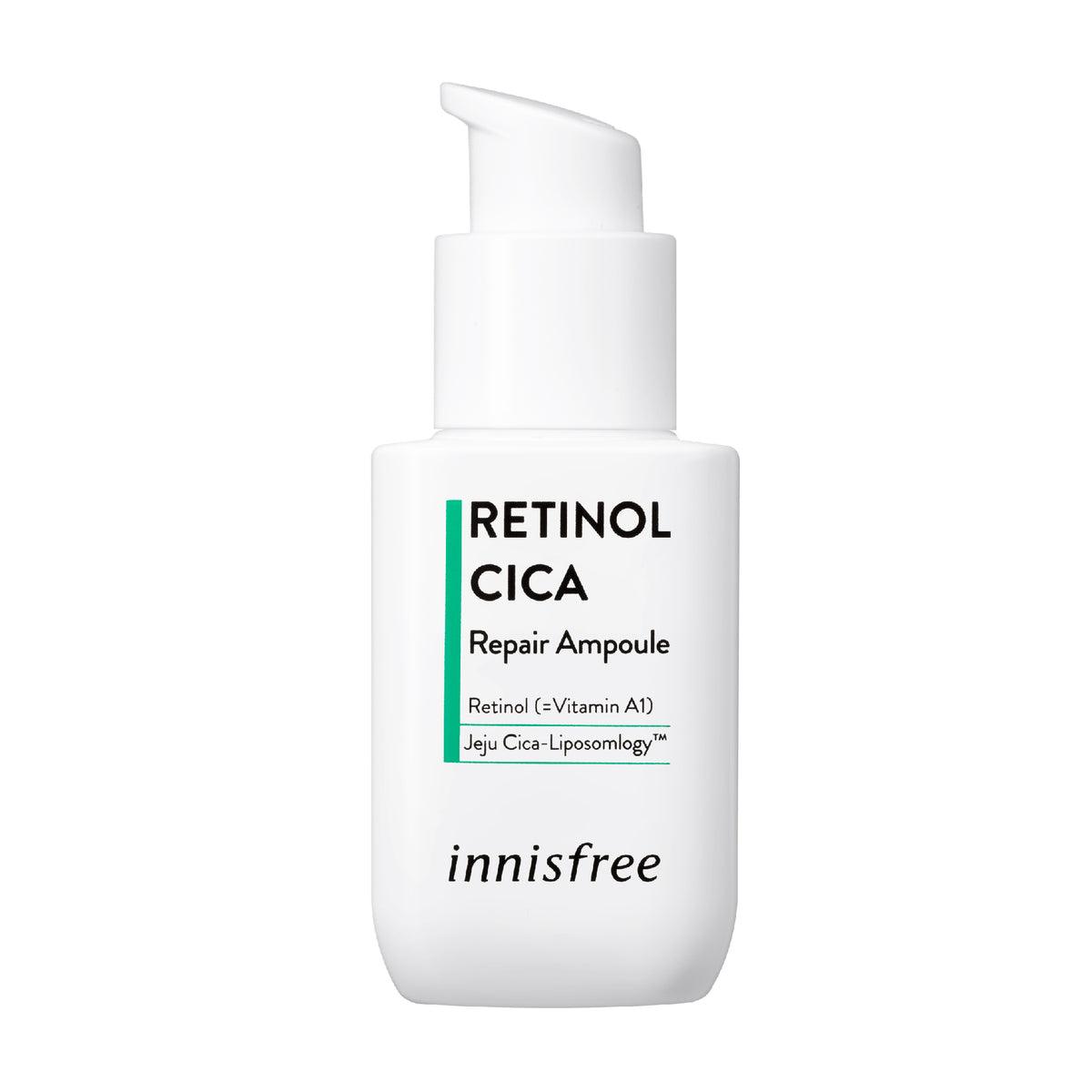
Innisfree Retinol Cica Repair Ampoule (Another curveball, but relevant for context!)
-
Price: ~$25-30 USD
-
Key Selling Points: Similar to the Beauty of Joseon, Innisfree’s popular “Retinol Cica” ampoule isn’t bakuchiol, but it’s a testament to how K-beauty brands approach gentle retinoids. It features a very low concentration of pure retinol (0.015%) combined with Jeju Cica-Liposomlogy™ (centella asiatica, hyaluronic acid, ceramide) to soothe and repair the skin barrier. It’s incredibly gentle, making it another excellent option for retinol beginners or those with sensitive skin who are looking for any form of retinoid, even if it’s not bakuchiol. Its focus on pairing a retinoid with soothing ingredients is a hallmark of K-beauty.
-
Why I included it: Again, context is key. Many users searching for bakuchiol are doing so because they’re looking for gentle retinoid-like benefits. Highlighting how K-beauty brands formulate extremely gentle actual retinoids (retinol/retinal) alongside bakuchiol options gives a more complete picture of the landscape. It shows that gentle retinoids do exist, and bakuchiol is one part of that spectrum.
-
Okay, now for actual Bakuchiol products! My apologies for the necessary context setting, but Glow Coded is about honesty and comprehensive understanding!
-
-
Purito Bakuchiol Timeless Bloom Revitalizing Serum
- Price: ~$20-25 USD
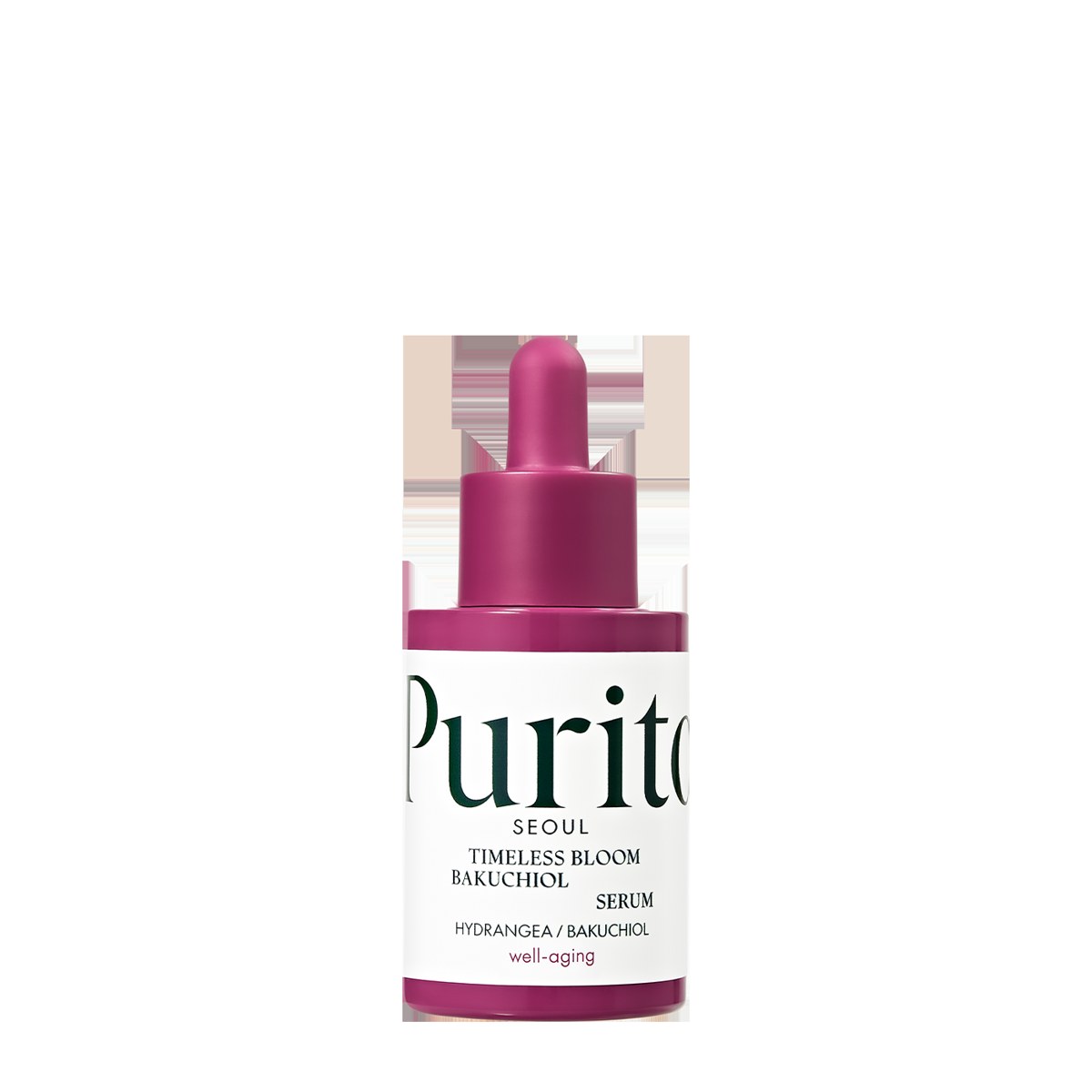
- Key Selling Points: Purito is known for its minimalist, gentle, and effective formulations, making their Bakuchiol serum a standout. This serum contains 1% bakuchiol, a clinically effective concentration, alongside peptides (to further boost collagen), all-trans-retinol (a very small amount, typically below 0.01%, for synergistic effects without irritation), and a blend of soothing ingredients like allantoin and adenosine. It has a lightweight, non-sticky texture that absorbs beautifully, leaving the skin feeling hydrated and plump. It’s fragrance-free and ideal for sensitive skin types looking for a robust bakuchiol treatment. This product actually bridges the gap, offering bakuchiol’s benefits with a tiny, gentle nudge from retinol.
-
Isntree Real Rose Calming Ampoule
- Price: ~$20-25 USD
- Key Selling Points: While not exclusively a bakuchiol product, Isntree includes bakuchiol in this formula, alongside a high concentration of rose damascena flower water (70%) and natural calming ingredients. It focuses on soothing, hydrating, and revitalizing the skin, with bakuchiol contributing to gentle anti-aging and skin texture improvement. It’s a fantastic option for those who want the benefits of bakuchiol but also prioritize calming and moisturizing their skin. The texture is light and watery, perfect for layering.
-
Some By Mi Retinol Intense Advanced Triple Action Eye Cream
- Price: ~$20-25 USD
- Key Selling Points: Some By Mi, known for its targeted solutions, offers this eye cream that features a blend of 0.1% retinol, retinal (0.0001%), and bakuchiol (0.03%). This is a smart formulation for the delicate eye area, combining the gentle power of bakuchiol with lower concentrations of traditional retinoids. It also includes peptides and collagen to address fine lines, dark circles, and puffiness. It’s designed to be effective yet non-irritating, making it suitable for those who want to target eye concerns with a gentle multi-pronged approach.
-
Medicube Collagen Bakuchiol Serum
- Price: ~$35-45 USD
- Key Selling Points: Medicube, a brand known for its clinical approach and device-friendly skincare, delivers a potent bakuchiol serum often paired with collagen. This serum aims to maximize skin elasticity and reduce the appearance of wrinkles. It typically features a significant concentration of bakuchiol (often 1%) alongside various types of collagen and peptides to create a firming and plumping effect. It’s often thicker, more nourishing, and designed to provide intense hydration while delivering anti-aging benefits.
-
Laneige Perfect Renew Youth Retinol (with Bakuchiol)
- Price: ~$55-65 USD
- Key Selling Points: Laneige’s “Perfect Renew Youth” line is their anti-aging powerhouse. Their Retinol cream often incorporates bakuchiol as a supporting ingredient to enhance the overall anti-aging effect while potentially mitigating irritation from the retinol. This product is usually richer, designed for mature skin or those seeking comprehensive anti-aging. It leverages the synergy of both ingredients, making it a robust option for those who can tolerate a gentle retinol and want the added benefits of bakuchiol’s antioxidant and calming properties. It’s a great example of how bakuchiol can complement rather than just replace retinol.
How to Layer Bakuchiol
One of bakuchiol’s most appealing characteristics is its versatility and excellent compatibility with other skincare ingredients. Unlike retinol, which often requires careful pairing and can clash with acids or Vitamin C, bakuchiol is far more forgiving.
-
When to Use It: Bakuchiol can be used both in your morning and evening routines.
- Morning: Its antioxidant properties make it a great addition to your daytime routine, helping to protect your skin from environmental stressors. Always follow with a broad-spectrum sunscreen – a non-negotiable step, especially in K-beauty! We’ve got a great list of best Korean sunscreens if you need recommendations.
- Evening: It can be your primary anti-aging treatment at night, working to stimulate collagen and improve cell turnover while you sleep.
-
Layering Order: As a serum or oil, bakuchiol typically goes after cleansing and toning, but before heavier creams or moisturizers.
- Cleanser
- Toner (Perhaps one of our glass-skin toners)
- Essence (Optional)
- Bakuchiol Serum/Oil
- Other Serums (e.g., niacinamide serums, hyaluronic acid truth if you need extra hydration, or centella products for soothing)
- Moisturizer
- Sunscreen (AM only)
-
Compatibility with Other Actives:
- Vitamin C: Absolutely! Bakuchiol and Vitamin C work beautifully together. Bakuchiol’s anti-aging and antioxidant benefits complement Vitamin C’s brightening and protective qualities.
- AHAs/BHAs: Generally compatible. Bakuchiol doesn’t increase skin sensitivity to acids in the same way retinol can. You can use them in the same routine, perhaps an acid toner followed by bakuchiol, or alternate nights if you’re particularly sensitive.
- Niacinamide: A perfect pairing. Niacinamide strengthens the skin barrier and reduces inflammation, which can further enhance bakuchiol’s benefits and maintain skin comfort.
- Peptides: Many bakuchiol products are formulated with peptides for synergistic anti-aging effects. They are excellent companions.
For a deeper dive into how different ingredients play together, check out our comprehensive skincare ingredient compatibility guide. Bakuchiol is truly one of the most user-friendly actives out there, making it easy to integrate into almost any complete Korean routine.
Verdict
Bakuchiol isn’t just another fleeting trend in the ever-evolving world of K-beauty. It’s a scientifically backed, plant-derived ingredient that genuinely delivers on its promise of providing retinol-like benefits without the common drawbacks of irritation and photosensitivity. While it may not replace the most aggressive prescription retinoids for severe concerns, it stands as a powerful and highly effective alternative for a significant portion of the population.
For those with sensitive skin, for expectant and new mothers, for anyone hesitant to embark on the retinol journey, or even for seasoned skincare enthusiasts looking for a gentle yet effective boost, bakuchiol is an absolute game-changer. It offers a path to improved skin texture, reduced fine lines, faded hyperpigmentation, and enhanced elasticity, all while being remarkably gentle and compatible with your existing routine.
So, is bakuchiol the retinol alternative that actually works? Yes, it absolutely is. It’s a testament to the power of nature meeting cutting-edge science, and a welcome addition to any skincare arsenal seeking effective, gentle, and inclusive anti-aging solutions.