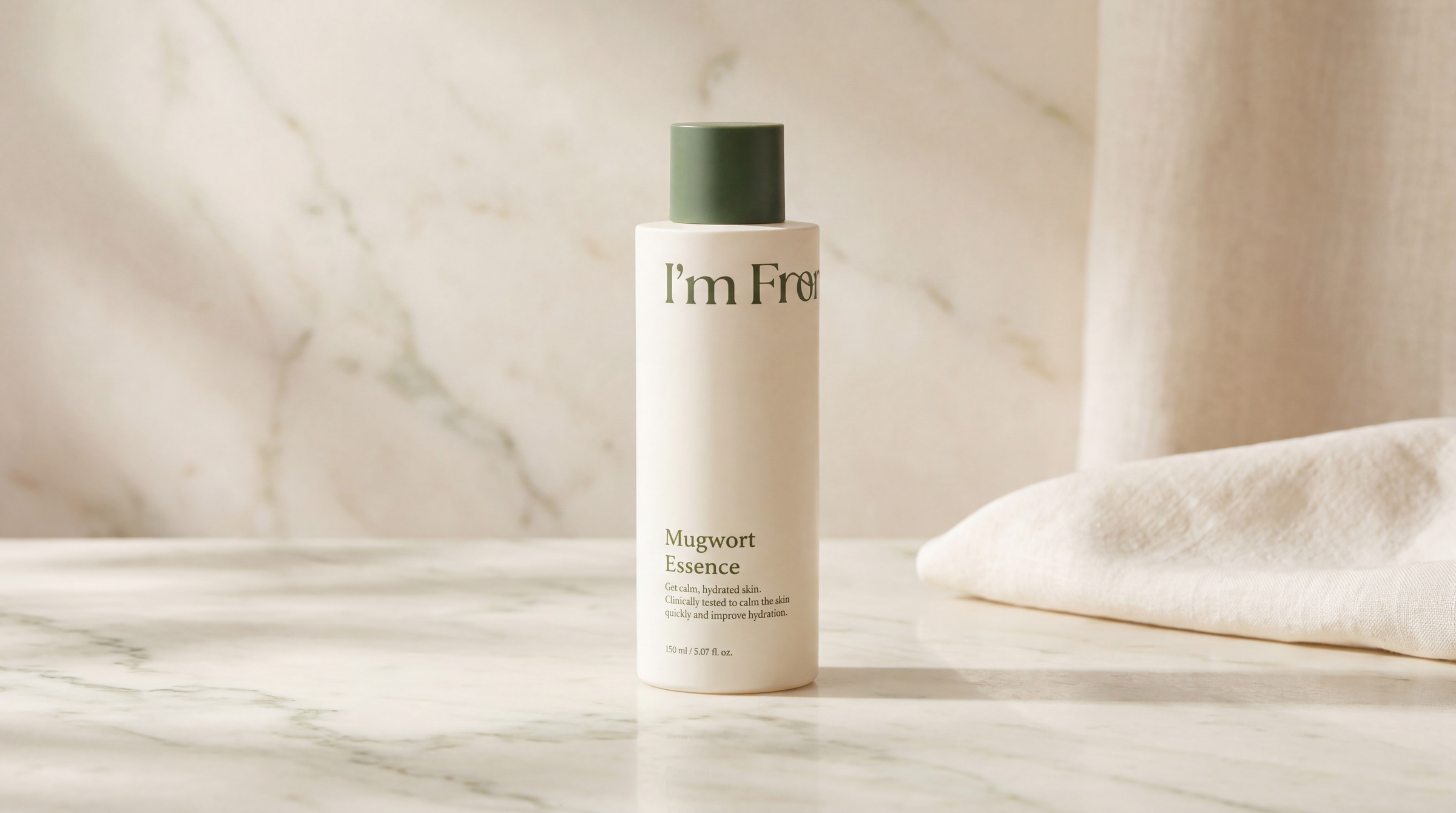
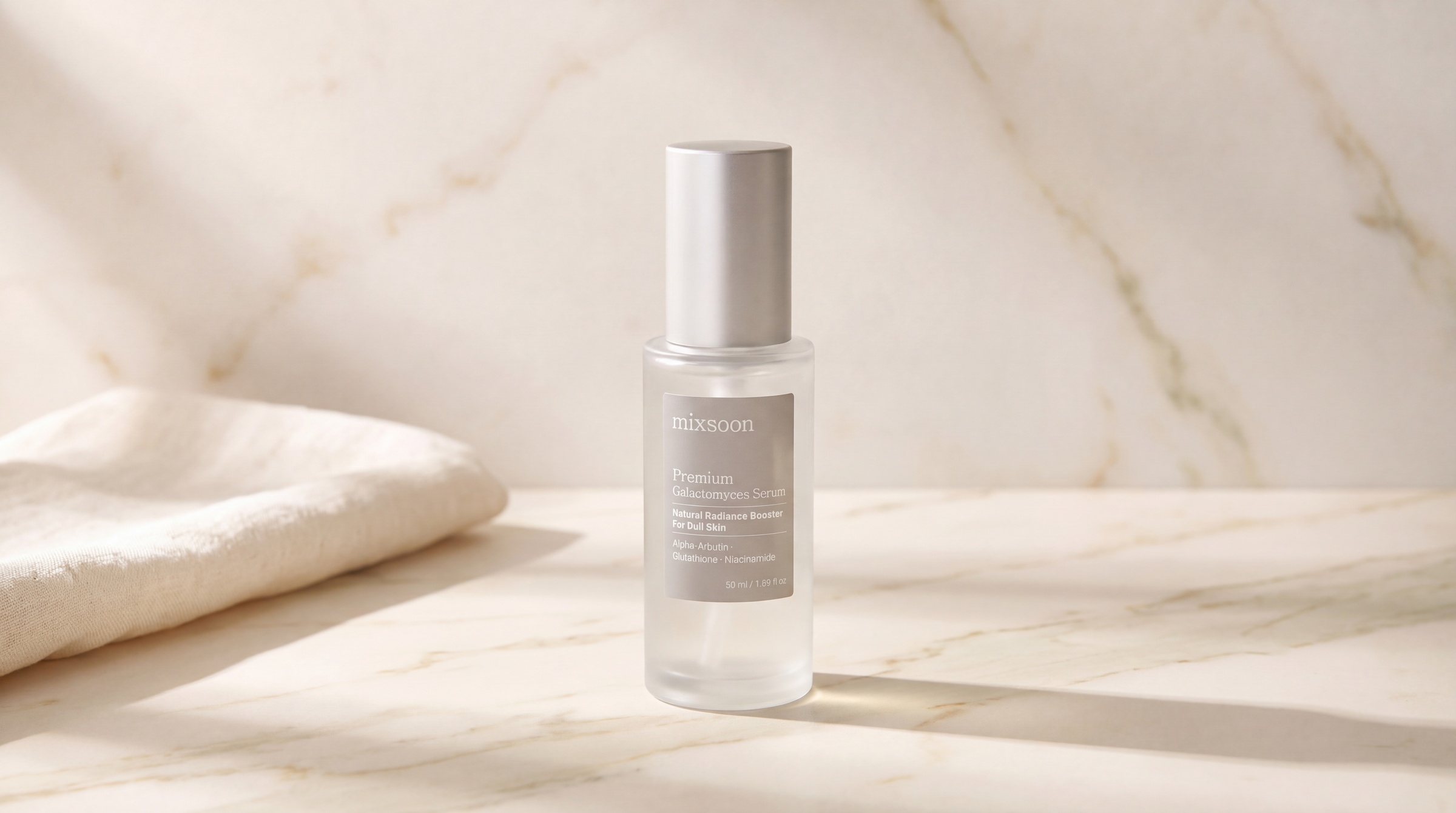
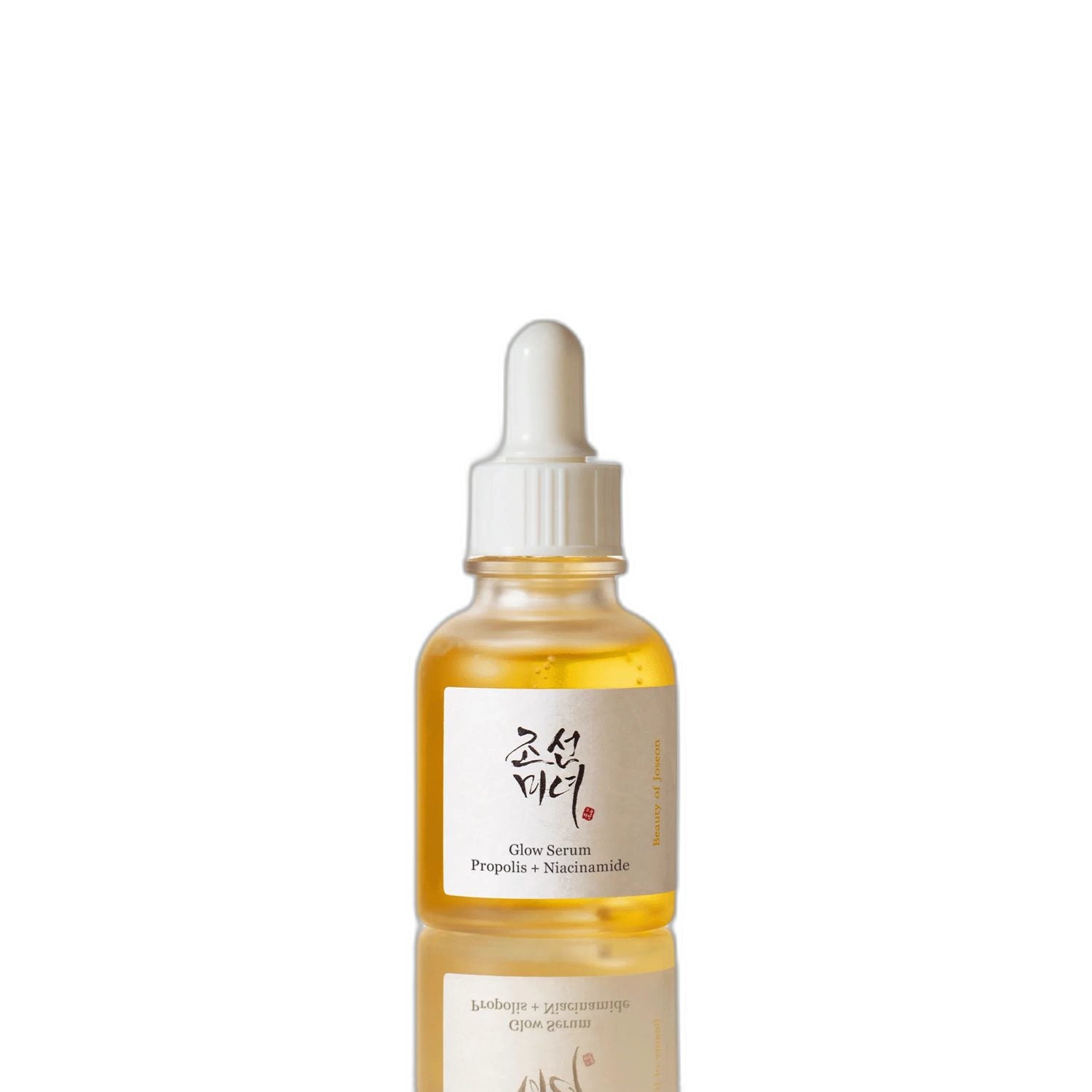
Ну, давайте будем честны: ретинол — это безоговорочный король антивозрастного ухода в мире косметики. Дерматологи его обожают, а бесчисленные фото «до» и «после» подтверждают, как он круто разглаживает морщинки, убирает пигментацию и делает кожу более ровной. Но при всей своей славе, ретинол — тот еще капризуля. Его нужно вводить осторожно, он может вызывать раздражение, покраснение и шелушение, а в некоторые периоды жизни его вообще нельзя использовать. Вот тут-то и появляется бакучиол (произносится «ба-ку-чи-ол») — не как узурпатор трона, а как классная, более мягкая альтернатива, которая набирает обороты в K-beauty и не только.
Годами те, у кого чувствительная кожа, или те, кто ждет ребенка или кормит грудью, чувствовали себя обделенными в этой мощной антивозрастной гонке. Поиски «альтернативы ретинолу» часто приводили к ингредиентам, которые обещали многое, но давали мало. А потом появился бакучиол — растительное соединение, которое не просто имитирует эффекты ретинола, но и, что интересно, работает через похожие механизмы. Но прежде чем вы решите поменять всю свою косметичку, давайте разберемся, что же такое бакучиол на самом деле, что он может реально сделать для вашей кожи и подходит ли он вам.
The Retinol Problem Bakuchiol Solves
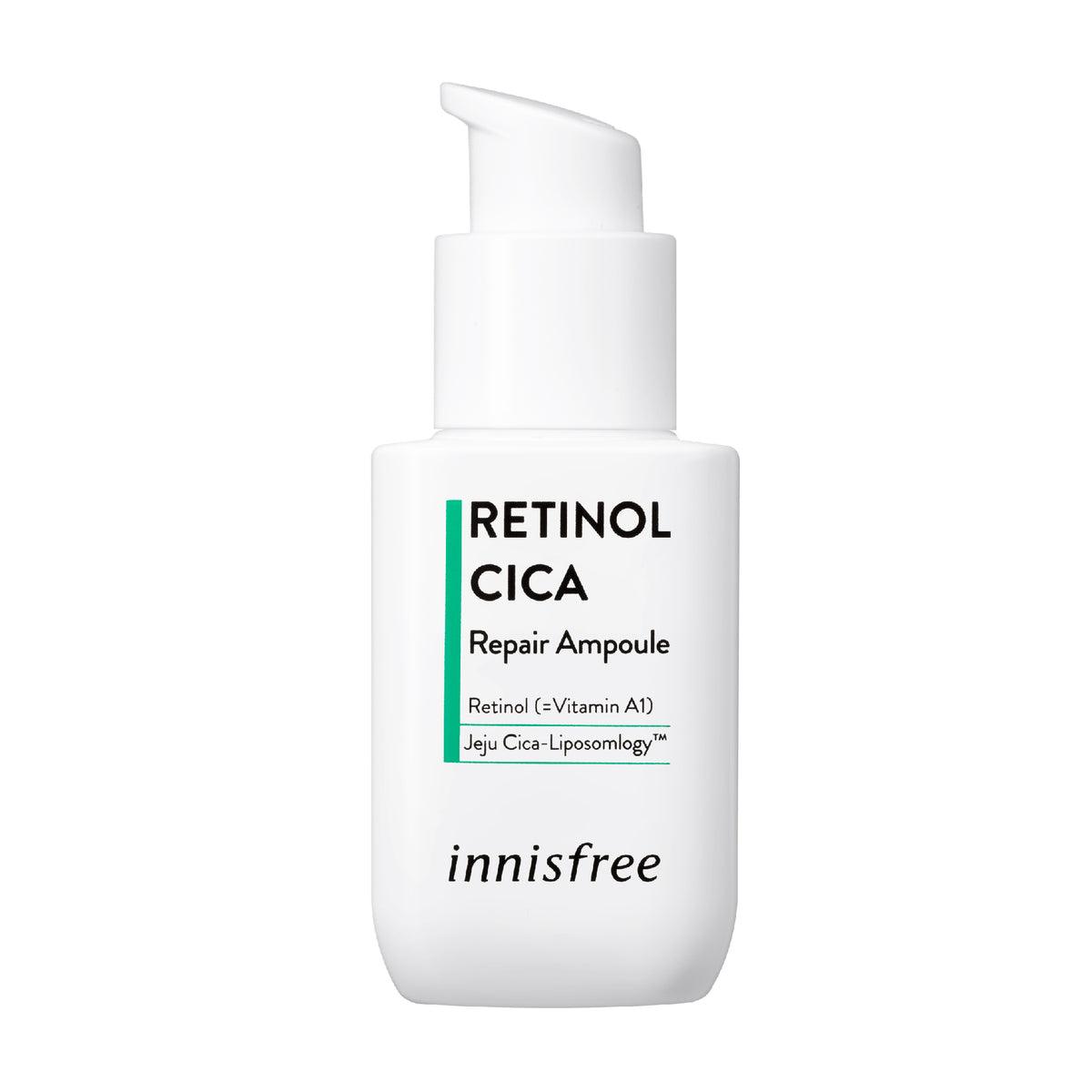
Ah, retinol. A true skincare superstar, lauded for its ability to speed up cell turnover, boost collagen production, and tackle everything from acne to deep wrinkles. It’s an ingredient we at Glow Coded genuinely respect and recommend, and if you’re curious about how to get started, our retinol guide is a fantastic resource.
Однако ретинол подходит далеко не всем. Его мощное действие часто требует серьезного периода адаптации, который обычно называют «ретинизацией». Это может проявляться так:
- Раздражение и покраснение: Особенно в первые недели кожа может стать заметно красной и ощущаться дискомфортно чувствительной.
- Сухость и шелушение: Ускоренное обновление клеток может привести к сухости и шелушению, когда появляются новые клетки кожи.
- Обострение: У некоторых ретинол сначала может ухудшить высыпания, так как он очищает забитые поры.
- Повышенная чувствительность к солнцу: Ретинол делает вашу кожу более уязвимой к УФ-повреждениям, поэтому необходимо тщательно наносить солнцезащитный крем каждый день (что, давайте будем честны, вам и так нужно делать!).
- Противопоказания: Это важный пункт. Беременным и кормящим женщинам категорически не рекомендуется использовать ретинол и все ретиноиды из-за потенциальных рисков для развития плода. Это оставляет значительную часть женщин в поиске безопасных и эффективных альтернатив.
- Нарушение кожного барьера: Если ваш кожный барьер и так ослаблен, введение ретинола может усугубить проблему, приводя к еще большей чувствительности и дискомфорту.
Для многих эти побочные эффекты просто невыносимы, или же соображения здоровья делают ретинол неприемлемым. Именно эту нишу и призван заполнить бакучиол, предлагая путь к схожим преимуществам без таких драматических последствий.
Does Bakuchiol Actually Work? (The Real Data)
Это тот самый вопрос на миллион долларов, не так ли? В мире ухода за кожей, где модные словечки мелькают быстрее, чем новинки продуктов, очень важно отделять хайп от реальной эффективности. И в случае с бакучиолом, наука действительно убедительна, хотя и с важными нюансами.
Бакучиол – это такой интересный компонент, который добывают из семян и листьев растения Psoralea corylifolia, его еще называют «бабчи». Представляешь, его веками использовали в аюрведической и китайской медицине для разных кожных штучек. А сейчас вот и в западной косметологии он стал суперпопулярным!
The Mechanism of Action: Mimicking Retinol (Without Being Retinol)
Знаешь, что самое крутое в бакучиоле? Есть предположения, что он работает почти как ретинол! В отличие от многих «альтернатив ретинолу», которые действуют совсем по-другому, некоторые исследования показывают, что бакучиол может активировать те же рецепторы в коже, что и ретиноиды. А это важно! Эти рецепторы – как ключики, которые запускают в клетках целую цепочку событий: больше коллагена, быстрее обновление кожи и меньше пигментации.
Но тут есть нюанс: бакучиол – это не ретиноид. Он совсем не похож по структуре на ретинол или третиноин. И именно поэтому, скорее всего, он так мягко действует и не вызывает сильного раздражения. Он как бы «дружит» с теми же рецепторами, но делает это по-своему, не так агрессивно, и, возможно, не запускает все те воспалительные процессы, которые иногда бывают от ретиноидов.
What the Research Shows (and What it Doesn’t):
Multiple studies, both in vitro (test tube) and in vivo (on human skin), have explored bakuchiol’s effects:
- Антивозрастной эффект: Есть одно классное исследование 2019 года, где сравнивали крем с 0,5% бакучиола (дважды в день) и крем с 0,5% ретинола (один раз в день) в течение 12 недель. Результаты просто бомба! Бакучиол показал себя так же хорошо, как ретинол, в борьбе с морщинками и пигментацией. А главное – кожа от него шелушилась и жглась гораздо меньше. Это исследование – одно из самых сильных доказательств его эффективности.
- Стимуляция коллагена: Бакучиол помогает нашей коже производить коллаген I и IV типов – это те самые белки, которые отвечают за упругость и гладкость. В итоге кожа становится более эластичной, а мелкие морщинки разглаживаются.
- Антиоксидантные свойства: Помимо эффекта, похожего на ретинол, бакучиол – мощный антиоксидант. Он нейтрализует свободные радикалы, защищая кожу от вредного воздействия окружающей среды и преждевременного старения. Это еще один плюс, потому что окислительный стресс очень сильно вредит коже.
- Противовоспалительное действие: Исследования показывают, что бакучиол успокаивает кожу и уменьшает покраснения. Это делает его идеальным для чувствительной кожи или кожи, склонной к высыпаниям, когда нужно бороться с воспалениями.
- Борьба с пигментацией: Как и ретинол, бакучиол помогает осветлить темные пятна, пигментные пятна от солнца и следы постакне, влияя на выработку меланина.
- Акне: Благодаря своим противовоспалительным и антибактериальным свойствам, а также способности ускорять обновление клеток, бакучиол может быть полезен при акне. Но тут пока еще нужны дополнительные исследования.
Realistic Expectations: It’s Good, But Not a Miracle Cure for Deep Wrinkles
Конечно, данные очень радуют, но важно быть реалистками. Бакучиол – это не полная замена сильным аптечным ретиноидам (вроде третиноина), если речь идет о глубоких, застарелых морщинах или серьезном фотостарении. Для таких проблем мощное действие ретиноидов из аптеки часто дает более заметный результат.
Think of bakuchiol as a highly effective, gentle, and well-rounded alternative that excels at:
- Уменьшение мелких морщинок и первых признаков старения.
- Повышение упругости и эластичности кожи.
- Осветление легкой и умеренной пигментации.
- Улучшение текстуры и тона кожи.
- Защита от свободных радикалов.
- Снятие воспалений.
Это просто супер-ингредиент для профилактики старения, чтобы сохранить молодость кожи, и для тех, кто ну никак не может подружиться с ретинолом или использовать его. Результаты заметны, но, возможно, приходят чуть медленнее и не так интенсивно, как от его собрата из витамина А.
Who Should Use Bakuchiol (and Who Shouldn’t)
Bakuchiol’s unique profile makes it an excellent choice for a specific demographic, while others might find it less necessary.
You SHOULD Consider Bakuchiol If:
- У тебя чувствительная кожа: Это, пожалуй, самая большая группа счастливчиков. Если ретинол постоянно вызывает раздражение, покраснение или шелушение, бакучиол — твой спаситель! Он даст антивозрастной эффект без всякого дискомфорта.
- Ты беременна или кормишь грудью: Вот где бакучиол просто незаменим как безопасная альтернатива. Конечно, всегда лучше посоветоваться с врачом перед введением любых новых ингредиентов в этот период, но бакучиол считается безопасным.
- Ты новичок в мире ретинола (и немного боишься): Если мысль о «чистке» кожи ретинолом и возможном раздражении останавливает тебя, бакучиол — это просто фантастический старт в мир активных антивозрастных ингредиентов. Он поможет твоей коже мягко привыкнуть к ускоренному обновлению клеток и стимуляции коллагена.
- Хочешь усилить свой уход с ретинолом: Некоторые девушки используют бакучиол утром для его антиоксидантных и противовоспалительных свойств, а ретинол — вечером. Это может дать синергетический эффект, обеспечивая более комплексный антивозрастной уход при меньшем общем раздражении, чем если бы ты использовала ретинол дважды в день.
- Ты за натуральные ингредиенты: Если ты больше склоняешься к натуральной или растительной косметике, бакучиол идеально впишется в твою философию.
- У тебя ослабленный кожный барьер: Благодаря своей мягкости, бакучиол гораздо меньше рискует нарушить уже нежный кожный барьер, чем ретинол. Он даже может помочь поддержать его благодаря своим антиоксидантным и противовоспалительным свойствам.
Who MIGHT NOT Need Bakuchiol (or find it less impactful):
- Ты уже в восторге от ретинола/ретиноидов высокой концентрации: Если твоя кожа прекрасно переносит рецептурный третиноин или ретинол из масс-маркета высокой концентрации, и ты видишь желаемые результаты в борьбе с глубокими морщинами или серьезными высыпаниями, нет веской причины полностью переходить на бакучиол. Его можно добавить для антиоксидантного эффекта, но он вряд ли заменит интенсивность твоего текущего ретиноида.
- Ты ждешь супер-быстрых и драматических результатов при серьезных проблемах: Бакучиол, хоть и эффективен, действует обычно более постепенно и менее мощно, чем рецептурные ретиноиды. Если у тебя очень глубокие морщины или сильные повреждения от солнца, и ты ищешь самое агрессивное лечение, возможно, ретиноид, назначенный врачом, будет более прямым путем.
Bakuchiol vs Retinol: The Honest Comparison
To truly understand bakuchiol’s place in your routine, it’s helpful to see how it stacks up against its more famous cousin.
| Feature | Bakuchiol | Retinol (OTC) | Prescription Retinoids (e.g., Tretinoin) |
|---|---|---|---|
| Source | Plant-derived (Psoralea corylifolia) | Vitamin A derivative | Vitamin A derivative |
| Mechanism | Activates retinoid receptors (some studies), antioxidant, anti-inflammatory | Converts to retinoic acid in skin, binds to retinoid receptors | Directl |