Dark spots are stubborn. Whether they come from acne scars, sun damage, or hormonal changes, those patches of hyperpigmentation can linger for months or even years without targeted treatment. The frustrating part is that they’re technically “healed” skin. The inflammation is gone, but the melanin left behind refuses to cooperate.
Korean skincare takes a layered approach to dark spots. Rather than relying on a single aggressive product, K-beauty stacks multiple gentle brightening ingredients across your routine. The result is effective fading without the irritation, peeling, and sensitivity that come with harsh Western treatments.
Why Dark Spots Form
Post-inflammatory hyperpigmentation (PIH). The most common type for younger skin. After acne, a cut, or any skin injury, inflammation triggers excess melanin production. The spot stays dark long after the original blemish has healed.
Sun spots (solar lentigines). Caused by cumulative UV exposure over years. These tend to appear on the face, hands, and chest in your 30s and beyond.
Melasma. Hormone-driven hyperpigmentation, often triggered by pregnancy, birth control, or hormonal changes. Appears as larger, diffuse patches. Melasma is the hardest to treat and the most likely to recur.
The Best K-Beauty Ingredients for Dark Spots
Niacinamide (Vitamin B3)
The most versatile brightening ingredient in K-beauty. Niacinamide inhibits the transfer of melanin from melanocytes to keratinocytes (the surface skin cells where you see it). At 2 to 5% concentration, it’s gentle enough for daily use on all skin types.
Bonus benefits. Niacinamide also reduces sebum production, strengthens the moisture barrier, and minimizes pore appearance. It’s one of the most useful ingredients in any routine.
Vitamin C (L-Ascorbic Acid)
A potent antioxidant that inhibits tyrosinase, the enzyme responsible for melanin production. Vitamin C both prevents new dark spots and fades existing ones. The challenge is stability: L-ascorbic acid oxidizes quickly. Look for products in opaque, airless packaging.
Alpha Arbutin
A naturally derived form of hydroquinone without the safety concerns. Alpha arbutin inhibits tyrosinase activity gently and gradually. Well-tolerated by sensitive skin and works well alongside niacinamide or vitamin C.
Tranexamic Acid (TXA)
Originally developed as a blood-clotting agent, TXA has proven remarkably effective against hyperpigmentation, especially melasma. It’s stable, well-tolerated, and increasingly popular in Korean formulations.
The Dark Spot Fading Routine
Morning
1. Gentle cleanser. Nothing harsh. A low-pH gel or foam cleanser that doesn’t strip the skin.
2. Vitamin C serum. Apply to clean skin before any other products.
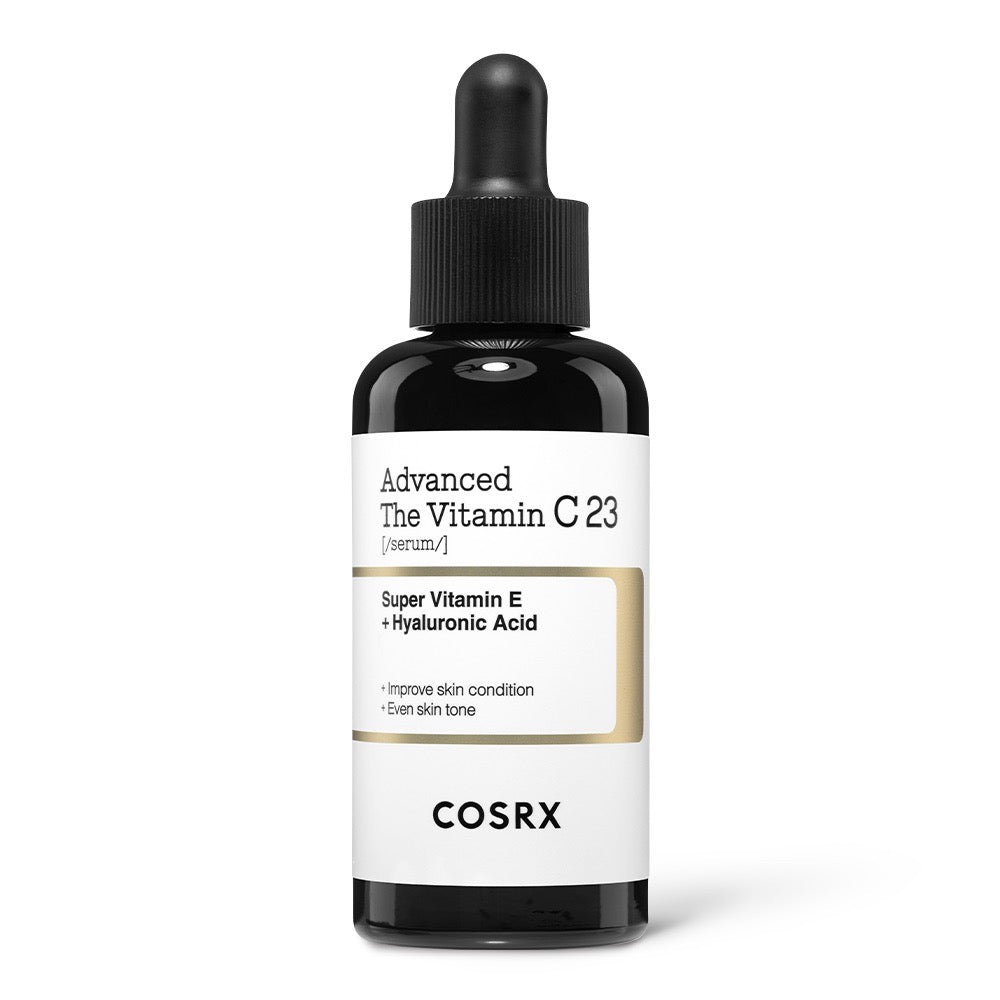
Our pick. COSRX The Vitamin C 23 Serum. 23% pure L-ascorbic acid in a stable, lightweight formula. Start with the 13% version if your skin is sensitive.
3. Niacinamide serum. Layer over vitamin C after it absorbs.
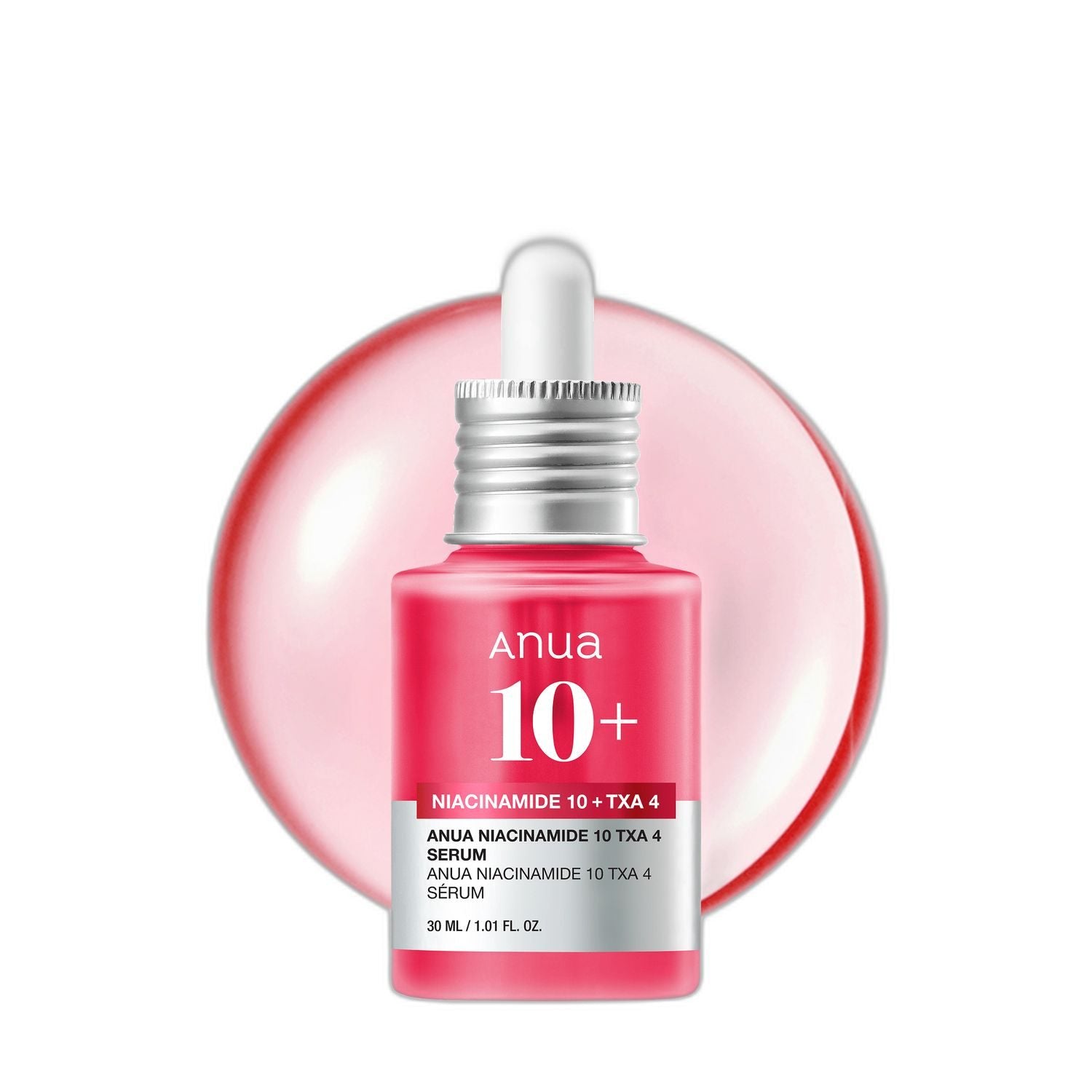
Our pick. Anua Niacinamide 10% + TXA 4% Dark Spot Correcting Serum. Combines two powerful brightening ingredients in one product.
4. Moisturizer.
5. Sunscreen (SPF 50+). Non-negotiable. UV exposure is the number one cause of dark spots and the number one reason they don’t fade. Choose a no-white-cast Korean sunscreen.
Evening
1. Double cleanse. Oil cleanser followed by water-based cleanser. Removes sunscreen completely.
2. Exfoliating toner (2 to 3 times per week). A gentle AHA toner speeds up cell turnover, bringing fresh skin to the surface faster.
Our pick. Beauty of Joseon Green Plum AHA BHA Toner. Natural fruit acids for gentle, effective exfoliation.
3. Dark spot treatment.
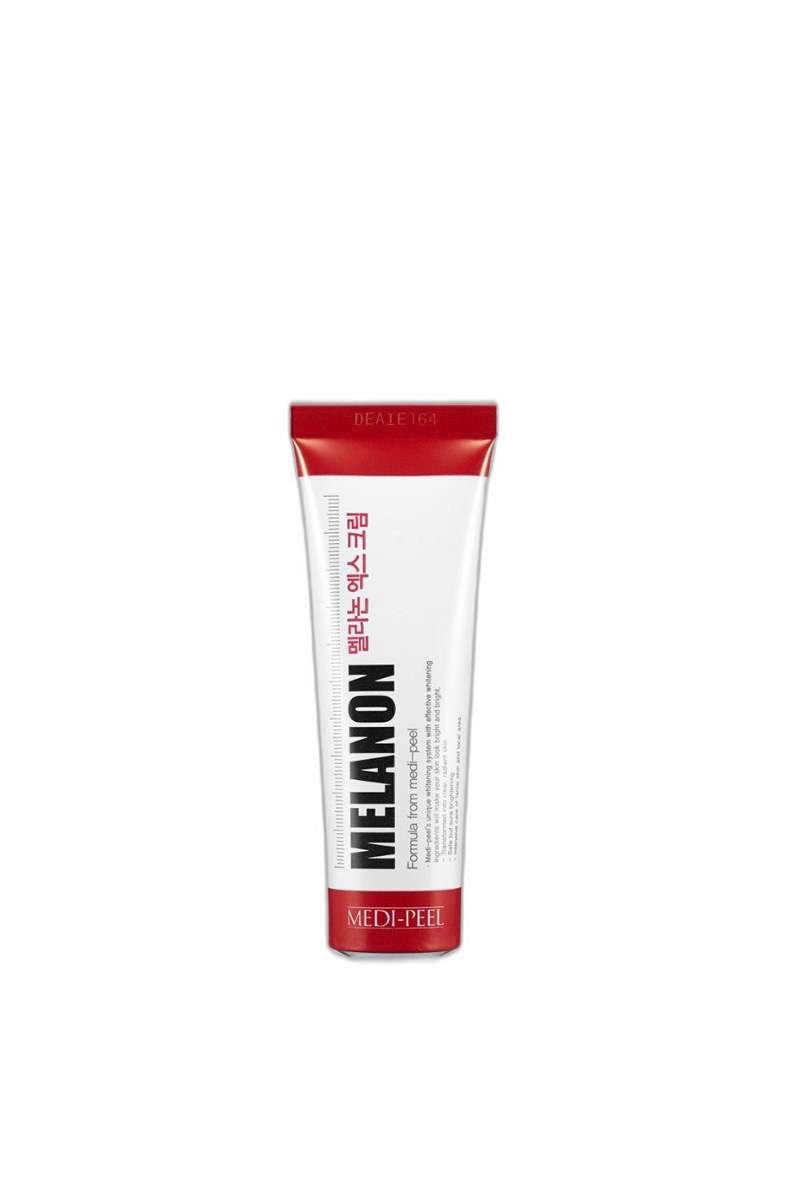
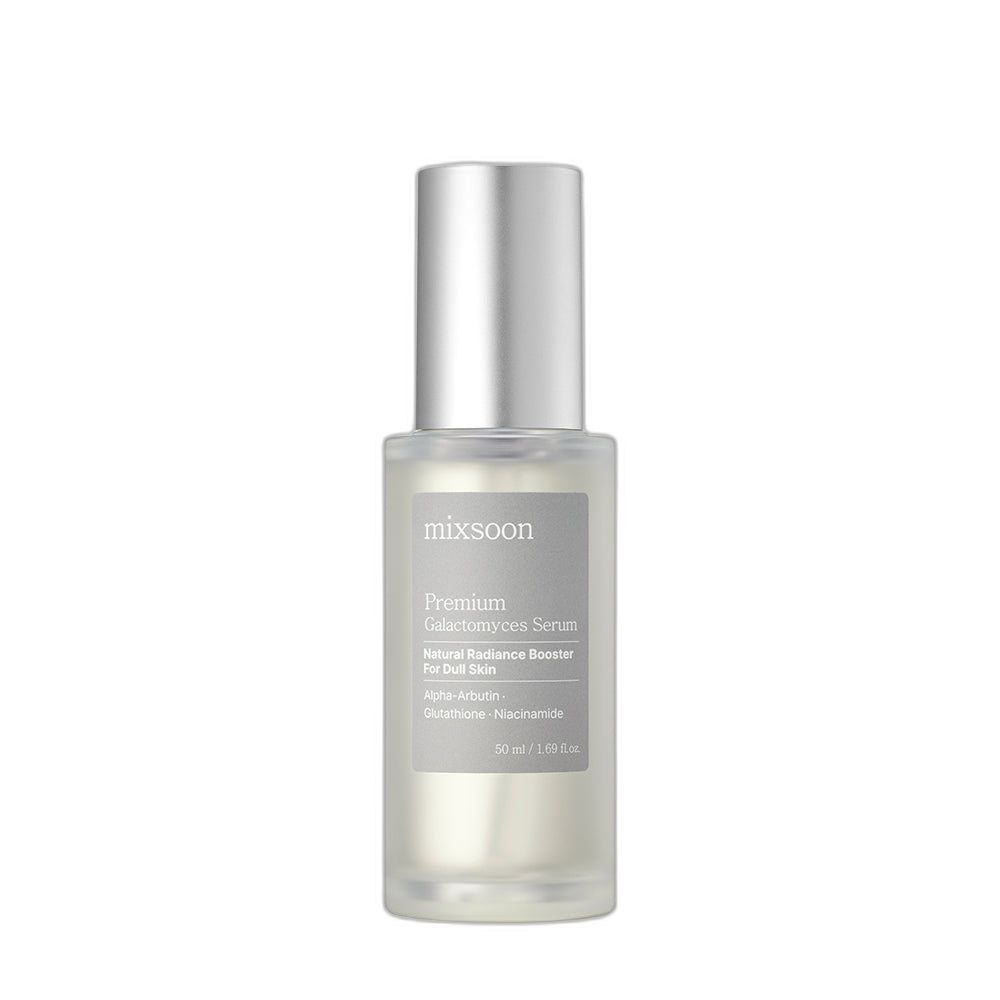
Our pick. MEDIPEEL Melanon X Cream. Concentrated dark spot treatment with glutathione, niacinamide, and alpha arbutin.
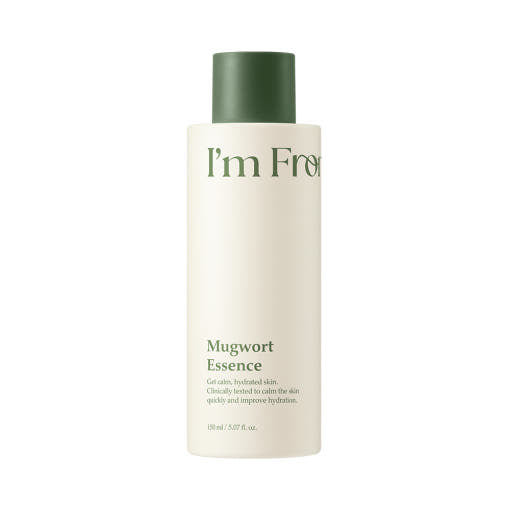
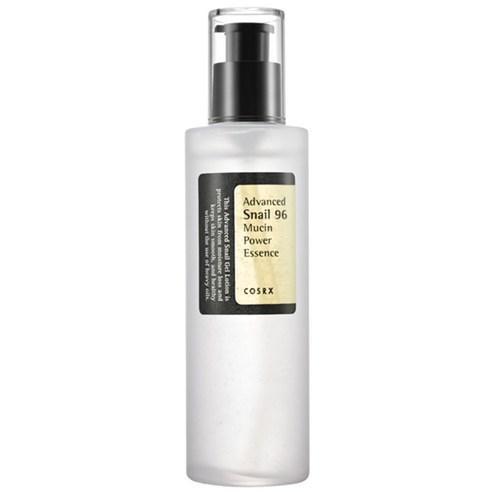
4. Hydrating essence. Snail mucin or hyaluronic acid to repair and hydrate.
5. Moisturizer. Lock everything in.
Timeline for Results
Weeks 1 to 2. No visible change. The ingredients are working at a cellular level, but surface results take time.
Weeks 3 to 4. PIH (acne marks) may start showing subtle improvement. Spots appear slightly less vivid.
Weeks 6 to 8. Noticeable fading for most PIH. Sun spots begin responding. Skin looks generally brighter.
Months 3 to 6. Significant improvement. Deep pigmentation and melasma take this long.
Common Mistakes
Skipping sunscreen. The single biggest reason dark spots don’t fade. Even 10 minutes of unprotected sun exposure can undo weeks of brightening treatment.
Using too many actives at once. Vitamin C, niacinamide, AHA, retinol, and arbutin all in one routine is a recipe for irritation. Start with one or two and add slowly.
Expecting overnight results. Fading takes weeks to months. If you switch products every two weeks, you’ll never give any single product enough time to work.
Picking at spots. Post-acne dark spots are already trauma responses. Adding more trauma by picking guarantees a darker, longer-lasting mark.
Ingredients to Avoid
- Hydroquinone (above 2%). Can cause rebound hyperpigmentation with prolonged use.
- Lemon juice. Too acidic. Causes chemical burns and photosensitivity.
- Baking soda. Far too alkaline. Destroys the acid mantle.
Stick with the proven K-beauty ingredients above. They work. They’re safe. They just require patience.
For more on how stress hormones like cortisol affect your skin and contribute to hyperpigmentation, see Meditation and Cortisol: How Stillness Heals Skin on Rooted Glow.
If your dark spots are specifically post-breakout marks (post-inflammatory hyperpigmentation), our targeted post-acne dark spots fade routine is a faster-acting companion to this guide — same actives, different sequencing built around sensitive, recovering skin.
Frequently Asked Questions
What is the fastest way to fade dark spots with K-beauty?
Daily vitamin C serum (15% to 20%) in the morning, tranexamic acid or arbutin serum at night, and strict daily sunscreen. This combination targets pigmentation from multiple angles and delivers visible fading in 6 to 8 weeks for most people.
Does vitamin C really fade dark spots?
Yes, but slowly and consistently. Vitamin C inhibits tyrosinase (the enzyme that produces melanin) and also works as an antioxidant that prevents new damage. Expect 6 to 12 weeks for visible fading on mild spots; longer for deeper pigmentation.
Can I use hydroquinone with K-beauty products?
Yes, though hydroquinone isn’t a Korean ingredient — it’s a prescription brightener. Most K-beauty products layer safely with hydroquinone, but alternate it with retinol rather than stacking them on the same night. Hydroquinone is strong; don’t add more actives to it without a dermatologist’s guidance.
Is kojic acid worth adding to a dark spot routine?
Kojic acid is one of the most effective alternatives to hydroquinone in K-beauty — especially for people who want an OTC option that works through tyrosinase inhibition. Our kojic acid Korean skincare guide explains how it compares to arbutin and hydroquinone, and which 5 Korean products contain the best concentrations.
How long does it take for post-acne dark spots to fade on their own?
3 to 6 months without any treatment. With a consistent K-beauty brightening routine, that window shortens to 6 to 10 weeks for surface-level marks. Deeper or older pigmentation takes longer. Our post-acne dark spots fade routine is optimized for this specific case.
What’s the best Korean ingredient for melasma?
Tranexamic acid has the strongest evidence. It inhibits melanin production and, unlike many brightening actives, works on hormonally driven pigmentation like melasma. Pair it with daily mineral sunscreen (chemical sunscreens are also fine, but strict SPF adherence is what matters most with melasma). For a full melasma-specific routine with AM and PM product recommendations, see our melasma Korean skincare routine.
Can I use retinol to fade dark spots?
Yes. Retinol accelerates cell turnover, which brings pigmented cells to the surface faster so they shed. It also supports collagen synthesis for overall skin quality. Combine retinol at night with vitamin C in the morning for a complete anti-pigmentation strategy. See our retinol for beginners guide for safe introduction.
Why are my dark spots getting worse instead of better?
Almost always one of two things: inconsistent sunscreen use (UV re-activates melanin production instantly), or irritation from overly aggressive actives (inflammation causes more pigmentation, especially on darker skin tones). Scale back, focus on sun protection, and restart slowly.
Is Korean skincare effective for darker skin tones?
Yes. The ingredients (vitamin C, niacinamide, tranexamic acid, arbutin) work on all skin tones. The main consideration for darker skin is avoiding irritation — post-inflammatory hyperpigmentation is more pronounced on melanin-rich skin, so introduce actives slowly and prioritize barrier support.