The acne is finally gone. The active breakouts have healed, the inflammation has calmed, and you should be relieved. But you’re not. Because now you’re left with a constellation of dark spots, red marks, and uneven patches that somehow look worse than the pimples did.
Post-acne marks are the cruelest part of the whole experience. You did everything right — treated the breakouts, resisted picking, waited patiently. And your reward is a face full of discoloration that takes months to fade on its own. Months. Some marks linger for over a year without intervention.
The good news: you don’t have to wait. A targeted routine with the right ingredients can cut that timeline dramatically. K-beauty excels here because Korean skincare has been obsessed with “bright, even skin” for decades, and the product formulations reflect that focus.
PIH vs. PIE: Brown Marks vs. Red Marks
First, you need to identify what you’re actually dealing with, because the treatments differ.
Post-Inflammatory Hyperpigmentation (PIH)
What it looks like: Brown, tan, or dark spots. The color ranges from light brown to almost black depending on your skin tone.
What’s happening: Inflammation from the breakout triggered melanocytes to overproduce melanin. The excess deposits in the skin, leaving a dark mark where the pimple was.
Who gets it: Everyone, but significantly more common and persistent in medium to deep skin tones (Fitzpatrick types III-VI). Melanocytes in darker skin are more reactive to inflammation.
The press test: Press a clear glass against the mark. If it’s still visible when you press (the color doesn’t blanch), it’s PIH.
Post-Inflammatory Erythema (PIE)
What it looks like: Flat red or pink marks. Sometimes slightly purple.
What’s happening: The breakout damaged small blood vessels (capillaries). The redness is from dilated or broken capillaries that haven’t healed yet.
Who gets it: Most common in lighter skin tones (Fitzpatrick types I-III) where redness shows through thinner, less pigmented skin.
The press test: Press a clear glass against the mark. If the red color fades or disappears when pressed, it’s PIE (you’re blanching the blood out of the dilated vessels).
Why this matters: PIH responds well to brightening ingredients that target melanin production. PIE is a vascular issue and responds better to ingredients that repair blood vessels and reduce inflammation. Some ingredients help both — niacinamide and centella are among them.
Why Sunscreen Is Step One
This isn’t optional, and it’s not something you can skip because you “don’t go outside much.” UV radiation directly stimulates melanin production. Every minute of unprotected sun exposure on PIH marks makes them darker and more persistent. UV also increases inflammation, which slows PIE healing.
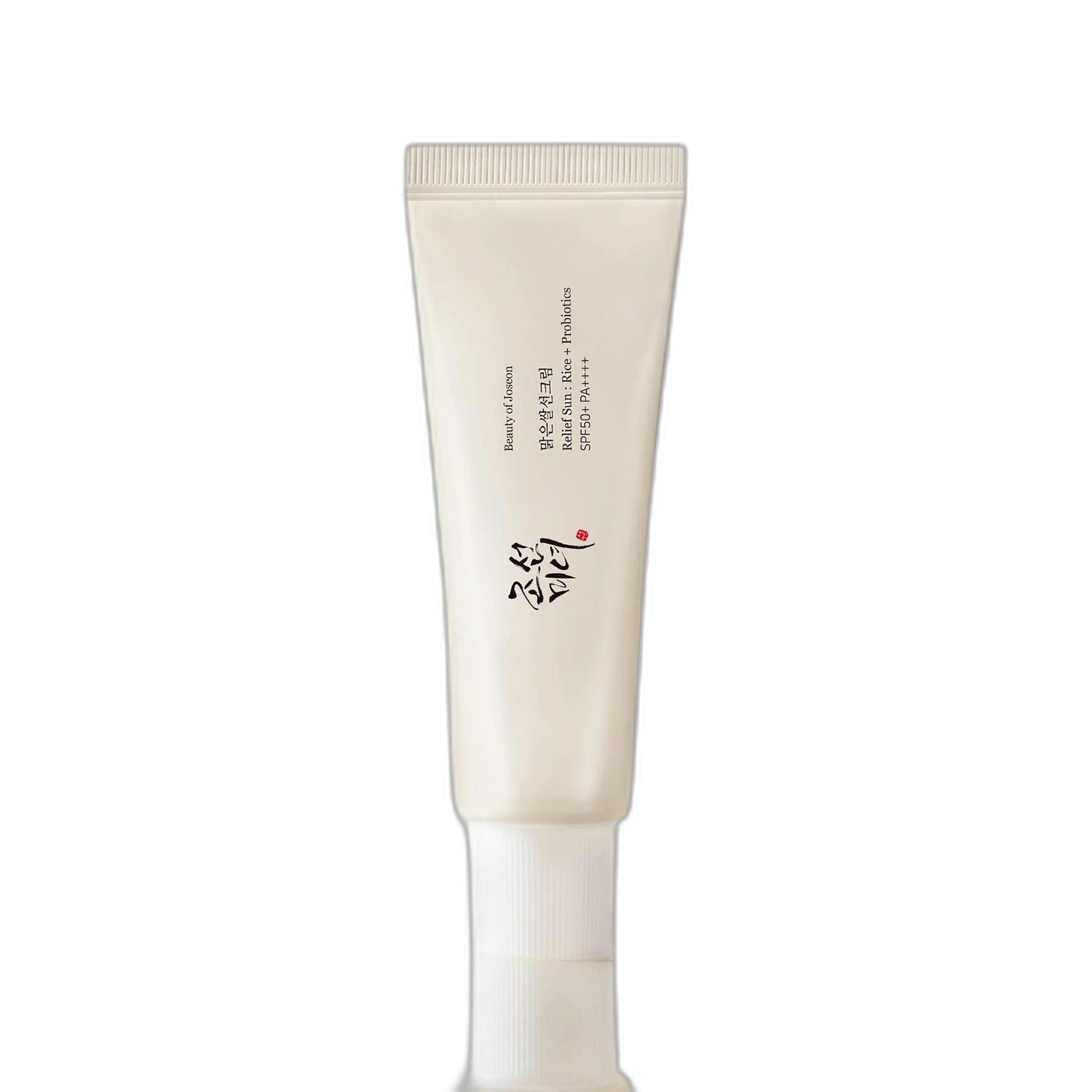
The Beauty of Joseon Relief Sun: Rice + Probiotics pulls double duty: SPF 50+ PA++++ protection, plus rice extract with mild brightening properties. It sits beautifully under makeup and leaves no white cast.
Shop Beauty of Joseon Relief Sun →
Reapply every 2 hours outdoors. For more options, check our best Korean sunscreens guide. Without consistent sunscreen, every other product in this routine works at half capacity.
The Brightening Routine
AM Routine: Protect and Brighten
Step 1: Gentle cleanser
Wash with a low-pH cleanser. Nothing harsh — your skin is already dealing with post-inflammatory damage and you don’t want to add barrier stress on top of it.
Step 2: Vitamin C serum
Vitamin C (L-ascorbic acid) inhibits tyrosinase, the enzyme that starts the melanin cascade. Applied in the morning, it also provides antioxidant protection against UV-induced pigmentation — a perfect complement to sunscreen.
The Torriden DIVE-IN Vita C Ampoule uses a stabilized vitamin C derivative that’s less irritating than pure L-ascorbic acid but clinically effective. It layers well under sunscreen without pilling.
Shop Torriden Vita C Ampoule →
Apply to clean skin and let it absorb for 1-2 minutes before sunscreen.
Step 3: Moisturizer (optional if sunscreen is hydrating enough)
If your skin needs an extra layer, use something lightweight and non-comedogenic.
Step 4: Sunscreen
Beauty of Joseon Relief Sun as above. Non-negotiable.
PM Routine: Treat and Repair
Step 1: Double cleanse
Remove sunscreen and the day’s grime thoroughly. Oil cleanser first, then water-based cleanser.
Step 2: Niacinamide treatment
Niacinamide (vitamin B3) is arguably the most versatile ingredient for post-acne marks. It inhibits melanosome transfer (stops melanin from reaching the skin surface), strengthens the skin barrier, reduces inflammation, and regulates sebum production. It addresses both PIH and PIE.
The Anua Niacinamide 10% + TXA 4% Dark Spot Correcting Serum combines high-concentration niacinamide with tranexamic acid — another powerhouse for pigmentation that works by interrupting the melanin synthesis pathway at a different point than niacinamide. The combination attacks dark spots from multiple angles.
Shop Anua Niacinamide 10% + TXA 4% Dark Spot Serum →
Step 3: Brightening essence or serum
Layer a second brightening product for accelerated results. The Beauty of Joseon Glow Serum: Propolis + Niacinamide adds propolis (anti-inflammatory, healing) to more niacinamide. It gives skin a visible glow while working on the marks underneath.
Shop Beauty of Joseon Glow Serum →
Step 4: Targeted cream
The AXIS-Y Dark Spot Correcting Glow Cream is a treatment moisturizer that provides both hydration and brightening in one step. It contains niacinamide, rice bran, and sea buckthorn — all evidence-backed for reducing hyperpigmentation. Use it as your final PM step to seal in everything underneath.
Shop AXIS-Y Dark Spot Correcting Glow Cream →
Product Picks by Mark Type
For PIH (brown/dark marks):
- Primary: Anua Niacinamide + TXA Serum (targets melanin production directly)
- Support: Torriden Vita C Ampoule (morning), AXIS-Y Dark Spot Cream (evening)
- AHA exfoliation 2x/week to speed cell turnover (see our exfoliant guide)
For PIE (red marks):
- Primary: Beauty of Joseon Glow Serum (propolis calms inflammation, niacinamide strengthens vessels)
- Support: Centella-based products — cica creams and serums are excellent for PIE
- Azelaic acid (prescription strength for stubborn redness)
For both:
- Niacinamide at 5-10% — addresses pigmentation and inflammation simultaneously
- Sunscreen — protects against worsening of both types
- Gentle routine — no harsh actives that could cause new inflammation (and new marks)
Timeline: When Will My Marks Fade?
Set realistic expectations. Post-acne marks are not something you can rush.
PIE (red marks): 3-6 months with treatment. Lighter marks can resolve in 4-8 weeks.
PIH (brown marks): 3-12 months with treatment. Superficial marks respond fastest. Deep, dark marks in melanin-rich skin can take a full year.
Without treatment: PIE and PIH can persist for 1-2+ years. Some deep PIH marks become semi-permanent.
What speeds it up: Consistent niacinamide + vitamin C + sunscreen, no picking, and a complete Korean skincare routine.
What slows it down: Sun exposure without SPF, continuing breakouts, picking, and irritating products.
Frequently Asked Questions
Can I use vitamin C and niacinamide together?
Yes. The old claim that vitamin C and niacinamide “cancel each other out” or cause flushing has been debunked. Modern formulations are stable enough to use together. In fact, using vitamin C in the morning and niacinamide in the evening is one of the most effective anti-pigmentation strategies available. For more on this, see our niacinamide vs. vitamin C guide.
Will retinol help fade dark spots?
Retinol accelerates cell turnover, which helps bring pigmented cells to the surface faster and shed them. It’s effective for PIH but should be introduced carefully to avoid irritation that causes new marks. Start slowly — check our retinol beginner’s guide before jumping in.
I have dark skin — are these products safe for me?
All products in this routine are safe for deep skin tones. Niacinamide and tranexamic acid are specifically recommended for melanin-rich skin because they work gently without bleaching or irritation risks. Avoid harsh peels and aggressive laser treatments without dermatologist guidance, as these carry higher PIH risk for darker skin.
Do pimple patches help prevent dark spots?
Absolutely. Using a hydrocolloid pimple patch on active breakouts reduces the temptation to pick (a major cause of worsened PIH), protects the blemish from external irritants, and creates a healing environment that minimizes inflammation. Less inflammation during the breakout phase means lighter marks afterward.
My dark spots are getting worse even though I’m treating them — what’s wrong?
The most likely culprit is sun exposure. Even 15 minutes of unprotected UV can darken PIH marks significantly. If your sunscreen routine is solid, check whether any products in your routine are causing irritation or inflammation — your skin’s response to irritation is to produce more melanin, which darkens existing marks.
If your pigmentation is hormonally driven (common during pregnancy or perimenopause) rather than acne-caused, PIH treatments alone often won’t be enough. Our melasma Korean skincare routine covers the specific fading stack for that type of stubborn, UV-triggered pigmentation.