Run your fingers across your forehead. Feel those tiny bumps? Now look in the mirror with side lighting. See the uneven texture, the little closed comedones, the pores that look bigger than they used to? That’s congested skin, and no amount of primer or filter is going to fix it.
Textured skin is one of the most common complaints in skincare, and one of the most misunderstood. People throw every exfoliant, pore strip, and “miracle” serum at it simultaneously, and then wonder why it gets worse. The fix isn’t adding more products. The fix is a strategic, phased approach that addresses congestion at every level — and it takes about four weeks to see real results.
Why Skin Gets Textured
Smooth skin isn’t about having invisible pores (that’s genetic and nobody has truly invisible pores). Smooth skin means your pores aren’t clogged, your cell turnover is healthy, and your skin surface is even.
Texture develops when any of these things go wrong:
Dead skin cell buildup. Your skin sheds about 30,000-40,000 dead cells per hour. When turnover slows — from aging, dehydration, or over-cleansing — dead cells accumulate, creating a rough, bumpy texture.
Sebum trapped in pores. Sebum should flow freely to the skin surface. When dead cells block the pore opening, sebum gets trapped underneath, forming a comedone — the fundamental unit of congested skin.
Product buildup. Heavy silicones and comedogenic formulas leave residue in pores over time. If your cleansing routine isn’t removing everything, it accumulates.
Dehydration paradox. Dehydrated skin overproduces oil to compensate, leading to more congestion. The texture you’re seeing might be a hydration problem in disguise. Understanding your skin type is critical.
Over-exfoliation. Ironically, too many exfoliating products strip the barrier, trigger inflammation, and cause irregular cell turnover — creating more texture, not less.
The 4-Week Reset Plan
This plan works by stripping your routine to the bare minimum, then systematically reintroducing products that address congestion. Patience is required. If you skip ahead or pile on products too fast, you’ll be back where you started.
Week 1: Strip Back to Basics
Goal: Remove everything that might be contributing to congestion. Let your skin baseline.
Morning routine:
- Rinse with lukewarm water only (no cleanser)
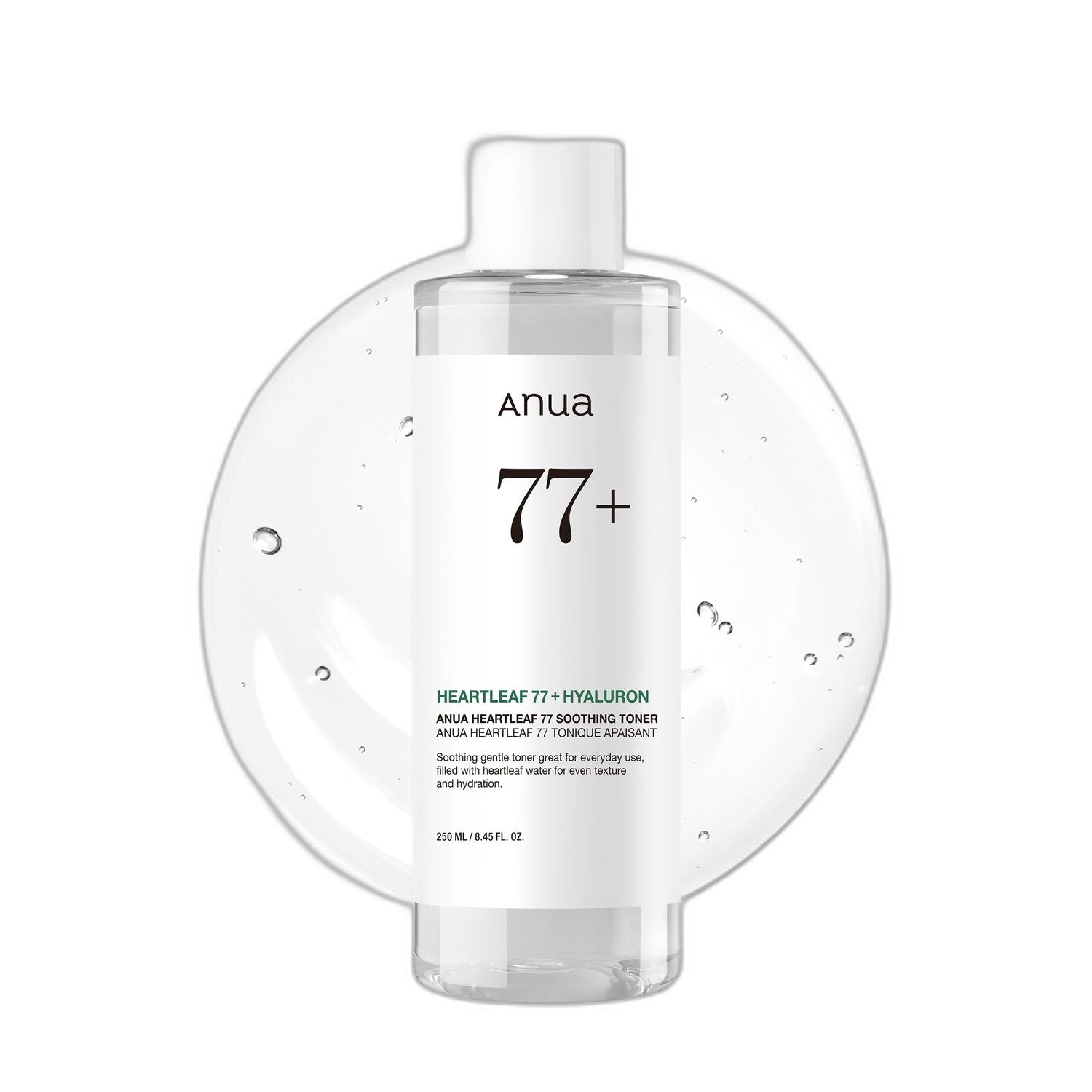
- Hydrating toner — the Anua Heartleaf 77% Soothing Toner is ideal here. Heartleaf is anti-inflammatory and calming without any pore-clogging risk. It hydrates without adding oil.
- Lightweight sunscreen
Shop Anua Heartleaf 77% Soothing Toner →
Evening routine:
- Gentle water-based cleanser
- Anua Heartleaf toner
- Basic moisturizer (non-comedogenic)
What you’re stopping: All actives. No vitamin C, no retinol, no AHA, no BHA, no clay masks, no physical scrubs. This feels counterintuitive, but your skin needs to recalibrate before treatments will work.
What you might notice: Skin may look worse during Week 1 as trapped sebum works its way out without active exfoliation. This is normal. Don’t panic and don’t reach for a pore strip.
Week 2: Introduce BHA
Goal: Begin chemical exfoliation to dissolve the sebum plugs inside your pores.
BHA (salicylic acid) is oil-soluble, meaning it can penetrate into the pore lining and break down the sebum and dead cells forming the plug. AHA can’t do this — it only works on the surface. For textured, congested skin, BHA is the first-line treatment.
The COSRX BHA Blackhead Power Liquid uses betaine salicylate at 4% (equivalent to about 1% salicylic acid), which is strong enough to work but gentle enough for daily use. This is K-beauty’s approach: effective concentration, gentle delivery.
Shop COSRX BHA Blackhead Power Liquid →
How to introduce it:
- Days 1-3: Apply BHA every other evening after cleansing, before toner
- Days 4-7: Apply BHA every evening
- If irritation occurs, drop back to every other day
Purging vs. breakouts: BHA can cause purging — increased breakouts in areas where you already had congestion. Purging means it’s working; it’s pushing existing clogs to the surface faster. True purging resolves within 4-6 weeks and only appears in your usual problem areas. New breakouts in areas where you never get them is not purging — it’s a reaction.
For a deeper dive into chemical exfoliation options, see our AHA vs BHA vs PHA guide.
Week 3: Add Oil Cleansing
Goal: Dissolve surface-level sebum plugs and remove sunscreen/makeup residue completely.
This is where the double cleanse earns its reputation. Oil dissolves oil — an oil cleanser breaks down the sebum, sunscreen, and makeup sitting in your pores far more effectively than a water-based cleanser alone.
The Anua Heartleaf Pore Control Cleansing Oil is formulated specifically for congested skin. It emulsifies cleanly (no oily residue), contains heartleaf for soothing, and doesn’t leave the kind of film that clogs pores further.
Shop Anua Heartleaf Pore Control Cleansing Oil →
The gritting method (optional but satisfying):
- Apply oil cleanser to dry skin
- Massage gently for 60 seconds — you may feel tiny grits under your fingers (these are sebum plugs dissolving)
- Follow with your water-based cleanser
- Apply BHA
- Continue with the rest of your routine
Do this 2-3 times per week. Not every day — over-cleansing is still a risk.
Adding a weekly treatment: Once a week, you can use the Some By Mi AHA BHA PHA Miracle Toner as a more intensive exfoliating step. It combines all three acid types for a surface-to-pore clean. Use it on a night you skip your daily COSRX BHA to avoid over-exfoliating.
Shop Some By Mi AHA BHA PHA Miracle Toner →
Week 4: Maintain and Refine
Goal: Lock in results, add targeted treatments, and establish the routine you’ll keep long-term.
By Week 4, your skin should feel noticeably smoother. Pores appear smaller (they’re the same size, but without the dark plugs stretching them open, they look reduced). Texture is evening out. Makeup applies more smoothly.
Now you can add targeted treatments back into your routine — one at a time, with at least 5 days between each new addition.
The Tocobo Cica Aqua Pad is excellent for maintenance. These pre-soaked pads provide gentle physical and chemical exfoliation with centella extract for soothing. Use 2-3 times per week after cleansing for ongoing pore maintenance.
Your Week 4+ routine:
AM:
- Water rinse or gentle cleanser
- Anua Heartleaf toner
- Lightweight moisturizer
- Sunscreen
PM:
- Oil cleanser (Anua Heartleaf) — 2-3x/week
- Water-based cleanser
- COSRX BHA — most evenings, or Some By Mi AHA BHA PHA toner 1x/week
- Anua Heartleaf toner
- Moisturizer
What NOT to Do
Don’t use pore strips. They rip out the top of sebum filaments but leave the root intact. The filament refills within 24-48 hours, and you’ve just traumatized the pore lining.
Don’t over-exfoliate. Using BHA, AHA, PHA, retinol, and vitamin C simultaneously is carpet-bombing your barrier. A damaged barrier produces more oil and more texture. Pick your battles.
Don’t skip sunscreen. BHA increases photosensitivity, and UV thickens the outer skin layer (hyperkeratinization) — the exact thing causing your texture. Find one among the best Korean sunscreens.
Don’t squeeze. Extracting comedones with your fingers pushes debris deeper. If you must extract, see an esthetician with proper tools.
Don’t expect overnight results. Skin turnover takes about 28 days. The 4-week timeline is one full skin cycle.
Frequently Asked Questions
How long does it take to see smoother skin?
Most people notice a difference by the end of Week 2 when BHA has started clearing pore congestion. Significant improvement in overall texture happens around Week 3-4 as a full cell turnover cycle completes. Maintaining results requires ongoing use of BHA and proper cleansing.
Can I use retinol instead of BHA for texture?
Retinol is excellent for texture long-term, but it speeds up cell turnover rather than dissolving existing clogs. For active congestion, BHA is more effective first. Add retinol after completing this reset, but don’t use it simultaneously with BHA initially. See our retinol beginner’s guide for safe introduction.
Will oil cleansing clog my pores more?
A properly formulated oil cleanser that emulsifies with water won’t clog pores — it dissolves existing clogs. The key is choosing one designed for this purpose (like the Anua Heartleaf Cleansing Oil) rather than raw oils like coconut oil, which can cause congestion.
I have oily skin — should I skip the moisturizer?
Never skip moisturizer, even with oily skin. Dehydrated skin overproduces sebum, worsening congestion. Use a lightweight, non-comedogenic gel moisturizer. Your oily skin routine should focus on hydration without heaviness.
My texture is only on my forehead — what does that mean?
Forehead-specific texture is often linked to hair products (pomades, dry shampoo, oils), hats, or bangs trapping sweat against the skin. It can also indicate fungal acne, especially if the bumps are uniform and itchy. If standard BHA treatment doesn’t improve forehead texture after 4 weeks, read our guide on fungal acne to rule that out.
For those looking to accelerate texture improvements with at-home technology after completing this reset routine, our Medicube AGE-R devices review evaluates whether the booster pro and high focus shot are worth adding to your post-reset maintenance.