So, you’ve taken the plunge and invested in a fractional laser treatment – congratulations! You’re on your way to smoother texture, reduced hyperpigmentation, and a more even-toned complexion. But here’s the honest truth: the results you achieve are just as much about what you do after the laser as what happens during the treatment itself.
Many people focus solely on the procedure, but post-laser care is where the magic (or disaster, if you’re not careful) truly happens. Your skin is in an incredibly vulnerable state, essentially undergoing a controlled injury to stimulate regeneration. This isn’t the time to experiment or rush back to your usual routine. This is the time to embrace the gentle, barrier-focused, and incredibly effective healing wisdom of K-beauty.
At Glow Coded, we’re all about giving you the real deal – no fluff, just honest, expert advice. And when it comes to post-laser recovery, the Korean approach is unparalleled. It’s built on the principle of nurturing the skin barrier, calming inflammation, and providing the optimal environment for rapid, scar-free healing. Forget aggressive exfoliation; think soothing, hydrating, and protecting.
Ready to fast-track your healing and maximize your laser results? Let’s dive into the phased Korean routine that will get your skin glowing, not groaning.
What happens to your skin after laser
First, let’s understand what your skin has just been through. Fractional lasers, like Fraxel or CO2 fractional, work by creating thousands of microscopic thermal zones (MTZs) or tiny columns of injury deep within the skin, leaving surrounding tissue intact. This controlled damage triggers your body’s natural wound-healing response, stimulating collagen production and shedding damaged skin cells.
While incredibly effective, this process leaves your skin feeling and looking like it’s been through a lot. Immediately after the treatment, you can expect:
- Redness and swelling: Your skin will likely be quite red, similar to a severe sunburn, and may feel hot. Swelling is also common, especially around the eyes.
- Sensitivity: Your skin will be extremely tender to the touch.
- Compromised skin barrier: The microscopic channels created by the laser mean your skin’s protective barrier is severely disrupted. This leads to increased transepidermal water loss (TEWL), making your skin prone to dehydration. It also means your skin is more susceptible to environmental irritants and infection.
- “MENDS” or “coffee grounds”: As the tiny wounds heal, damaged skin cells rise to the surface, often appearing as tiny dark spots or specks. This is a normal part of the shedding process.
- Dryness and flaking: As the new skin emerges, the old, damaged skin will start to flake and peel.
Essentially, your skin is an open wound on a microscopic level. It’s screaming for gentle care, deep hydration, and powerful barrier support. Aggressive ingredients or neglecting proper aftercare can lead to prolonged redness, post-inflammatory hyperpigmentation (PIH), delayed healing, and even scarring. This is why a strategic, phased approach is non-negotiable.
Days 1-3: ultra-gentle healing
This is the most critical phase. Your skin is raw, sensitive, and highly vulnerable. The goal here is absolute minimalism: soothe, protect, prevent infection, and hydrate intensely. Think of your skin as a baby – everything needs to be ultra-gentle and nourishing.
What to strictly avoid:
- Acids (AHAs, BHAs, PHAs): Even the mildest exfoliant will cause significant irritation and damage to your compromised barrier. Put them away.
- Retinoids (Retinol, Tretinoin, etc.): These powerful cell turnover boosters are completely off-limits. They will only further irritate and delay healing. If you’re looking to reintroduce them later, check out our retinol guide for safe practices.
- Vitamin C (especially L-Ascorbic Acid): While Vitamin C is a fantastic antioxidant, its pure form (L-AA) can be too acidic and irritating for freshly lasered skin. Save it for later.
- Physical exfoliants: Absolutely no scrubs, brushes, or harsh towels.
- Fragrance and essential oils: These are common irritants. Opt for fragrance-free products.
- Alcohol: Drying and irritating. Check your ingredient lists.
- Heavy makeup: While tempting to cover redness, it can clog pores and interfere with healing. If you must, use mineral makeup sparingly after your skin has had a chance to breathe and heal for at least 24-48 hours, and ensure your skin is thoroughly moisturized first.
What to embrace:
- Ultra-gentle, low pH cleanser: Look for creamy, non-foaming, fragrance-free cleansers. You want to remove impurities without stripping natural oils or irritating the skin.
- Deep hydration with humectants and emollients:
- Panthenol (Vitamin B5): A superstar for soothing and barrier repair. It attracts and holds moisture while supporting skin regeneration.
- Hyaluronic Acid (HA): While fantastic for hydration, a word of caution: in very dry environments without proper occlusion, high molecular weight HA can sometimes draw moisture out of the skin. Stick to products with a mix of molecular weights or ensure you’re layering it under a good occlusive moisturizer. Read more in the truth about hyaluronic acid.
- Glycerin: Another excellent humectant.
- Powerful soothing agents:
- Centella Asiatica (Cica): The undisputed champion of post-procedure healing. Its key compounds (madecassoside, asiaticoside, asiatic acid, madecassic acid) are anti-inflammatory, antioxidant, and boost collagen synthesis. This is your best friend right now. Check out our picks for centella products.
- Barrier-supporting ingredients:
- Ceramides, fatty acids, cholesterol: These are the building blocks of your skin barrier. Replenishing them is crucial for repairing the damage.
Your Days 1-3 Routine:
- Cleanse: Gently cleanse your face with lukewarm water and a pea-sized amount of your ultra-gentle cleanser. Pat dry with a clean, soft towel. Do not rub.
- Soothe & Hydrate: Apply a generous layer of a soothing toner or essence rich in Centella or Panthenol. If using a hydrating serum, apply it here.
- Moisturize: Follow immediately with a thick, occlusive barrier-repairing moisturizer. Don’t be shy – your skin needs this.
- Sunscreen: (More on this later, but it’s non-negotiable from day one, even indoors near windows.)
Days 4-7: barrier rebuilding
By now, the initial redness might be subsiding slightly, and you’ll likely start to experience dryness, flaking, and those “coffee grounds” appearing as your skin sheds. This phase is all about accelerating barrier repair, reducing residual inflammation, and preventing post-inflammatory hyperpigmentation (PIH).
What to still avoid:
- Most potent actives (acids, retinoids, strong Vitamin C).
- Physical exfoliation.
- Fragrance and alcohol.
What to continue and introduce:
- Continue: Gentle cleansing, Centella, Panthenol, Ceramides, Hyaluronic Acid, Glycerin.
- Introduce (cautiously):
- Snail Mucin: This K-beauty powerhouse is incredible for post-laser healing. It contains glycoproteins, hyaluronic acid, and glycolic acid, which promote healing, hydration, and gentle cell turnover. It’s also anti-inflammatory and can help with wound repair and collagen production. It’s a game-changer for reducing irritation and speeding up recovery. Explore our top snail mucin products.
- Niacinamide (Vitamin B3): If your skin is feeling less irritated, you can cautiously introduce a low-concentration niacinamide serum (2-5%). Niacinamide strengthens the skin barrier, reduces inflammation, and can help prevent PIH. However, if your skin is still very sensitive, hold off. Listen to your skin! For more, see our guide to best niacinamide serums.
Your Days 4-7 Routine:
- Cleanse: Gentle cleanser, morning and night.
- Soothe & Repair Essence/Serum: Apply a Centella-rich toner or an essence with Snail Mucin or Niacinamide (if tolerated).
- Moisturize: Continue with your barrier-repairing cream.
- Sunscreen: Religiously.
Days 8-14: reintroducing normal routine (very gently)
The shedding should be largely complete, and your skin should feel less raw, though it might still be quite dry and sensitive. This phase is about consolidating barrier strength, maintaining hydration, and slowly preparing your skin for the reintroduction of more familiar products.
What to still be cautious with:
- Potent actives. Don’t rush it.
What to use:
- Continue: All the barrier-supportive, hydrating, and soothing ingredients.
- Gentle exfoliation (enzyme-based, if needed and tolerated): If your skin is completely healed and you have some lingering flakiness, you might consider a very gentle enzyme exfoliant (papain, bromelain) once during this phase. Absolutely no physical scrubs or acids. If in doubt, skip it.
- Peptides: These amino acid chains can signal the skin to produce more collagen and elastin, aiding in overall skin repair and rejuvenation. They are generally well-tolerated and can be a good addition.
- Hydrating serums/ampoules: Focus on sustained hydration with ingredients like polyglutamic acid or beta-glucan.
- Vitamin C (gentle derivatives): You could try introducing a very stable, low-concentration Vitamin C derivative (like Magnesium Ascorbyl Phosphate or Ascorbyl Glucoside) if your skin feels robust. L-Ascorbic Acid is still probably too potent for most.
Your Days 8-14 Routine:
- Cleanse: Gentle cleanser.
- Toner/Essence: Continue with soothing and hydrating options. You might add a peptide serum here.
- Moisturize: Continue with a rich, barrier-repairing cream.
- Sunscreen: Absolutely.
Days 15-30: when you can reintroduce actives
You’ve made it! Your skin should be looking significantly better, feeling smoother, and less sensitive. This is when you can gradually start reintroducing your usual actives, but remember the golden rule: one at a time, slowly, and listen to your skin.
What to avoid:
- Overdoing it. Don’t reintroduce everything at once. This is how you trigger irritation and undo your progress.
What to reintroduce (gradually):
- Retinoids: Start slowly, perhaps 2-3 times a week, at a lower concentration than you used pre-laser. Monitor your skin’s response closely. Our retinol guide has excellent advice for reintroduction.
- AHAs/BHAs: Similarly, start with a lower concentration and frequency (e.g., once or twice a week).
- Vitamin C (L-Ascorbic Acid): If you use a potent L-AA serum, introduce it slowly, perhaps every other morning, before gradually increasing frequency.
- Peptides and Growth Factors: Continue to use these for their long-term benefits in supporting skin health and collagen production.
- Sunscreen: Your forever companion.
Your Days 15-30 Routine: Gradually build back to your full pre-laser routine, but always prioritize skin barrier health. If you introduce an active and experience redness, irritation, or excessive dryness, scale back immediately and return to a more gentle routine for a few days before trying again. This is a marathon, not a sprint!
What to never skip: sunscreen
We’ve mentioned it in every phase, and for good reason. Sunscreen is not just important; it’s absolutely critical for post-laser healing and maintaining your results. Ignoring sunscreen after a laser treatment is like getting a deep clean at the dentist and then immediately eating a bag of candy.
Why it’s non-negotiable:
- Prevents PIH: Your skin is incredibly vulnerable to hyperpigmentation (dark spots) after laser. UV exposure is the number one trigger for PIH, which can undo all the benefits of your treatment.
- Protects new skin: The fresh, new skin cells emerging are delicate and easily damaged by UV radiation.
- Maintains results: Sun exposure breaks down collagen and elastin, negating the collagen-boosting effects of your laser.
- Prevents further damage: You’ve invested in repairing your skin; don’t let the sun damage it all over again.
Our sunscreen commandments:
- High SPF and PA++++: Look for at least SPF 50 and PA++++ for the highest level of protection against both UVB and UVA rays. Korean sunscreens are renowned for their elegant formulas and superior protection. Discover the best Korean sunscreens that leave no white cast.
- Mineral vs. Chemical: While mineral sunscreens (zinc oxide, titanium dioxide) are often recommended post-procedure for their gentle, physical barrier, modern chemical sunscreens are also incredibly effective and often more cosmetically elegant. Choose what you’ll use consistently. Many K-beauty sunscreens blend both. Read more about Korean SPF vs Western SPF.
- Reapply: Reapply every 2-3 hours, especially if you’re outdoors, sweating, or wiping your face.
- Physical protection: Don’t rely solely on sunscreen. Wear wide-brimmed hats, large sunglasses, and seek shade whenever possible.
4 Korean products every laser patient needs
Navigating the world of K-beauty can be overwhelming, especially when your skin is compromised. Here are four essential product types and specific recommendations that will be your post-laser recovery heroes.
1. The Ultra-Gentle, Hydrating Cleanser
Your cleanser sets the tone for your entire routine. It needs to be effective but utterly non-stripping.
- Round Lab 1025 Dokdo Cleanser (Approx. $12-15 for 150ml)
- Key Selling Points: Known for its low pH and inclusion of deep sea water from Ulleungdo Island, this cleanser is incredibly gentle yet effectively removes impurities. It leaves skin feeling soft and hydrated, never tight. It’s free of harsh sulfates, fragrances, and essential oils, making it perfect for sensitive, post-laser skin.
- Abib Acne Foam Cleanser Heartleaf Foam (Approx. $18-22 for 150ml)
- Key Selling Points: While it says “Acne Foam,” don’t let the name deter you. This cleanser is pH-balanced and features Heartleaf extract (Houttuynia Cordata), which is known for its soothing and anti-inflammatory properties. It creates a soft, fine foam that cleanses without irritation, making it suitable for even compromised skin that needs gentle care.
2. The Soothing & Repairing Essence/Toner
This step delivers crucial healing and hydrating ingredients directly to your vulnerable skin.
- Anua Heartleaf 77% Soothing Toner (Approx. $20-25 for 250ml)
- Key Selling Points: A cult favorite for a reason. With 77% Heartleaf extract, this toner is a powerhouse of anti-inflammatory and soothing benefits. It calms redness, reduces irritation, and provides a layer of hydration without any stickiness. It’s free from irritants, making it ideal for sensitive skin post-laser.
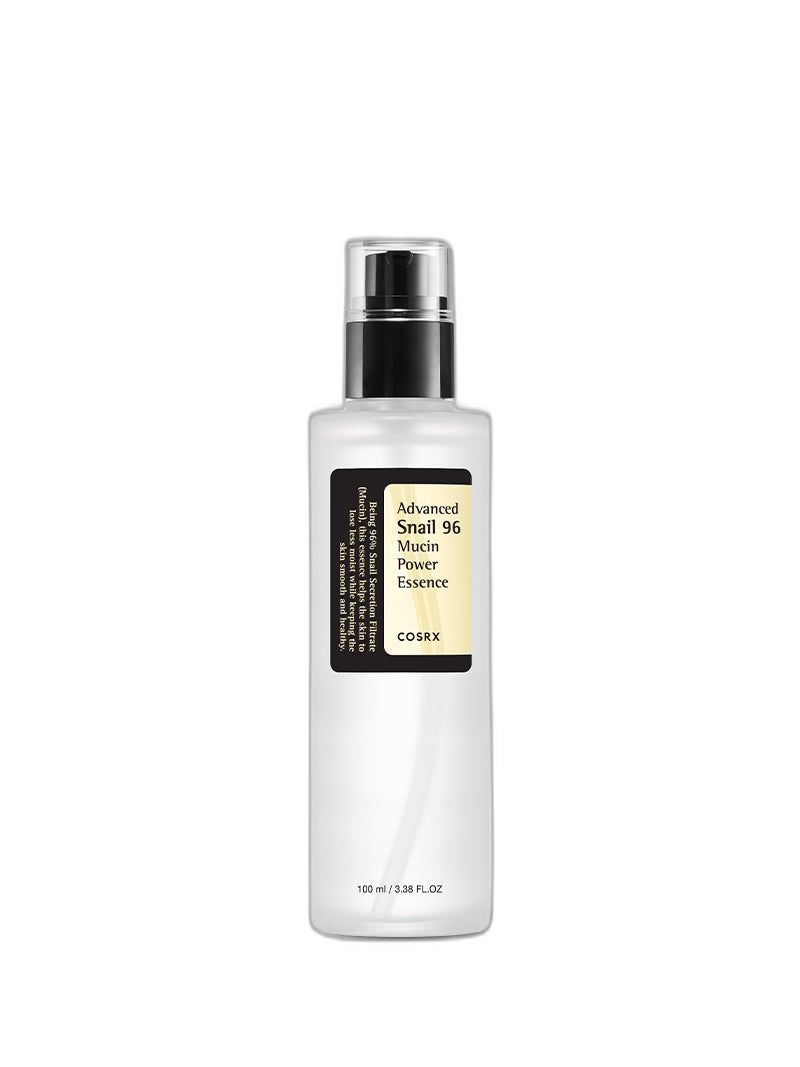
- COSRX Advanced Snail 96 Mucin Power Essence (Approx. $19-23 for 100ml)
- Key Selling Points: This iconic essence is 96% snail secretion filtrate, making it a superstar for wound healing, barrier repair, and deep hydration. It helps calm irritation, fade hyperpigmentation, and promote skin regeneration. It’s lightweight, easily absorbed, and a must-have for accelerating recovery. A true K-beauty staple for post-procedure care. Explore more snail mucin products.
3. The Barrier-Repairing Moisturizer
A thick, nourishing moisturizer is your shield against moisture loss and environmental stressors.
- Beauty of Joseon Dynasty Cream (Approx. $20-25 for 50ml)
- Key Selling Points: This rich, luxurious cream features rice bran water, ginseng water, and ceramides. It delivers intense hydration, strengthens the skin barrier, and provides antioxidant protection. Its occlusive texture is perfect for locking in moisture on compromised skin, helping to prevent dryness and flaking while supporting repair.
- Torriden DIVE-IN Low Molecular Hyaluronic Acid Cream (Approx. $20-25 for 80ml)
- Key Selling Points: While its focus is hyaluronic acid, this cream also contains ceramides and malachite extract, providing both deep hydration and barrier support. Its non-sticky, gel-cream texture is perfect for those who prefer something lighter but still intensely moisturizing. It helps to plump the skin and keep it comfortable during the healing process.
4. The Intensive Healing Balm/Cream
For targeted care or when your skin needs an extra dose of TLC.
- Purito Centella Unscented Recovery Cream (Approx. $18-22 for 50ml)
- Key Selling Points: This cream is packed with 50% Centella Asiatica extract and its key derivatives (Madecassoside, Asiaticoside, Asiatic Acid, Madecassic Acid), along with ceramides and squalane. It’s specifically formulated to soothe irritated skin, reduce redness, and strengthen the barrier. Being unscented, it’s perfect for extremely sensitive post-laser skin.
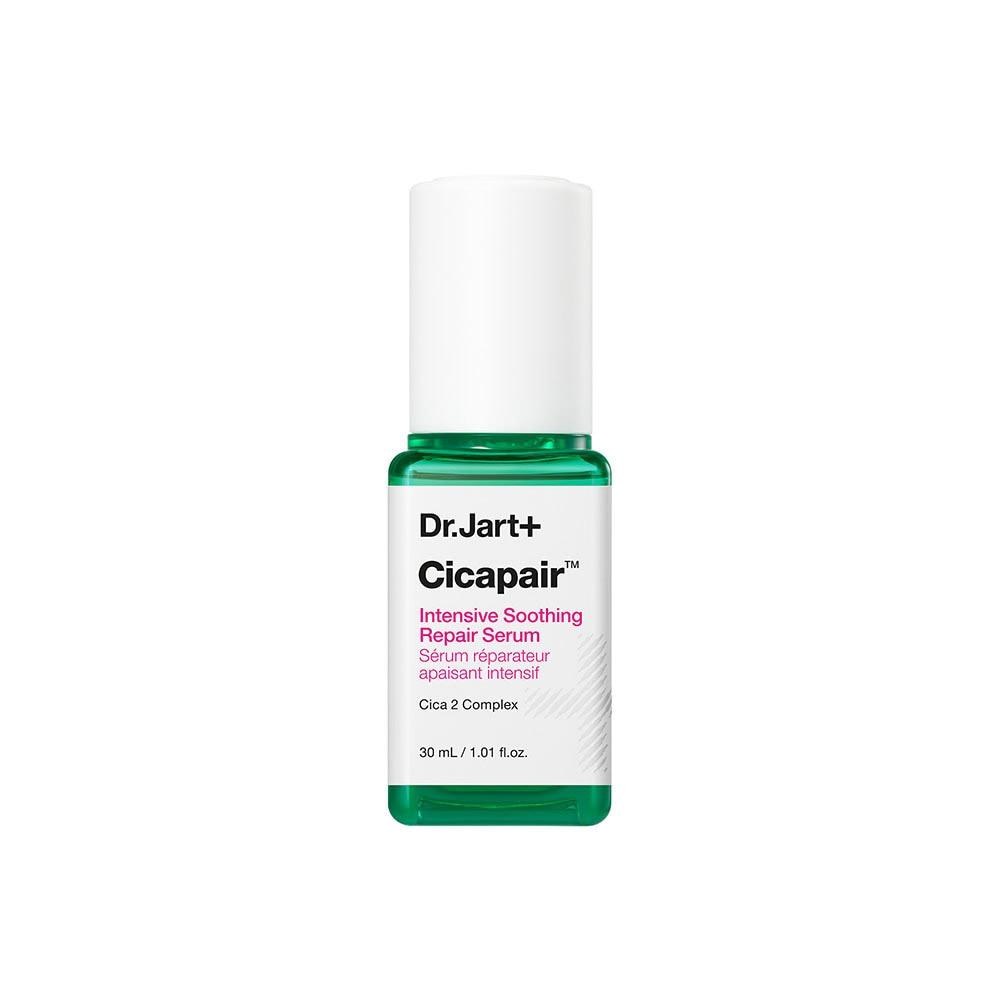
- Dr. Jart+ Cicapair Cream (Approx. $35-45 for 50ml)
- Key Selling Points: Another Centella-rich powerhouse, this cream is designed to calm redness and soothe sensitive skin. It forms a protective barrier on the skin, helping to shield it from external aggressors while promoting healing. It’s a bit pricier, but many swear by its immediate calming effects on irritated skin.
Here’s a quick summary of your post-laser journey:
| Phase | Days | Focus | Key Ingredients to Use | Key Ingredients to Avoid |
|---|---|---|---|---|
| Ultra-Gentle Healing | 1-3 | Soothe, protect, hydrate, prevent infection | Panthenol, Centella Asiatica, Hyaluronic Acid, Glycerin, Ceramides | Acids (AHA, BHA, PHA), Retinoids, Vitamin C (L-AA), Physical Exfoliants, Fragrance, Essential Oils, Alcohol, Harsh Cleansers |
| Barrier Rebuilding | 4-7 | Accelerate repair, reduce inflammation, hydrate | Snail Mucin, Panthenol, Ceramides, Centella Asiatica, Niacinamide (cautious) | High-concentration Actives, Physical Exfoliants, Fragrance, Alcohol |
| Reintroducing Normal | 8-14 | Consolidate barrier, maintain hydration, gentle prep | All above, Peptides, very gentle Vitamin C derivatives (cautious), Enzyme Exfoliants (cautious, if needed) | Potent Actives, Harsh Exfoliants, Over-exfoliation |
| Reintroducing Actives | 15-30 | Return to routine, target concerns | Retinoids, AHAs/BHAs, L-Ascorbic Acid (gradual), Peptides, Growth Factors | Overdoing it, introducing too many at once, neglecting sunscreen |
| What to Never Skip | Always | Sun Protection | High SPF (PA++++), Mineral filters ideal | None (sunscreen is always a must!) |
Verdict
Undergoing a fractional laser treatment is a significant step towards achieving your skin goals. But the journey doesn’t end when you leave the clinic. In fact, the weeks following your treatment are just as crucial for optimizing your results and ensuring a smooth, healthy recovery.
The Korean approach to post-laser skincare is built on a foundation of gentle healing, intense hydration, and robust barrier support. By diligently following a phased routine that prioritizes soothing ingredients like Centella Asiatica, Panthenol, and Snail Mucin, while strictly avoiding harsh actives in the initial stages, you’re giving your skin the best possible chance to heal beautifully.
Patience is key. Listen to your skin, introduce new products slowly, and never, ever skip your sunscreen. With the right K-beauty arsenal and a little dedication, you’ll not only recover faster but emerge with the radiant, healthy skin you aimed for with your laser treatment. Your glow coded future awaits!