تهانينا على اتخاذكِ الخطوة الجريئة والاستثمار في جلسة ليزر تجزيئي! أنتِ الآن في طريقكِ للحصول على بشرة أنعم، وتقليل التصبغات، وتوحيد لون بشرتكِ. لكن هذه هي الحقيقة الصادقة: النتائج التي ستحصلين عليها تعتمد بنفس القدر على ما تفعلينه بعد الليزر كما تعتمد على ما يحدث خلال الجلسة نفسها.
يركز الكثيرون فقط على الإجراء نفسه، لكن العناية اللاحقة بالليزر هي المكان الذي يحدث فيه السحر (أو الكارثة، إذا لم تكوني حذرة). بشرتكِ في حالة ضعيفة للغاية، فهي تتعرض لإصابة مُتحكم بها لتحفيز التجديد. هذا ليس الوقت المناسب للتجريب أو العودة بسرعة إلى روتينكِ المعتاد. هذا هو الوقت المناسب لتبني حكمة العناية بالبشرة الكورية (K-beauty) اللطيفة، التي تركز على حماية حاجز البشرة، وهي فعالة بشكل لا يصدق.
في Glow Coded، نؤمن بتقديم المعلومة الصادقة والخبرة الموثوقة. وعندما يتعلق الأمر بالتعافي بعد جلسات الليزر، فإن النهج الكوري لا يُعلى عليه. يقوم هذا النهج على مبدأ تغذية حاجز البشرة (skin barrier)، وتهدئة الالتهاب، وتوفير البيئة المثالية للشفاء السريع والخالي من الندوب. انسَي التقشير القوي؛ فكري في الترطيب والتهدئة والحماية.
هل أنتِ مستعدة لتسريع عملية الشفاء وتعزيز نتائج الليزر؟ دعنا نتعمق في الروتين الكوري المرحلي الذي سيمنح بشرتكِ إشراقة مذهلة، لا تهيجًا مزعجًا.
ما يحدث لبشرتك بعد الليزر
أولاً، دعونا نفهم ما مرت به بشرتك للتو. تعمل الليزرات الجزئية (Fractional lasers)، مثل فراكسل (Fraxel) أو الليزر الكربوني الجزئي (CO2 fractional)، عن طريق إنشاء آلاف المناطق الحرارية المجهرية (microscopic thermal zones - MTZs) أو أعمدة إصابة دقيقة داخل الجلد، مع ترك الأنسجة المحيطة سليمة. هذا الضرر المتحكم فيه يحفز استجابة الجسم الطبيعية لالتئام الجروح، مما يعزز إنتاج الكولاجين ويساعد على تقشير خلايا الجلد التالفة.
على الرغم من فعالية هذه العملية المذهلة، إلا أنها تترك بشرتك تبدو وتشعر وكأنها مرت بالكثير. مباشرة بعد العلاج، يمكنك توقع ما يلي:
- الاحمرار والتورم: من المحتمل أن تكون بشرتك حمراء جدًا، تشبه حروق الشمس الشديدة، وقد تشعر بالحرارة. التورم شائع أيضًا، خاصة حول العينين.
- الحساسية: ستكون بشرتك حساسة للغاية عند اللمس.
- حاجز البشرة المخترق: القنوات المجهرية التي يخلقها الليزر تعني أن الحاجز الواقي لبشرتك مضطرب بشدة. يؤدي هذا إلى زيادة فقدان الماء عبر البشرة (TEWL)، مما يجعل بشرتك عرضة للجفاف. ويعني أيضًا أن بشرتك أكثر عرضة للمهيجات البيئية والعدوى.
- “بقايا” أو “رواسب القهوة”: مع التئام الجروح الصغيرة، ترتفع خلايا الجلد التالفة إلى السطح، وغالبًا ما تظهر كنقاط أو بقع داكنة صغيرة. هذه جزء طبيعي من عملية التقشير.
- الجفاف والتقشر: مع ظهور الجلد الجديد، سيبدأ الجلد القديم التالف في التقشر والانسلاخ.
بشكل أساسي، بشرتك عبارة عن جرح مفتوح على المستوى المجهري. إنها تصرخ طالبةً عناية لطيفة، وترطيبًا عميقًا، ودعمًا قويًا للحاجز الواقي. المكونات القوية أو إهمال العناية اللاحقة المناسبة يمكن أن يؤدي إلى احمرار طويل الأمد، أو فرط تصبغ ما بعد الالتهاب (PIH)، أو تأخر الشفاء، أو حتى تندب. لهذا السبب، فإن اتباع نهج استراتيجي ومرحلي أمر لا غنى عنه.
الأيام 1-3: شفاء فائق اللطف
هذه هي المرحلة الأكثر أهمية. بشرتك تكون مجروحة، حساسة، وعرضة للخطر بشدة. الهدف هنا هو البساطة المطلقة: تهدئة، حماية، منع العدوى، وترطيب مكثف. فكري في بشرتك كأنها طفلة رضيعة – كل شيء يجب أن يكون لطيفًا ومغذيًا للغاية.
ما يجب تجنبه تمامًا:
- الأحماض (AHAs, BHAs, PHAs): حتى المقشر اللطيف سيسبب تهيجًا كبيرًا وتلفًا لحاجز بشرتك المتضرر. ابتعدي عنها.
- الريتينويدات (Retinol, Tretinoin, etc.): معززات تجديد الخلايا القوية هذه ممنوعة منعًا باتًا. ستزيد من تهيج البشرة وتؤخر الشفاء. إذا كنتِ تتطلعين لإعادة استخدامها لاحقًا، تفحصي دليل الريتينول الخاص بنا لمعرفة الممارسات الآمنة.
- فيتامين سي (خاصة حمض الأسكوربيك L-Ascorbic Acid): بينما يعد فيتامين سي مضادًا للأكسدة رائعًا، إلا أن شكله النقي (L-AA) يمكن أن يكون حمضيًا جدًا ومهيجًا للبشرة بعد الليزر مباشرة. احتفظي به لوقت لاحق.
- المقشرات الفيزيائية: ممنوع منعًا باتًا استخدام أي مقشرات حبيبية، أو فرش، أو مناشف خشنة.
- العطور والزيوت العطرية: هذه مهيجات شائعة. اختاري المنتجات الخالية من العطور.
- الكحول: يسبب الجفاف والتهيج. تحققي من قوائم المكونات.
- المكياج الثقيل: على الرغم من إغراء إخفاء الاحمرار، إلا أنه يمكن أن يسد المسام ويتداخل مع عملية الشفاء. إذا كان لا بد منه، استخدمي المكياج المعدني باعتدال بعد أن تتاح لبشرتك فرصة للتنفس والشفاء لمدة 24-48 ساعة على الأقل، وتأكدي من ترطيب بشرتك جيدًا أولاً.
ما يجب اعتماده:
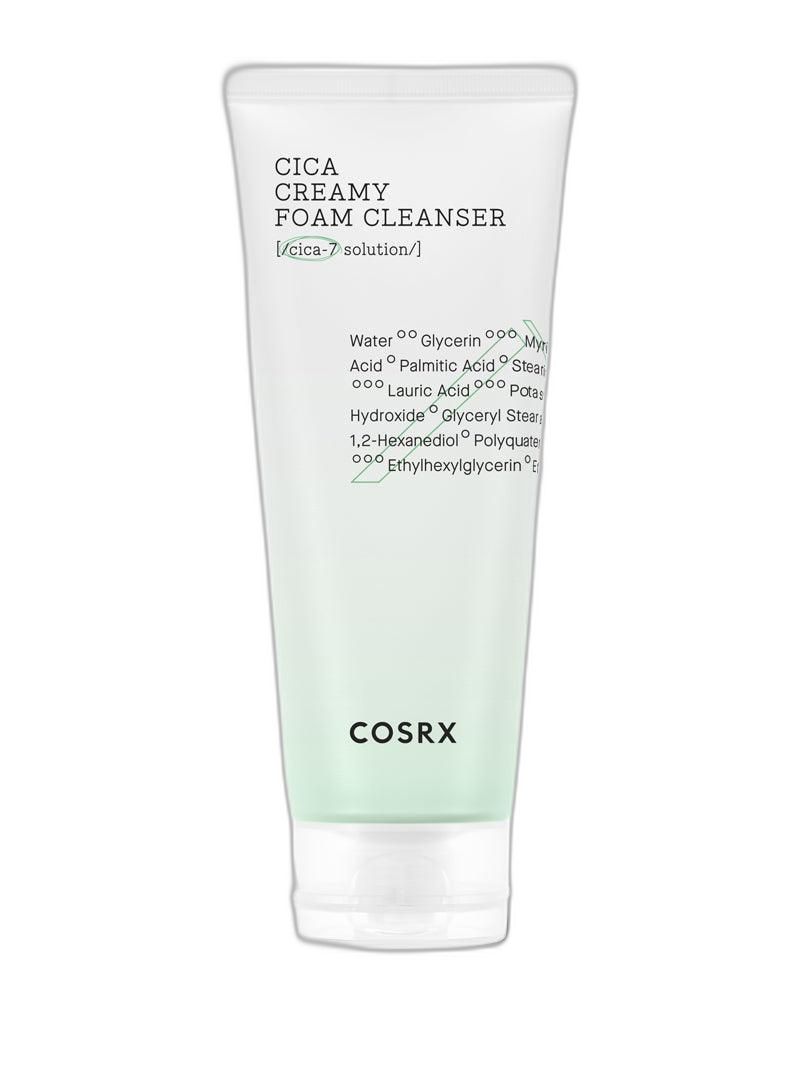
- منظف فائق اللطف، منخفض الحموضة (pH): ابحثي عن منظفات كريمية، غير رغوية، وخالية من العطور. الهدف هو إزالة الشوائب دون تجريد البشرة من زيوتها الطبيعية أو تهييجها.
- ترطيب عميق باستخدام المرطبات والمطريات:
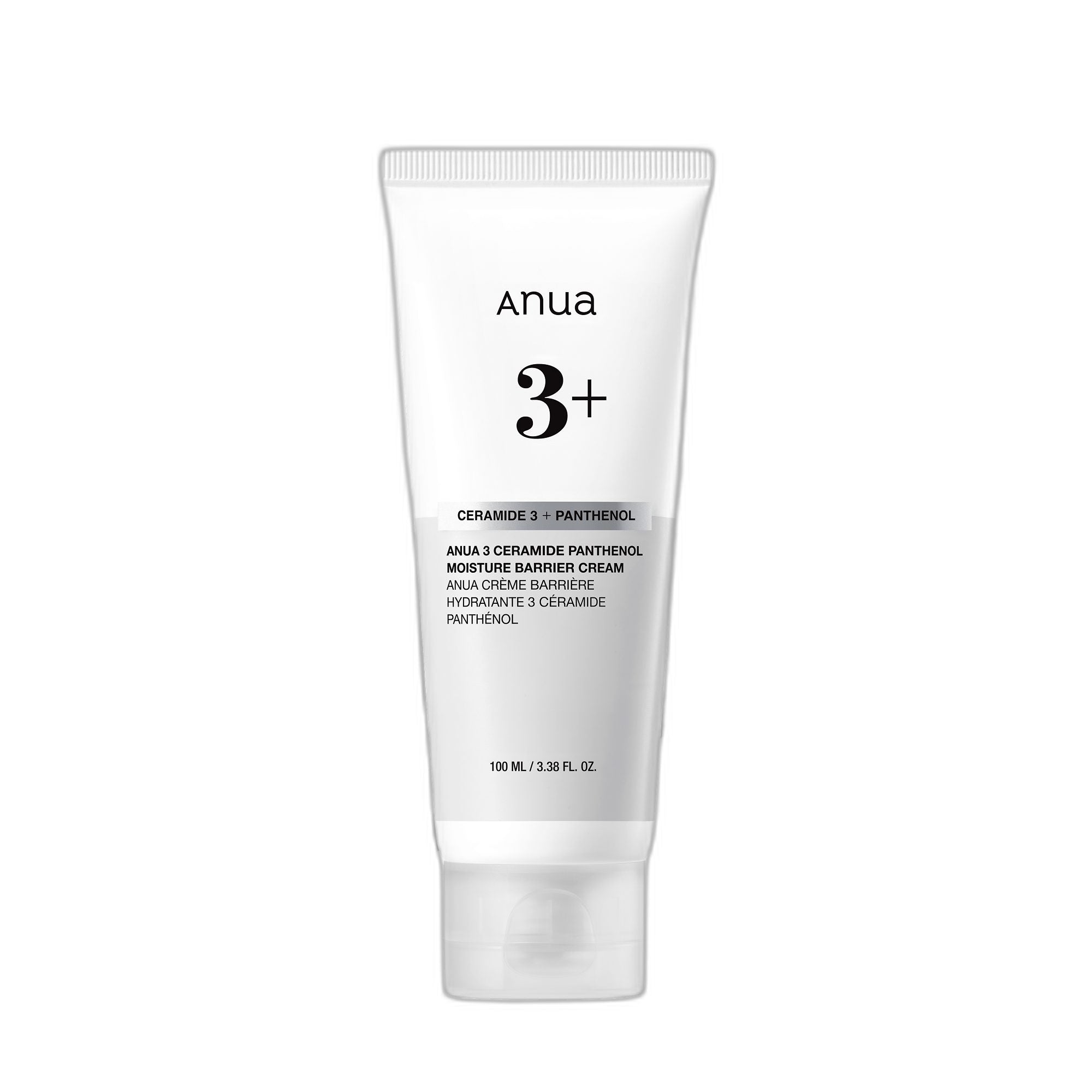
- البانثينول (فيتامين ب5 - Panthenol): بطل خارق لتهدئة البشرة وإصلاح الحاجز الواقي. يجذب الرطوبة ويحتفظ بها مع دعم تجديد البشرة.
- حمض الهيالورونيك (Hyaluronic Acid - HA): بينما هو رائع للترطيب، كلمة تحذير: في البيئات شديدة الجفاف بدون تغطية مناسبة، يمكن لحمض الهيالورونيك عالي الوزن الجزيئي أحيانًا سحب الرطوبة من البشرة. التزمي بالمنتجات التي تحتوي على مزيج من الأوزان الجزيئية المختلفة أو تأكدي من وضع طبقة منه تحت مرطب واقٍ جيد. اقرئي المزيد في حقيقة حمض الهيالورونيك.
- الجلسرين (Glycerin): مرطب ممتاز آخر.
- عوامل تهدئة قوية:
- السنتيلا أسياتيكا (Centella Asiatica - Cica): البطل بلا منازع في شفاء البشرة بعد الإجراءات. مركباتها الرئيسية (madecassoside, asiaticoside, asiatic acid, madecassic acid) مضادة للالتهابات، ومضادة للأكسدة، وتعزز إنتاج الكولاجين. هذا هو صديقك المفضل الآن. تفحصي اختياراتنا لـ منتجات السنتيلا.
- مكونات داعمة لحاجز البشرة:
- السيراميدات، والأحماض الدهنية، والكوليسترول: هذه هي اللبنات الأساسية لحاجز بشرتك. تجديدها ضروري لإصلاح الضرر.
روتينك للأيام 1-3:
- التنظيف: نظّفي وجهك بلطف بالماء الفاتر وكمية صغيرة بحجم حبة البازلاء من منظفك اللطيف جدًا. جففي بالتربيت بمنشفة نظيفة وناعمة. لا تفركي.
- التهدئة والترطيب: ضعي طبقة سخية من تونر مهدئ أو إيسنس (essence) غني بالسنتيلا (Centella) أو البانثينول (Panthenol). إذا كنتِ تستخدمين سيروم مرطب، طبقيه هنا.
- الترطيب: اتبعيه فورًا بمرطب سميك يعمل على إصلاح حاجز البشرة (barrier-repairing moisturizer). لا تترددي – بشرتك بحاجة إليه.
- واقي الشمس: (سنتحدث عن هذا لاحقًا، لكنه ضروري جدًا من اليوم الأول، حتى في الداخل بالقرب من النوافذ.)
الأيام 4-7: إعادة بناء حاجز البشرة
بحلول هذا الوقت، قد يكون الاحمرار الأولي قد بدأ يخف قليلاً، ومن المحتمل أن تبدئي في الشعور بالجفاف والتقشر وظهور تلك “الرواسب الشبيهة بالقهوة” مع تجدد بشرتك. هذه المرحلة تدور حول تسريع إصلاح حاجز البشرة (barrier repair)، وتقليل الالتهاب المتبقي، ومنع فرط التصبغ التالي للالتهاب (post-inflammatory hyperpigmentation - PIH).
ما يجب تجنبه أيضاً:
- معظم المكونات النشطة القوية (الأحماض، الريتينويدات، فيتامين سي المركز).
- التقشير الفيزيائي.
- العطور والكحول.
ما يجب الاستمرار عليه وما يجب إدخاله:
- الاستمرار: التنظيف اللطيف، السنتيلا، البانثينول، السيراميدات، حمض الهيالورونيك، الجلسرين.
- الإدخال (بحذر):
- مخاط الحلزون (Snail Mucin): هذا المكون القوي من مستحضرات التجميل الكورية (K-beauty) رائع للشفاء بعد الليزر. يحتوي على بروتينات سكرية (glycoproteins)، وحمض الهيالورونيك، وحمض الجليكوليك، التي تعزز الشفاء والترطيب وتجديد الخلايا بلطف. كما أنه مضاد للالتهابات ويمكن أن يساعد في إصلاح الجروح وإنتاج الكولاجين. إنه يغير قواعد اللعبة لتقليل التهيج وتسريع التعافي. استكشفي أفضل منتجاتنا من مخاط الحلزون.
- النياسيناميد (فيتامين ب3) (Niacinamide): إذا كانت بشرتك تشعر بتهيج أقل، يمكنكِ بحذر إدخال سيروم النياسيناميد بتركيز منخفض (2-5%). النياسيناميد يقوي حاجز البشرة، ويقلل الالتهاب، ويمكن أن يساعد في منع فرط التصبغ التالي للالتهاب (PIH). ومع ذلك، إذا كانت بشرتك لا تزال حساسة جدًا، فتوقفي. استمعي إلى بشرتك! للمزيد، شاهدي دليلنا لأفضل سيرومات النياسيناميد.
روتينكِ للأيام 4-7:
- التنظيف: منظف لطيف، صباحًا ومساءً.
- تونر أو سيروم مهدئ ومرمم: ضعي تونر غني بالسنتيلا أو إيسنس يحتوي على مخاط الحلزون أو النياسيناميد (إذا تحملته بشرتك).
- الترطيب: استمري في استخدام كريم ترميم حاجز البشرة.
- واقي الشمس: بانتظام ودون إهمال.
الأيام 8-14: إعادة الروتين الطبيعي (بلطف شديد)
يجب أن يكون التقشير قد اكتمل إلى حد كبير، ويجب أن تشعر بشرتك بأنها أقل حساسية، على الرغم من أنها قد تظل جافة وحساسة للغاية. تركز هذه المرحلة على تعزيز قوة حاجز البشرة، والحفاظ على الترطيب، والتحضير التدريجي لبشرتك لإعادة إدخال المنتجات المألوفة بشكل أكبر.
ما لا يزال يتطلب الحذر:
- المكونات النشطة القوية. لا تستعجلي الأمر.
ما يجب استخدامه:
- استمري في استخدام: كل المكونات الداعمة لحاجز البشرة، والمرطبة، والمهدئة.
- تقشير لطيف (يعتمد على الإنزيمات، إذا لزم الأمر وتحملته البشرة): إذا تعافت بشرتك تمامًا ولا تزال هناك بعض القشور الخفيفة، قد تفكرين في استخدام مقشر إنزيمي لطيف جدًا (باباين، بروميلين) مرة واحدة خلال هذه المرحلة. لا تستخدمي أي مقشرات فيزيائية أو أحماض على الإطلاق. إذا كنتِ في شك، فتجاوزيه.
- الببتيدات (Peptides): هذه السلاسل من الأحماض الأمينية يمكن أن تحفز البشرة لإنتاج المزيد من الكولاجين والإيلاستين، مما يساعد في إصلاح البشرة وتجديدها بشكل عام. وهي تتحملها البشرة بشكل جيد عمومًا ويمكن أن تكون إضافة مفيدة.
- سيرومات/أمبولات الترطيب: ركزي على الترطيب المستدام بمكونات مثل حمض البولي جلوتاميك (Polyglutamic Acid) أو بيتا جلوكان (Beta-glucan).
- فيتامين سي (مشتقات لطيفة): يمكنكِ محاولة إدخال مشتق فيتامين سي (Vitamin C) مستقر جدًا وذو تركيز منخفض (مثل فوسفات المغنيسيوم الأسكوربيل أو جلوكوزيد الأسكوربيل) إذا شعرتِ أن بشرتك قوية. حمض الأسكوربيك (L-Ascorbic Acid) لا يزال قويًا جدًا لمعظم الحالات.
روتينك للأيام 8-14:
- التنظيف: استخدمي غسولاً لطيفاً.
- التونر/الإسنْس (Toner/Essence): استمري في استخدام الخيارات المهدئة والمرطبة. يمكنك إضافة سيروم الببتيد (peptide serum) هنا.
- الترطيب: استمري في استخدام كريم غني يعزز حاجز البشرة.
- واقي الشمس: ضروري جداً.
الأيام 15-30: عندما يمكنكِ إعادة استخدام المكونات النشطة
لقد وصلتِ إلى هدفكِ! يجب أن تبدو بشرتكِ أفضل بكثير، وتشعرين بنعومة أكبر، وأقل حساسية. هذه هي المرحلة التي يمكنكِ فيها البدء تدريجياً في إعادة استخدام منتجاتكِ المعتادة، ولكن تذكري القاعدة الذهبية: منتج واحد في كل مرة، ببطء، واستمعي لبشرتكِ.
ما يجب تجنبه:
- الإفراط في الاستخدام. لا تعيدي كل شيء دفعة واحدة. هذه هي الطريقة التي قد تسببين بها تهيجًا وتلغين تقدمكِ.
ماذا تعيدين إدخاله (تدريجيًا):
- الريتينويدات (Retinoids): ابدئي ببطء، ربما مرتين أو 3 مرات في الأسبوع، بتركيز أقل مما كنتِ تستخدمينه قبل الليزر. راقبي استجابة بشرتك عن كثب. دليلنا الخاص بالريتينول retinol guide يقدم نصائح ممتازة لإعادة إدخاله.
- أحماض ألفا هيدروكسي/بيتا هيدروكسي (AHAs/BHAs): بنفس الطريقة، ابدئي بتركيز وتكرار أقل (مثلاً، مرة أو مرتين في الأسبوع).
- فيتامين سي (Vitamin C) (حمض الأسكوربيك L-Ascorbic Acid): إذا كنتِ تستخدمين سيروم قوي بحمض الأسكوربيك، أدخليه ببطء، ربما كل صباح بالتناوب، قبل زيادة التكرار تدريجيًا.
- الببتيدات وعوامل النمو (Peptides and Growth Factors): استمري في استخدامها لفوائدها طويلة الأمد في دعم صحة البشرة وإنتاج الكولاجين.
- واقي الشمس (Sunscreen): رفيقك الدائم.
روتينك للأيام 15-30: ابدئي تدريجيًا بالعودة إلى روتينك الكامل قبل الليزر، ولكن دائمًا أعطي الأولوية لصحة حاجز البشرة. إذا أدخلتِ مكونًا نشطًا وشعرتِ باحمرار، أو تهيج، أو جفاف مفرط، فتراجعي فورًا وعودي إلى روتين أكثر لطف لبضعة أيام قبل المحاولة مرة أخرى. هذه رحلة طويلة، وليست سباقًا سريعًا!
ما لا يجب تخطيه أبدًا: واقي الشمس
لقد ذكرناه في كل مرحلة، ولسبب وجيه. واقي الشمس ليس مهمًا فحسب؛ بل إنه ضروري للغاية لالتئام البشرة بعد الليزر وللحفاظ على النتائج التي حصلتِ عليها. تجاهل واقي الشمس بعد جلسة ليزر يشبه تنظيف الأسنان بعمق عند طبيب الأسنان ثم تناول كيس من الحلوى فورًا.
لماذا لا يمكن التنازل عنه:
- يمنع فرط التصبغ التالي للالتهاب (PIH): بشرتكِ عرضة بشكل لا يصدق لفرط التصبغ (البقع الداكنة) بعد الليزر. التعرض للأشعة فوق البنفسجية هو المسبب الأول لـ PIH، والذي يمكن أن يلغي كل فوائد علاجك.
- يحمي البشرة الجديدة: الخلايا الجديدة الرقيقة التي تظهر تكون حساسة وتتلف بسهولة من الأشعة فوق البنفسجية.
- يحافظ على النتائج: التعرض للشمس يكسر الكولاجين والإيلاستين، مما يلغي تأثيرات الليزر المعززة للكولاجين.
- يمنع المزيد من الضرر: لقد استثمرتِ في إصلاح بشرتكِ؛ لا تدعي الشمس تلحق بها المزيد من الضرر.
وصايا واقي الشمس الخاصة بنا:
- عامل حماية عالٍ (SPF) و PA++++: ابحثي عن SPF 50 على الأقل و PA++++ لأعلى مستوى من الحماية ضد أشعة UVB و UVA. تشتهر واقيات الشمس الكورية بتركيباتها الأنيقة وحمايتها الفائقة. اكتشفي أفضل واقيات الشمس الكورية التي لا تترك أثراً أبيض.
- معدني أم كيميائي: بينما يوصى غالباً بواقيات الشمس المعدنية (أكسيد الزنك، ثاني أكسيد التيتانيوم) بعد الإجراءات لحاجزها الفيزيائي اللطيف، فإن واقيات الشمس الكيميائية الحديثة فعالة بشكل لا يصدق وغالباً ما تكون أكثر أناقة من الناحية التجميلية. اختاري ما ستستخدمينه باستمرار. العديد من واقيات الشمس من K-beauty تمزج بين الاثنين. اقرئي المزيد عن مقارنة واقيات الشمس الكورية والغربية.
- أعيدي التطبيق: أعيدي التطبيق كل 2-3 ساعات، خاصة إذا كنتِ في الخارج، أو تتعرقين، أو تمسحين وجهك.
- الحماية الفيزيائية: لا تعتمدي على واقي الشمس وحده. ارتدي قبعات واسعة الحواف، ونظارات شمسية كبيرة، وابحثي عن الظل كلما أمكن ذلك.
4 منتجات كورية يحتاجها كل مريضة ليزر
قد يكون استكشاف عالم الجمال الكوري مربكًا، خاصة عندما تكون بشرتك حساسة. إليكِ أربعة أنواع أساسية من المنتجات وتوصيات محددة ستكون بطلاتك في رحلة التعافي بعد الليزر.
1. المنظف فائق اللطف والمرطب
منظفك يحدد نغمة روتينك بالكامل. يجب أن يكون فعالًا ولكنه لطيف تمامًا على بشرتك.
- منظف ”.”Round Lab 1025 Dokdo Cleanser” (حوالي 12-15 دولار لـ 150 مل)
- نقاط البيع الرئيسية: يُعرف هذا المنظف بدرجة حموضته المنخفضة (low pH) واحتوائه على مياه البحر العميقة من جزيرة أوليونغدو، وهو لطيف للغاية ولكنه يزيل الشوائب بفعالية. يترك البشرة ناعمة ورطبة، دون أي شعور بالشد. خالٍ من الكبريتات القاسية والعطور والزيوت العطرية، مما يجعله مثاليًا للبشرة الحساسة والتي خضعت للعلاج بالليزر.
- منظف الرغوة “Abib Acne Foam Cleanser Heartleaf Foam” (حوالي 18-22 دولار لـ 150 مل)
- نقاط البيع الرئيسية: على الرغم من أن اسمه “منظف الرغوة لحب الشباب”، لا تدع الاسم يردعك. هذا المنظف متوازن الحموضة (pH-balanced) ويحتوي على خلاصة أوراق القلب (Heartleaf extract - Houttuynia Cordata)، المعروفة بخصائصها المهدئة والمضادة للالتهابات. يُنتج رغوة ناعمة ودقيقة تنظف دون تهيج، مما يجعله مناسبًا حتى للبشرة المتضررة التي تحتاج إلى عناية لطيفة.
2. الإيسنس/التونر المهدئ والمُصلح
هذه الخطوة توصل مكونات علاج وترطيب أساسية مباشرة لبشرتك الحساسة.
- تونر أنوا المهدئ بخلاصة أوراق القلب 77% (Anua Heartleaf 77% Soothing Toner) (حوالي 20-25 دولار لـ 250 مل)
- نقاط البيع الرئيسية: مفضل لدى الكثيرين لسبب وجيه. بفضل 77% من خلاصة أوراق القلب (Heartleaf)، هذا التونر هو قوة خارقة للفوائد المضادة للالتهابات والمهدئة. يهدئ الاحمرار، يقلل التهيج، ويوفر طبقة من الترطيب دون أي لزوجة. خالٍ من المهيجات، مما يجعله مثاليًا للبشرة الحساسة بعد الليزر.
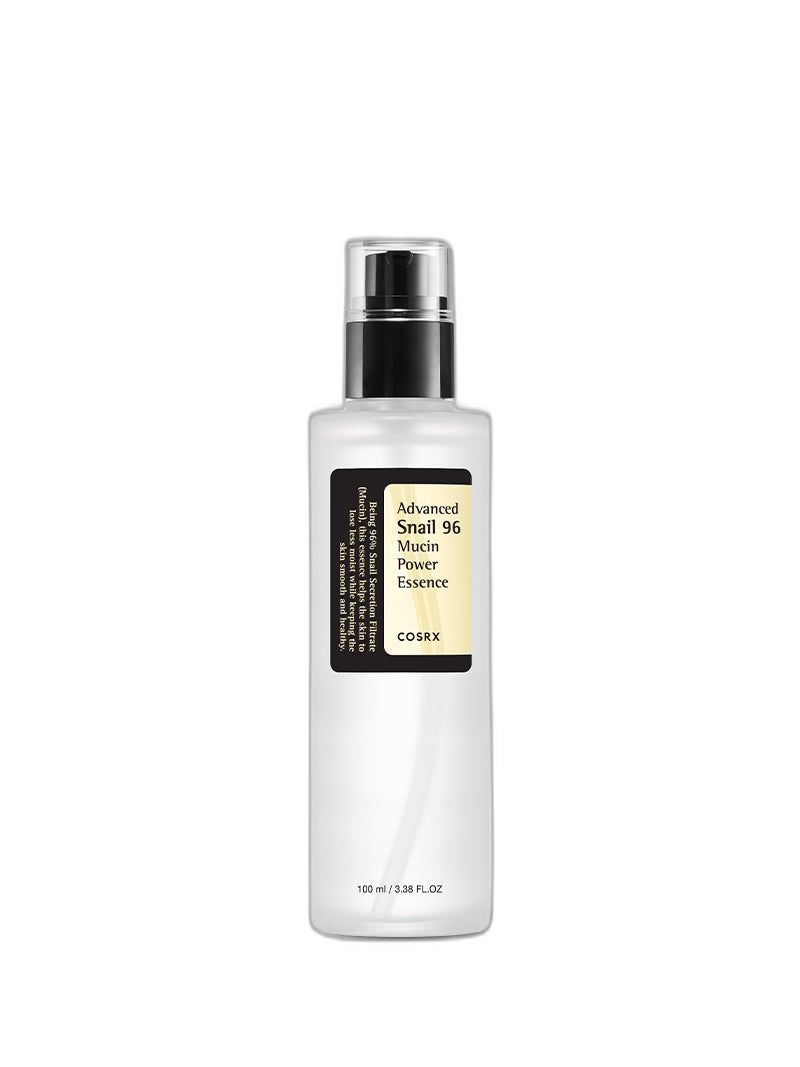
- إيسنس باور بحمض الهيالورونيك من كوزركس 96% (COSRX Advanced Snail 96 Mucin Power Essence) (حوالي 19-23 دولار لـ 100 مل)
- نقاط البيع الرئيسية: هذا الإيسنس الأيقوني هو 96% من ترشيح إفرازات الحلزون (snail secretion filtrate)، مما يجعله نجمًا في التئام الجروح، إصلاح حاجز البشرة، والترطيب العميق. يساعد على تهدئة التهيج، تخفيف فرط التصبغ، وتعزيز تجديد البشرة. خفيف الوزن، يمتص بسهولة، وهو ضروري لتسريع التعافي. منتج أساسي في عالم الجمال الكوري للعناية بعد الإجراءات. اكتشفي المزيد من منتجات مخاط الحلزون.
3. المرطب المُرمم للحاجز الواقي
مرطب غني وكثيف هو درعكِ ضد فقدان الرطوبة والعوامل البيئية الضارة.
- كريم Beauty of Joseon Dynasty (حوالي 20-25 دولارًا لـ 50 مل)
- نقاط البيع الرئيسية: يتميز هذا الكريم الغني والفاخر بماء نخالة الأرز، وماء الجينسنغ، والسيراميدات. يوفر ترطيبًا مكثفًا، ويعزز حاجز البشرة (skin barrier)، ويوفر حماية مضادة للأكسدة. قوامه المغلق مثالي لحبس الرطوبة على البشرة المتضررة، مما يساعد على منع الجفاف والتقشر مع دعم عملية الإصلاح.
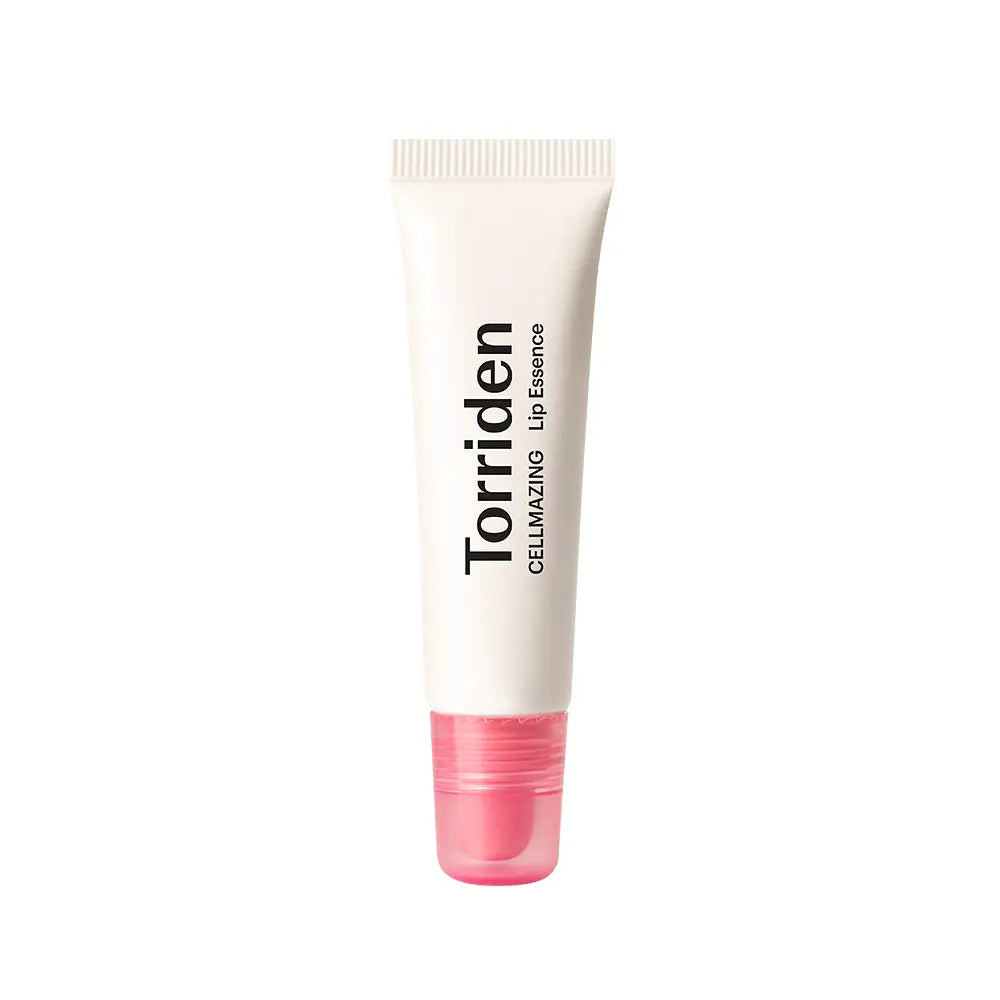
- كريم Torriden DIVE-IN بحمض الهيالورونيك منخفض الوزن الجزيئي (حوالي 20-25 دولارًا لـ 80 مل)
- نقاط البيع الرئيسية: بينما يركز على حمض الهيالورونيك (hyaluronic acid)، يحتوي هذا الكريم أيضًا على السيراميدات وخلاصة الملكيت، مما يوفر ترطيبًا عميقًا ودعمًا للحاجز. قوامه الكريمي الجل غير اللاصق مثالي لمن يفضلون شيئًا أخف ولكنه مرطب بشكل مكثف. يساعد على نفخ البشرة والحفاظ على راحتها أثناء عملية الشفاء.
4. بلسم/كريم الشفاء المكثف
للعناية المركزة أو عندما تحتاج بشرتك لجرعة إضافية من الدلال.
- كريم Purito Centella Unscented Recovery Cream (حوالي 18-22 دولار لـ 50 مل)
- نقاط البيع الرئيسية: هذا الكريم غني بـ 50% من خلاصة السنتيلا أسياتيكا (Centella Asiatica) ومشتقاتها الرئيسية (ماديكاسوسايد، أسياتيكوسايد، حمض الأسياتيك، حمض ماديكاسيك)، بالإضافة إلى السيراميدات والسكوالين. تم تصميمه خصيصًا لتهدئة البشرة المتهيجة، وتقليل الاحمرار، وتقوية حاجز البشرة. ولأنه خالٍ من العطور، فهو مثالي للبشرة الحساسة جدًا بعد جلسات الليزر.
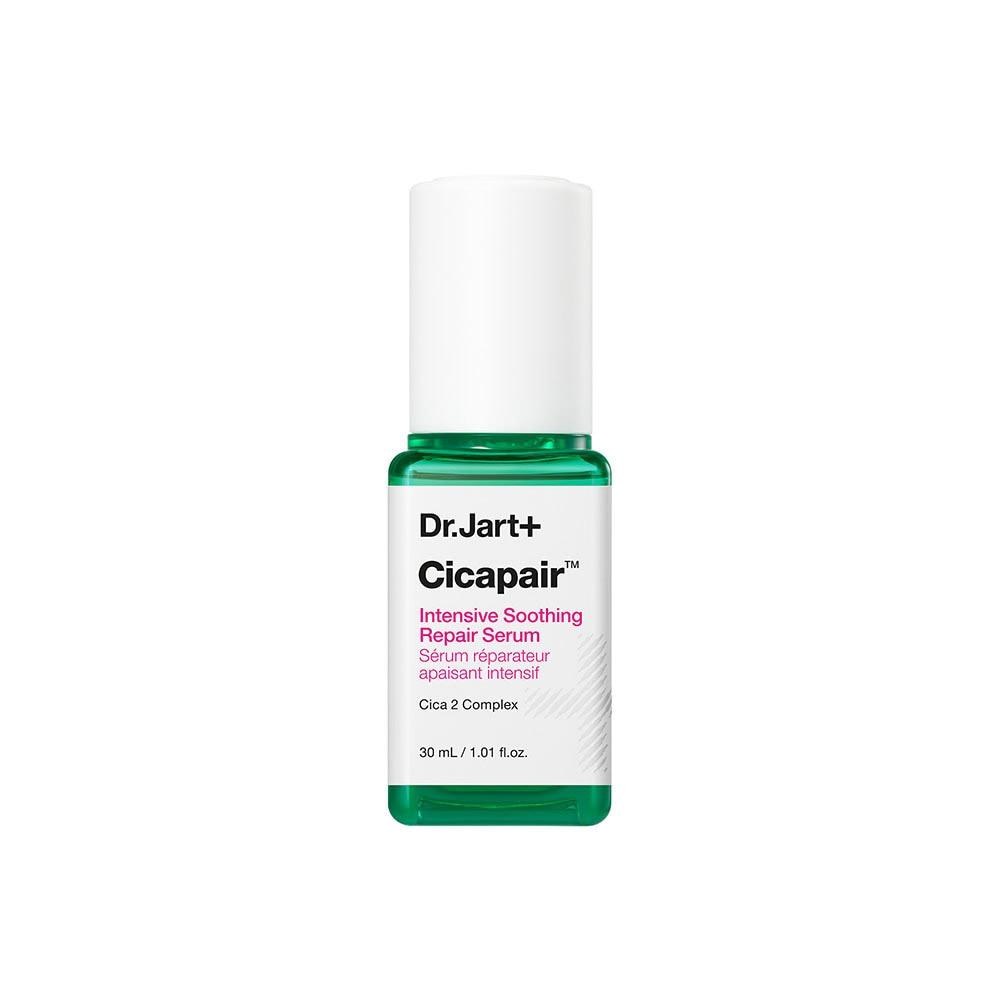
- كريم Dr. Jart+ Cicapair Cream (حوالي 35-45 دولار لـ 50 مل)
- نقاط البيع الرئيسية: كريم آخر غني بالسنتيلا، مصمم لتهدئة الاحمرار وتلطيف البشرة الحساسة. يشكل حاجزًا واقيًا على البشرة، مما يساعد على حمايتها من العوامل الخارجية الضارة مع تعزيز الشفاء. سعره أعلى قليلاً، لكن الكثيرات يشهدن بفعاليته الفورية في تهدئة البشرة المتهيجة.
إليكِ ملخص سريع لرحلة بشرتكِ بعد الليزر:
| المرحلة | الأيام | التركيز | المكونات الرئيسية التي يجب استخدامها | المكونات الرئيسية التي يجب تجنبها |
|---|---|---|---|---|
| الشفاء الفائق اللطف | 1-3 | تهدئة، حماية، ترطيب، منع العدوى | بانثينول (Panthenol)، سينتيلا أسياتيكا (Centella Asiatica)، حمض الهيالورونيك (Hyaluronic Acid)، جليسرين (Glycerin)، سيراميدات (Ceramides) | أحماض (AHA, BHA, PHA)، ريتينويدات (Retinoids)، فيتامين سي (Vitamin C - L-AA)، مقشرات فيزيائية، عطور، زيوت عطرية، كحول، منظفات قاسية |
| إعادة بناء الحاجز الواقي | 4-7 | تسريع الإصلاح، تقليل الالتهاب، الترطيب | مخاط الحلزون (Snail Mucin)، بانثينول (Panthenol)، سيراميدات (Ceramides)، سينتيلا أسياتيكا (Centella Asiatica)، نياسيناميد (Niacinamide - بحذر) | مكونات فعالة بتركيز عالٍ، مقشرات فيزيائية، عطور، كحول |
| العودة إلى الروتين الطبيعي | 8-14 | تعزيز الحاجز الواقي، الحفاظ على الترطيب، تحضير لطيف | كل ما سبق، ببتيدات (Peptides)، مشتقات فيتامين سي لطيفة جدًا (بحذر)، مقشرات إنزيمية (بحذر، إذا لزم الأمر) | مكونات فعالة قوية، مقشرات قاسية، الإفراط في التقشير |
| إعادة تقديم المكونات الفعالة | 15-30 | العودة إلى الروتين، استهداف مشاكل البشرة | ريتينويدات (Retinoids)، أحماض AHA/BHA، حمض الأسكوربيك (L-Ascorbic Acid - تدريجيًا)، ببتيدات (Peptides)، عوامل النمو (Growth Factors) | الإفراط في الاستخدام، تقديم مكونات كثيرة دفعة واحدة، إهمال واقي الشمس |
| ما لا يجب تخطيه أبدًا | دائمًا | الحماية من الشمس | عامل حماية عالٍ (SPF 50+، PA++++)، فلاتر معدنية مفضلة | لا شيء (واقي الشمس ضروري دائمًا!) |
الخلاصة
إن الخضوع لعلاج الليزر الجزئي (fractional laser treatment) هو خطوة مهمة نحو تحقيق أهداف بشرتك. لكن الرحلة لا تنتهي بمجرد مغادرتك العيادة. في الواقع، الأسابيع التي تلي العلاج لا تقل أهمية عن تحسين النتائج وضمان تعافي سلس وصحي.
يعتمد نهج العناية بالبشرة الكوري بعد الليزر على أسس لطيفة للشفاء، وترطيب مكثف، ودعم قوي للحاجز الواقي للبشرة. من خلال اتباع روتين مرحلي بعناية يركز على المكونات المهدئة مثل (Centella Asiatica) سينتيلا أسياتيكا، و(Panthenol) بانثينول، و(Snail Mucin) مخاط الحلزون، مع تجنب المكونات النشطة القوية في المراحل الأولى تمامًا، فإنك تمنحين بشرتك أفضل فرصة ممكنة للشفاء بشكل جميل.
الصبر هو المفتاح. استمعي إلى بشرتك، وجربي المنتجات الجديدة ببطء، ولا تتجاهلي واقي الشمس أبدًا. مع مجموعة منتجات التجميل الكورية المناسبة وقليل من الالتزام، لن تتعافين بشكل أسرع فحسب، بل ستظهرين ببشرة صحية ومشرقة كما كنت تطمحين مع علاج الليزر. مستقبلك المشرق ينتظرك!