Your skin is angry. Red, tight, peeling, stinging. Maybe it burns when you apply anything — even water feels like an assault. You know exactly what happened: retinol. You started too strong, used it too often, or layered it with actives that pushed your skin past its limit. And now you’re paying for it.
Retinol irritation is one of the most common skincare emergencies. It’s also one of the most preventable and most fixable — if you respond correctly. The problem is that most people respond incorrectly. They keep applying retinol through the pain (“it’s just purging!”), slather on heavy creams that trap irritation against the skin, or panic and scrub off the flakes with an exfoliator that makes everything ten times worse.
Don’t do any of that. Here’s what to do instead.
What Retinol Irritation Actually Looks Like
Retinol irritation exists on a spectrum. Knowing where you fall determines how aggressive your recovery needs to be.
Mild irritation: Some tightness, slight dryness, minor flaking. Skin looks a bit dull. Products sting slightly on application. This is borderline “normal” retinol adjustment and might not require a full reset — just dialing back frequency.
Moderate irritation: Noticeable redness, visible peeling, stinging when applying most products. Skin feels sensitive to touch. Makeup doesn’t sit right. This needs active recovery.
Severe irritation: Raw-looking redness, intense stinging or burning, widespread peeling, skin feels hot. Possible swelling. This is a damaged moisture barrier that needs immediate, focused repair. If it’s this bad, see a dermatologist if symptoms don’t improve within a week.
Why It Happened
Retinol (vitamin A) works by accelerating cell turnover and boosting collagen production. These are good things — they’re why retinol is the gold standard for anti-aging, texture improvement, and acne treatment. But faster cell turnover means the skin is shedding and rebuilding more rapidly than usual, which stresses the barrier.
Common causes of retinol irritation:
Starting too strong. Jumping into 1% retinol when your skin has never seen vitamin A. The skin needs time to build tolerance — starting at 0.025-0.05% and increasing gradually over months is the safe approach.
Using it too frequently. Daily retinol from day one is too much for most skin. Even experienced users rarely need it more than 4-5 nights per week.
Combining with other actives. Using retinol alongside AHA, BHA, vitamin C (at low pH), or benzoyl peroxide on the same night multiplies the irritation.
Applying to damp skin. Retinol penetrates deeper on wet skin, increasing irritation because the skin absorbs more than it can handle.
Compromised barrier from the start. If your barrier was already weakened from over-exfoliation or harsh cleansers, adding retinol was the tipping point.
Step One: Stop Retinol Immediately
No negotiation. No “maybe I’ll just use it every third night.” Stop completely. Your barrier is damaged, and continued retinol exposure will prevent it from healing.
Also stop: all chemical exfoliants (AHA, BHA, PHA), vitamin C serums, fragrant products, alcohol-based toners, clay masks, and physical scrubs. Your routine should temporarily consist of cleanser, soothing hydrator, barrier repair cream, and sunscreen. That’s it.
The Recovery Routine
Phase 1: Days 1-3 — Bare Minimum
Your only goals are to stop further damage and begin calming inflammation. If you’re dealing with concurrent dryness and flaking, our dry flaky patches guide has additional strategies that complement this recovery.
Morning:
- Rinse with lukewarm water (no cleanser — your barrier can’t handle surfactants right now)
- Soothing toner — the COSRX 5 PDRN B5 Vital Soothing Toner combines panthenol (vitamin B5) with salmon PDRN for deep barrier repair. Panthenol is a proven anti-inflammatory that reduces redness and supports skin recovery. Pat it gently onto the skin — never rub or swipe.
Shop COSRX PDRN B5 Vital Soothing Toner →
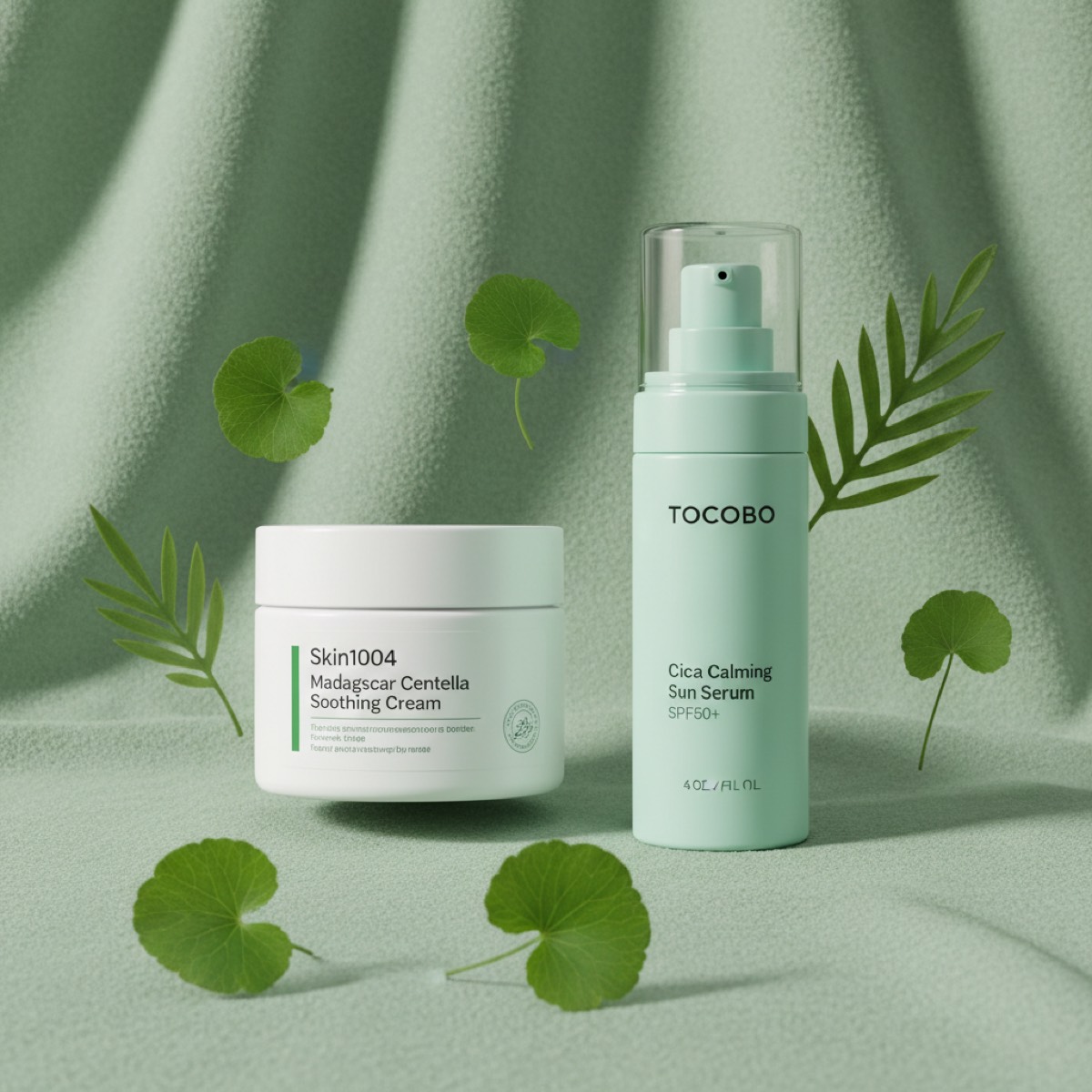
- Centella cream — the Skin1004 Madagascar Centella Soothing Cream is your primary healing agent. Centella asiatica’s four key actives (madecassoside, asiaticoside, madecassic acid, asiatic acid) are clinically proven to reduce inflammation, accelerate wound healing, and strengthen the skin’s structural proteins. Apply a generous layer. For more on how centella works, check our cica products guide.
Shop Skin1004 Centella Soothing Cream →
- Sunscreen if going outside (irritated skin is more photosensitive than usual)
Evening:
- Gentle cream cleanser (if you wore sunscreen; otherwise, water rinse)
- COSRX PDRN B5 Soothing Toner
- Tocobo Cica Serum — a concentrated cica serum that delivers centella actives in a lightweight, absorbable format. Layer this under your cream for an extra dose of anti-inflammatory repair.
- Skin1004 Centella Cream
- Illiyoon Ceramide Ato Concentrate Cream as a final seal. The ceramides repair the lipid barrier while the cream’s occlusive properties prevent moisture loss overnight. This is the same cream dermatologists recommend for eczema — it’s that good at barrier repair.
Shop Illiyoon Ceramide Ato Concentrate Cream →
What to expect: Redness should start calming within 48-72 hours. Stinging on product application should decrease noticeably by Day 3. If symptoms are worsening or you see no improvement at all, consult a dermatologist.
Phase 2: Days 4-7 — Gentle Rebuild
Skin should be less red, less stingy, and the worst of the peeling should be subsiding. You can cautiously expand the routine.
Morning:
- Gentle cleanser (cream or gel, low pH)
- COSRX PDRN B5 Soothing Toner
- Lightweight moisturizer or Skin1004 Centella Cream
- Sunscreen
Evening:
- Gentle cleanser
- COSRX PDRN B5 Soothing Toner
- Tocobo Cica Serum
- Illiyoon Ceramide Ato Concentrate Cream
- Purito Dermide Cica Barrier Sleeping Pack — 2-3 nights this week. This sleeping mask combines ceramides with centella for overnight barrier reconstruction. You wake up with calmer, more supple skin. The texture improves noticeably after just a few uses.
Shop Purito Dermide Cica Barrier Sleeping Pack →
Signs you’re healing: Products no longer sting, redness is fading, peeling has stopped, skin feels supple, and makeup sits normally again.
Phase 3: Week 2+ — Cautious Return to Normal
Once all stinging, burning, and active peeling have resolved — not “mostly resolved,” completely resolved — you can begin reintroducing products.
Order of reintroduction (one per week): Week 2: hydrating serum. Week 3: gentle vitamin C derivative. Week 4: niacinamide. Week 5+: retinol (see below).
How to Restart Retinol Without Repeating the Mistake
You’re not giving up on retinol. It’s too effective to abandon. But you’re going to do it right this time. For a complete retinol introduction strategy, see our retinol beginner’s guide.
Rule 1: Start lower than you think you need. If you were using 1% before, restart at 0.025% or 0.05%. Your tolerance has reset to zero during recovery. You’re essentially starting from scratch.
Rule 2: Sandwich method. Apply moisturizer first, then retinol, then moisturizer again. This buffers the retinol and reduces direct skin contact while still allowing it to work. Many dermatologists recommend this for sensitive skin permanently.
Rule 3: Frequency ladder.
- Week 1: One night only
- Week 2: Two nights (space them out — e.g., Monday and Thursday)
- Week 3: Three nights
- Week 4+: Every other night maximum for most skin types
Most people don’t need retinol every night. Every other night delivers the same long-term results with less irritation.
Rule 4: Never combine with other actives on retinol nights. Use AHA, BHA, and vitamin C on non-retinol nights. This “active rotation” approach protects the barrier from cumulative stress.
Rule 5: Monitor and adjust. If tightness or stinging returns, drop back one step on the frequency ladder. Retinol benefits are cumulative over months — consistency matters more than concentration.
Frequently Asked Questions
How long does retinol irritation last?
Mild irritation (tightness, minor flaking) typically resolves in 3-5 days once you stop retinol and focus on barrier repair. Moderate irritation (redness, stinging, visible peeling) takes 1-2 weeks. Severe irritation with significant barrier damage can take 3-4 weeks for full recovery. Don’t rush the timeline — premature reintroduction of actives can restart the cycle.
Is it purging or irritation?
Purging causes breakouts in areas where you already get acne — it’s existing clogs being pushed to the surface by increased cell turnover. Purging usually starts within the first 2-4 weeks of retinol use and resolves within 4-6 weeks. Irritation causes redness, stinging, burning, tightness, and peeling — symptoms that have nothing to do with breakouts. If your skin is red and peeling, that’s irritation, not purging. Stop the retinol.
Can I use retinol and AHA/BHA together?
Yes, but not on the same night — especially during the reintroduction phase. Alternate nights: retinol on Monday, BHA on Tuesday, retinol on Wednesday, etc. For a guide to choosing and layering your exfoliants, see our AHA vs BHA vs PHA breakdown. Once your skin has built solid retinol tolerance over 2-3 months, some people can use both in one evening, but it’s rarely necessary and always carries more risk.
My skin peeled so much it revealed raw, shiny skin underneath — is this normal?
Shiny, tight skin after heavy peeling indicates that the new skin cells are still immature and the barrier is not yet reconstructed. This is your cue to be extremely gentle. Use only the Phase 1 routine (cica cream, ceramides, toner) until the shiny look fades and skin feels supple again. Protect this vulnerable new skin with extra sunscreen.
Should I see a dermatologist?
Yes, if: redness is spreading or worsening after 5+ days of recovery, you develop blistering or open sores, the irritation is accompanied by swelling (especially around the eyes), or your skin doesn’t improve at all after two weeks of the recovery routine. These signs may indicate a more serious reaction like contact dermatitis or chemical burn that requires prescription treatment.
The recovery protocol here is very similar to what your skin needs after a laser treatment. If you’ve had any professional laser procedure, our post-laser Korean skincare routine gives a day-by-day guide — days 1-3, 4-7, 8-14, and reintroducing actives — tailored specifically for laser-treated skin.