Skincare Actives You Can’t Mix: The Combinations That Cause Irritation
In the vibrant world of skincare, actives are the powerhouses that promise transformative results – from smoothing fine lines and fading dark spots to clearing acne and boosting radiance. Armed with potent ingredients like retinoids, vitamin C, and various acids, our routines have become more sophisticated than ever. However, with great power comes great responsibility, and the desire to achieve maximum results can sometimes lead to unintended consequences.
The internet is awash with advice, some excellent, some misleading, about which skincare ingredients can and cannot be mixed. This often leaves skincare enthusiasts feeling overwhelmed, confused, and sometimes, with irritated skin. The truth is, while many ingredient combinations are perfectly safe and even synergistic, others can lead to deactivation, increased sensitivity, or a compromised skin barrier. The goal isn’t to scare you away from potent ingredients, but to empower you with the knowledge to use them wisely, ensuring your journey to glowing skin is effective and irritation-free.
In this comprehensive guide, we’re going to cut through the noise. We’ll separate the genuine skincare conflicts that can lead to redness, peeling, and sensitivity from the internet myths that needlessly restrict your routine. We’ll delve into the science behind why certain combinations are problematic, and just as importantly, why others are perfectly fine. By the end, you’ll have a clear roadmap for safely layering your actives, maximizing their benefits, and achieving the healthy, radiant complexion you desire. Let’s unlock the secrets to intelligent active layering and say goodbye to irritation for good.
The Real No-Go Combinations
When it comes to potent skincare actives, some combinations are genuinely problematic. These pairings can lead to increased irritation, a compromised skin barrier, or even deactivate one or both ingredients, rendering them less effective. Understanding these real conflicts is crucial for protecting your skin’s health and ensuring your products are working for you, not against you.
Retinol + AHA/BHA (Over-Exfoliation)
This is perhaps one of the most widely recognized and genuinely problematic combinations in skincare, and for good reason. Both retinoids and Alpha Hydroxy Acids (AHAs) or Beta Hydroxy Acids (BHAs) are incredibly effective ingredients, but their mechanisms of action can become counterproductive when used together, leading to significant skin irritation and damage.
Let’s break down why:
- Retinol (and other Retinoids): These Vitamin A derivatives are celebrated for their ability to accelerate cell turnover, stimulate collagen production, reduce fine lines, improve skin texture, and fade hyperpigmentation. By speeding up the skin’s natural exfoliation process, they bring newer, fresher skin cells to the surface. This process, especially when first starting, can sometimes lead to temporary dryness, redness, and peeling as the skin adjusts.
- AHAs (e.g., Glycolic Acid, Lactic Acid): These are water-soluble chemical exfoliants that work on the skin’s surface. They dissolve the “glue” that holds dead skin cells together, allowing them to slough off more easily. This reveals brighter, smoother skin and can improve texture and tone.
- BHAs (e.g., Salicylic Acid): These are oil-soluble chemical exfoliants that can penetrate into pores. They work similarly to AHAs by dissolving dead skin cells, but their ability to get into the pore makes them particularly effective for treating acne, blackheads, and whiteheads.
The Conflict: The fundamental issue here is over-exfoliation. Both retinoids and AHAs/BHAs are doing essentially the same job: encouraging the shedding of dead skin cells and accelerating the skin’s renewal cycle. When you combine them in the same routine, you’re essentially hitting your skin with a double dose of exfoliation.
Consequences of Over-Exfoliation:
- Compromised Skin Barrier: The skin barrier is your body’s first line of defense against environmental aggressors and moisture loss. Over-exfoliation strips away too many healthy skin cells, creating micro-tears and weakening this crucial barrier.
- Increased Sensitivity: Your skin will become much more reactive to other products, environmental factors, and even touch.
- Redness and Inflammation: Constant irritation can lead to persistent redness and a feeling of heat or stinging.
- Excessive Dryness and Peeling: While some mild peeling is normal when starting retinoids, combining with acids can lead to extreme dryness, flakiness, and uncomfortable peeling beyond the adjustment phase.
- Breakouts: A damaged skin barrier can ironically lead to more breakouts as it struggles to protect itself and regulate oil production.
- Post-Inflammatory Hyperpigmentation (PIH): For those prone to dark spots, the inflammation caused by over-exfoliation can trigger new or worsen existing hyperpigmentation.
How to Use Them Safely: The key is separation and moderation.
- Alternate Nights: This is the most common and recommended strategy. Use your retinol product on one night and your AHA/BHA product on another night. For example, Retinol on Monday, AHA on Tuesday, hydrating/repair serum on Wednesday, and repeat.
- AM/PM Split (with caution): While theoretically possible to use Vitamin C in the AM and Retinol in the PM, using AHAs/BHAs in the AM is generally not recommended as they can increase sun sensitivity. If you absolutely must split, use a very mild acid in the AM (followed by SPF!) and retinol in the PM, but this still carries a higher risk of irritation. Alternating nights is safer.
- Buffer: If your skin is particularly sensitive, apply a hydrating serum or a light moisturizer before your retinol or acid to create a buffer. This slows down penetration and reduces the immediate impact.
- Listen to Your Skin: Pay close attention to how your skin reacts. If you notice persistent redness, stinging, or excessive peeling, reduce the frequency of both ingredients and focus on barrier repair.
Retinol + Benzoyl Peroxide (Deactivation)
This combination is a classic example of ingredients that chemically interfere with each other, rendering one of them less effective. While both are powerful acne-fighting ingredients, using them together can be a wasteful and irritating endeavor.
Let’s look at the individual players:
- Retinol (and specifically Tretinoin): As discussed, retinoids are excellent for promoting cell turnover, preventing clogged pores, and reducing inflammation, making them highly effective for treating and preventing various forms of acne.
- Benzoyl Peroxide (BP): This is a potent antibacterial agent commonly used to treat acne. It works by releasing oxygen into the pore, which kills P. acnes bacteria (the bacteria largely responsible for inflammatory acne). BP is also a mild exfoliant and helps to clear pores.
The Conflict: The primary issue here is oxidation and deactivation. Benzoyl Peroxide is an oxidizing agent. Tretinoin (a prescription-strength retinoid) and some other forms of retinol are highly susceptible to oxidation. When BP comes into contact with tretinoin, it can break down the tretinoin molecule, rendering it inactive and ineffective. This means you’re not getting the benefits of your retinoid product.
Historical Context & Modern Nuances: This deactivation was a significant concern, particularly with older formulations of tretinoin. While some newer, more stable retinoids (like adapalene, which is available over-the-counter) are less susceptible to BP deactivation, the general advice to avoid mixing BP with any retinoid remains a strong recommendation unless specifically formulated by a brand to be used together (e.g., certain prescription combination products). For most over-the-counter retinol products, it’s still best to err on the side of caution.
Consequences of Combining:
- Reduced Efficacy of Retinol: The main problem is that your expensive and potent retinol product simply won’t work as well, or at all, if deactivated by BP.
- Increased Irritation: Both BP and retinoids can be drying and irritating on their own. Combining them can lead to a magnified effect, resulting in excessive dryness, redness, peeling, and sensitivity, without the benefit of both ingredients working effectively.
How to Use Them Safely: If you need both Benzoyl Peroxide and a retinoid in your acne treatment regimen, strategic separation is key.
- AM/PM Split: This is the most common and effective strategy. Use your Benzoyl Peroxide product in the morning (e.g., a BP cleanser or spot treatment) and your retinoid product in the evening. Always follow BP with a good moisturizer and SPF in the AM, as BP can increase sun sensitivity.
- Alternate Nights: If your skin is particularly sensitive, you can alternate nights. Use BP on one night and your retinoid on another. This gives your skin a break and ensures each ingredient has its time to work without interference.
- Consult a Dermatologist: For severe acne, a dermatologist might prescribe a combination product that has been specifically formulated to keep both ingredients stable, or provide tailored advice on how to incorporate both into your routine safely.
Vitamin C + AHA/BHA (pH + Irritation)
This is another combination that often sparks debate, with historical concerns about pH interference and modern understanding focusing more on potential irritation. While the pH argument is less critical with advanced formulations, the risk of irritation remains a valid concern.
Let’s consider the key players:
- Vitamin C (specifically L-Ascorbic Acid): This is the purest and most potent form of Vitamin C, a powerful antioxidant that protects skin from free radical damage, brightens complexion, stimulates collagen production, and fades hyperpigmentation. L-Ascorbic Acid is most stable and effective at a low, acidic pH (typically around 3.5).
- AHAs/BHAs: As we’ve discussed, these are chemical exfoliants that also require an acidic pH to work effectively (typically in the 3.0-4.0 range).
The Historical pH Conflict (Mostly Debunked for Modern Formulations): The original concern was that if you applied an AHA/BHA product immediately before or after a Vitamin C (L-Ascorbic Acid) serum, the AHA/BHA might lower the skin’s pH even further, potentially destabilizing the Vitamin C or converting it into a less effective form. The theory was that if the pH became too low, the Vitamin C might convert to dehydroascorbic acid, which is less active.
However, modern skincare science has largely debunked this as a major concern for well-formulated products.
- Skin’s Buffering Capacity: Your skin has a natural ability to quickly return to its normal pH (around 4.5-5.5) after applying an acidic product.
- Formulation Stability: Many modern Vitamin C serums are formulated to be highly stable, often using derivatives or encapsulation, making them less susceptible to pH fluctuations.
- Penetration Time: Ingredients absorb at different rates. By the time the second product is applied, the first has likely already begun to penetrate or the skin’s pH has started to re-stabilize.
The Real Conflict: Irritation and Over-Exfoliation: While the pH deactivation myth is largely outdated, the risk of irritation is very real. Both L-Ascorbic Acid and AHAs/BHAs are acidic and can be potent on their own.
- Double Acidic Hit: Applying two highly acidic products in quick succession can overwhelm the skin, especially if you have sensitive skin or are new to actives.
- Increased Skin Sensitivity: Both ingredients can increase skin sensitivity, and using them together can lead to a compounded effect.
- Compromised Barrier: The combined exfoliating and acidic power can lead to over-exfoliation, manifesting as redness, stinging, dryness, and a compromised skin barrier.
Consequences of Combining:
- Redness, stinging, and burning sensation.
- Excessive dryness, flakiness, or peeling.
- Increased sensitivity to other products or environmental factors.
- Potential for barrier damage.
How to Use Them Safely: Strategic separation is the safest approach to get the benefits of both without the irritation.
- AM/PM Split: This is the ideal strategy.
- AM: Use your Vitamin C serum in the morning. Its antioxidant properties make it an excellent choice for daytime, as it helps protect against environmental damage and boosts the efficacy of your SPF.
- PM: Use your AHA/BHA product in the evening. Exfoliation is best done at night when your skin is in repair mode and less exposed to UV rays, which can increase sensitivity after exfoliation.
- Alternate Nights: If you’re using other strong actives in the evening (like retinol), you can alternate nights for your AHA/BHA product.
- Listen to Your Skin: If you have extremely resilient skin and use very mild versions of both, you might be able to use them on the same day with significant waiting time between applications. However, for most people, separation is the safest and most effective strategy.
Multiple Acids At Once
Building on the previous point, the risk of irritation and barrier damage isn’t limited to just Vitamin C and AHAs/BHAs. Combining multiple strong exfoliating acids in a single routine, or even in quick succession, is a recipe for disaster for your skin barrier.
What We Mean by “Multiple Acids”: This refers to using more than one distinct exfoliating acid product in the same application. Examples include:
- Using an AHA toner followed by a BHA serum.
- Layering a glycolic acid serum with a salicylic acid spot treatment over a large area.
- Using a multi-acid peel and then immediately following with another strong acid product.
- Using an exfoliating cleanser, an exfoliating toner, and an exfoliating serum all in one routine.
Why It’s a Problem:
- Cumulative Exfoliation: Each acid product contributes to the overall exfoliation of your skin. Using multiple acids at once creates a cumulative effect that is far too aggressive for most skin types.
- Synergistic Irritation: While acids target different layers or types of skin concerns (e.g., AHAs for surface texture, BHAs for pores), their combined acidic nature and exfoliating power can overwhelm the skin’s natural defenses.
- Compromised Skin Barrier: The skin barrier is designed to keep irritants out and moisture in. Over-exfoliation from multiple acids strips away the healthy layers of the stratum corneum, creating microscopic breaches in the barrier. This leaves your skin vulnerable.
- Inflammation and Redness: When the skin barrier is compromised, inflammation sets in, leading to persistent redness, stinging, burning, and discomfort.
- Dehydration and Dryness: A damaged barrier struggles to retain moisture, leading to excessive dryness, flakiness, and a tight feeling.
- Increased Sensitivity: Your skin becomes hyper-reactive to everything – even gentle products can sting.
- Breakouts and Hyperpigmentation: Paradoxically, a damaged barrier can lead to more breakouts as it can’t function properly. For those prone to dark spots, the inflammation can trigger post-inflammatory hyperpigmentation.
How to Use Acids Safely:
- One Acid Product Per Routine: As a general rule, stick to one dedicated exfoliating acid product per routine (AM or PM). If you use an exfoliating cleanser, skip the exfoliating toner or serum. If you use an exfoliating toner, skip the exfoliating serum.
- Alternate Nights: If you want to use different types of acids (e.g., an AHA one night, a BHA another night), alternate them on different evenings. Never use them on the same night.
- Focus on Targeted Treatments: If you have an occasional spot, a salicylic acid spot treatment is fine, but don’t layer it over a full-face AHA serum.
- Consider Formulations: Some products are specifically formulated with a blend of gentle acids (e.g., a low concentration of lactic acid and gluconolactone). These are designed to work synergistically without over-exfoliating. Always follow the manufacturer’s instructions for such products.
- Prioritize Barrier Repair: If you’ve over-exfoliated, stop all actives and focus on gentle cleansing, hydrating serums (like hyaluronic acid), and rich moisturizers until your barrier recovers.
The Myths That Are Actually Fine
The internet is a vast source of skincare information, but not all of it is accurate. Many perceived “conflicts” between ingredients are actually based on outdated science, misunderstandings, or anecdotal evidence rather than robust dermatological research. Let’s debunk some common myths and empower you to combine these ingredients for maximum benefit.
Niacinamide + Vitamin C — Debunk the Flushing Myth with Modern Formulation Science
This is perhaps the most persistent and widely circulated myth in skincare, causing countless people to unnecessarily avoid a powerful and synergistic combination. The myth states that Niacinamide and Vitamin C (L-Ascorbic Acid) cannot be used together because Niacinamide will convert L-Ascorbic Acid into Niacin, leading to flushing, redness, and rendering both ingredients ineffective.
Let’s break down the truth:
- Niacinamide (Vitamin B3): This powerhouse ingredient is celebrated for its multifaceted benefits. It strengthens the skin barrier, reduces inflammation and redness, minimizes pore appearance, regulates sebum production, and offers antioxidant benefits. It’s a stable ingredient that works well across various pH levels.
- Vitamin C (L-Ascorbic Acid): As we discussed, this is a potent antioxidant crucial for brightening, collagen production, and protecting against environmental damage. It’s most active at a low, acidic pH.
The Origin of the Myth: The myth originated from older, in-vitro (test tube) studies conducted in the 1960s. These studies showed that when pure L-Ascorbic Acid and Niacinamide were combined in unstable, unformulated solutions at high temperatures, a reaction could occur, converting Niacinamide into Niacin (nicotinic acid). Niacin, when applied topically, can cause temporary flushing, tingling, and redness, which is harmless but uncomfortable.
Why the Myth is Outdated and Incorrect for Modern Skincare:
- Modern Formulations: Skincare products today are formulated with incredible sophistication. They are designed to be stable, often incorporating stabilizers, proper pH balances, and intelligent delivery systems. The conditions under which the original studies were conducted (pure ingredients, high temperatures) simply do not reflect how modern skincare products are formulated or used on the skin.
- Skin’s pH: Your skin’s natural pH (around 4.5-5.5) and the pH of most well-formulated skincare products do not create the environment necessary for this conversion to occur significantly.
- Niacinamide Stability: Modern Niacinamide formulations are highly stable and resistant to conversion under normal cosmetic conditions.
- Forms of Vitamin C: While the myth primarily targeted L-Ascorbic Acid, many Vitamin C products now use stable derivatives (like Sodium Ascorbyl Phosphate or Tetrahexyldecyl Ascorbate) which are even less likely to react.
The Benefits of Combining Niacinamide and Vitamin C: Not only is it safe to use them together, but they are also highly complementary and synergistic!
- Enhanced Antioxidant Protection: Vitamin C neutralizes free radicals, while Niacinamide helps strengthen the skin’s natural antioxidant defenses.
- Improved Brightening: Both ingredients target hyperpigmentation and uneven skin tone through different mechanisms, offering a powerful brightening duo.
- Barrier Support: Niacinamide is excellent for strengthening the skin barrier, which can help mitigate any potential mild irritation from L-Ascorbic Acid in sensitive individuals.
- Anti-Inflammatory: Both possess anti-inflammatory properties, making them a great combination for calming redness and irritation.
- Sebum Regulation: Niacinamide helps regulate oil production, which can be beneficial for those with oily or acne-prone skin.
How to Use Them: You can safely layer Niacinamide and Vitamin C products in the same routine, whether it’s AM or PM. Some brands even formulate products that contain both ingredients.
- Layering Order: Generally, apply the thinner serum first. If your Vitamin C serum is lighter, apply it first, then your Niacinamide serum.
- No Waiting Time Needed: You don’t need to wait between applications.
- Listen to Your Skin: While the myth is debunked, some individuals might experience mild flushing from high concentrations of Niacinamide itself, especially if they are new to it. This is a normal reaction to Niacinamide, not a result of mixing with Vitamin C. If this happens, try a lower concentration of Niacinamide or introduce it slowly.
For a deeper dive into these two powerhouses, check out our guide on [/niacinamide-vs-vitamin-c/].
Retinol + Hyaluronic Acid
This is another common pairing that some mistakenly believe to be incompatible, when in reality, they are a match made in skincare heaven. The myth often stems from a general caution around mixing actives, or perhaps a misunderstanding of how humectants work.
Let’s clarify the roles:
- Retinol (and other Retinoids): As established, retinoids are powerful cell communicators that accelerate cell turnover and collagen production. While incredibly effective, they can often cause dryness, flaking, and irritation, especially during the initial “retinization” phase, as the skin adjusts.
- Hyaluronic Acid (HA): This is a naturally occurring humectant in the skin, renowned for its incredible ability to attract and hold up to 1,000 times its weight in water. It provides intense hydration, plumps the skin, reduces the appearance of fine lines, and supports a healthy skin barrier.
The Myth: Some believe that Hyaluronic Acid might somehow interfere with retinol’s absorption or efficacy, or that combining them is too much for the skin.
The Reality: This myth is completely unfounded. Hyaluronic Acid does not interfere with retinol in any way. In fact, it does the exact opposite – it enhances the retinol experience by mitigating its potential side effects.
The Benefits of Combining Retinol and Hyaluronic Acid: This combination is highly beneficial and often recommended by dermatologists for a smoother retinization process.
- Counteracts Dryness: Retinol can be drying. Hyaluronic Acid provides crucial hydration, combating dryness and keeping the skin moist and comfortable.
- Reduces Irritation: By keeping the skin hydrated and supporting the barrier, HA can help reduce the redness, flaking, and irritation often associated with retinol use, making it more tolerable for sensitive skin.
- Supports Skin Barrier: HA strengthens the skin barrier, which can be temporarily compromised during the initial stages of retinol use. A healthy barrier is essential for minimizing side effects and maximizing results.
- Plumping Effect: The hydrating and plumping effects of HA complement retinol’s ability to improve skin texture and reduce the appearance of fine lines.
How to Use Them: You can absolutely use Hyaluronic Acid with your retinol product, and it’s often advised to do so.
- Layering Order:
- Option 1 (HA first): Apply your HA serum to damp skin after cleansing. Once absorbed, apply your retinol serum, followed by a moisturizer. This provides a hydrating base.
- Option 2 (HA after retinol - “sandwich method”): Apply a thin layer of moisturizer, then your retinol, then another layer of HA serum or moisturizer. This “sandwich” method is particularly good for very sensitive skin as it buffers the retinol.
- Option 3 (HA in moisturizer): Many moisturizers contain HA. If yours does, simply apply your retinol, then your HA-infused moisturizer.
- No Waiting Time Needed: You don’t need to wait between applying HA and retinol.
Vitamin C + SPF
This is another pairing that has unfortunately been subject to misinformation, with some believing that Vitamin C either deactivates SPF or makes the skin more sun-sensitive. The truth is, this combination is one of the most powerful duos for ultimate daytime skin protection.
Let’s look at what each ingredient brings to the table:
- Vitamin C (L-Ascorbic Acid): A potent antioxidant that neutralizes free radicals generated by UV radiation and pollution. It also helps with collagen production and brightening.
- SPF (Sun Protection Factor): Sunscreen, whether mineral (zinc oxide, titanium dioxide) or chemical, creates a protective shield on the skin to block or absorb harmful UV rays, preventing sunburn, premature aging, and skin cancer.
The Myth: Some believe that Vitamin C makes skin more vulnerable to sun damage or somehow interferes with the effectiveness of sunscreen. This could stem from a general misunderstanding of antioxidants or a confusion with exfoliating acids (which do increase sun sensitivity).
The Reality: This myth is completely false. Vitamin C is not a photosensitizer; in fact, it’s a photo-protector! It works synergistically with SPF to provide enhanced protection against environmental damage.
The Benefits of Combining Vitamin C and SPF: This combination is highly recommended by dermatologists and skincare experts as the ultimate daytime defense strategy.
- Enhanced UV Protection: While SPF blocks and scatters UV rays, it doesn’t always block 100% of them, and some free radicals can still be generated. Vitamin C steps in to neutralize these rogue free radicals, providing an extra layer of defense against oxidative stress and damage that SPF alone cannot fully prevent.
- Comprehensive Environmental Protection: Together, they offer a formidable shield against not just UV radiation, but also pollution and other environmental aggressors that generate free radicals.
- Collagen Protection: Vitamin C helps stimulate collagen production, which UV exposure degrades. Using them together helps protect existing collagen and encourages new synthesis.
- Brightening and Anti-Aging: Vitamin C’s brightening and anti-aging benefits work hand-in-hand with SPF’s ability to prevent future sun damage, which is a primary cause of dark spots and premature aging.
How to Use Them: This is a straightforward and highly beneficial pairing for your morning routine.
- Order of Application: Always apply your Vitamin C serum before your SPF.
- Cleanse your face.
- Apply your Vitamin C serum to clean, dry skin. Allow it a minute or two to absorb.
- Apply your moisturizer (if using a separate one).
- Apply a generous amount of broad-spectrum SPF (at least SPF 30) as the final step in your routine.
- Daily Use: Make this a non-negotiable part of your daily morning routine, even on cloudy days or when indoors near windows.
The Real Products Behind These Actives
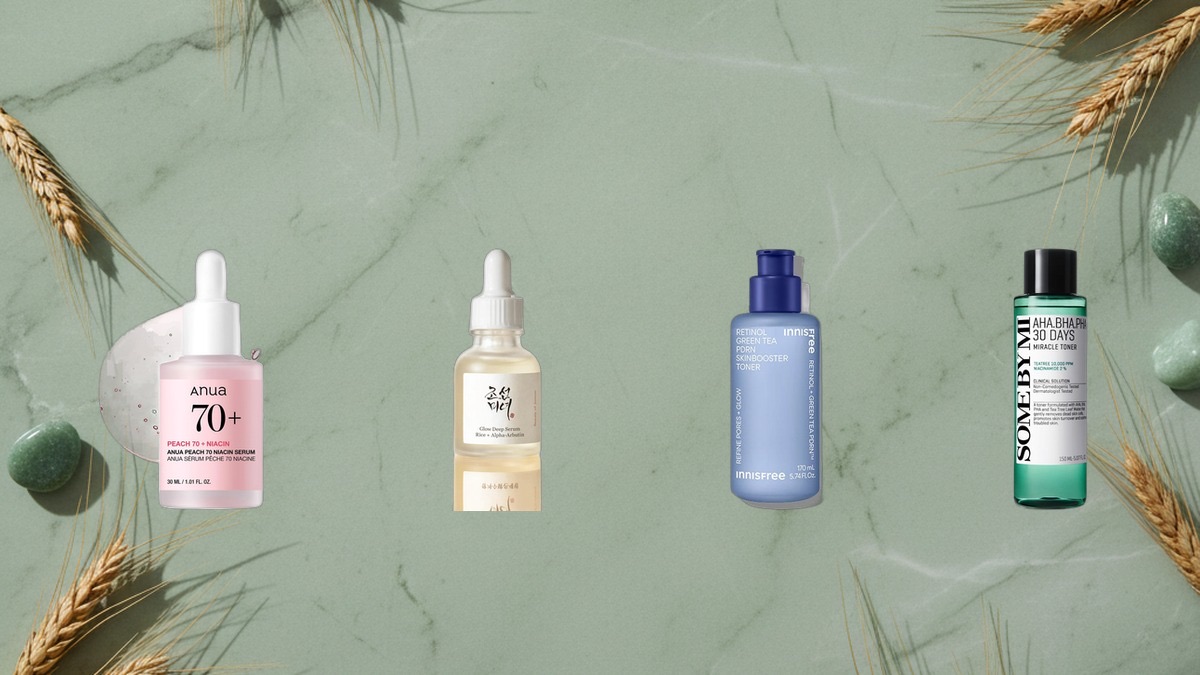
When you see these ingredient names on labels, here are the real K-beauty serums (sold by Mirai Skin) that contain them in clinically meaningful concentrations:
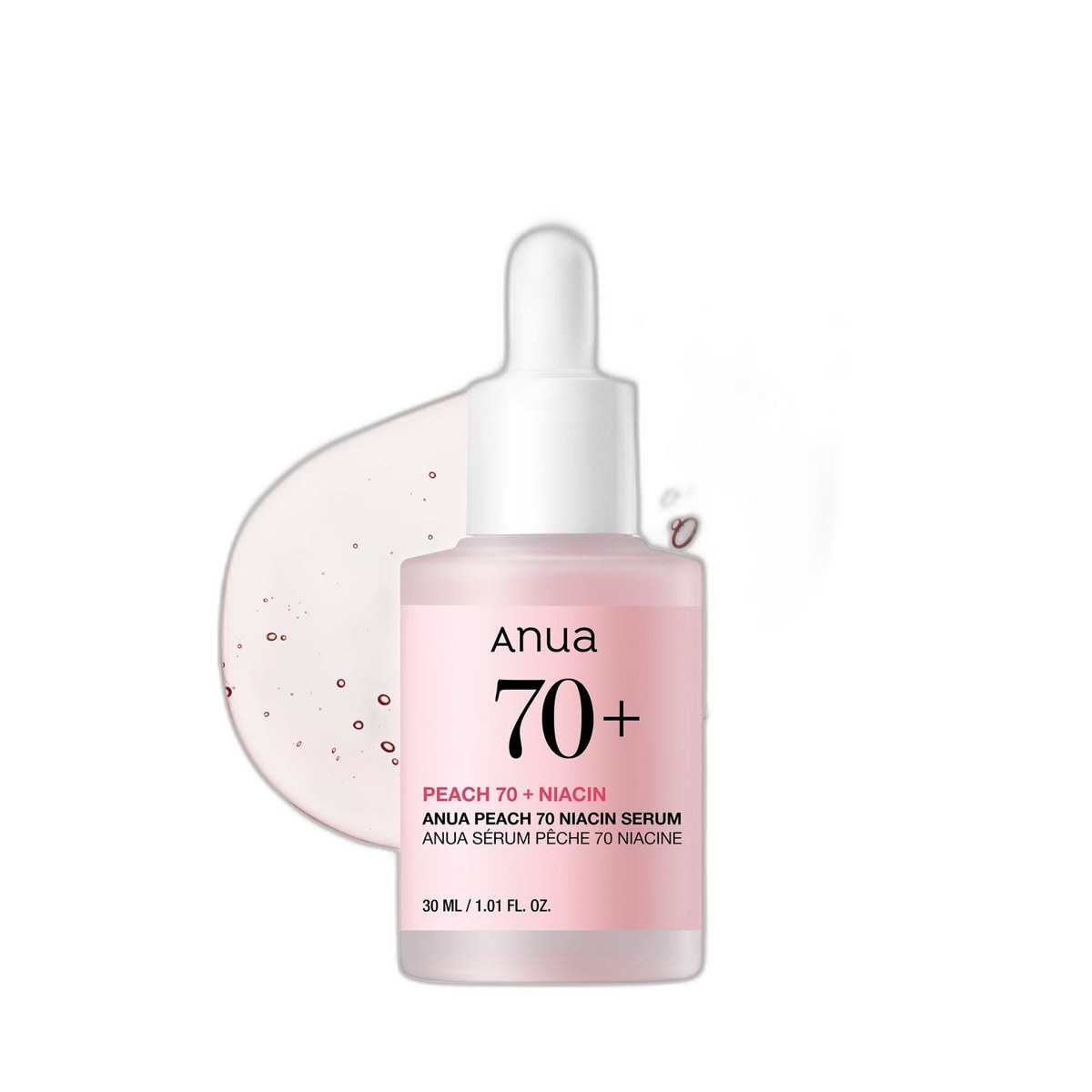
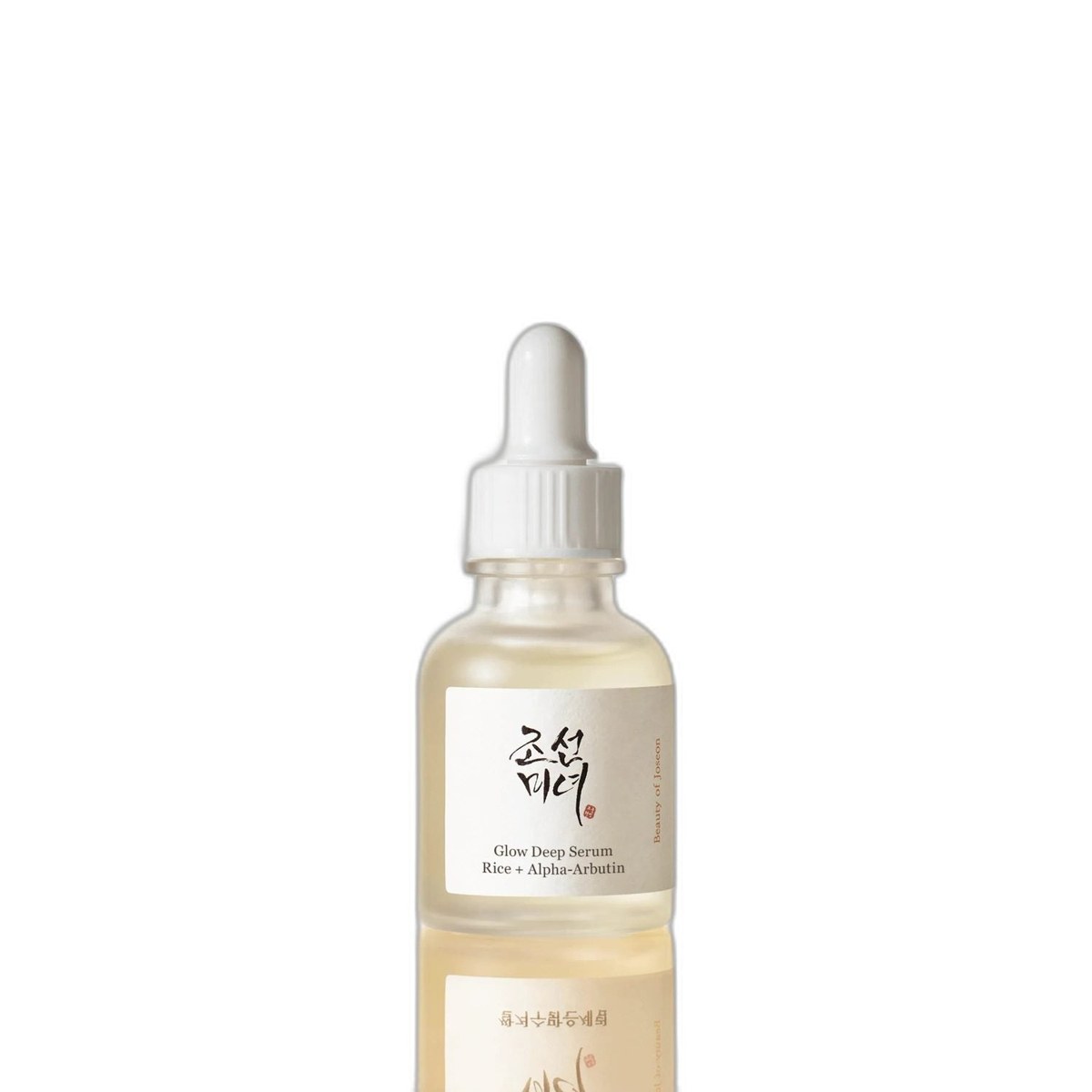
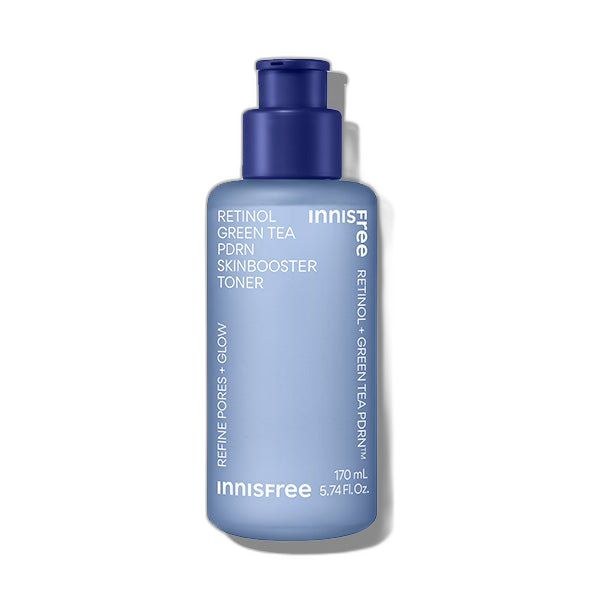
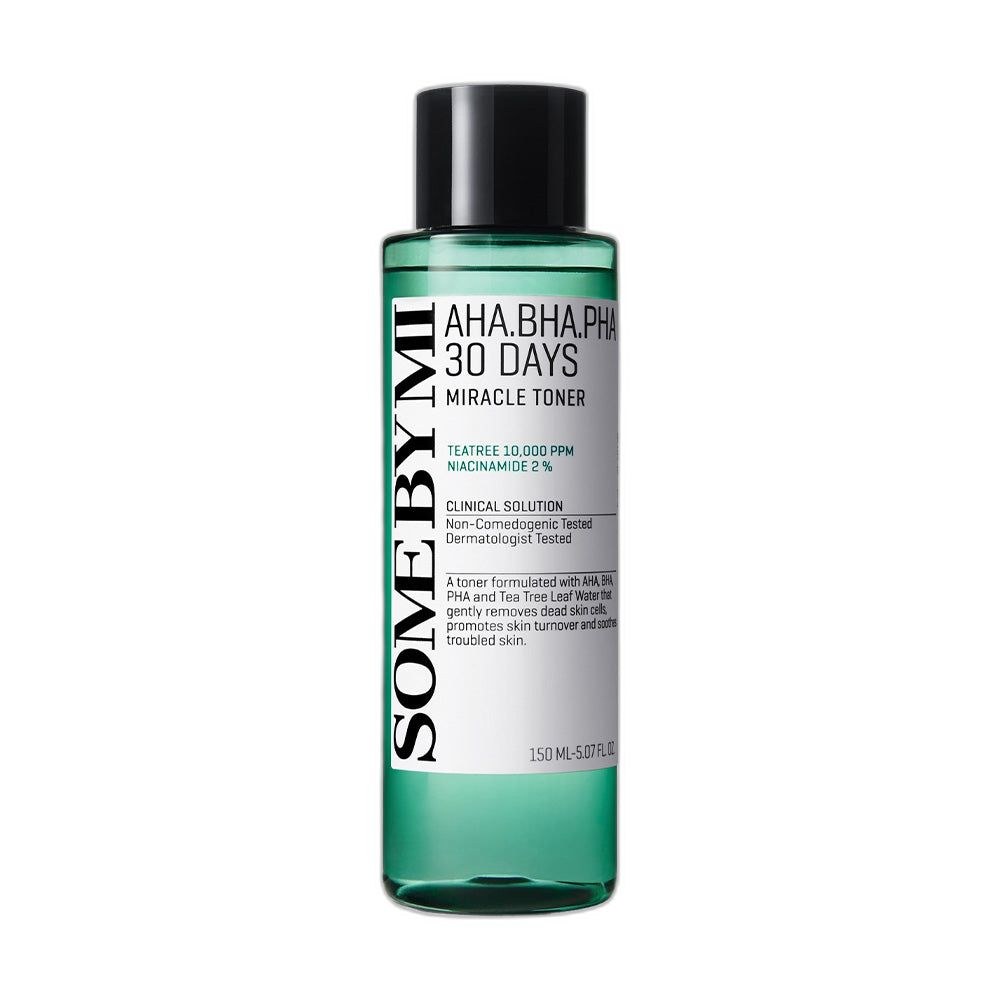
Whichever combination you build, check the label, start at the lower concentration, and follow the layering rules above.
How to Layer Actives Safely
Understanding which ingredients conflict is the first step; the next is mastering the art of layering to ensure your actives work effectively without causing irritation. The goal is to create a routine that is both potent and gentle, allowing your skin to reap the maximum benefits from each product.
AM/PM Split Strategy
This is the golden rule for incorporating multiple potent actives into your routine without overwhelming your skin. By assigning different actives to different times of the day, you minimize the risk of conflicts and maximize efficacy.
The Logic:
- Daytime (AM): Focus on protection and prevention. This is when your skin is exposed to environmental stressors like UV radiation and pollution. Antioxidants and SPF are your best friends here.
- Nighttime (PM): Focus on repair, regeneration, and treatment. This is when your skin naturally goes into repair mode, making it the ideal time for ingredients that promote cell turnover and exfoliation.
How to Implement:
- Morning Routine:
- Antioxidants: Vitamin C is the star here. Its ability to neutralize free radicals makes it a powerful partner for your SPF, enhancing your overall protection against environmental damage.
- Hydrators: Hyaluronic Acid or other hydrating serums can be used to plump the skin and provide a comfortable base.
- SPF: This is the non-negotiable final step in your AM routine.
- Evening Routine:
- Retinoids: Retinol, tretinoin, and other retinoids are best used at night because they can increase sun sensitivity and some forms are photosensitive (break down in sunlight). They work on cell turnover and repair while you sleep.
- Exfoliating Acids (AHAs/BHAs): These are also best used at night. Like retinoids, they can increase sun sensitivity, and using them at night allows them to work on resurfacing the skin without immediate sun exposure.
- Targeted Treatments: Ingredients for specific concerns like acne (e.g., salicylic acid) or pigmentation can be applied here.
Example:
- AM: Cleanse > Vitamin C Serum > Moisturizer > SPF
- PM: Cleanse > Retinol Serum > Moisturizer (or Cleanse > AHA/BHA Serum > Moisturizer)
Alternating Nights
For those with a robust arsenal of potent nighttime actives, or particularly sensitive skin, alternating nights is a brilliant strategy to incorporate everything you want without causing irritation. This ensures your skin isn’t exposed to multiple strong treatments on the same evening.
The Logic: Your skin needs time to adjust and recover from powerful actives. Using a strong exfoliant one night and a retinoid the next allows each ingredient to work without competition or excessive stress on the skin barrier. It also gives your skin a “rest” night, where you can focus purely on hydration and barrier repair.
How to Implement:
- Cycle Your Actives: Instead of using everything every night, create a rotation.
- Night 1: Retinol: After cleansing, apply your retinol serum, followed by a nourishing moisturizer.
- Night 2: Exfoliating Acid: After cleansing, apply your AHA or BHA serum/toner, followed by a hydrating moisturizer.
- Night 3: Hydration/Barrier Repair: After cleansing, focus on hydrating and soothing ingredients (e.g., Hyaluronic Acid serum, ceramides, squalane, a rich moisturizer). This gives your skin a break to rebuild its barrier.
- Adjust Frequency: Start with fewer active nights and gradually increase as your skin tolerates it. For example, begin with retinol twice a week, acids once a week, and hydration on other nights.
- Listen to Your Skin: If you experience any redness, dryness, or stinging, reduce the frequency of your actives and incorporate more hydration/repair nights.
Buffering
Buffering is a technique used to minimize potential irritation from strong actives like retinoids or potent acids, especially when you’re first introducing them or if you have sensitive skin. It essentially involves creating a protective layer on your skin before applying the active.
The Logic: A buffer (usually a hydrating serum or a light moisturizer) acts as a barrier, slowing down the penetration of the active ingredient and slightly diluting its immediate impact. This reduces the initial “shock” to the skin, making the active more tolerable without significantly compromising its long-term efficacy.
How to Implement (The “Sandwich Method” is a popular form of buffering):
- Cleanse: Start with a clean, dry face.
- Apply Buffer: Apply a thin layer of a hydrating serum (like Hyaluronic Acid) or a lightweight, non-comedogenic moisturizer. Allow it to absorb for a minute or two.
- Apply Active: Apply a pea-sized amount of your strong active (retinol or acid) evenly over your face.
- Apply More Moisturizer (Optional, but recommended): If your skin is very sensitive, you can apply another layer of your moisturizer on top of the active. This “sandwiches” the active between two hydrating layers.
Benefits of Buffering:
- Reduces Irritation: Significantly minimizes redness, stinging, flaking, and dryness.
- Improves Tolerability: Makes it easier for sensitive skin types to incorporate potent actives.
- Smoother Introduction: Ideal when starting a new, strong active, allowing your skin to gradually adjust.
For more detailed layering tips, check out our guide on [/how-to-layer-serums-the-right-way/].
A Sample Conflict-Free Routine
Building a skincare routine that incorporates powerful actives can feel like solving a complex puzzle. But with the strategies we’ve discussed, you can create a highly effective and conflict-free regimen. Here’s a sample routine designed for glowing, healthy skin, separating actives into AM and PM, and incorporating alternating nights for stronger treatments.
This routine is a template; always adjust based on your skin’s specific needs and tolerance.
AM Routine (Focus: Protection & Brightening)
The morning is all about defending your skin from environmental aggressors and providing a boost of antioxidants.
- Gentle Cleanser: Start with a mild, non-stripping cleanser to refresh your skin without removing its natural oils.
- Vitamin C Serum: Apply 3-5 drops of a stable L-Ascorbic Acid or Vitamin C derivative serum. This powerful antioxidant will neutralize free radicals and boost your SPF’s efficacy.
- Hyaluronic Acid Serum (Optional): If your skin needs an extra hydration boost, apply a Hyaluronic Acid serum to damp skin after your Vitamin C. Pat it in until absorbed.
- Moisturizer: Follow with a lightweight, hydrating moisturizer to lock in moisture and prepare your skin for SPF.
- Broad-Spectrum SPF 30+: This is the most crucial step. Apply a generous amount (about a quarter-sized dollop) to your face and neck as the final step. Reapply every two hours if exposed to direct sunlight.
PM Routine (Focus: Repair & Renewal)
The evening is dedicated to treating specific concerns, promoting cell turnover, and allowing your skin to regenerate while you sleep. We’ll use an alternating night strategy for your strong actives.
PM Routine - Night 1 (Retinol Focus):
- Double Cleanse: Start with an oil-based cleanser to remove makeup, SPF, and impurities, followed by a gentle water-based cleanser for a thorough clean.
- Hydrating Toner (Optional): If you use a toner, opt for a hydrating or barrier-supporting one (e.g., with ceramides or peptides), not an exfoliating one.
- Retinol Serum: Apply a pea-sized amount of your retinol serum to dry skin. If you’re new to retinol or have sensitive skin, consider buffering by applying a thin layer of moisturizer first.
- Nourishing Moisturizer: Follow with a rich, reparative moisturizer to soothe and hydrate your skin, counteracting any potential dryness from the retinol.
PM Routine - Night 2 (Exfoliation Focus):
- Double Cleanse: Again, start with an oil-based cleanser followed by a gentle water-based cleanser.
- Hydrating Toner (Optional): As above, stick to hydrating or soothing toners.
- AHA/BHA Serum or Treatment: Apply your chosen exfoliating acid product (e.g., a glycolic acid serum, a salicylic acid toner, or a multi-acid treatment). Remember: only one acid product per routine.
- Nourishing Moisturizer: Follow with a good moisturizer to replenish moisture and support your skin barrier.
PM Routine - Night 3 (Rest & Repair Focus):
- Double Cleanse: Complete your double cleanse.
- Hydrating Serum/Oil: Apply a hydrating serum (e.g., Hyaluronic Acid, Squalane) or a nourishing facial oil.
- Barrier Repair Moisturizer: Use a moisturizer
Related Reading
- Skincare Ingredient Compatibility Guide
- niacinamide vs vitamin C
- how to layer serums
- Peptides in K-Beauty: Complete Guide — peptides are one of the most conflict-free actives you can add; here’s the complete breakdown of types, evidence, and layering