The quest for radiant, youthful skin often leads us down a fascinating path of potent ingredients. In the realm of anti-aging, two names frequently surface, sparking debate and curiosity: Retinol and Bakuchiol. Both are celebrated for their ability to diminish wrinkles, improve skin texture, and promote a more even tone, yet they couldn’t be more different in their origins and how they interact with your skin. As your trusted skincare expert at Glow Coded, we’re here to demystify these powerhouse ingredients, helping you discern which one might be the perfect match for your skin’s unique needs and goals.
What is Retinol?
Retinol is a derivative of Vitamin A, belonging to a broader family of compounds known as retinoids. It’s arguably the most well-researched and dermatologist-recommended anti-aging ingredient on the market, lauded for its remarkable efficacy in addressing a wide array of skin concerns.
The Science Behind Retinol
When applied to the skin, retinol is converted into retinoic acid, its active form, through a two-step enzymatic process (retinol esters -> retinol -> retinaldehyde -> retinoic acid). This active form then binds to specific receptors in skin cells, influencing their behavior in several profound ways:
- Accelerated Cell Turnover: Retinoic acid signals skin cells to speed up their renewal process. This means old, dull skin cells are shed more rapidly, making way for fresh, new cells. This quick turnover helps to reduce the appearance of fine lines, wrinkles, and hyperpigmentation, revealing brighter, smoother skin.
- Collagen Production: One of retinol’s most significant benefits is its ability to stimulate collagen synthesis. Collagen is the primary structural protein in the skin, responsible for its firmness and elasticity. As we age, collagen production naturally declines, leading to sagging and wrinkles. Retinol helps to counteract this by boosting the production of new collagen, plumping the skin and improving its overall resilience.
- Reduced Hyperpigmentation: By speeding up cell turnover, retinol effectively helps to fade dark spots, sun spots, and post-inflammatory hyperpigmentation (PIH) left behind by acne. It also inhibits the activity of tyrosinase, an enzyme involved in melanin production, further contributing to a more even skin tone.
- Acne Treatment: Retinol is also a powerful ally against acne. It helps to unclog pores by reducing the stickiness of cells lining the pore, preventing the formation of comedones (blackheads and whiteheads). Its anti-inflammatory properties can also help calm existing breakouts.
Common Side Effects and Considerations
Despite its impressive benefits, retinol is known for its potential to cause initial irritation, often referred to as the “retinization period.” This can include:
- Redness and Flaking: As your skin adjusts, you might experience redness, dryness, and peeling.
- Sensitivity: Skin can become more sensitive, especially to sunlight.
- Purging: Some individuals may experience an initial breakout as retinol brings underlying congestion to the surface.
To mitigate these side effects, it’s generally recommended to start with a low concentration of retinol and gradually increase frequency and strength as your skin builds tolerance. Always pair retinol with a good moisturizer and diligent sun protection, as it can increase photosensitivity. Retinol is also generally not recommended for use during pregnancy or breastfeeding due to potential risks, though this is primarily based on studies of oral retinoids.
What is Bakuchiol?
Bakuchiol (pronounced buh-KOO-chee-all) is a relatively newer star in the skincare galaxy, hailed as a natural, plant-derived alternative to retinol. Extracted from the seeds and leaves of the Psoralea corylifolia plant, used for centuries in Ayurvedic and traditional Chinese medicine, Bakuchiol has gained immense popularity for offering similar anti-aging benefits without the typical irritation associated with retinoids.
The Science Behind Bakuchiol
While Bakuchiol is often dubbed “nature’s retinol,” it’s crucial to understand that it is not a retinoid and does not share the same chemical structure or mechanism of action. Instead, Bakuchiol works through different pathways, interacting with similar gene receptors in the skin that retinoids do, effectively mimicking some of their beneficial effects.
- Collagen Stimulation: Like retinol, Bakuchiol has been shown to stimulate collagen production, helping to improve skin elasticity and firmness, thereby reducing the appearance of fine lines and wrinkles. Studies suggest it upregulates type I and IV collagen synthesis.
- Antioxidant Properties: Bakuchiol is a potent antioxidant, meaning it helps protect the skin from damage caused by free radicals, which contribute to premature aging. This antioxidant power also helps to reduce inflammation.
- Anti-inflammatory Effects: Its inherent anti-inflammatory properties make it particularly well-suited for sensitive skin types, as it can help calm redness and irritation.
- Hyperpigmentation Reduction: Research indicates Bakuchiol can also help diminish hyperpigmentation by interfering with the melanin synthesis pathway, leading to a more even and brighter complexion.
- Cell Turnover (Indirectly): While not directly accelerating cell turnover in the same dramatic way as retinol, its overall effect on skin health and regeneration contributes to a fresher, more revitalized appearance.
Key Advantages of Bakuchiol
The primary appeal of Bakuchiol lies in its gentle nature:
- Reduced Irritation: It is significantly less likely to cause redness, dryness, or peeling, making it an excellent option for individuals with sensitive skin, rosacea, or eczema who may not tolerate retinol.
- No Increased Sun Sensitivity: Unlike retinol, Bakuchiol does not increase the skin’s sensitivity to the sun, meaning it can be used safely during the day (though daily SPF is always a must!).
- Stability: Bakuchiol is more photostable than retinol, meaning it doesn’t degrade as quickly when exposed to light, potentially extending its shelf life and efficacy.
- Pregnancy-Friendly (Consult Doctor): While extensive studies are still ongoing, Bakuchiol is generally considered a safer alternative for use during pregnancy and breastfeeding, though it’s always imperative to consult with your healthcare provider before introducing any new active ingredient during these periods.
Retinol vs Bakuchiol: Head-to-Head Comparison
Let’s break down the core differences and similarities between these two anti-aging heavyweights in a clear, concise comparison.
| Feature | Retinol | Bakuchiol |
|---|---|---|
| Origin | Vitamin A derivative (synthetic or animal) | Plant-derived (from Psoralea corylifolia plant) |
| Mechanism of Action | Converts to retinoic acid, binds to cell receptors, directly influences gene expression, accelerates cell turnover. | Interacts with similar gene receptors as retinoids, mimics effects, potent antioxidant, anti-inflammatory. |
| Efficacy (Potency) | Gold standard, highly potent, faster and more dramatic results for severe concerns. | Comparable benefits, gentler, results may be slower or less intense for severe concerns. |
| Side Effects | Common: redness, dryness, peeling, sensitivity, purging. | Rare: generally well-tolerated, very low incidence of irritation. |
| Sun Sensitivity | Increases photosensitivity, requires strict SPF use, best used at night. | Does not increase photosensitivity, safe for daytime use (still requires SPF). |
| Pregnancy/Breastfeeding Safety | Generally not recommended, potential risks (based on oral retinoids). Always consult a doctor. | Generally considered safer, but always consult a doctor. |
| Skin Types Best For | Oily, acne-prone, mature, resilient skin. | Sensitive, dry, reactive, or those who can’t tolerate retinol. |
| Speed of Results | Weeks to months for noticeable improvement. | Months for noticeable improvement, often slower than retinol. |
| Stability | Less stable, degrades in light/air, often requires opaque packaging. | More photostable, less prone to degradation. |
Key Differences Detailed
While the table offers a snapshot, let’s dive deeper into the nuances that truly differentiate these two ingredients.
Potency vs. Gentleness
This is perhaps the most significant distinction. Retinol, especially in its stronger forms (like prescription retinoids), is a powerhouse. Its direct and potent influence on cell behavior means it can deliver more dramatic and often faster results for significant concerns like deep wrinkles, severe acne, and stubborn hyperpigmentation. However, this power comes at the cost of potential irritation and a necessary adjustment period.
Bakuchiol, on the other hand, excels in gentleness. Its molecular structure and indirect pathways mean it doesn’t trigger the same inflammatory response as retinol. This makes it a hero for those who have historically struggled with active ingredients, allowing them to reap anti-aging benefits without compromising their skin barrier or dealing with discomfort. The trade-off might be a slightly slower onset of results or less intense improvements for very severe conditions, but for many, the sustained, comfortable improvement is well worth it.
Mechanism of Action
Retinol’s strength lies in its ability to convert to retinoic acid, which directly communicates with skin cells to accelerate their turnover and boost collagen. It’s a direct, command-and-control approach.
Bakuchiol, while achieving similar outcomes (collagen production, anti-inflammatory effects, pigmentation reduction), does so through different, less direct pathways. It acts as a signaling molecule, influencing gene expression in a way that mimics retinol’s effects without sharing its chemical structure or causing the same level of cellular stress. It also brings its own unique antioxidant and anti-inflammatory properties to the table, which are inherent to its plant origin.
Irritation Profile and Sun Sensitivity
The “retinization” period is a well-documented phase for retinol users, involving redness, peeling, and dryness as the skin adjusts. Furthermore, retinol makes the skin more photosensitive, meaning it’s more susceptible to sun damage, necessitating strict nighttime use and diligent SPF application during the day.
Bakuchiol bypasses these concerns almost entirely. Its gentle nature means virtually no irritation for most users, making it suitable for even the most reactive skin types. Crucially, it does not increase sun sensitivity, offering flexibility for both morning and evening application (though, we can’t stress this enough: SPF is always non-negotiable for any routine, regardless of ingredients!).
Stability and Formulation
Retinol is notoriously unstable. It degrades when exposed to light and air, which is why it’s often packaged in opaque, air-tight containers. This instability can impact its efficacy over time if not stored correctly or formulated properly.
Bakuchiol is a more stable compound, which can be an advantage for formulators and consumers alike. Its stability means it’s less likely to lose potency and can be integrated into a wider range of product types without compromising its effectiveness.
Who Should Choose Retinol?
Retinol is the ideal choice for individuals who:
- Seek Maximum Efficacy: If you’re looking for the most potent, scientifically proven ingredient to tackle significant signs of aging, stubborn acne, or pronounced hyperpigmentation, retinol remains the gold standard.
- Have Tolerant Skin: Your skin doesn’t easily react to new ingredients, and you’re willing to go through an initial adjustment period to achieve desired results.
- Are Committed to a Routine: You’re prepared to consistently use SPF, apply retinol at night, and manage potential side effects with a supportive skincare routine.
- Are Addressing Specific Concerns: You have moderate to severe fine lines, deep wrinkles, persistent adult acne, or significant sun damage that requires a powerful intervention.
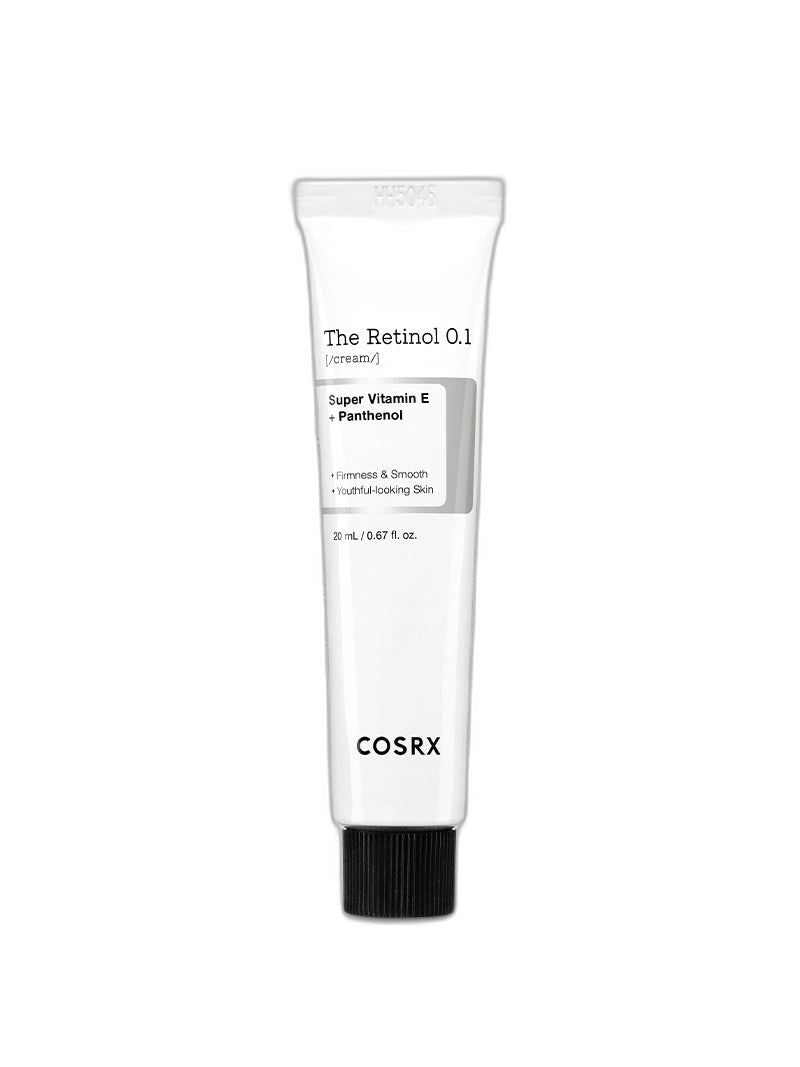
If you’re ready to commit to its regimen and navigate its initial challenges, retinol offers unparalleled transformative power. The COSRX The Retinol 0.1 Cream is an approachable starting point — 0.1% concentration with built-in niacinamide to cushion the adjustment period. For a deeper dive into incorporating this powerhouse, check out our Beginner’s Guide to Retinoids.
Who Should Choose Bakuchiol?
Bakuchiol shines as the perfect alternative for individuals who:
- Have Sensitive or Reactive Skin: If your skin is prone to redness, irritation, rosacea, or eczema, Bakuchiol provides a soothing yet effective anti-aging solution.
- Prefer Natural/Plant-Based Ingredients: For those who prioritize ingredients derived from nature, Bakuchiol aligns perfectly with a “clean beauty” philosophy.
- Are Pregnant or Breastfeeding: While always requiring a doctor’s consultation, Bakuchiol is often recommended as a safer alternative to retinol during these delicate periods.
- Want to Avoid Retinol’s Side Effects: If you’ve tried retinol in the past and found it too irritating, or if you simply want to avoid the purging and dryness, Bakuchiol offers a comfortable experience.
- Are New to Active Ingredients: It’s an excellent entry-level anti-aging active that can help you ease into similar benefits without overwhelming your skin.
- Desire Daytime Anti-Aging: Its lack of photosensitivity means you can integrate it into your morning routine for continuous anti-aging benefits.
Bakuchiol empowers those with delicate skin to still achieve remarkable anti-aging results, proving that gentle can indeed be powerful.
Can You Use/Have Both?
Absolutely! In fact, incorporating both Retinol and Bakuchiol into your skincare routine can be a highly effective strategy, offering a synergistic approach to anti-aging. This combination can allow you to harness the potent benefits of retinol while potentially mitigating some of its common side effects, thanks to Bakuchiol’s soothing and anti-inflammatory properties.
Here’s how you might consider using them together:
- Bakuchiol in the Morning, Retinol at Night: This is a popular and straightforward approach. Apply your Bakuchiol serum or moisturizer in the morning to benefit from its antioxidant and collagen-boosting effects throughout the day, without worrying about sun sensitivity. Then, in the evening, apply your retinol product to take advantage of its powerful cell-renewing and collagen-stimulating actions while your skin repairs itself overnight.
- Alternating Nights: If your skin is still somewhat sensitive but you want to use retinol, you could alternate nights. For example, use retinol on Monday, Bakuchiol on Tuesday, and a gentle moisturizer on Wednesday, then repeat. This allows your skin to get the benefits of both without being overwhelmed.
- Layering (Carefully): Some individuals with more tolerant skin might choose to layer them. You could apply Bakuchiol first as a soothing base, followed by a lower concentration retinol product. Bakuchiol’s anti-inflammatory properties might help to calm the skin and reduce potential irritation from the retinol. However, this approach requires careful monitoring of your skin’s reaction.
- In Combination Products: As Bakuchiol’s popularity grows, you’ll find more formulations that combine both ingredients. These products are specifically designed to optimize the benefits and minimize irritation, with formulators carefully balancing concentrations.
The key benefit of using both is that Bakuchiol can act as a “booster” and “buffer” for retinol. It can enhance collagen production and provide antioxidant protection, complementing retinol’s actions. At the same time, its calming effects can help soothe skin that might otherwise react to retinol, potentially making the retinization process smoother or allowing you to use retinol more frequently. As always, listen to your skin and introduce new products gradually. If you’re prone to sensitivity, consider patch testing first. Understanding your skin barrier is crucial for successful integration of actives; learn more in our guide on Repairing a Compromised Skin Barrier.
Our Verdict
Choosing between Retinol and Bakuchiol isn’t about declaring one superior to the other; it’s about understanding your skin, your goals, and your tolerance. Both are exceptional ingredients with proven anti-aging benefits, each with its unique strengths.
- Retinol remains the undisputed heavyweight champion for those seeking the most powerful, evidence-backed results for significant signs of aging, acne, and texture issues, provided your skin can tolerate its intensity. It’s a commitment, but one that often yields profound transformations.
- Bakuchiol emerges as the compassionate hero, offering a gentle yet effective path to smoother, firmer, and brighter skin. It’s perfect for sensitive skin types, those seeking a natural alternative, or individuals who prioritize comfort and ease of use without sacrificing efficacy.
The good news is, you don’t always have to choose. For many, a strategic combination of both can offer the best of both worlds – the potent efficacy of retinol buffered and enhanced by the gentle, soothing power of Bakuchiol. The best ingredient for you is the one your skin loves, tolerates, and that helps you achieve your desired glow. Experiment thoughtfully, listen to your skin’s feedback, and consult with a skincare professional if you have persistent concerns. Your journey to radiant skin is unique, and both Retinol and Bakuchiol are powerful allies ready to assist you on your path.
For the delicate eye area specifically, the Beauty of Joseon Revive Eye Cream (Ginseng + Retinal) uses retinal — one step more potent than retinol — in a formula gentle enough for under-eye skin.
Related reading:
- Parnell Bakuchiol vs. COSRX Retinol: Head-to-Head
- Retinol for Beginners: Start Here
- Skincare for Every Skin Type
- Bakuchiol Complete Guide: Korean Products & How to Use It — a deeper look at bakuchiol’s evidence, who it’s best for, and the top Korean bakuchiol products ranked