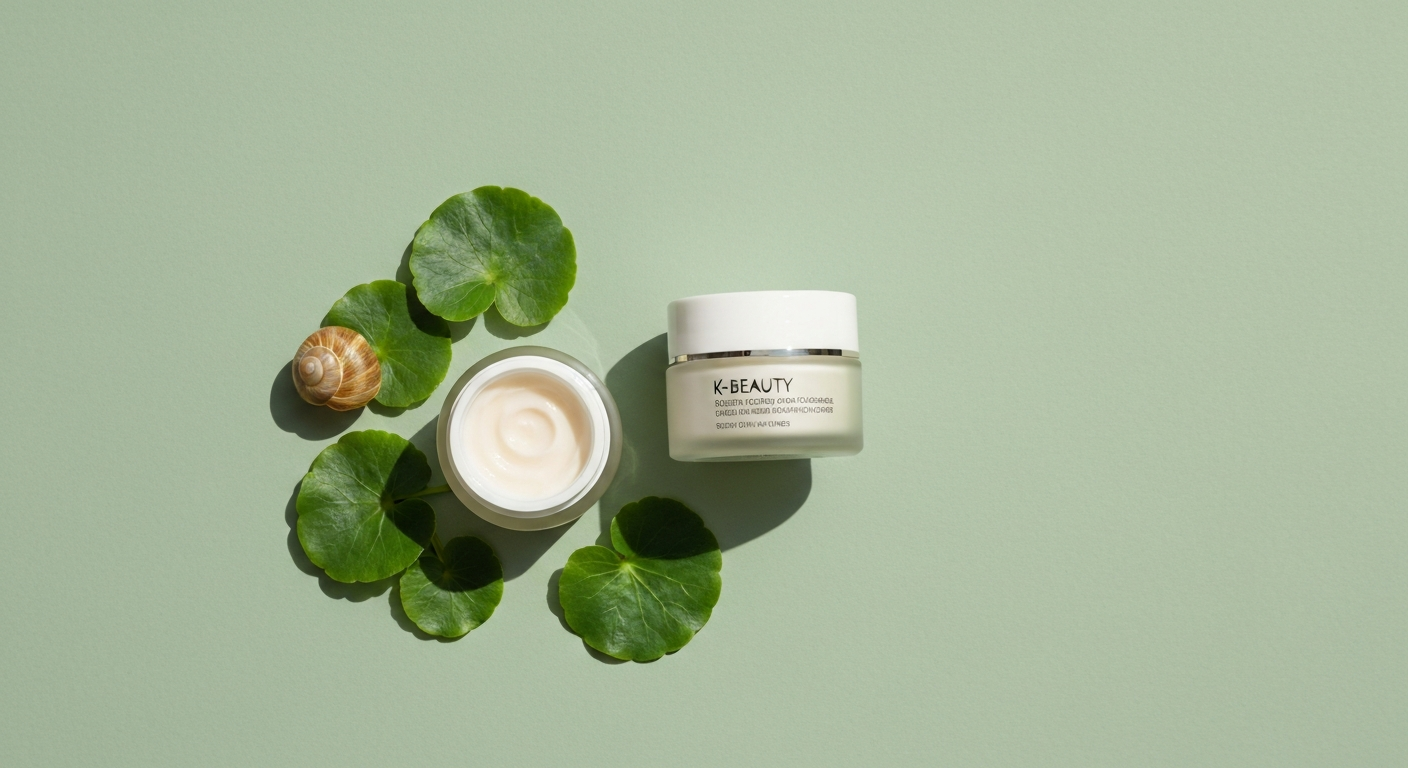
When it comes to K-Beauty, two ingredients frequently emerge as undisputed champions, revered for their transformative powers and ability to address a myriad of skin concerns: Snail Mucin and Centella Asiatica. Both have carved out significant niches in the skincare world, promising everything from deep hydration and anti-aging benefits to soothing irritation and repairing the skin barrier. But for those navigating the vast landscape of active ingredients, choosing between these two powerhouse components can be a delightful dilemma. Are they interchangeable, or do they offer distinct advantages? At Glow Coded, we believe in empowering you with knowledge, and today, we’re diving deep into the world of Snail Mucin and Centella Asiatica to help you understand their unique strengths and decide which K-Beauty hero, or perhaps both, deserves a coveted spot in your routine.
What Is Snail Mucin?
Snail Mucin, scientifically known as Snail Secretion Filtrate (SSF), might sound a little unconventional to the uninitiated, but its efficacy in skincare is anything but. This natural secretion, harvested ethically and cruelty-free, has been a staple in traditional medicine for centuries and was popularized by the innovative K-Beauty industry. The mucin is essentially what snails produce to protect themselves from cuts, UV rays, and bacteria, and to help them heal quickly. It’s a complex blend of beneficial compounds that translate beautifully into skincare benefits.
At its core, snail mucin is a rich cocktail of glycoproteins, hyaluronic acid, proteoglycans, peptides, enzymes, copper peptides, antimicrobial peptides, and even glycolic acid and allantoin. This diverse composition is what makes it such a multi-tasking ingredient. The hyaluronic acid and glycoproteins are exceptional humectants, drawing moisture from the air and locking it into the skin, leading to profound hydration and a plump, dewy appearance. This intense hydration is crucial for maintaining skin elasticity and reducing the appearance of fine lines and wrinkles.
The reparative qualities of snail mucin are equally impressive. Allantoin, a known healing agent, helps to soothe and regenerate skin, making it excellent for calming irritation and supporting the healing of minor abrasions or breakouts. Glycolic acid, naturally present in small amounts, provides a gentle exfoliating action, promoting cell turnover and helping to fade hyperpigmentation, acne scars, and uneven skin tone without causing irritation typically associated with higher concentrations of AHAs. Peptides, including copper peptides, are vital for stimulating collagen and elastin production, which are the building blocks of firm, youthful skin. This makes snail mucin a formidable ally in anti-aging routines, working to improve skin texture and firmness over time.
Furthermore, the antimicrobial properties of snail mucin can help to protect the skin from environmental aggressors and reduce the presence of acne-causing bacteria, making it a supportive ingredient for those with blemish-prone skin. It also aids in strengthening the skin barrier, the outermost layer of the skin responsible for defending against external threats and preventing transepidermal water loss. A robust skin barrier is synonymous with healthy, resilient skin.
When incorporated into a skincare routine, snail mucin products, often found in essences, serums, and creams, typically have a unique, slightly viscous and stringy texture that glides onto the skin smoothly and absorbs quickly without feeling sticky. This makes it a pleasant and effective addition for almost all skin types, particularly those seeking hydration, repair, and a brighter, more even complexion. Its gentle nature also means it’s well-tolerated by sensitive skin, offering potent benefits without causing adverse reactions.
What Is Centella Asiatica?
Centella Asiatica, widely known as Cica or Gotu Kola, is another botanical powerhouse that has transcended traditional medicine to become a darling of the modern skincare world, particularly within K-Beauty. This herbaceous plant, native to wetlands in Asia, has been revered for centuries in Ayurvedic and traditional Chinese medicine for its remarkable wound-healing, anti-inflammatory, and regenerative properties. Its rise to fame in skincare is largely due to its exceptional ability to soothe irritated skin, accelerate healing, and strengthen the skin’s natural defenses.
The therapeutic benefits of Centella Asiatica are attributed to its potent active compounds, collectively known as triterpenes or centelloids. The four primary active compounds are asiaticoside, madecassoside, asiatic acid, and madecassic acid. Each of these plays a crucial role in the plant’s skin-loving capabilities. Asiaticoside and madecassoside are particularly renowned for their anti-inflammatory and antioxidant properties, which are vital for calming redness, reducing swelling, and protecting the skin from free radical damage caused by environmental stressors. This makes Cica an indispensable ingredient for sensitive, reactive, and compromised skin types.
Asiatic acid and madecassic acid are key players in the skin’s repair process. They stimulate the synthesis of collagen, particularly type I and type III collagen, which are essential for skin firmness and elasticity. By boosting collagen production, Cica helps to improve skin texture, reduce the appearance of scars (including acne scars), and promote overall skin regeneration. This makes it an excellent choice for post-procedure care, helping the skin recover more quickly and effectively, and for those looking to diminish the visibility of old marks and blemishes.
Beyond its healing and anti-aging properties, Centella Asiatica is a phenomenal ingredient for strengthening the skin barrier. It helps to restore the integrity of the epidermal barrier, making the skin more resilient against external irritants and reducing moisture loss. For individuals struggling with conditions like eczema, rosacea, or general sensitivity, Cica can provide significant relief by fortifying the skin’s natural protective shield and reducing inflammatory responses. Its soothing action can also alleviate discomfort associated with dryness, itching, and burning sensations.
Cica products are available in a wide array of formulations, from lightweight toners and serums to rich creams and balms, often identifiable by their characteristic green tint, reflecting the plant’s natural color. The texture and feel of Cica products can vary greatly depending on the formulation, but they are generally designed to be gentle, non-irritating, and deeply comforting. They absorb well into the skin, leaving it feeling calm, protected, and balanced.
In essence, Centella Asiatica is the ultimate skin savior for those battling sensitivity, redness, inflammation, and compromised skin. It’s a powerful healer that not only soothes immediate discomfort but also works to build stronger, healthier, and more resilient skin from within, making it a cornerstone for anyone aiming for a calm and balanced complexion.
Head-to-Head Comparison Table
Let’s break down the key characteristics of Snail Mucin and Centella Asiatica side-by-side:
| Feature | Snail Mucin (Snail Secretion Filtrate) | Centella Asiatica (Cica) |
|---|---|---|
| Primary Benefit | Hydration, repair, regeneration, anti-aging, scar fading | Soothing, anti-inflammatory, wound healing, barrier repair |
| Key Compounds | Hyaluronic acid, glycoproteins, peptides, allantoin, glycolic acid | Asiaticoside, madecassoside, asiatic acid, madecassic acid |
| Skin Type Suitability | All skin types, especially dry, dehydrated, aging, acne-scarred | All skin types, especially sensitive, irritated, acne-prone, reactive |
| Texture/Feel | Viscous, gel-like, slightly stringy, absorbs well, non-sticky | Varies (watery to creamy), often lightweight, calming |
| Anti-Aging Focus | Collagen/elastin stimulation, fine line reduction, texture improvement | Collagen stimulation, scar reduction, elasticity improvement |
| Soothing/Calming | Good for mild irritation, promotes healing of minor blemishes | Excellent, reduces redness, inflammation, post-procedure relief |
| Hydration Level | High, deep hydration, locks in moisture | Moderate to good, helps retain moisture by strengthening barrier |
| Wound Healing/Repair | Excellent, aids in cell regeneration, fades scars | Exceptional, accelerates healing, reduces scarring, barrier strengthening |
Key Differences Detailed
While both Snail Mucin and Centella Asiatica are celebrated for their healing and regenerative properties, a closer look reveals distinct mechanisms and primary focuses that differentiate their roles in a comprehensive skincare routine. Understanding these nuances is key to optimizing your product choices.
Primary Mechanism of Action
Snail Mucin’s strength lies in its ability to provide multi-faceted repair and intense hydration. Its complex composition works synergistically to create a protective barrier, deeply moisturize the skin, and stimulate cellular regeneration. The presence of natural growth factors and peptides encourages fibroblasts to produce more collagen and elastin, leading to improved skin elasticity and a reduction in the appearance of fine lines and wrinkles. Furthermore, the gentle exfoliating action from naturally occurring glycolic acid helps in shedding dead skin cells, promoting a brighter, more even skin tone and aiding in the fading of post-inflammatory hyperpigmentation and acne scars. It’s truly a regenerative powerhouse, focusing on rebuilding and restoring the skin’s overall health and vitality from within.
Centella Asiatica, on the other hand, shines brightest in its anti-inflammatory and soothing capabilities. Its primary active compounds, the centelloids, directly target inflammation pathways in the skin, making it incredibly effective at calming redness, irritation, and discomfort. Cica acts as a powerful modulator of the skin’s immune response, effectively reducing the overreaction that leads to conditions like rosacea flare-ups, eczema patches, and general sensitivity. Beyond immediate soothing, Centella Asiatica significantly accelerates wound healing by promoting angiogenesis (formation of new blood vessels) and increasing collagen synthesis at the wound site, but with a strong emphasis on reducing scar formation and ensuring healthy tissue repair. It’s less about general regeneration and more about targeted healing and calming angry, stressed skin.
Ingredient Composition and Targeted Concerns
The unique cocktail of ingredients in Snail Mucin makes it a go-to for addressing concerns related to skin texture, hydration, and visible signs of aging. The hyaluronic acid and glycoproteins ensure plump, hydrated skin, while peptides and growth factors work on structural integrity. Allantoin and glycolic acid contribute to soothing and mild exfoliation, respectively, leading to a smoother, more radiant complexion and helping to diminish the appearance of existing scars and hyperpigmentation. It’s particularly beneficial for those looking to improve overall skin vitality and youthful bounce.
Centella Asiatica’s strength comes from its specific triterpenes. Asiaticoside and madecassoside are the heroes for reducing inflammation and redness, making Cica an unparalleled choice for reactive or sensitive skin. Asiatic acid and madecassic acid are crucial for promoting wound healing and stimulating collagen production that is specifically geared towards repairing damaged skin and minimizing the formation of hypertrophic scars. Therefore, Cica is the definitive choice for those dealing with active irritation, post-inflammatory erythema (red marks after breakouts), or recovering from skin procedures, offering targeted relief and accelerated recovery.
Texture and Application
The textural experience of these ingredients can also influence user preference. Snail Mucin is famously known for its unique, somewhat viscous, and stringy texture. While it might sound unusual, it typically glides onto the skin beautifully and absorbs without leaving a sticky residue, imparting a dewy finish. This texture makes it ideal for essences and serums, often applied after cleansing and toning, before heavier creams. Its ability to create a moisture-locking film makes it an excellent hydrator.
Centella Asiatica products, depending on their formulation, can range from watery toners to rich, balmy creams. Generally, they tend to have a lighter, more refreshing feel or a comforting, occlusive texture without the distinctive stringiness of snail mucin. Cica creams are often thicker, designed to provide a protective and healing layer, making them perfect as a last step in a routine, especially for barrier repair. Their versatile textures mean they can be integrated at various stages of a routine, from soothing mists to targeted spot treatments.
Anti-Aging Profile
Both ingredients contribute to an anti-aging regimen, but through slightly different avenues. Snail Mucin offers a broad-spectrum anti-aging effect by boosting collagen and elastin, improving skin elasticity, and reducing the appearance of fine lines and wrinkles through intense hydration and cellular regeneration. It helps to plump the skin and restore a youthful glow, making the skin appear smoother and firmer.
Centella Asiatica’s anti-aging benefits are more focused on maintaining skin integrity and resilience. By stimulating collagen synthesis, it helps to improve skin firmness and density, which can contribute to a reduction in sagging and an overall more youthful appearance. However, its primary anti-aging contribution often comes from its ability to prevent damage by reducing inflammation and strengthening the skin barrier, thereby protecting against premature aging caused by environmental stressors and chronic irritation. It’s about building a strong, healthy foundation that resists the signs of aging.
Sensitivity and Irritation
Both ingredients are generally well-tolerated and considered suitable for sensitive skin. However, Centella Asiatica is specifically renowned for its exceptional soothing and anti-inflammatory properties, making it the first line of defense for highly sensitive, reactive, or compromised skin. If your skin is prone to redness, itching, or irritation from external factors or underlying conditions, Cica is the undisputed champion for immediate and long-term relief.
Snail Mucin, while gentle and often recommended for sensitive skin, doesn’t possess the same potent anti-inflammatory capabilities as Cica. Its soothing effects are more related to its healing and barrier-repairing properties rather than direct inflammation modulation. It’s excellent for comforting skin and aiding in the recovery of minor irritations, but for active, widespread inflammation, Cica would be the more targeted choice.
Understanding these detailed differences allows you to make an informed decision based on your unique skin concerns and goals, helping you harness the full potential of these K-Beauty staples.
Who Should Choose Snail Mucin?
Snail Mucin is an ideal choice for a wide array of skin concerns and types, particularly if you are looking to address multiple issues with a single, potent ingredient.
You should lean towards Snail Mucin if:
- You struggle with dehydration and dryness: Its rich content of hyaluronic acid and glycoproteins makes it a superior humectant, drawing moisture into the skin and locking it in for prolonged hydration. If your skin feels tight, flaky, or lacks a healthy plumpness, snail mucin can be a game-changer.
- You’re concerned about signs of aging: Snail mucin is a fantastic ally against fine lines, wrinkles, and loss of elasticity. Its ability to stimulate collagen and elastin production helps to firm the skin, improve its bounce, and reduce the visible signs of aging, giving you a more youthful complexion.
- You want to fade acne scars and hyperpigmentation: The natural glycolic acid and reparative peptides in snail mucin aid in gentle exfoliation and cell turnover. This process helps to diminish the appearance of post-inflammatory hyperpigmentation (dark spots) and improve the texture of atrophic acne scars over time, leading to a more even skin tone.
- Your skin barrier feels compromised: If your skin feels rough, sensitive, or is prone to breakouts due to a weakened barrier, snail mucin can help to rebuild and strengthen this crucial protective layer. A strong barrier means healthier, more resilient skin.
- You desire an overall boost in skin radiance and texture: Snail mucin promotes a smoother, more refined skin texture and imparts a coveted “glass skin” glow due to its hydrating and regenerative properties. If you’re looking for that healthy, dewy luminescence, this ingredient is for you.
- You have combination or oily skin but still need hydration: Despite its rich benefits, snail mucin products are often lightweight and non-comedogenic, providing essential hydration without feeling heavy or greasy, making them suitable for oilier skin types that still require moisture and balance.
Essentially, if your goal is comprehensive skin rejuvenation, intense hydration, and a noticeable improvement in skin texture and tone, Snail Mucin is an excellent, multifaceted ingredient to incorporate into your routine. Two products worth considering: the COSRX Snail 96 Mucin Power Essence for a lightweight layering step, or the COSRX Snail 92 All-in-One Cream if you’d rather get your snail mucin in a single moisturizing step.
Who Should Choose Centella Asiatica?
Centella Asiatica is the ultimate skin savior for those whose primary concerns revolve around sensitivity, inflammation, and healing. It’s a foundational ingredient for anyone seeking to calm, soothe, and fortify their skin.
You should prioritize Centella Asiatica if:
- You have sensitive, reactive, or easily irritated skin: Cica is renowned for its exceptional anti-inflammatory properties, making it the go-to ingredient for calming redness, itching, and general discomfort. If your skin frequently reacts to environmental stressors, new products, or is prone to flushing, Cica will be your best friend.
- You suffer from conditions like rosacea or eczema: The powerful soothing and barrier-strengthening capabilities of Cica can provide significant relief for inflammatory skin conditions. It helps to reduce flare-ups, calm existing irritation, and improve the overall comfort of compromised skin.
- You are dealing with active breakouts and post-inflammatory erythema (red marks): While not a direct acne treatment, Cica is excellent for reducing the inflammation associated with acne, thereby minimizing the severity and duration of breakouts. It’s particularly effective at calming the angry red marks left behind after a pimple has healed, speeding up their resolution.
- You are recovering from dermatological procedures: Whether it’s a laser treatment, chemical peel, or microneedling, Cica accelerates the healing process, reduces post-procedure redness and swelling, and helps to minimize scarring. It’s an essential ingredient for robust skin recovery.
- Your skin barrier is severely compromised and needs urgent repair: If your skin feels stripped, tight, or is experiencing increased sensitivity due to a damaged barrier, Cica works to reinforce and restore its integrity, helping to prevent moisture loss and protect against external irritants.
- You want to prevent scarring from wounds or blemishes: The unique triterpenes in Centella Asiatica promote healthy collagen synthesis during the healing process, which is crucial for minimizing the formation of hypertrophic or keloid scars, ensuring a smoother recovery.
In summary, if your skin is prone to redness, inflammation, sensitivity, or needs significant help with healing and barrier repair, Centella Asiatica offers targeted, powerful relief and protection, making it an indispensable component of your skincare arsenal.
Our centella pick: SKIN1004 Madagascar Centella Tone Brightening Sun Serum SPF50+ — centella calming benefits and sun protection in one step, so you’re soothing and shielding simultaneously.
Can You Use Both?
Absolutely! In fact, integrating both Snail Mucin and Centella Asiatica into your skincare routine can be a highly synergistic and beneficial approach, allowing you to reap the comprehensive benefits of both K-Beauty powerhouses. Far from being mutually exclusive, these two ingredients complement each other beautifully, addressing a broader spectrum of skin concerns than either could alone.
Think of it this way: Snail Mucin excels at deep hydration, cellular regeneration, and fading scars, while Centella Asiatica is the undisputed champion of soothing inflammation, calming redness, and accelerating wound healing. When combined, you’re creating a robust defense and repair system for your skin. You get the intense hydration and anti-aging benefits of snail mucin, paired with the powerful anti-inflammatory and barrier-repairing action of Cica. This combination can lead to skin that is not only deeply moisturized and youthful but also incredibly calm, resilient, and less prone to irritation.
How to Layer Them Effectively
The key to successfully incorporating both ingredients lies in proper layering. As a general rule in skincare, you should apply products from thinnest to thickest consistency.
- Cleanser and Toner: Start with your usual cleansing and toning steps to prepare your skin.
- Snail Mucin Essence/Serum: Snail mucin products, especially essences, often have a slightly viscous but relatively lightweight texture. Apply your snail mucin essence or serum first after toning. This allows the hydrating and regenerative compounds to penetrate deeply, kickstarting the repair process and providing a foundational layer of moisture.
- Centella Asiatica Serum/Ampoule: If your Cica product is a serum or ampoule with a lighter texture than your snail mucin product, you might apply it after. However, if your snail mucin is a very lightweight essence and your Cica is a slightly thicker serum, apply snail mucin first. The order largely depends on the specific product textures.
- Centella Asiatica Cream/Moisturizer: If your Cica comes in a cream or moisturizer format (often thicker and designed for soothing and barrier repair), apply this as your final moisturizing step. It will lock in the benefits of the earlier layers, provide intense hydration, and create a protective, calming barrier.
- Sunscreen (AM): Always finish your morning routine with a broad-spectrum sunscreen.
The beauty of using both is that they address different facets of skin health without overlapping in a way that would cause redundancy or irritation. Snail Mucin works to improve skin texture, elasticity, and reduce hyperpigmentation, while Centella Asiatica ensures your skin remains calm, reduces redness, and heals efficiently from any stress or damage. This dual approach is particularly beneficial for those with “combo” skin concerns – perhaps you have sensitive areas prone to redness but also struggle with dehydration and early signs of aging.
By thoughtfully layering Snail Mucin and Centella Asiatica, you can craft a comprehensive routine that promotes optimal skin health, resilience, and radiance, truly leveraging the best of K-Beauty innovation.
The Verdict
In the perennial K-Beauty debate between Snail Mucin and Centella Asiatica, there isn’t a single “winner.” Instead, both emerge as invaluable heroes, each with unique strengths tailored to different skin needs and concerns.
Snail Mucin stands out as the ultimate multi-tasker for hydration, regeneration, and anti-aging. It’s your go-to if you’re battling dryness, fine lines, wrinkles, uneven texture, or post-acne marks. Its rich blend of peptides, hyaluronic acid, and growth factors works to plump, firm, and revitalize the skin, imparting a coveted youthful glow and significantly aiding in cellular repair. It’s for those seeking a comprehensive solution to improve overall skin health, resilience, and a radiant complexion.
Centella Asiatica, on the other hand, is the undisputed champion for soothing, calming, and intense repair. If your skin is prone to redness, irritation, inflammation, or if you have sensitive, reactive skin conditions like rosacea or eczema, Cica will be your skin’s best friend. Its potent triterpenes excel at reducing inflammation, accelerating wound healing, and fortifying a compromised skin barrier, making it indispensable for post-procedure care and managing stressed skin.
The true magic often happens when these two ingredients are combined. By integrating both Snail Mucin and Centella Asiatica into your routine, you can create a powerhouse regimen that simultaneously hydrates, regenerates, firms, soothes, and repairs. This synergistic approach allows you to address a wider range of concerns, from deep hydration and anti-aging to calming sensitivity and accelerating healing.
Ultimately, the choice, or the decision to use both, depends entirely on your individual skin concerns and goals. Listen to your skin, identify its primary needs, and then choose the hero ingredient (or duo!) that promises to deliver the most impactful results for you. At Glow Coded, we believe in personalized skincare, and understanding the distinct powers of Snail Mucin and Centella Asiatica is a significant step toward achieving your healthiest, most radiant skin yet.
Related reading:
- Decoding the Hype: The Science Behind K-Beauty’s Most Loved Ingredients
- Building Your Perfect K-Beauty Routine: A Step-by-Step Guide
- COSRX Centella vs Purito Centella — once you’ve decided on centella, here’s how the two leading K-beauty centella ranges compare product by product