Navigating the vast world of K-beauty ingredients can feel like deciphering a complex code, especially when you’re battling persistent redness and stubborn acne. Two powerhouse ingredients often pop up in these conversations: Azelaic Acid and Niacinamide. Both are celebrated for their ability to calm angry skin and tackle blemishes, but they work in fundamentally different ways. So, which one should you choose? Or, dare we ask, can you use both?
At Glow Coded, we’re all about cutting through the marketing fluff to give you the honest truth. We’ve delved deep into the science and scoured the shelves of your favorite K-beauty brands to bring you a comprehensive guide to Azelaic Acid vs. Niacinamide. Get ready to decode these ingredients and find the ultimate solution for your unique skin concerns.
The quick answer (for readers in a hurry)
If you’re dealing with inflammatory acne (pustules, cysts), rosacea-induced redness, or post-inflammatory hyperpigmentation (PIH) and erythema (PIE), Azelaic Acid is often the more direct, potent choice. It’s a heavy-hitter for targeting the root causes of these specific issues.
For general redness, a compromised skin barrier, oily skin, mild breakouts, enlarged pores, or uneven skin tone, Niacinamide is your versatile, skin-loving hero. It strengthens, balances, and supports overall skin health, making it an excellent all-rounder and a fantastic partner to other actives.
Can you use both? Absolutely! They complement each other beautifully, tackling different aspects of skin health to deliver a more comprehensive solution.
Azelaic acid: how it works
Azelaic Acid is a dicarboxylic acid that naturally occurs in grains like barley, wheat, and rye. Don’t let the word “acid” scare you; it’s quite different from AHAs or BHAs. It’s a multi-tasking ingredient that’s often prescribed by dermatologists for its efficacy but is also increasingly available in over-the-counter formulations.
Mechanism of Action:
- Antibacterial Powerhouse: One of Azelaic Acid’s most significant benefits for acne-prone skin is its ability to kill acne-causing bacteria, P. acnes (now known as C. acnes), on the skin’s surface and within the pores. This directly reduces bacterial load, a key factor in inflammatory acne development.
- Anti-inflammatory Agent: This is where Azelaic Acid truly shines for redness. It has potent anti-inflammatory properties, reducing the swelling and irritation associated with both acne and rosacea. For rosacea, it helps to calm the redness and visible blood vessels by reducing the activity of certain inflammatory pathways and potentially inhibiting the release of pro-inflammatory cytokines. This makes it a go-to for many dermatologists treating rosacea.
- Exfoliating and Pore-Clearing: Azelaic Acid helps to normalize keratinization – the process of skin cell turnover. In acne-prone skin, this process can go awry, leading to dead skin cells accumulating and clogging pores. By regulating this, Azelaic Acid prevents blockages, reducing blackheads, whiteheads, and the formation of new acne lesions. It’s a gentler exfoliant than salicylic acid but still effective.
- Hyperpigmentation Fighter: For those pesky dark spots left behind by acne (post-inflammatory hyperpigmentation or PIH) or red marks (post-inflammatory erythema or PIE), Azelaic Acid is a star. It works by inhibiting tyrosinase, an enzyme crucial for melanin production. This helps to fade existing dark spots and prevents new ones from forming, leading to a more even skin tone. While it’s effective for various types of hyperpigmentation, it’s particularly noted for its impact on PIH and PIE.
Concentration Norms:
You’ll typically find Azelaic Acid in concentrations ranging from 5% to 10% in over-the-counter (OTC) products. Prescription-strength formulations can go up to 15% or 20%. For most people looking to address redness and acne without a prescription, a 10% formulation is a good starting point.
Honest Takes & Drawbacks:
While powerful, Azelaic Acid isn’t without its quirks.
- Initial Irritation: Some users experience mild stinging, itching, burning, or redness, especially when first introducing it to their routine. This usually subsides as your skin adjusts. Starting slow (e.g., every other day) is key.
- Availability in K-beauty: Historically, Azelaic Acid has been less common as a star ingredient in K-beauty compared to Western derm-focused brands. K-beauty tends to lean towards gentler, barrier-supporting ingredients. While this is changing with brands like COSRX embracing more active ingredients, finding a wide range of dedicated Azelaic Acid products from every K-beauty brand can still be a challenge.
- Takes Time: Like most effective skincare ingredients, consistency is crucial, and results aren’t instant. Expect to use it for several weeks to months to see significant improvements.
Best for: Inflammatory acne (pustules, papules, cystic acne), rosacea (reducing redness, bumps, and flushing), post-inflammatory erythema (PIE), post-inflammatory hyperpigmentation (PIH), and general uneven skin texture.
Niacinamide: how it works
![[Beauty of Joseon] Glow Serum: Propolis + Niacinamide 30ml](/images/verified/beauty-of-joseon-glow-serum-propolis-niacinamide-30ml.jpg)
Niacinamide, also known as Vitamin B3, is a water-soluble vitamin that plays a vital role in cellular function. In skincare, it’s a true multi-tasker, celebrated for its wide array of benefits that cater to almost every skin type and concern.
Mechanism of Action:
- Strengthens Skin Barrier: This is arguably Niacinamide’s most celebrated benefit. It helps increase the production of ceramides and other lipids in the skin’s outer layer. A strong skin barrier is crucial for healthy skin, as it prevents transepidermal water loss (TEWL), keeps irritants out, and protects against environmental damage. By reinforcing the barrier, Niacinamide significantly reduces redness and sensitivity caused by a compromised barrier.
- Anti-inflammatory & Calming: Niacinamide possesses significant anti-inflammatory properties, making it excellent for general redness, irritation, and the mild inflammation associated with acne. It helps to calm reactive skin and reduce the overall inflammatory response.
- Sebum Regulation: For oily and acne-prone skin, Niacinamide helps to regulate sebum production. It doesn’t strip the skin of its natural oils but rather helps to normalize oil flow, leading to less shine and potentially fewer clogged pores and breakouts. This makes it a great supportive ingredient for mild acne.
- Minimizes Pores: While it doesn’t physically shrink pores, by regulating oil production and improving skin elasticity, Niacinamide can make enlarged pores appear smaller and less noticeable.
- Evens Skin Tone & Brightens: Niacinamide helps to reduce the appearance of hyperpigmentation (dark spots) by inhibiting the transfer of melanosomes (melanin-containing packets) from melanocytes to keratinocytes (skin cells). This leads to a more even, brighter complexion, although its action is different from direct tyrosinase inhibitors like Azelaic Acid or Vitamin C.
- Antioxidant Protection: As an antioxidant, Niacinamide helps to protect the skin from oxidative stress caused by environmental aggressors like pollution and UV radiation, supporting overall skin health.
Concentration Norms:
Niacinamide is effective at concentrations as low as 2%, but it’s most commonly found in formulations ranging from 5% to 10%. While some products boast 15% or even 20% Niacinamide, higher concentrations aren’t always better and can sometimes lead to irritation, especially for sensitive skin. For most people, 5-10% is the sweet spot.
Honest Takes & Drawbacks:
Niacinamide is generally very well-tolerated, but there are a few things to keep in mind.
- “Niacinamide Flush”: Some individuals, particularly those with very sensitive skin or when using higher concentrations, might experience a temporary redness or warmth known as the “Niacinamide flush.” This is usually harmless and subsides quickly, but it can be alarming. It’s often due to residual free nicotinic acid (a byproduct) in the niacinamide. High-quality formulations minimize this.
- Not a Primary Acne Treatment: While Niacinamide helps with acne by regulating oil and reducing inflammation, it’s not a direct acne-fighting ingredient like Azelaic Acid, salicylic acid, or benzoyl peroxide. Think of it as an excellent supportive player rather than the main striker.
- Patience Required: Like any good skincare ingredient, consistent use over several weeks is needed to see its full benefits.
Best for: General redness and sensitivity, compromised skin barrier, oily skin, mild acne, enlarged pores, uneven skin tone, and overall skin health and resilience. It’s also fantastic for supporting the skin when using stronger actives like retinol guide.
Side-by-side comparison table
Let’s break down the key differences and similarities between these two powerhouses:
| Feature | Azelaic Acid | Niacinamide (Vitamin B3) |
|---|---|---|
| Primary Benefit | Treats inflammatory acne, rosacea redness | Strengthens skin barrier, reduces general redness |
| Secondary Benefits | Fades PIE/PIH, gentle exfoliation, antibacterial | Sebum regulation, minimizes pores, brightens skin tone, antioxidant |
| Mechanism for Acne | Antibacterial, anti-inflammatory, normalizes cell turnover | Regulates sebum, anti-inflammatory, barrier support |
| Mechanism for Redness | Anti-inflammatory, reduces vasodilation | Strengthens barrier, anti-inflammatory |
| Hyperpigmentation | Direct tyrosinase inhibitor (PIH/PIE) | Inhibits melanosome transfer (general brightening) |
| Best For | Inflammatory acne, rosacea, PIE, PIH | General redness, oily skin, mild acne, enlarged pores, uneven tone, barrier repair |
| Common Concentrations | 5-10% (OTC), 15-20% (Rx) | 2-10% (most common & effective) |
| Potential Drawbacks | Initial stinging/itching, less common in K-beauty | ”Niacinamide flush” for some, irritation at very high concentrations |
| K-beauty Availability | Less common as a dedicated star ingredient | Very common, found in almost all product categories |
Which one for YOUR skin concern
Choosing between Azelaic Acid and Niacinamide depends heavily on your primary skin concerns and skin type.
For Inflammatory Acne & Rosacea Redness (Pustules, Cysts, Persistent Flushing): Go with Azelaic Acid. If your redness is linked to inflammatory conditions like rosacea, or if you’re battling angry, painful breakouts, Azelaic Acid is the more targeted treatment. Its direct antibacterial and anti-inflammatory action makes it highly effective for these specific issues. It’s also excellent for tackling the red (PIE) and dark (PIH) marks that inflammatory acne leaves behind. Think of it as a specialized tool for specific, often more severe, inflammatory skin conditions.
For General Redness & Sensitivity (Compromised Barrier, Reactive Skin): Go with Niacinamide. If your redness is more about overall sensitivity, a compromised skin barrier (skin feels tight, dry, easily irritated), or general reactivity, Niacinamide is your gentle yet powerful ally. It focuses on strengthening the skin’s natural defenses, which in turn reduces redness and makes your skin more resilient. It’s fantastic for soothing irritation and improving overall skin comfort.
For Oily Skin & Mild Breakouts (Blackheads, Whiteheads, Congestion): Niacinamide is a great starting point. Niacinamide’s ability to regulate sebum production and minimize the appearance of pores makes it excellent for managing oily skin and preventing mild breakouts. If your acne is more about congestion and oiliness rather than deep, inflammatory lesions, Niacinamide can be very effective. Azelaic Acid can also help with congestion due to its cell turnover regulation, but Niacinamide offers broader benefits for general oil control.
For Hyperpigmentation (Dark Spots & Uneven Tone): Both can help, but differently.
- Azelaic Acid is particularly effective for post-inflammatory hyperpigmentation (PIH) and erythema (PIE) that often follow acne. Its direct action on melanin production is strong.
- Niacinamide helps to brighten overall skin tone and fade general dark spots by preventing melanin transfer. It’s more of a gradual, all-over brightener.
For Overall Skin Health & Maintenance: Niacinamide is the winner. If you’re looking for an ingredient that offers a wide spectrum of benefits for general skin health, anti-aging, and barrier support, Niacinamide is incredibly versatile. It’s a fantastic daily staple for almost everyone.
Can you use both? (yes, here’s how)
The good news is, Azelaic Acid and Niacinamide are not only compatible but also highly complementary. Using them together can provide a more comprehensive approach to managing acne, redness, and hyperpigmentation, leveraging their distinct mechanisms of action. This is a common strategy for addressing multiple concerns simultaneously, demonstrating excellent ingredient compatibility.
The Synergy:
- Azelaic Acid tackles inflammation, bacteria, and abnormal cell turnover directly, addressing the root causes of inflammatory acne and rosacea.
- Niacinamide supports this by strengthening the skin barrier, further reducing sensitivity and inflammation, regulating oil, and improving overall skin resilience. It acts as a protective and supportive shield, helping your skin better tolerate the direct action of Azelaic Acid.
How to Incorporate Them into Your Routine:
There are a few ways to layer these ingredients effectively:
- Separate Times of Day: This is often the safest and easiest method, especially if you have sensitive skin.
- Morning: Apply Niacinamide serum after cleansing and toning. Its antioxidant benefits and barrier support make it great for daytime wear, especially under sunscreen.
- Evening: Apply Azelaic Acid after cleansing and toning. This allows it to work undisturbed overnight.
- Layering in the Same Routine: If your skin is not overly sensitive, you can layer them.
- Order: Apply the product with the thinner consistency first. Typically, a Niacinamide serum would go on before an Azelaic Acid cream.
- Wait Time: While not strictly necessary for these two, if your skin is sensitive, you can wait a few minutes between applications to allow each product to fully absorb.
- Example Routine: Cleanser > Toner > Niacinamide Serum > Azelaic Acid Cream > Moisturizer.
- Introduce Slowly: Regardless of how you choose to combine them, always introduce new actives one at a time. Start by using each product a few times a week, gradually increasing frequency as your skin tolerates it. Patch testing is always a good idea.
- Listen to Your Skin: Pay close attention to how your skin reacts. If you experience excessive redness, dryness, or irritation, reduce the frequency or separate them into different routines. Remember that a robust complete Korean routine will always include gentle cleansing, hydration, and sun protection to support active ingredients.
4 Korean products for each
Finding dedicated Azelaic Acid products from the specific list of K-beauty brands provided (Beauty of Joseon, Anua, COSRX, Torriden, Laneige, Medicube, Innisfree, Missha, Tirtir, Abib, Mixsoon, Round Lab, Tocobo, Purito, Some By Mi) is genuinely challenging. Azelaic Acid is not as commonly featured as a star ingredient in K-beauty as it is in Western dermatological brands, which typically prioritize gentle, soothing, and hydrating formulations.
However, Niacinamide is ubiquitous and celebrated in K-beauty!
For Azelaic Acid & Alternatives for Redness/Acne from K-Beauty:
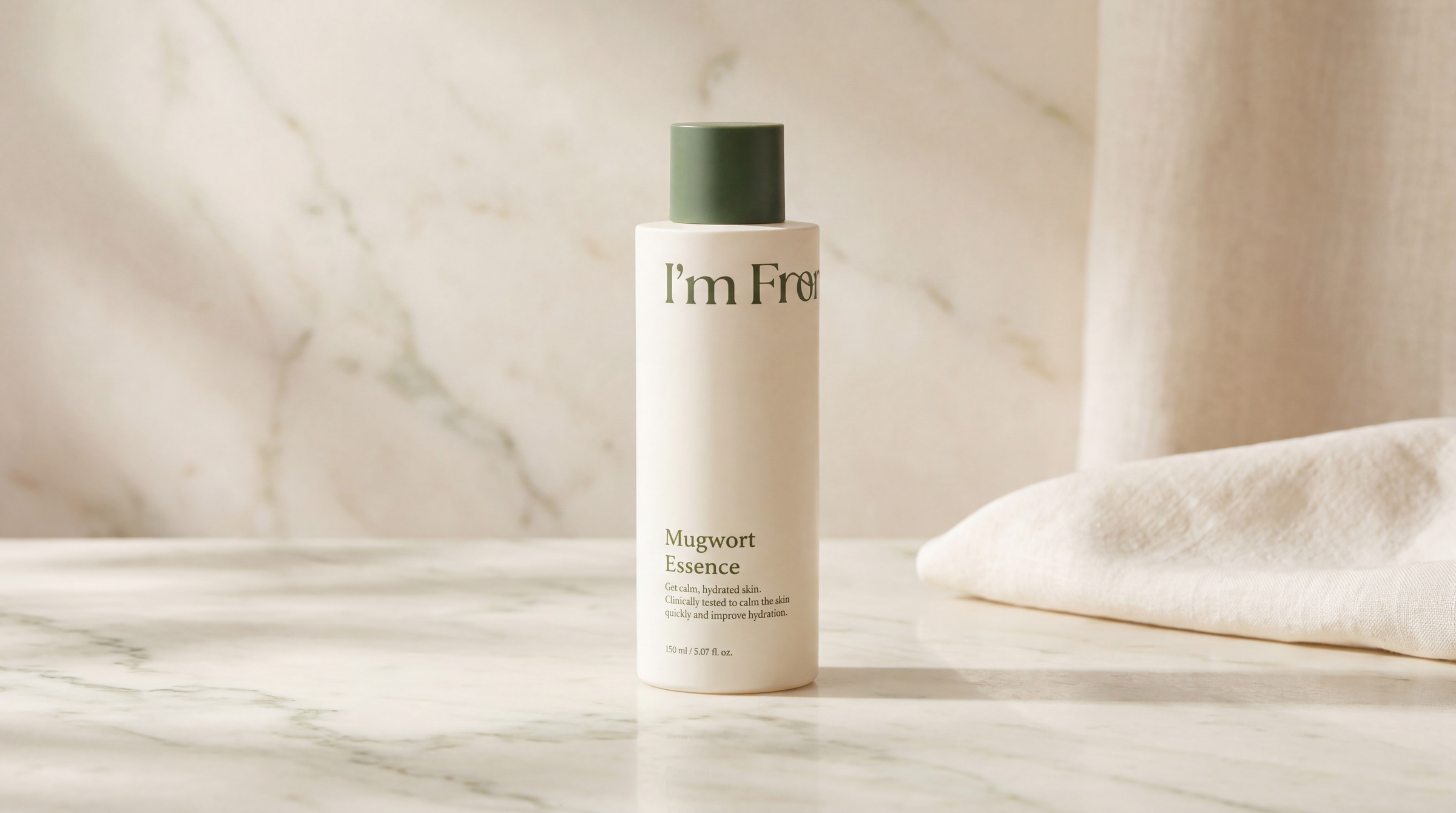
Given the scarcity of dedicated Azelaic Acid products from the exact list of brands provided, we’ll list the one prominent Azelaic Acid product we found, and then recommend other K-beauty staples from the list that effectively address redness and acne through alternative, yet equally effective, mechanisms (like Centella Asiatica, Mugwort, or Tea Tree), which are often embraced in K-beauty for these concerns.
- COSRX The Azelaic Acid 10% Cream
- Approx. USD Price: $20-25
- Key Selling Points: This is a fantastic, straightforward option for those seeking Azelaic Acid from a popular K-beauty brand. Formulated with 10% Azelaic Acid, it directly targets redness, inflammation, and hyperpigmentation. Its creamy texture makes it easy to incorporate and less drying than some other actives. It’s a relatively new addition to COSRX’s “The Rx” line, showing K-beauty’s growing embrace of direct actives.
- Best for: Inflammatory acne, rosacea-like redness, PIE/PIH.
K-Beauty Alternatives for Redness & Acne (when Azelaic Acid isn’t the star):
While these don’t contain Azelaic Acid, they are highly effective K-beauty solutions for similar concerns from the provided brands.
-
Purito Centella Unscented Serum
- Approx. USD Price: $18-22
- Key Selling Points: This serum is a cult favorite for sensitive, irritated, and acne-prone skin. It contains 49% Centella Asiatica Extract, known for its powerful soothing, healing, and anti-inflammatory properties. It also includes 3% Niacinamide (a bonus!), as well as Madecassoside, Asiaticoside, Asiatic Acid, and Madecassic Acid (components of Centella). It’s incredibly calming for general redness and helps heal blemishes without irritation. A great option if your redness is due to sensitivity or a compromised barrier. Read more about its benefits in our centella products guide.
- Best for: General redness, irritation, sensitive skin, healing post-acne marks, barrier support.
-
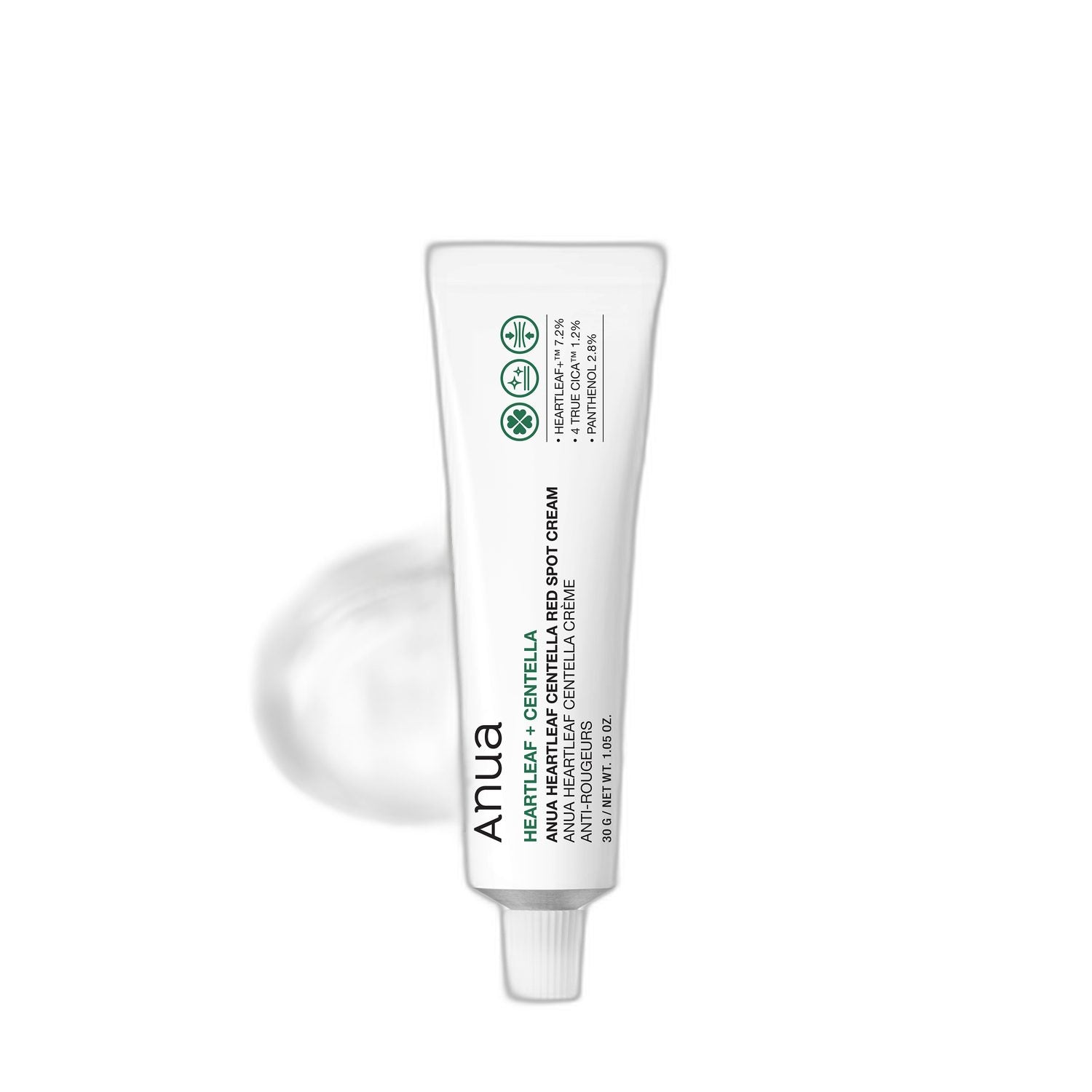
Anua Heartleaf 77% Soothing Toner
- Approx. USD Price: $18-22
- Key Selling Points: This toner took the K-beauty world by storm for its incredibly gentle yet effective soothing properties. With 77% Heartleaf extract, it’s a powerhouse for calming irritated skin, reducing redness, and managing breakouts, especially those linked to inflammation. It’s hydrating and helps balance the skin’s pH, making it suitable for even the most sensitive and acne-prone skin.
- Best for: Calming irritated skin, reducing general redness, mild breakouts, balancing oily/combination skin.
-
Some By Mi AHA BHA PHA 30 Days Miracle Toner
- Approx. USD Price: $15-20
- Key Selling Points: Designed specifically for acne-prone skin, this toner combines AHAs (exfoliation), BHAs (pore clearing), and PHAs (gentle exfoliation, hydration) with Tea Tree Water and Centella Asiatica. While it doesn’t contain Azelaic Acid, its multi-acid complex works to gently exfoliate, control sebum, and prevent breakouts, while the soothing ingredients calm the skin. It’s a more direct approach to active acne management than Niacinamide alone.
- Best for: Active acne, blackheads, whiteheads, uneven texture, oily skin.
For Niacinamide (from the provided K-beauty brands):
Niacinamide is a staple in K-beauty, and you’ll find an abundance of fantastic options. Here are four top picks:
-
COSRX The Niacinamide 15 Serum
- Approx. USD Price: $25-30
- Key Selling Points: A potent 15% Niacinamide serum designed to tackle multiple concerns. It’s excellent for minimizing the appearance of pores, regulating sebum production, improving skin texture, and brightening the complexion. It also includes N-Acetylglucosamine (NAG) for enhanced brightening and Zinc PCA for oil control. This is a strong choice for those who want to see significant results from Niacinamide.
- Best for: Enlarged pores, oily skin, uneven skin tone, mild acne, texture improvement.
-
Beauty of Joseon Glow Serum: Propolis + Niacinamide
- Approx. USD Price: $15-18
- Key Selling Points: This beloved serum features 60% Propolis Extract and 2% Niacinamide. Propolis is a natural anti-inflammatory and antibacterial ingredient, making this serum incredibly soothing and healing for acne-prone and irritated skin. The Niacinamide works to brighten, even skin tone, and support the barrier, contributing to that coveted “honey skin” glow. It’s a beautiful blend for calming and nourishing.
- Best for: Sensitive, acne-prone skin, dullness, general redness, achieving a healthy glow.
-
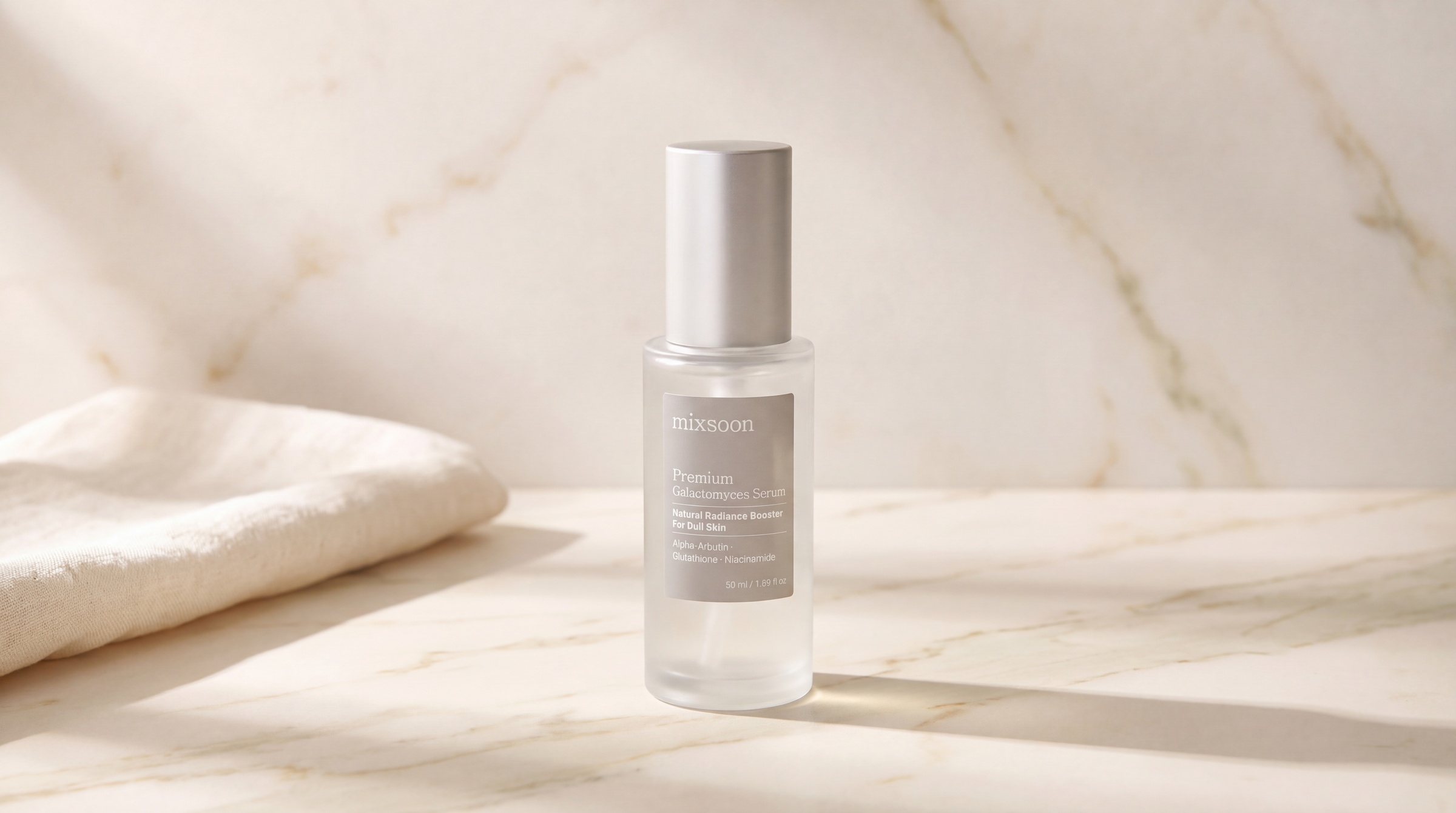
Missha Time Revolution Night Repair Probio Ampoule
- Approx. USD Price: $35-45
- Key Selling Points: Often hailed as a dupe for a much more expensive serum, this ampoule is packed with 10 types of probiotics (Bifida Ferment Lysate) and 5 purple superfoods, along with Niacinamide. It focuses on strengthening the skin’s microbiome, improving elasticity, brightening, and providing anti-aging benefits. The Niacinamide here works alongside the ferments to reinforce the skin barrier and even out skin tone, making it a luxurious choice for comprehensive skin health.
- Best for: Anti-aging, barrier repair, brightening, improving skin elasticity, overall skin health.
-
Tirtir Milk Skin Toner
- Approx. USD Price: $25-30
- Key Selling Points: This milky, hydrating toner is a K-beauty sensation for achieving “glass skin.” It contains Niacinamide along with Rice Bran Extract and Hyaluronic Acid to deliver intense hydration, brighten the complexion, and refine skin texture. While not a high concentration of Niacinamide, its presence contributes to the toner’s ability to even out skin tone and improve radiance, making it a fantastic hydrating and brightening step in any routine. It’s a great example of how Niacinamide can be integrated into foundational skincare for daily benefits.
- Best for: Hydration, brightening, achieving “glass skin,” improving texture, general skin health. You can find more toners like this in our [glass-skin toners](/best-korean-toners-glass-