When people hear “Korean skincare routine,” they usually picture 10 bottles lined up on a bathroom shelf and a 45-minute nightly ritual. That image is part of why some people never try it; it sounds exhausting.
Here’s the truth: the 10-step routine is a framework, not a rulebook. Most people (including those of us who’ve been doing this for years) use 4-6 products on any given day. The steps exist so you understand what goes where and why. You pick the ones your skin needs.
We’ve been following K-Beauty principles for over three years now. This guide is everything we wish someone had told us at the start.
Why Korean Skincare Is Different
Korean skincare philosophy differs from Western skincare in a few fundamental ways:
Prevention over correction. Western skincare tends to focus on treating problems after they appear; acne treatments, anti-aging serums, dark spot correctors. Korean skincare prioritizes preventing those problems in the first place through consistent, gentle care.
Hydration is everything. Multiple light layers of hydration rather than one heavy moisturizer. The idea is that well-hydrated skin is healthier, more resilient, and ages more slowly. This concept (called “chok chok” in Korean (meaning dewy and moist, the foundation of glass skin)) is central to K-Beauty.
Gentle approach. Harsh scrubs, high-percentage acids, and aggressive treatments are less common in Korean routines. The emphasis is on supporting your skin barrier, not attacking it.
Sun protection is non-negotiable. Korean sunscreens are a category of their own; elegant, lightweight, and actually pleasant to wear daily. Sunscreen isn’t an afterthought; it’s the most important step.
The Steps, Explained
Here’s the full Korean skincare routine, broken into what each step does. Remember: you don’t need all of them every day.
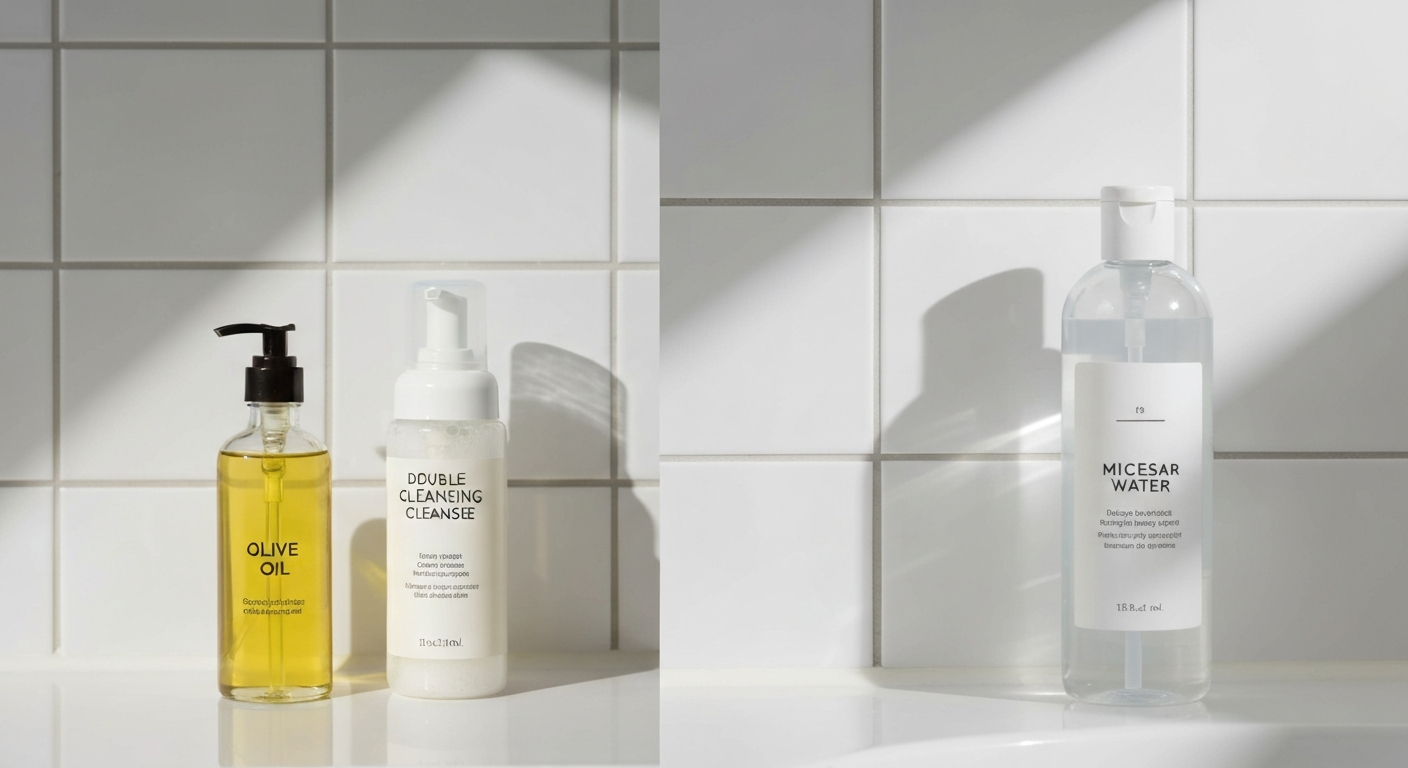
Step 1: Oil Cleanser (PM Only)
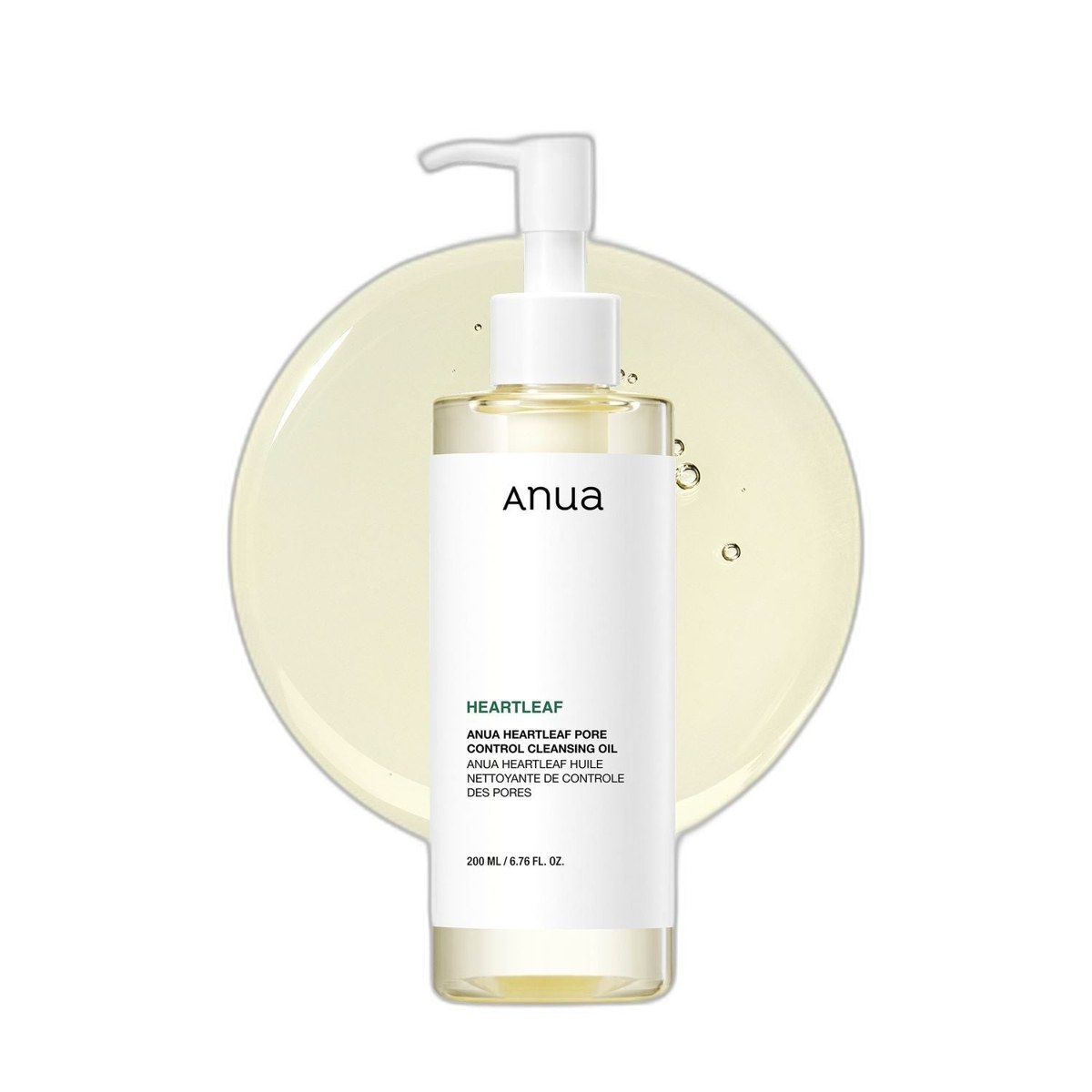
An oil-based cleanser dissolves makeup, sunscreen, and the oily grime that accumulates throughout the day. You massage it onto dry skin, add water to emulsify, and rinse.
Why it matters. Water-based cleansers alone can’t fully remove oil-based products like sunscreen. This step ensures you’re starting with a truly clean canvas.
Skip if. You didn’t wear sunscreen or makeup that day (rare, but it happens).
Step 2: Water Cleanser
A gentle, low-pH foam or gel cleanser removes anything the oil cleanser left behind; sweat, water-based dirt, residual product.
Why it matters. The “double cleanse” (Steps 1 + 2) is the backbone of Korean skincare. Clean skin absorbs everything that follows more effectively.
Morning note. In the AM, this is your only cleansing step. Some people even skip this and just rinse with water.
Step 3: Exfoliant (2-3x per week)
Chemical exfoliants. AHAs (like glycolic acid) for surface-level dead skin, BHAs (like salicylic acid) for pore-clearing; used a few times a week.
Why it matters. Removes dead skin cells that cause dullness and clogged pores. But more is not better; over-exfoliating damages your moisture barrier.
Skip if. Your skin is irritated, sunburned, or you’re using retinol.
Step 4: Toner
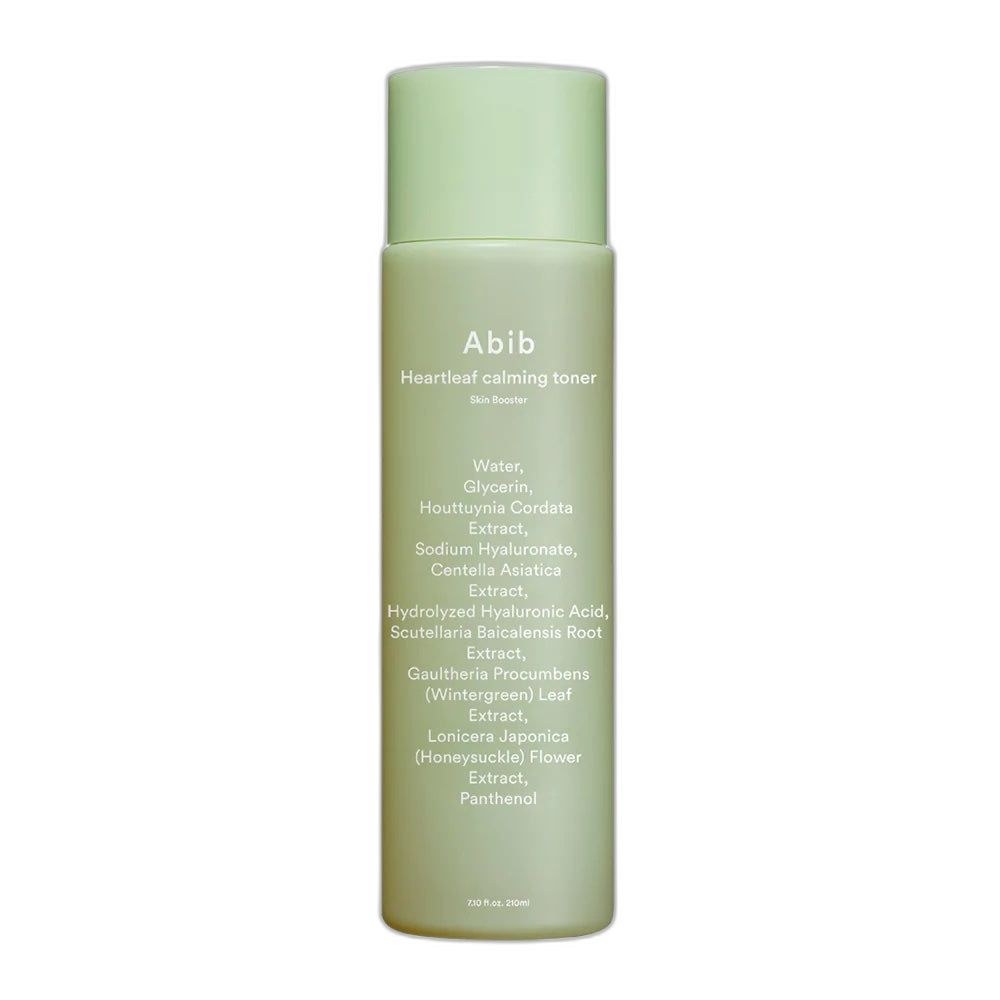
Korean toners are nothing like the astringent, alcohol-based toners from Western skincare’s past. K-Beauty toners are hydrating, watery liquids that prep your skin to absorb the next steps.
Why it matters. Balances your skin’s pH after cleansing and delivers a first layer of hydration. Think of it as a primer for your serums. See our ranking of the best Korean toners for every skin type.
Step 5: Essence
The step that confuses most newcomers. Essences are lightweight, slightly viscous liquids; more concentrated than toner, lighter than serum. They’re the signature K-Beauty step.
Why it matters. Essences deliver fermented or concentrated ingredients deep into the skin. They’re the hydration backbone of the routine.
Step 6: Serum / Ampoule
Targeted treatments with higher concentrations of active ingredients. This is where you address specific concerns; vitamin C for brightening, niacinamide for pore size, hyaluronic acid for hydration.
Why it matters. Serums are your problem-solvers. The rest of the routine supports overall skin health; serums target specific goals.
Step 7: Sheet Mask (1-2x per week)
Sheet masks are soaked in serum and sit on your face for 15-20 minutes. They’re an intensive hydration treatment, not a daily necessity.
Why it matters. The occlusive sheet traps the serum against your skin, increasing absorption. It’s also genuinely relaxing.
Step 8: Eye Cream
A separate moisturizer for the delicate under-eye area. This skin is thinner and more prone to dryness and fine lines.
Why it matters. Your regular moisturizer may be too heavy or contain ingredients that irritate the eye area.
Skip if. You’re under 25 and have no under-eye concerns. Your regular routine is probably enough.
Step 9: Moisturizer
Seals everything in. Korean moisturizers range from gel-creams (great for oily skin) to rich creams (for dry skin).
Why it matters. Without a moisturizer, all those hydrating layers evaporate. The moisturizer acts as a barrier, locking hydration into your skin.
Step 10: Sunscreen (AM Only)
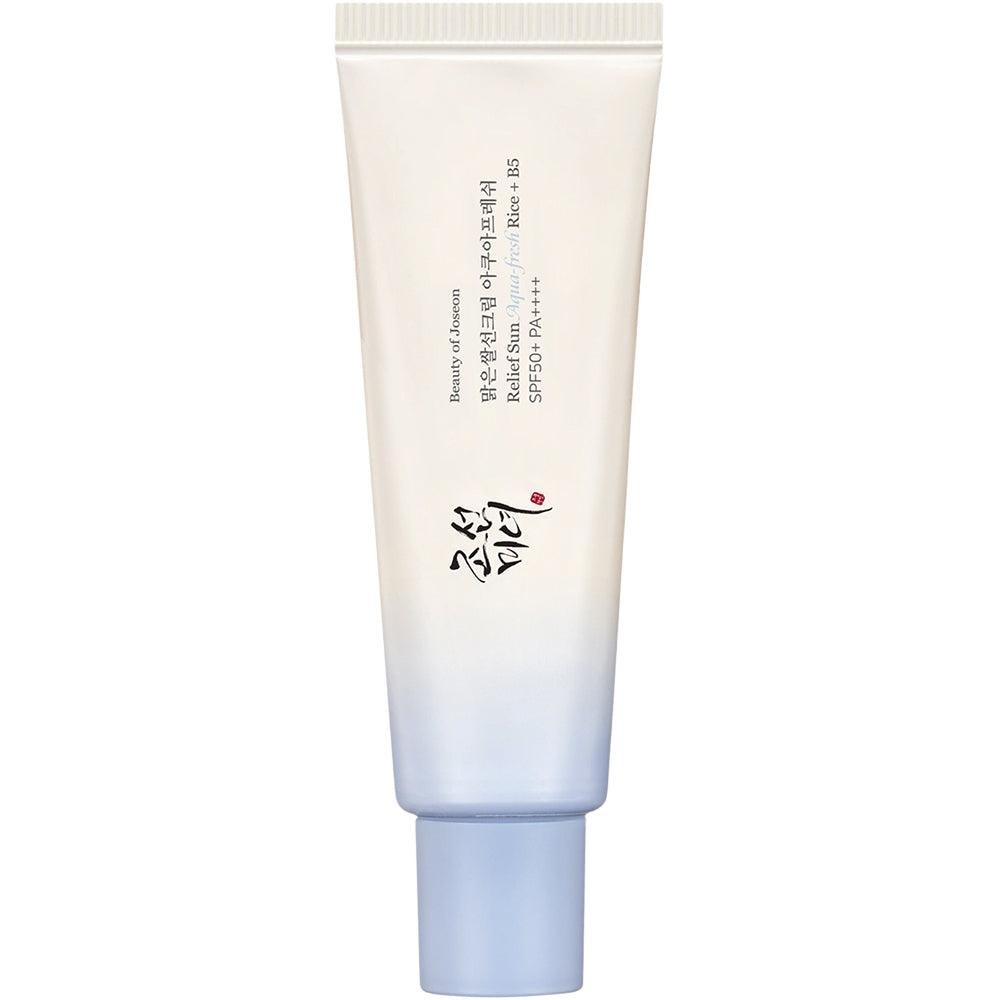
SPF 50+ broad-spectrum sunscreen, every single morning. Rain or shine, indoors or out.
Why it matters. UV damage is the #1 cause of premature aging and the main undoer of every other step in your routine. Korean sunscreens are famously elegant; lightweight, no white cast, often moisturizing. See our roundup of the best Korean sunscreens for specific product recommendations.
The Realistic Routine
Here’s what most of us actually do on a daily basis:
Morning (3-4 steps)
- Water rinse or gentle cleanser
- Toner (pat in with hands)
- Moisturizer or lightweight serum
- Sunscreen
Evening (4-5 steps)
- Oil cleanser
- Water cleanser
- Toner
- Serum (targeted treatment)
- Moisturizer
That’s it. 4-5 steps, 5-7 minutes. The full 10 steps come out for sheet mask nights or when we’re trying a new active.
Getting Started
If you’re building a skincare routine from scratch, here’s the order we’d recommend adding products:
Week 1-2. Oil cleanser + water cleanser + moisturizer + sunscreen. Just learn to double cleanse and protect your skin. This alone is transformative for most people.
Week 3-4. Add a toner. Your skin will feel more hydrated and products will absorb better.
Month 2. Add one serum targeting your main concern (vitamin C, niacinamide, or hyaluronic acid are great starters).
Month 3+. Explore essences, eye cream, exfoliants, sheet masks; based on what your skin tells you it needs.
The biggest mistake beginners make is buying 10 products at once and starting them all simultaneously. If something causes a reaction, you won’t know which product is responsible. Introduce one new product every 1-2 weeks.
Common Questions
Do I really need all 10 steps? No. Think of it as a menu, not a checklist. Some days you’ll use 3 steps, some days 7. Listen to your skin.
Is this routine only for women? Absolutely not. Skin is skin. The K-Beauty philosophy works regardless of gender.
How long until I see results? Most people notice softer, more hydrated skin within 1-2 weeks. Significant improvements in texture, tone, and clarity typically take 6-8 weeks; one full skin turnover cycle.
Can I mix K-Beauty with Western products? Yes. The best routine is one you’ll actually do. If you love a Western serum, keep it. The K-Beauty philosophy (gentle, hydrating, layered) is what matters, not the country of origin on every bottle.
Keep Reading
This guide covers the framework. For specifics, explore our guides: