Navigating the vast world of skincare can often feel like deciphering a secret code. From serums to toners, and moisturizers to masks, each step promises a unique benefit. But before any of those potent ingredients can work their magic, there’s one foundational step that reigns supreme: cleansing. It’s the essential reset button for your skin, preparing it for everything that follows. Yet, even this seemingly simple act comes with its own debate: should you opt for the straightforward approach of single cleansing, or embrace the two-step ritual of double cleansing? At Glow Coded, we believe in empowering you with knowledge, so let’s dive deep into the heart of this cleansing conundrum, dissecting each method to help you discover which is the true champion for your unique skin.
What Is Single Cleansing?
At its core, single cleansing is exactly what it sounds like: a one-step process using a single product to clean your face. This method involves applying a cleanser, massaging it into your skin, and then rinsing it off with water. It’s the traditional approach most of us grew up with, and for good reason – it’s simple, quick, and effective for removing surface-level impurities.
The goal of single cleansing is to wash away daily grime, excess oil, light makeup, and environmental pollutants that accumulate on the skin throughout the day or overnight. The effectiveness of a single cleanse largely depends on the type of cleanser chosen and your specific skin needs.
Types of Single Cleansers:
- Foaming Cleansers: These often create a rich lather and are excellent for oily and combination skin types, as they effectively remove excess sebum and impurities, leaving the skin feeling fresh and clean. However, some can be stripping if they contain harsh sulfates.
- Gel Cleansers: Lighter than foaming cleansers, gel cleansers offer a refreshing cleanse without excessive lather. They are versatile and work well for normal, combination, and slightly oily skin.
- Cream Cleansers: Richer and more hydrating, cream cleansers are ideal for dry, sensitive, or mature skin. They cleanse gently, without stripping natural oils, leaving the skin feeling soft and nourished.
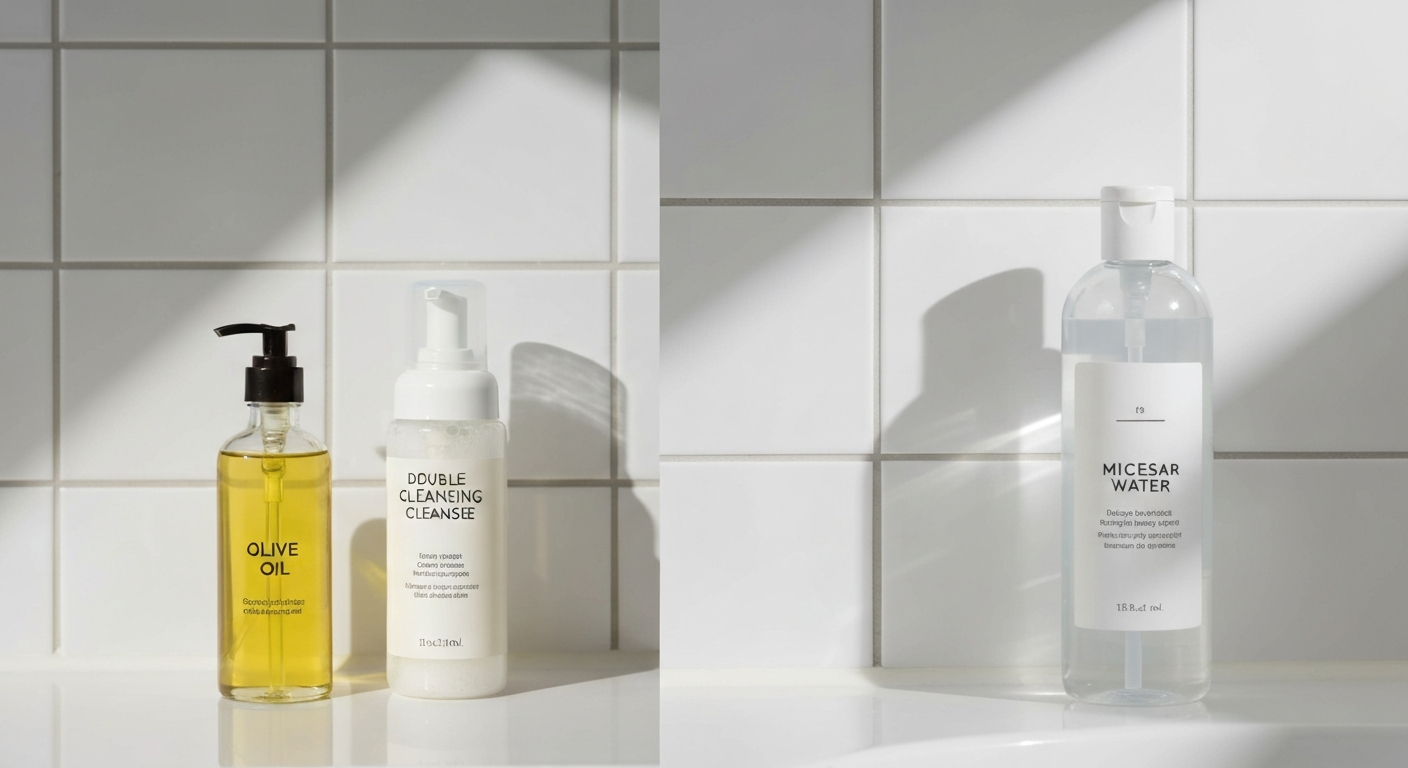
- Micellar Water: A no-rinse option, micellar water contains tiny oil molecules (micelles) suspended in soft water. These micelles attract and trap dirt, oil, and makeup. It’s great for quick refreshes, light makeup removal, or as a first step for very sensitive skin, though it’s often recommended to follow with a rinse-off cleanser for a deeper clean.
- Balm Cleansers: While often associated with the first step of double cleansing, some balm cleansers are formulated to be effective enough on their own for a single cleanse, especially for those who prefer a rich, nourishing feel. They melt into an oil upon contact with skin, dissolving impurities, and then emulsify with water.
Pros of Single Cleansing:
- Simplicity: It’s straightforward, requiring minimal time and effort, making it perfect for busy schedules or minimalist routines.
- Cost-Effective: You only need to purchase one product, which can be more budget-friendly.
- Less Risk of Over-Stripping: When chosen correctly for your skin type, a single cleanser is less likely to disrupt your skin’s natural barrier compared to a multi-step routine if not executed properly.
- Ideal for Light Needs: If you wear minimal makeup, don’t use heavy SPF, or have skin that isn’t particularly oily or prone to congestion, a single cleanse might be perfectly adequate.
Cons of Single Cleansing:
- May Not Be Thorough Enough: For heavy makeup, waterproof SPF, or significant environmental pollution, a single cleanser might leave behind residues, potentially leading to clogged pores or dullness.
- Limited Deep Cleansing: It primarily focuses on surface impurities and may not effectively break down oil-based products or deeply embedded dirt.
- Reliance on Product Strength: To be effective against stubborn impurities, a single cleanser might need to be stronger, which could potentially be drying or irritating for some skin types.
What Is Double Cleansing?
Double cleansing is a two-step cleansing method that originated in Asian skincare, particularly in Japan and Korea, and has since gained global popularity for its unparalleled ability to achieve a truly deep clean. It involves using two different types of cleansers in succession, each designed to tackle different kinds of impurities.
Step 1: The Oil-Based Cleanser
The first step always involves an oil-based cleanser. This can be a cleansing oil, a cleansing balm, or even a rich cream cleanser that transforms into an oil. The science behind this is simple yet brilliant: “like dissolves like.” Oil-based cleansers are formulated to effectively break down and dissolve oil-soluble impurities. This includes:
- Makeup: Especially long-wear, waterproof mascara, eyeliner, and heavy foundations.
- Sunscreen: Many modern sunscreens are formulated to be water-resistant and long-lasting, often containing oil-soluble filters that are difficult to remove with just water-based cleansers.
- Excess Sebum: The natural oils produced by your skin.
- Environmental Pollutants: Many airborne pollutants are oil-soluble and adhere to the skin’s natural oils.
You apply the oil cleanser to dry skin, massage it gently for a minute or two to allow it to emulsify and dissolve impurities, and then rinse it off, often with warm water, which transforms the oil into a milky emulsion. A solid option to try is the Anua Heartleaf Pore Control Cleansing Oil — it rinses cleanly without leaving a greasy film, which matters when a second cleanser follows.
Step 2: The Water-Based Cleanser
After rinsing off the oil cleanser, the second step involves a water-based cleanser. This can be a foaming, gel, cream, or milk cleanser, chosen according to your skin type and concerns. The purpose of this second cleanse is to:
- Remove Residual Oil: Wash away any remaining traces of the oil cleanser.
- Target Water-Based Impurities: Cleanse away sweat, dirt, dead skin cells, and any other water-soluble debris that the first step might have missed.
- Address Specific Skin Concerns: Many water-based cleansers contain active ingredients (like salicylic acid for acne or hyaluronic acid for hydration) that can further treat your skin.
This second cleanse ensures that your skin is thoroughly clean, creating a pristine canvas for the subsequent steps in your skincare routine, allowing serums and moisturizers to penetrate more effectively.
Pros of Double Cleansing:
- Superior Cleanliness: Provides a much deeper and more thorough cleanse, ensuring all traces of makeup, SPF, and impurities are removed. This can significantly reduce the risk of clogged pores and breakouts.
- Improved Skin Health: By effectively removing buildup, it allows your skin to breathe, enhances cell turnover, and can lead to a brighter, clearer complexion.
- Enhanced Product Absorption: A truly clean face is better prepared to absorb the active ingredients from your toners, serums, and moisturizers, making your entire routine more effective.
- Gentle Yet Effective: While it’s two steps, using the right products (especially a gentle oil cleanser and a non-stripping water-based cleanser) can be very gentle on the skin, preventing irritation often caused by harsh scrubbing or strong single cleansers.
- Beneficial for Various Skin Types: Contrary to popular belief, it’s not just for oily skin. Dry and sensitive skin types can also benefit immensely from double cleansing with the right, nourishing products, as it removes impurities without stripping essential moisture.
Cons of Double Cleansing:
- Time-Consuming: It requires more time and effort than a single cleanse, which might be a deterrent for some.
- Higher Cost: You need to purchase two separate cleansing products, potentially increasing your skincare budget.
- Potential for Over-Stripping: If you use two harsh cleansers or cleansers not suited for your skin type, there’s a risk of over-stripping your skin, leading to dryness, irritation, or a compromised skin barrier. Product selection is key.
- More Products to Store: Requires more space in your bathroom cabinet.
Head-to-Head Comparison: Double Cleansing vs Single Cleansing
To help you visualize the key differences, here’s a direct comparison of Double Cleansing and Single Cleansing across several important factors:
| Feature | Double Cleansing | Single Cleansing |
|---|---|---|
| Number of Steps | Two: oil-based cleanser first, then water-based cleanser. | One: a single cleanser. |
| Time Commitment | Longer (typically 2-4 minutes). | Shorter (typically 1-2 minutes). |
| Cost Implication | Higher (requires two products, potentially from different brands). | Lower (requires only one product). |
| Makeup & SPF Removal | Excellent. Effortlessly dissolves heavy, waterproof makeup and stubborn SPF. | Good for light makeup and non-waterproof SPF; may struggle with heavy/stubborn products. |
| Deep Cleansing Ability | Very thorough. Targets both oil-based and water-based impurities for a pristine clean. | Good for surface impurities; less effective at breaking down deeply embedded or oil-based debris. |
| Potential for Stripping | Higher if incorrect or harsh products are used; very gentle with appropriate choices. | Lower, but can still strip if too harsh a cleanser is chosen for your skin type. |
| Ideal For | Oily, acne-prone, dry, sensitive (with right products), heavy makeup/SPF users, polluted environments. | Normal, combination, minimalist routines, light makeup users, time-conscious individuals. |
| Routine Complexity | Moderate to high; requires understanding product types and order. | Low; straightforward and easy to incorporate into any routine. |
Key Differences Detailed
Beyond the table, let’s elaborate on the critical distinctions that truly set these cleansing methods apart.
Thoroughness and Efficacy
The most significant difference lies in the level of cleanliness achieved. Double cleansing, by design, offers a more comprehensive and nuanced approach to removing impurities. The oil-based first step excels at dissolving the oil-soluble components that often cling stubbornly to our skin – think long-wear foundations, silicone-based primers, and chemical sunscreens. These products form a tenacious film that water-based cleansers alone might struggle to penetrate fully. By breaking down these oil-based barriers first, the subsequent water-based cleanse can then effectively sweep away the remaining water-soluble dirt, sweat, and dead skin cells. This two-pronged attack ensures virtually nothing is left behind, leading to clearer pores and a reduced likelihood of breakouts and congestion. Single cleansing, while effective for surface grime, often falls short when faced with these more resilient residues, potentially leaving a subtle film that can contribute to dullness or impede the absorption of subsequent skincare products.
Impact on Skin Health
A truly clean canvas is paramount for optimal skin health. Residue from makeup and SPF, if not fully removed, can clog pores, leading to acne, blackheads, and an overall dull complexion. For those living in urban environments, environmental pollutants can also adhere to these residues, exacerbating skin issues. Double cleansing proactively addresses these concerns, minimizing the chance of such buildup. This thoroughness also means that your toners, serums, and moisturizers can penetrate more effectively, allowing their active ingredients to work as intended. A common misconception is that double cleansing is too harsh. However, when done correctly with gentle, pH-balanced cleansers suited for your skin type, it can be incredibly beneficial, especially for sensitive and dry skin, as it removes impurities without the need for aggressive scrubbing or harsh chemicals often found in strong single cleansers. For more on tailoring your routine, check out our guide on understanding your skin type.
Time and Cost Investment
These are practical considerations that can influence your choice. Double cleansing inherently demands more time from your routine, typically adding an extra minute or two. For those with demanding schedules, this might feel like an unnecessary luxury. Similarly, purchasing two quality cleansers will inevitably be a greater financial investment than buying one. However, many users find that the benefits – fewer breakouts, improved skin texture, and better efficacy of other skincare products – justify the additional time and cost. It’s an investment in your skin’s long-term health.
Product Selection and Complexity
Single cleansing is straightforward: pick a cleanser, wash, rinse. The complexity primarily lies in choosing the right single cleanser for your skin type. Double cleansing, however, introduces two distinct products and a specific order. This requires a bit more understanding of ingredients and how different cleansers interact. For instance, selecting a stripping oil cleanser followed by a harsh foaming cleanser could indeed lead to over-drying or irritation. The art of double cleansing lies in pairing a gentle, effective oil cleanser with a nourishing, non-stripping water-based counterpart. This nuanced approach, while more complex initially, offers greater control over your cleansing process and allows for a more customized experience.
Who Should Choose Single Cleansing?
Single cleansing is a fantastic option for many individuals, particularly those who:
- Embrace a Minimalist Lifestyle: If you prefer a simple, streamlined skincare routine with fewer steps and products, single cleansing fits perfectly.
- Wear Minimal to No Makeup: If your daily routine doesn’t involve heavy foundation, waterproof mascara, or other long-wear cosmetics, a single cleanser is often sufficient to remove the day’s light impurities.
- Don’t Use Heavy SPF Daily: While SPF is crucial, if you’re only using a very light, non-waterproof formula or not wearing it every day, a single cleanse can often handle it.
- Have Normal or Unproblematic Skin: If your skin isn’t prone to excessive oiliness, breakouts, or congestion, a simple cleanse might be all you need to maintain its balance and clarity.
- Are Time- or Budget-Conscious: For those looking to save time in their routine or manage skincare costs, single cleansing is the more practical choice.
- Have Very Dry or Sensitive Skin (with specific products): If you’re using a very gentle, hydrating cream or milk cleanser, a single step can be enough to cleanse without stripping, provided you don’t have heavy makeup or SPF to remove.
Who Should Choose Double Cleansing?
Double cleansing truly shines for individuals with specific skin concerns or lifestyle habits:
- Daily Makeup Wearers: This is the most obvious candidate. Whether you wear light or heavy makeup, double cleansing ensures every last trace is dissolved and removed, preventing clogged pores and breakouts.
- Consistent SPF Users: If you apply sunscreen daily (which we highly recommend!), especially water-resistant or high-SPF formulas, double cleansing is essential to effectively break down and remove these protective layers.
- Those in Polluted Environments: City dwellers or individuals exposed to significant environmental pollutants will benefit from the deep clean that removes airborne particles that adhere to the skin.
- Oily or Acne-Prone Skin: For these skin types, double cleansing can be a game-changer. The oil cleanser effectively dissolves excess sebum and oil-based impurities that contribute to breakouts, while the second cleanse thoroughly purifies the pores. This can significantly improve skin clarity and reduce congestion.
- Dry or Sensitive Skin (with the right products): Counterintuitively, double cleansing can be incredibly beneficial for these skin types. By using a gentle, nourishing oil or balm cleanser followed by a hydrating, non-foaming water-based cleanser, you can achieve a thorough clean without stripping the skin’s natural oils, often leading to less irritation than a single, strong cleanser.
- Anyone Seeking Enhanced Product Absorption: If you invest in high-quality serums and treatments, ensuring your skin is impeccably clean allows these products to penetrate and perform at their best. It’s like preparing a perfectly clean canvas for a masterpiece.
- Those Looking to Improve Skin Texture and Radiance: Regular, thorough cleansing helps to remove dead skin cells and buildup, leading to a smoother, brighter, and more even complexion.
Can You Use/Have Both?
Absolutely! This isn’t an either/or ultimatum, but rather a flexible approach to skincare. Your skin’s needs can change daily, seasonally, and based on your activities. Many people find success by incorporating both methods into their routine.
Here’s how you might consider having both:
- Evening vs. Morning: A very common approach is to double cleanse in the evening. This is when your skin has accumulated a full day’s worth of makeup, SPF, sweat, oil, and environmental pollutants. It’s the perfect time for that thorough, deep clean to prepare your skin for its overnight repair cycle. In the morning, however, your skin typically only needs to shed overnight oils and dead skin cells, so a quick, gentle single cleanse (perhaps with just a splash of water, a micellar water, or a very mild cream cleanser) is often sufficient.
- Based on Activity Level: Did you spend the day indoors with no makeup and minimal SPF? A single cleanse might be perfectly fine. Did you work out, wear a full face of makeup, or spend hours outdoors with heavy-duty sunscreen? That’s a prime candidate for double cleansing.
- Seasonal Adjustments: In humid summer months when you might be oilier or wearing more waterproof SPF, double cleansing might become a daily necessity. In drier winter months, you might lean towards gentler cleansing methods or prioritize hydration more.
- Listen to Your Skin: The most important rule in skincare is to listen to your skin. If your skin feels tight and stripped after double cleansing, you might be using the wrong products or doing it too often. If your skin feels congested after single cleansing, it might be time to step up your routine.
The beauty of skincare is its adaptability. There’s no one-size-fits-all answer, and being able to choose between methods based on your immediate needs allows for a truly personalized and effective routine. For more tips on building a personalized routine, explore mastering your evening skincare routine.
Our Verdict
After dissecting the nuances of both single and double cleansing, it becomes clear that neither method is inherently “better” than the other in all circumstances. Instead, the optimal choice hinges entirely on your individual skin type, lifestyle, daily activities, and personal preferences.
Single cleansing is the champion of simplicity, efficiency, and economy. It’s an excellent choice for those with less demanding skin needs, minimal makeup wear, or anyone who values a quick and straightforward routine. It effectively removes surface impurities and maintains skin balance without overcomplicating things.
Double cleansing, on the other hand, is the gold standard for thoroughness and deep purification. It’s indispensable for individuals who regularly wear makeup or SPF, live in polluted environments, or struggle with oiliness and congestion. By meticulously removing both oil-soluble and water-soluble impurities, it creates the ideal canvas for subsequent skincare steps, allowing your other products to perform optimally and contributing to clearer, healthier, and more radiant skin.
Ultimately, we at Glow Coded encourage you to be a mindful observer of your own skin. Experiment with both methods, perhaps incorporating double cleansing on days when you need it most and opting for a simpler single cleanse on others. Pay attention to how your skin feels, looks, and responds. The goal isn’t to rigidly adhere to one method but to equip yourself with the knowledge to make the best choice for your skin’s unique and ever-evolving needs.
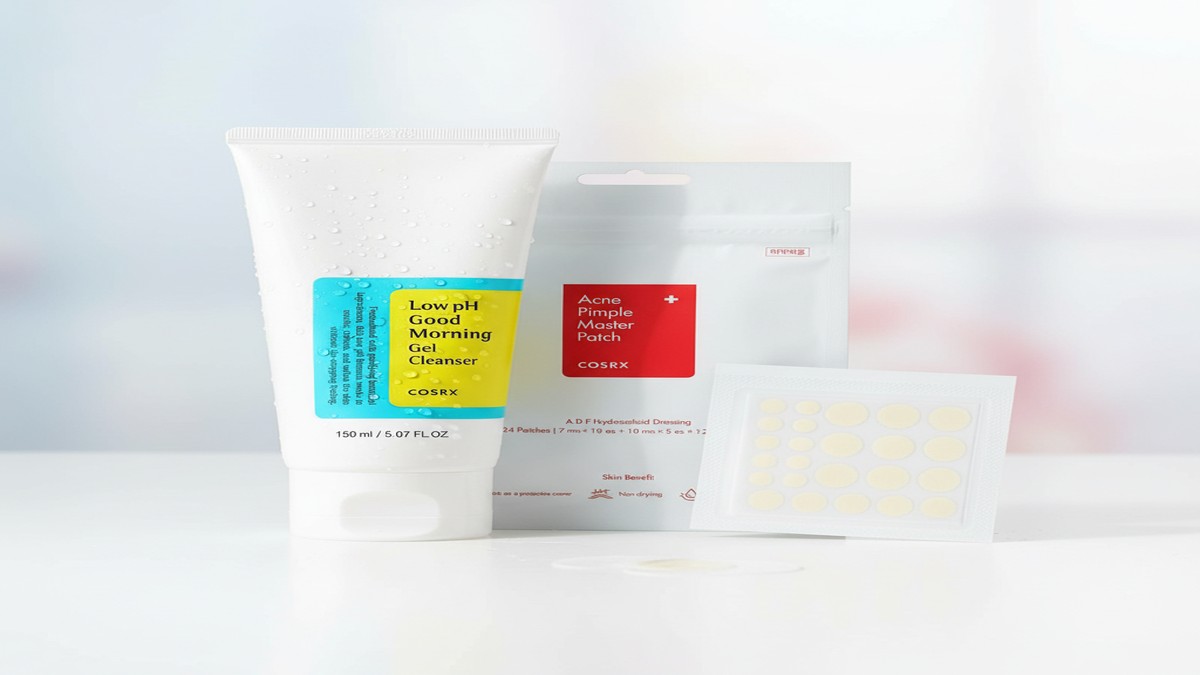
If you’re building a double-cleanse duo: pair the Anua oil cleanser above with the COSRX Low pH Good Morning Gel Cleanser as your water-based second step. The low pH keeps your barrier intact after two rounds of cleansing.
Related reading:
- Skincare for Every Skin Type
- Hair Care Meets Skincare: The Scalp Routine — the same double-cleanse logic applies on the scalp, and most people miss it
- Best Korean Cleansing Balms & Oils Guide
- Best Korean Cleansers by Skin Type — specific product picks for every skin type and concern