You’ve got a vitamin C serum, a hyaluronic acid, a niacinamide serum, and maybe a retinol for good measure. They’re all sitting on your bathroom shelf, and you’re staring at them wondering: which one goes first? Can I use all of them at once? Why is my skin pilling when I try to layer them?
These are the questions we get asked more than almost anything else. And the answers are simpler than the skincare internet makes them seem.
We’ve spent the better part of two years testing layering combinations, noting which orders work, which ones cause pilling, and which ingredient combos play well together. Here’s everything we’ve learned.
The Golden Rule: Thin to Thick
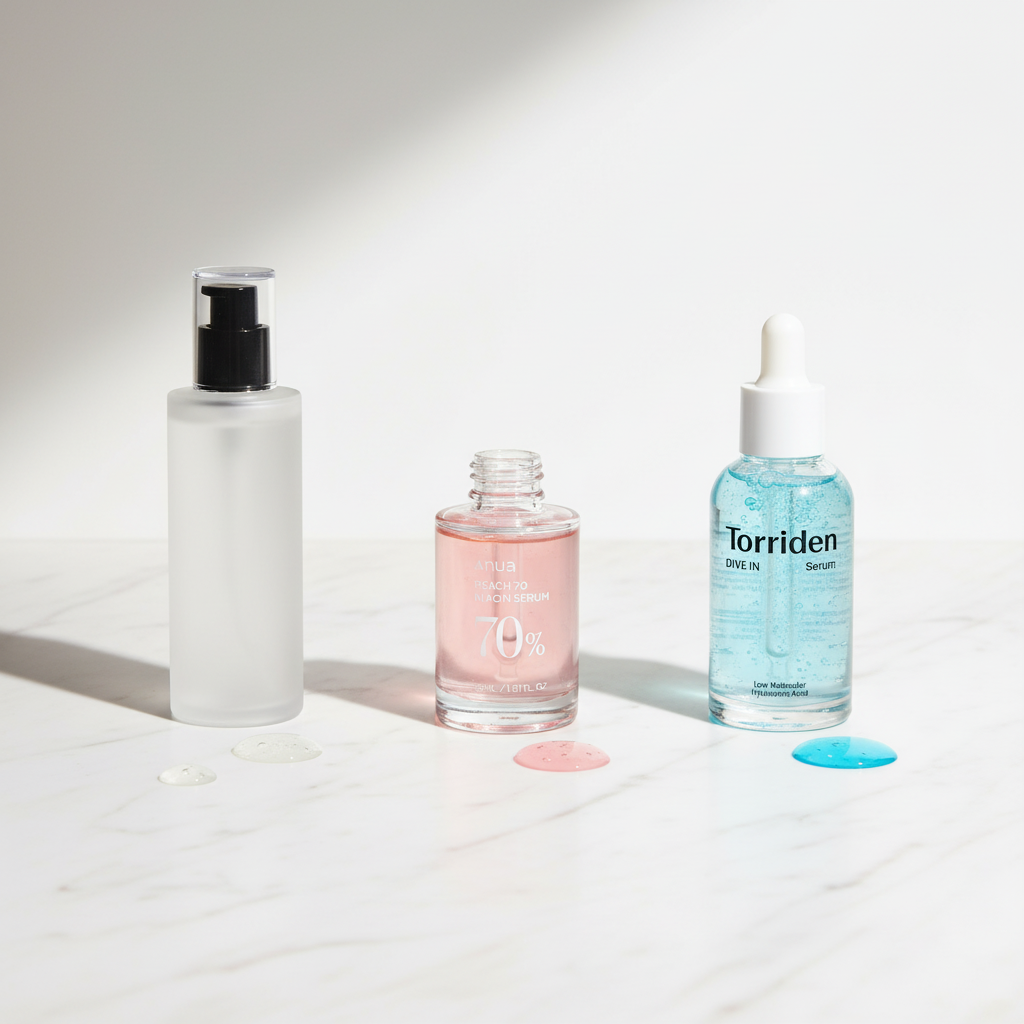
The fundamental principle of serum layering is simple: apply products from thinnest consistency to thickest. Watery serums first, then gel serums, then oil-based serums, then creams.
Why? Thin, water-based products can’t penetrate through thicker, oil-based ones. If you apply an oil serum first and then a watery vitamin C serum on top, that vitamin C is just sitting on the surface, unable to reach your skin.
Think of it like getting dressed. Underwear first, then pants, then a coat. You wouldn’t put a t-shirt on over a parka and expect it to fit right.
The Layering Order
- Water-based serums (hyaluronic acid, niacinamide, most vitamin C serums)
- Gel-based serums (some centella serums, aloe-based products)
- Light lotions and emulsions
- Oil-based serums (squalane, rosehip oil, facial oils)
- Moisturizer (seals everything in)
- Sunscreen (morning only, always last)
The pH Rule: Actives Go First
Some serums are pH-dependent, meaning they work best at specific acidity levels. These need to go on clean skin, before other products alter the pH.
Vitamin C (L-ascorbic acid). Works best at pH 3.5 or below. Apply to freshly cleansed, dry skin before anything else.
AHA/BHA exfoliants. Also pH-dependent. Apply to clean skin, wait 15-20 minutes for the acid to do its work, then continue with the rest of your routine.
Retinol. Not technically pH-dependent, but works best applied to clean, dry skin. If you’re past the beginner phase, apply it early in your evening routine.
The order for a routine with pH-dependent actives:
- Cleanse
- pH-dependent active (vitamin C or acid) on dry skin
- Wait time (1-2 minutes for vitamin C, 15-20 for acids)
- Toner
- Remaining serums (thin to thick)
- Moisturizer
How Many Serums Is Too Many?
Honestly? More than three in one routine is usually unnecessary. Each additional product increases the chances of pilling, irritation, and diminishing returns. Your skin can only absorb so much at once.
Our recommendation:
- Minimalist. One serum targeting your primary concern
- Standard. Two serums addressing different concerns
- Maximum. Three serums, carefully chosen to complement each other
If you have four or five serums you love, split them between your morning and evening routines. You don’t need to use everything twice a day.
Combinations That Work Well Together
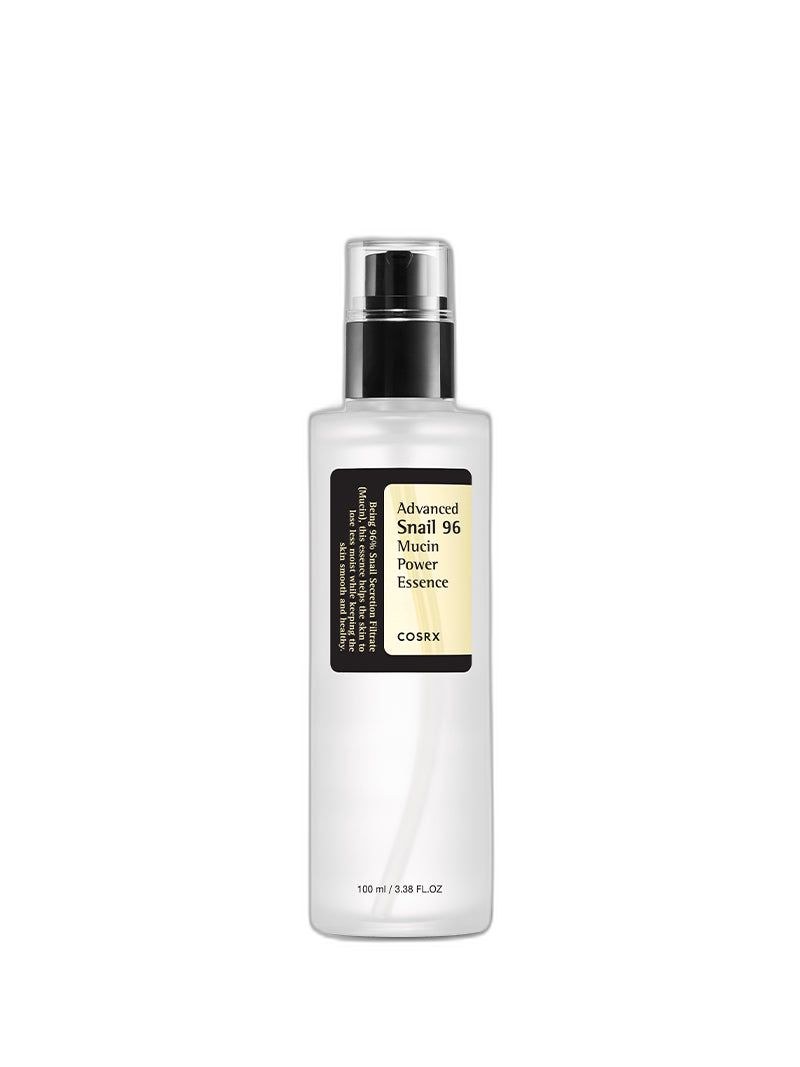
Hyaluronic Acid + Niacinamide
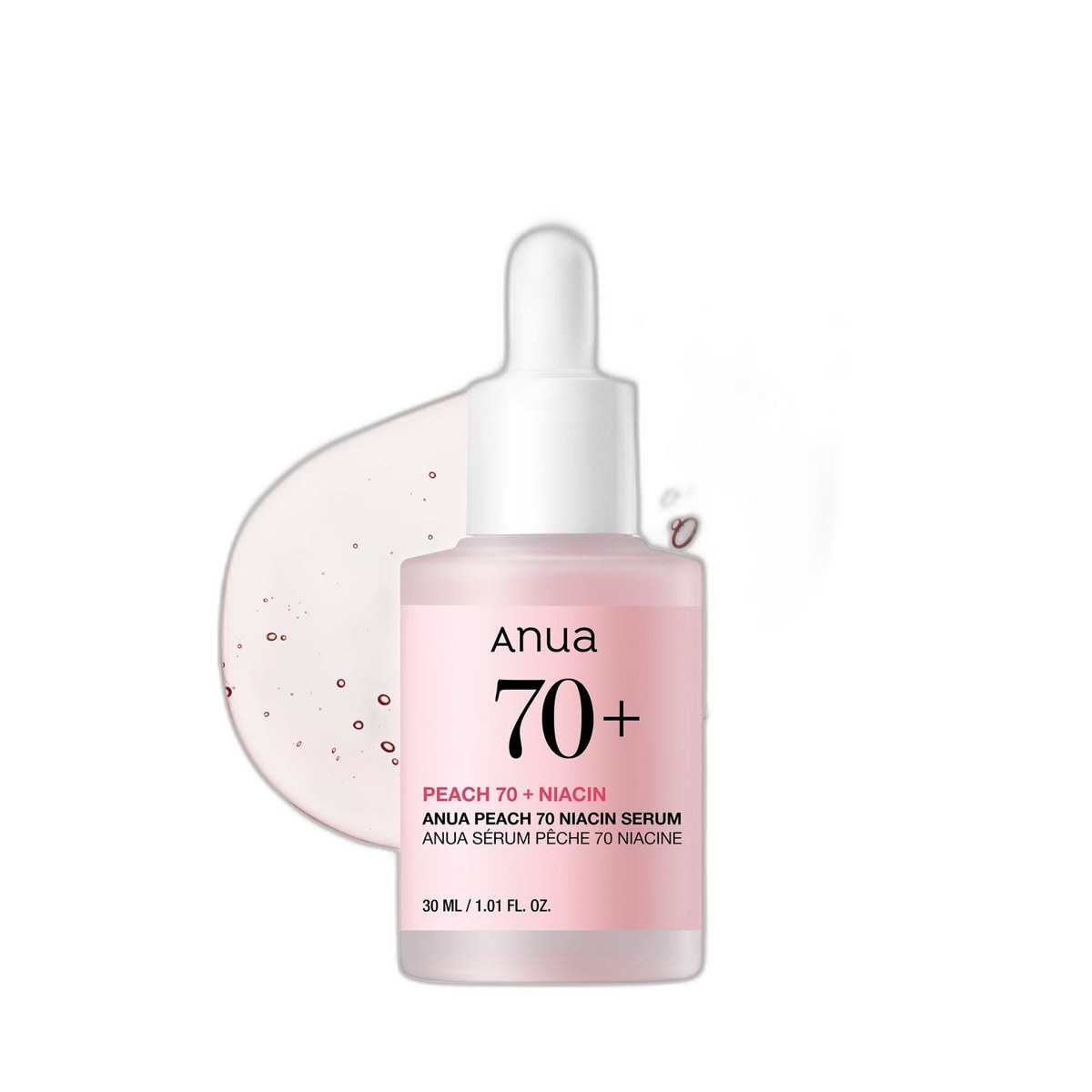
A beautiful pairing. Hyaluronic acid delivers hydration while niacinamide strengthens the barrier and controls oil. No conflicts, no irritation concerns. Apply the thinner one first.
Vitamin C + Hyaluronic Acid
Vitamin C first (it’s pH-dependent), wait a minute, then hyaluronic acid on slightly damp skin. The vitamin C brightens and protects while hyaluronic acid plumps and hydrates.
Niacinamide + Centella
Both are soothing and barrier-supporting. This combination is particularly good for sensitive or reactive skin. They work synergistically to calm inflammation.
Retinol + Hyaluronic Acid
Hyaluronic acid helps offset the dryness retinol can cause. Apply retinol first (to dry skin), wait a few minutes, then layer hyaluronic acid and moisturizer on top.
Snail Mucin + Almost Anything
Snail mucin is the universal team player. It layers well under and over virtually every other ingredient. Its unique texture creates a smooth base for whatever follows. Deciding between snail mucin and hyaluronic acid? See our COSRX Snail Mucin vs Torriden Dive-In comparison.
Combinations to Avoid (Same Routine)
Retinol + AHA/BHA
Both increase cell turnover and can compromise the skin barrier. Using them together increases the risk of irritation, peeling, and redness significantly. Use acids on one night, retinol on the next.
Retinol + Vitamin C
Both are potent actives, and layering them together can cause irritation for most skin types. Vitamin C in the morning, retinol at night. Problem solved.
Vitamin C + AHA/BHA
Vitamin C is already acidic. Adding more acids on top can push your skin’s pH too low, causing stinging and irritation. Separate them into different routines.
Multiple Acids Together
Layering glycolic acid with salicylic acid with lactic acid is not going to give you three times the results. It’s going to give you a damaged moisture barrier. Pick one acid per routine.
Niacinamide + Low-pH Actives (Outdated Concern)
Old advice said niacinamide can’t be used with vitamin C. Modern formulations have resolved this. The concern was about niacinamide converting to niacin (which causes flushing) at very low pH levels. Current vitamin C formulations are buffered enough that this isn’t an issue. However, if you notice flushing, separate them into AM/PM routines.
Not sure if your ingredients play well together? Run them through our Ingredient Conflict Checker to see every interaction at a glance.
How to Prevent Pilling
Pilling is when your products roll into little balls on your skin instead of absorbing. It’s frustrating, wasteful, and usually preventable.
Why Pilling Happens
- Too much product. Each serum layer should be thin. A few drops, not a full dropper.
- Not enough wait time. Give each layer 30-60 seconds to absorb before applying the next one.
- Incompatible textures. Silicone-based products layered under water-based ones almost always pill. Check your ingredient lists for dimethicone or cyclomethicone.
- Rubbing instead of patting. Pressing and patting products into skin causes far less pilling than rubbing them across the surface.
The Fix
- Use less product per layer (3-4 drops of serum is plenty for your whole face)
- Wait 30-60 seconds between layers
- Pat, don’t rub
- If two specific products always pill together, separate them into AM and PM routines
A Sample Multi-Serum Routine
Morning
- Gentle cleanser
- Vitamin C serum (on dry skin, wait 1 minute)
- Hyaluronic acid serum (on slightly damp skin)
- Moisturizer
- Sunscreen
Evening
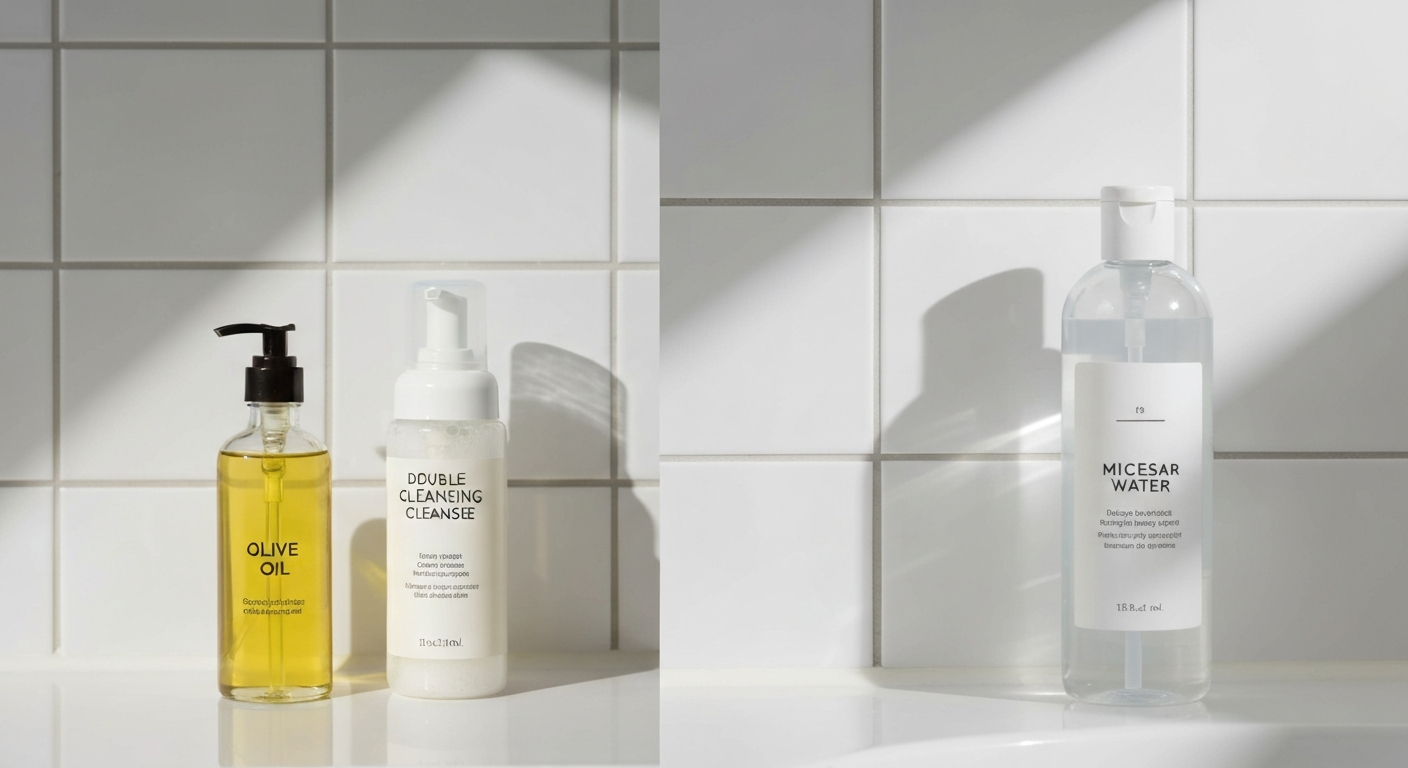
- Oil cleanser
- Water cleanser
- Toner
- Niacinamide serum
- Retinol (on alternate nights)
- Moisturizer
This routine uses four different serums without any conflicts, spread across the day. It fits naturally into a full Korean skincare routine. Each ingredient has the space and environment it needs to work effectively.
The Wait Time Question
How long should you wait between layers? The internet will give you answers ranging from “no wait needed” to “20 minutes per product.” The truth is somewhere in the middle.
pH-dependent actives (vitamin C, AHAs/BHAs). Wait 1-2 minutes for vitamin C. 15-20 minutes for acid exfoliants if you want maximum efficacy (though recent research suggests shorter waits are fine for most people).
Everything else. Wait until the product feels mostly absorbed. not completely dry, just not sitting wetly on the surface. Usually 30-60 seconds.
Practical tip. After applying a serum, use the wait time to brush your teeth, fix your hair, or do whatever else is in your morning routine. The waits integrate naturally into your existing routine.
Less Is More
The skincare industry profits from selling you 12 products. Your skin profits from the 3-4 that actually address your concerns. If your current two serums are working well, you don’t need a third just because a new one looks interesting.
The best serum routine is one you’ll actually do consistently. If layering three products feels tedious and you start skipping nights, drop down to two. Consistency beats complexity every single time. For our current picks of the most effective Korean serums to layer, see 10 Korean Serums Worth the Hype on Rooted Glow.
Frequently Asked Questions
How many serums can you use at once?
Two to three serums per routine is the practical maximum. Beyond that, you risk pilling, reduced absorption, and irritation from too many actives competing for the same receptors. If you want to use more, split them between your morning and evening routines.
Should you apply serums on wet or dry skin?
It depends on the serum. Hyaluronic acid works best on slightly damp skin because it needs moisture to attract. Vitamin C and retinol work best on completely dry skin to avoid irritation and ensure proper pH activation. When in doubt, wait 30 seconds after your previous step.
Can you mix niacinamide and vitamin C?
Yes. The old advice that niacinamide and vitamin C cancel each other out was based on a 1963 study using extreme conditions that don’t occur on human skin. Modern formulations of both ingredients work fine together. Many Korean products even combine them in a single formula.
What order should serums go in?
Thinnest to thickest consistency. Water-based serums first, then gel serums, then oil-based serums. If two serums have similar consistency, apply the one with active ingredients that need lower pH first (like vitamin C before niacinamide).
Related reading: Skincare Ingredient Compatibility Guide