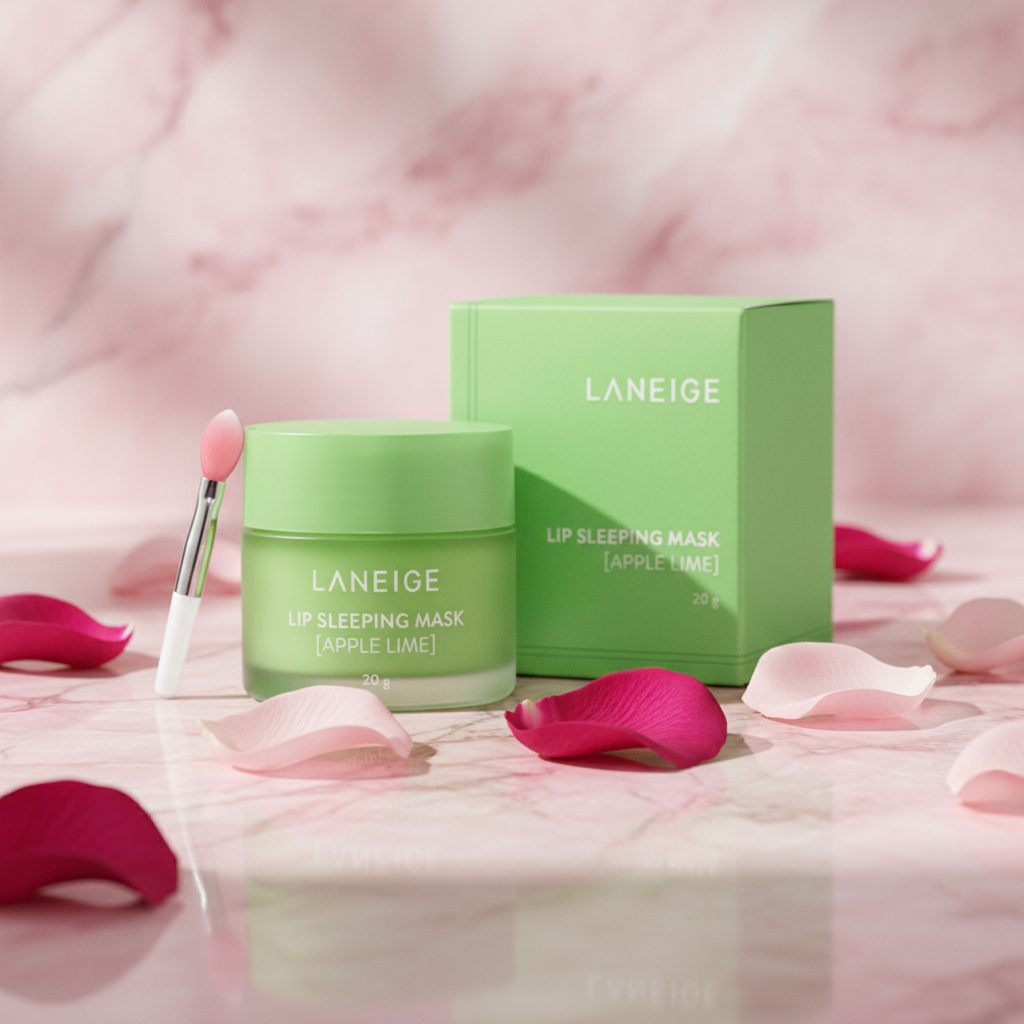
Lip Masks vs Lip Balms: What's the Difference?
Are lip masks worth the hype, or is a good lip balm all you need? We break down the ingredients, texture, and results of both to help you decide.
 Glow Coded Editorial
 Your lips have it rough. They have no oil glands, no melanin protection, and the skin is only about 3-5 cell layers thick (compared to 15-16 layers on the rest of your face). They’re essentially unprotected tissue exposed to wind, sun, saliva, and whatever you eat and drink all day.
And yet, lip care gets treated as an afterthought. Most people grab whatever lip balm is cheapest at the checkout counter and call it done. Meanwhile, lip masks have emerged as a booming category, with brands charging $15-25 for a tiny pot and promising “overnight transformation.”
Are lip masks actually better than lip balms? Or is this another case of marketing creating a problem to sell a solution? We spent two months testing both categories head to head. Here’s what we found.
What’s Actually in a Lip Balm?
Traditional lip balms are relatively simple products. Most contain:
- Waxes (beeswax, candelilla wax, carnauba wax) to create a protective barrier
- Oils (coconut, jojoba, castor) for softening
- Butters (shea, cocoa, mango) for moisture
- Occlusives (petrolatum, lanolin) to seal moisture in
- Optional extras: SPF, flavor, tint, vitamins
The primary function of a lip balm is barrier protection. It sits on top of your lips, preventing moisture from escaping and shielding against environmental damage. A good lip balm doesn’t moisturize so much as it prevents further drying.
The Lip Balm Dependency Myth
You’ve heard this one: “Lip balm is addictive. The more you use it, the more you need it.” This is mostly a myth, with a small kernel of truth.
Lip balm itself isn’t addictive. However, some lip balms contain irritating ingredients (menthol, camphor, phenol, fragrance) that provide a pleasant tingling sensation but actually dry your lips out over time. You apply the balm, get temporary relief, then your lips feel worse, so you apply more. It’s the ingredients causing the cycle, not the concept of lip balm itself.
What to avoid. Lip balms with menthol, camphor, phenol, cinnamon, or heavy fragrance. These are common irritants that can perpetuate dryness.
What to look for. Simple formulas. Beeswax, shea butter, a nourishing oil, maybe vitamin E. That’s all you need in a daily lip balm.
What’s in a Lip Mask?
Lip masks are thicker, richer products designed to be applied in a heavier layer, usually overnight. They typically contain:
- Everything in a lip balm, plus:
- Humectants (hyaluronic acid, glycerin, honey) to actively attract moisture
- Emollients in higher concentrations for deeper softening
- Active ingredients (vitamin C, niacinamide, peptides, berry extracts) targeting specific concerns
- Exfoliating agents (some masks include gentle fruit enzymes or AHAs)
The key difference: lip masks are designed to treat, not just protect. While a lip balm sits on the surface, a lip mask’s humectants and actives work to pull moisture into the lip tissue and address concerns like flaking, fine lines, and loss of color.
The Head-to-Head Test
We tested five lip balms and five lip masks over two months, using each product for one full week and photographing our lips at the start and end of each testing period.
What We Measured
- Hydration (morning after). How soft and hydrated lips felt upon waking
- Lasting power. How long the product stayed effective before reapplication was needed
- Healing speed. How quickly chapped, cracked lips improved
- Texture and feel. Comfort, stickiness, taste, wearability
- Value. Performance relative to price
The Results
For daily maintenance on healthy lips: Lip balms performed just as well as lip masks. If your lips are in good shape and you just need daily protection, a quality lip balm is all you need. Save your money.
For damaged, chapped, or cracking lips: Lip masks won decisively. The humectants and higher concentration of emollients made a visible difference in healing speed. What took a lip balm 4-5 days to fix, a lip mask resolved in 2-3 days.
For overnight treatment: Lip masks are clearly superior. Their thicker consistency stayed put through the night, and the active ingredients had time to work. Waking up with genuinely soft, smooth lips (not just a waxy coating) was a consistent experience with masks.
For daytime wear: Lip balms are more practical. Most lip masks are too thick and glossy for comfortable daytime wear, especially under lipstick or in professional settings.
Our Favorite Lip Balms
Burt’s Bees Beeswax Lip Balm
The classic for a reason. Simple formula: beeswax, coconut oil, sunflower oil, vitamin E, peppermint oil. The peppermint is mild enough that it doesn’t cause the irritation cycle. Affordable, widely available, and genuinely effective.
Dr. Bronner’s Organic Lip Balm
Even simpler than Burt’s Bees. Avocado oil, beeswax, jojoba oil, hemp seed oil. No fragrance, no flavor, no potential irritants. Our sensitive-skin tester’s top pick for daily use.
Innisfree My Lip Balm
A K-Beauty entry in the balm category. Shea butter and camellia oil in a pretty, reusable tin. Slightly more emollient than Western balms, reflecting the K-Beauty preference for extra hydration.
Our Favorite Lip Masks
Laneige Lip Sleeping Mask
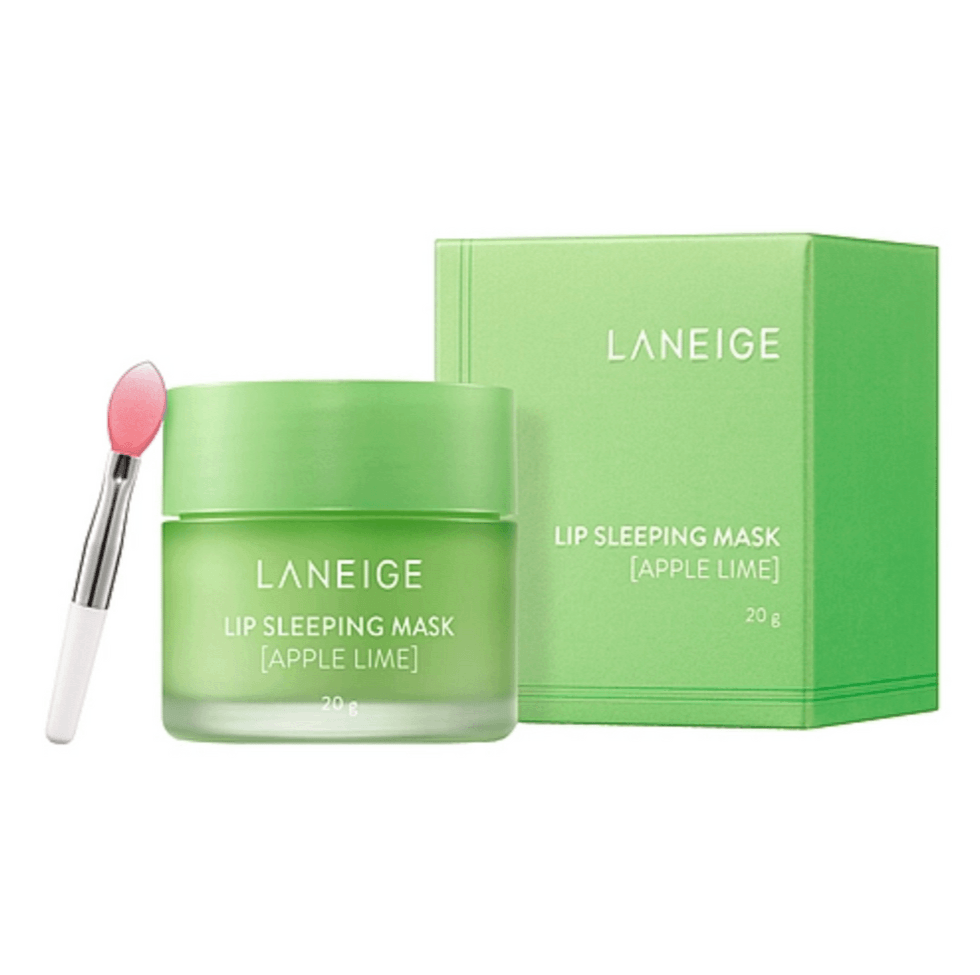
The product that started the lip mask craze, and still one of the best. A thick, berry-scented balm loaded with vitamin C, hyaluronic acid, and a proprietary “moisture wrap” technology. One jar lasts months because a small amount covers your entire lip area.
Verdict. Worth the hype. We woke up with genuinely softer, smoother lips every single time. The berry flavor is pleasant without being artificial. This has been in our nightstand rotation for over two years.
COSRX Balancium Ceramide Lip Butter Sleeping Mask
Ceramide-based lip mask that focuses on barrier repair. Less glamorous than the Laneige but arguably more effective for severely chapped lips. The ceramides and shea butter work together to rebuild the lip’s protective barrier overnight.
Verdict. Our pick for winter or anyone with chronically dry lips. Less sweet-smelling but more healing.
Innisfree Lip Sleeping Mask with Green Tea
Green tea seed oil and beeswax in a lighter-weight mask formula. This sits between a balm and a mask in texture, making it comfortable for people who find heavier masks off-putting.
Verdict. Great entry-level lip mask. Less intensive than the Laneige but more comfortable.
Etude House Glow On Hydra Lip Balm (Overnight Use)
Technically a balm, but the formula (packed with hyaluronic acid and honey extract) performs like a mask when applied thickly at night. Budget-friendly option that punches above its price.
Verdict. Best value pick. Not as luxurious as dedicated lip masks but surprisingly effective overnight.
The Verdict: Do You Need Both?
Here’s our honest recommendation:
If your lips are generally healthy and you live in a moderate climate: A good lip balm is all you need. Apply throughout the day and before bed. Save your money.
If you deal with chronic dryness, cracking, or live in a harsh climate: Invest in a lip mask for nighttime use and keep a lip balm for daytime. The combination covers all your bases.
If you want the best possible lip care: Lip balm during the day (with SPF if possible), lip mask at night. This is what our beauty team does year-round, and our lips have never been in better shape.
The lip mask category isn’t a scam, but it’s also not a necessity for everyone. Think of lip masks the way you think of sheet masks for your face: a targeted treatment that supplements your daily basics. Helpful when you need it, optional when you don’t.
If you want a treatment-focused option for lip care, the Anua PDRN Lip Serum uses PDRN technology to actively nourish and smooth. We noticed softer, more even-toned lips after about a week of nightly use. For daytime, the Abib Protective Lip Balm SPF15 combines daily moisture with sun protection in a convenient stick format.
One More Thing: Don’t Forget Lip SPF
Your lips can get sunburned and are susceptible to UV damage, including skin cancer on the lip line. A lip balm with SPF 30+ during the day is one of the most overlooked protective measures in skincare. Most lip masks don’t contain SPF, which is another reason the balm-by-day, mask-by-night approach makes the most sense.
Keep Reading
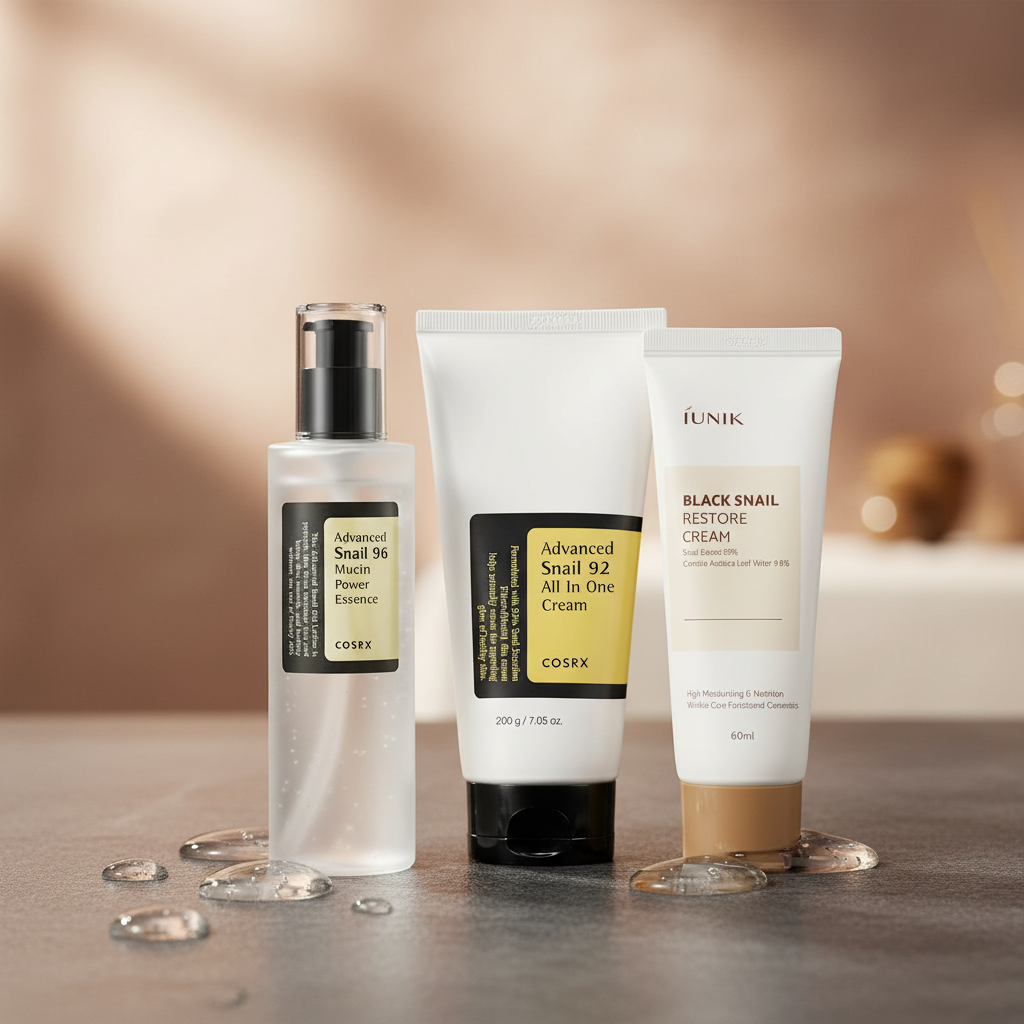
Best Snail Mucin Products 2026 (Honest Review)
We tested 8 snail mucin products over 3 months. Here are the ones that actually deliver on the hype. and the ones that don't.
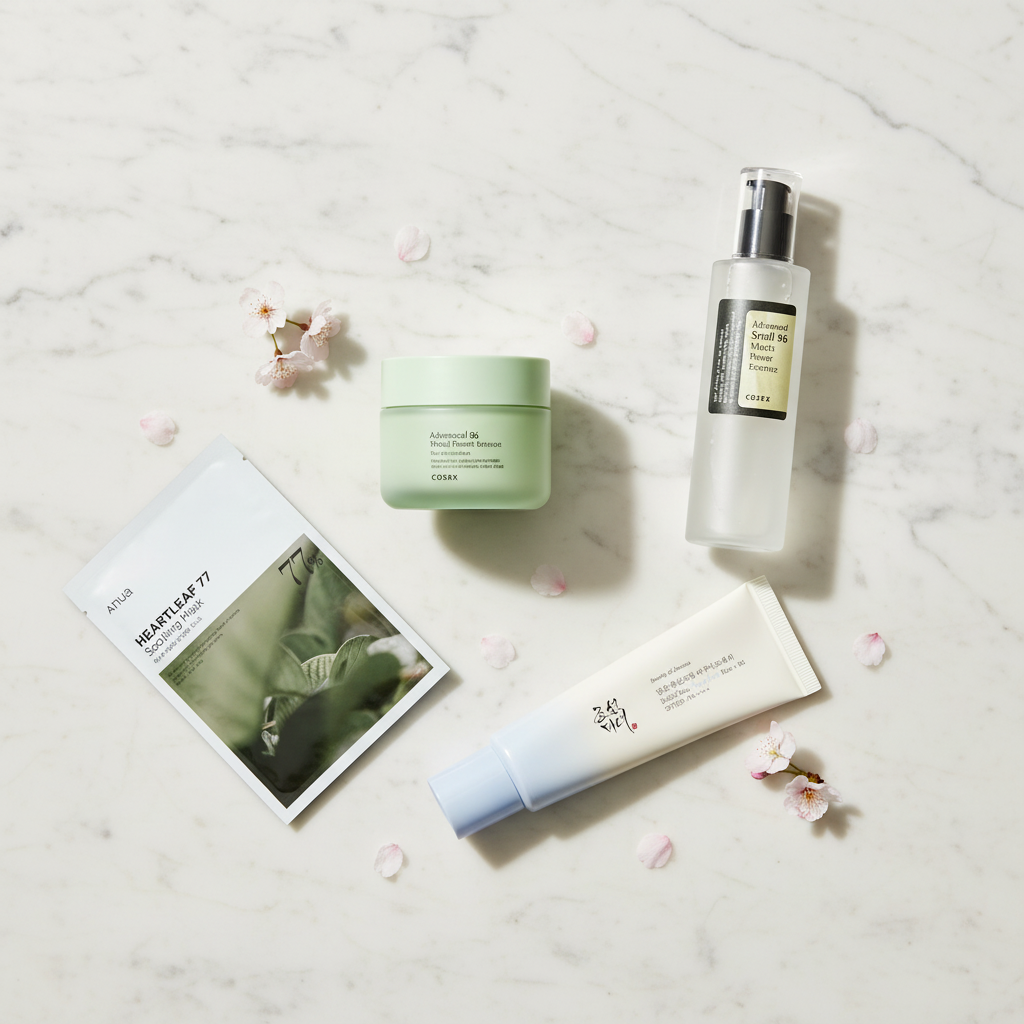
Best Korean Beauty Products by Category
The definitive guide to the best K-Beauty products across every skincare category. Cleansers, toners, serums, moisturizers, sunscreens, and more.
10 Sunscreens With No White Cast
Tired of sunscreens that leave you looking ghostly? We tested 10 formulas on multiple skin tones to find the ones that truly disappear on application.
Get the Glow
Weekly skincare breakdowns, ingredient deep-dives, and honest reviews. straight to your inbox.