Melasma. Just uttering the word can bring a collective sigh of frustration from anyone who’s battled this notoriously stubborn skin condition. It’s not just a few dark spots; it’s often a pervasive, splotchy, sometimes symmetrical hyperpigmentation that can feel like it’s permanently etched onto your face. If you’ve tried everything under the sun (and probably made it worse in the process), you’re not alone. The good news? The meticulous, multi-pronged approach of K-beauty, combined with a deep understanding of melasma’s triggers, offers a powerful strategy that can truly make a difference.
At Glow Coded, we’re all about honest skincare reviews and effective routines. We know melasma isn’t a quick fix, and anyone promising that is selling you a dream. But with the right ingredients, a disciplined routine, and an almost obsessive commitment to sun protection, you can achieve significant fading and regain control over your complexion. Let’s dive into the Korean routine that actually fades melasma.
Melasma: why it’s so stubborn
![[PURITO SEOUL] Daily Soft Touch Sunscreen SPF50+ PA++++ 60ml](/images/verified/purito-seoul-daily-soft-touch-sunscreen-spf50-pa-60ml.png)
Before we talk about fading it, let’s understand why melasma is such a formidable opponent. Often dubbed the “mask of pregnancy,” melasma is a chronic hyperpigmentation disorder characterized by symmetrical, blotchy, brownish patches on the face – most commonly on the cheeks, forehead, upper lip, and chin. It affects millions, predominantly women, and can be deeply frustrating because it’s not just about surface pigment.
The root causes are complex and interconnected:
- Sun Exposure (UV Radiation & Visible Light): This is the biggest trigger and exacerbator. UV radiation stimulates melanocytes (the pigment-producing cells) to go into overdrive, producing excess melanin. But here’s the kicker: even visible light (the light from your phone, computer, and indoors) can trigger melasma in susceptible individuals. This is why strict sun protection is non-negotiable.
- Hormonal Fluctuations: Pregnancy, oral contraceptives, and hormone replacement therapy are common culprits. Estrogen and progesterone can stimulate melanocytes, making them more reactive to other triggers like sun exposure. This hormonal link is why it’s so common in women.
- Heat and Inflammation: This is often overlooked but crucial. Heat, whether from hot showers, saunas, vigorous exercise, or even just being in a hot environment, can stimulate melasma. Inflammation in the skin also plays a significant role, signaling melanocytes to produce pigment as a protective response.
- Genetics: If your mom or grandmother had melasma, you’re more likely to develop it.
- Certain Medications & Cosmetics: Some medications can increase photosensitivity, and certain irritating skincare ingredients or fragrances can cause post-inflammatory hyperpigmentation (PIH) that mimics or worsens melasma.
- Trauma or Friction: Even seemingly minor trauma or friction to the skin can trigger melasma in predisposed individuals, leading to a localized flare-up.
The reason melasma is so hard to treat is that it involves multiple layers of the skin (epidermal, dermal, or mixed) and is driven by a complex interplay of melanocytes, keratinocytes, and even the surrounding dermal environment. It’s not just about stopping melanin production; it’s about calming inflammation, preventing melanin transfer, and accelerating the removal of existing pigment, all while diligently protecting the skin from any further triggers.
The K-beauty fading stack
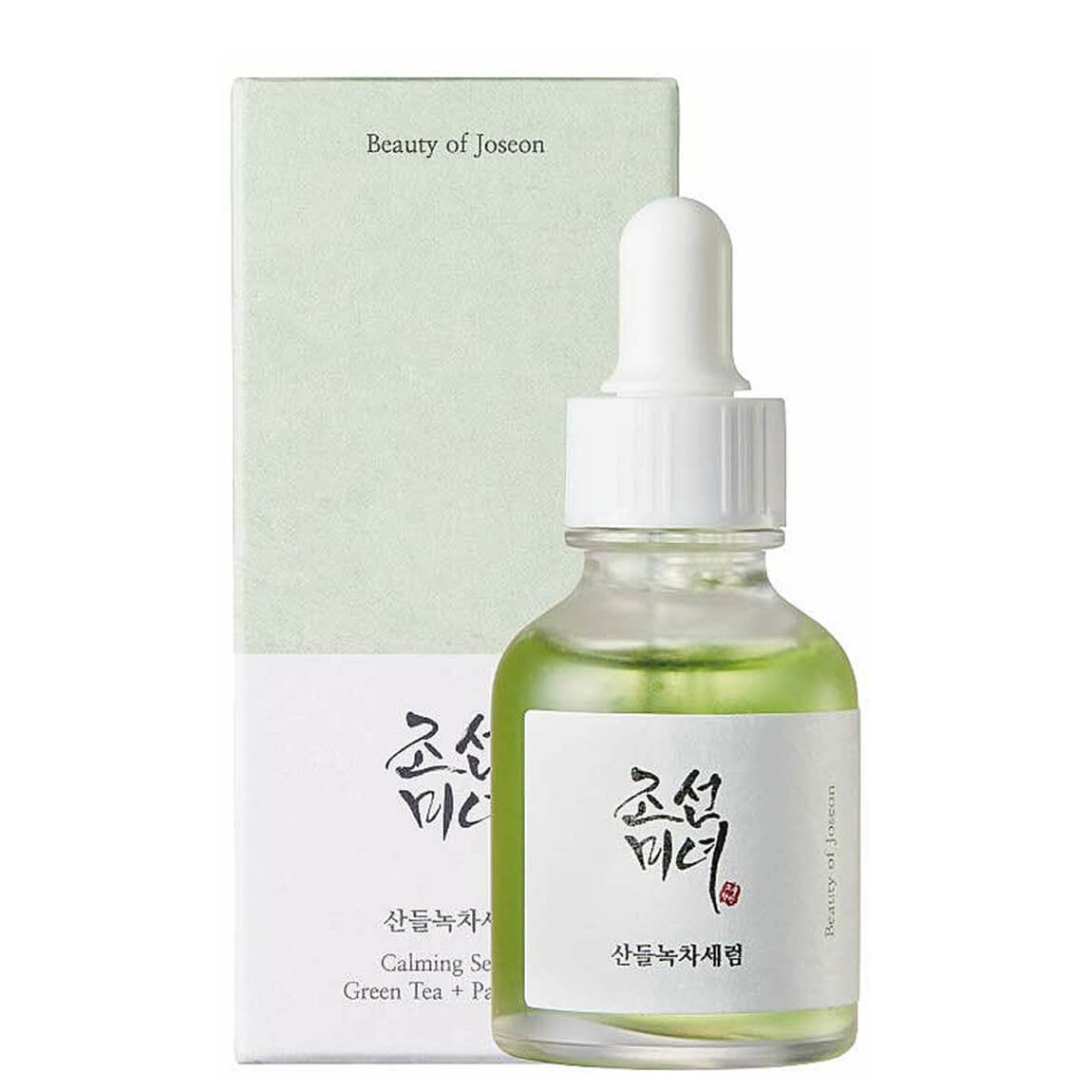
Beauty of Joseon Light On Serum with Centella + Vit C
The K-beauty approach to melasma is about synergy: combining multiple active ingredients that tackle hyperpigmentation through different pathways, all while supporting skin barrier health. This isn’t about throwing harsh acids at your face; it’s about strategic, consistent application of proven actives.
Here are the key players in your K-beauty melasma-fading arsenal:
| Ingredient | Primary Mechanism for Melasma Fading | When to Use | Key Benefits
Tranexamic Acid: Blocks the plasmin pathway, reducing melanin production and reducing inflammation. It’s a game-changer for melasma.
- Vitamin C (Ascorbic Acid): A powerful antioxidant that inhibits tyrosinase (the enzyme responsible for melanin production) and brightens existing pigment. It also offers UV protection benefits (though it’s not SPF).
- Niacinamide (Vitamin B3): Reduces the transfer of melanin from melanocytes to keratinocytes, preventing pigment from reaching the skin’s surface. It’s also anti-inflammatory and strengthens the skin barrier. Check out our guide to niacinamide serums for more.
- Azelaic Acid: Inhibits tyrosinase, reduces inflammation, and has antibacterial properties. It’s particularly good for reducing redness associated with melasma and post-inflammatory hyperpigmentation.
- Gentle Retinol/Retinal: Accelerates cell turnover, helping to shed pigmented skin cells more quickly. It also helps to normalize melanocyte function. For melasma, lower concentrations and gentler forms are key to avoid irritation, which can worsen hyperpigmentation. If you’re new to this, start with our retinol guide.
The key is to use these ingredients consistently, layer them correctly, and pair them with barrier-supporting, calming products to prevent irritation.
AM routine with products
Your morning routine is all about prevention and protection. Layering antioxidants and pigment inhibitors under your SPF is your first line of defense against melasma triggers.
Step 1: Gentle Cleansing Skip harsh cleansers that strip your skin. You want to remove overnight buildup without causing any irritation or disrupting your barrier.
- Round Lab 1025 Dokdo Cleanser (approx. $12-15): A cult favorite for a reason. It’s incredibly gentle, low pH, and leaves skin feeling clean but not tight. Perfect for sensitive, melasma-prone skin.
- Anua Heartleaf Pore Control Cleansing Oil (approx. $18-22): While typically a PM first cleanse, if you have oily skin and prefer a light morning cleanse, a tiny pump of this can emulsify easily and rinse clean without stripping. Otherwise, stick to a gentle water-based cleanser.
Step 2: Tranexamic Acid Serum Apply this directly after cleansing. Tranexamic acid is a star player for melasma due to its ability to interrupt the inflammatory cascade that leads to pigment production.
- Some By Mi Yuja Niacin 30 Days Blemish Care Serum (approx. $20-25): While focused on Yuja and Niacinamide, this serum often includes Tranexamic Acid or similar brightening ingredients in its complex. Always check the ingredient list, but Some By Mi is known for targeting hyperpigmentation.
- Medicube Deep Vita C Ampoule (approx. $40-50): This product often pairs Vitamin C with other brightening ingredients like Tranexamic Acid. It’s a more potent option for targeting stubborn spots. (Note: if using a dedicated Vitamin C serum in the next step, ensure compatibility or alternate days).
Step 3: Vitamin C Serum A powerful antioxidant shield. Look for L-Ascorbic Acid for maximum efficacy, but be mindful of irritation.
- Tirtir Cica Trouble Clearing Serum (approx. $30-35): Contains a stable form of Vitamin C (Ascorbyl Glucoside) along with Centella Asiatica for calming. A good choice for those sensitive to pure L-Ascorbic Acid.
- Innisfree Brightening Pore Serum (approx. $25-30): Features a potent blend of Jeju Hallabong peel extract and 10.1% triple vitamin derivatives (including a Vitamin C derivative) to target dark spots and pores.
Step 4: Niacinamide Serum This powerhouse helps prevent melanin transfer and calms inflammation. It can be layered after Vitamin C.
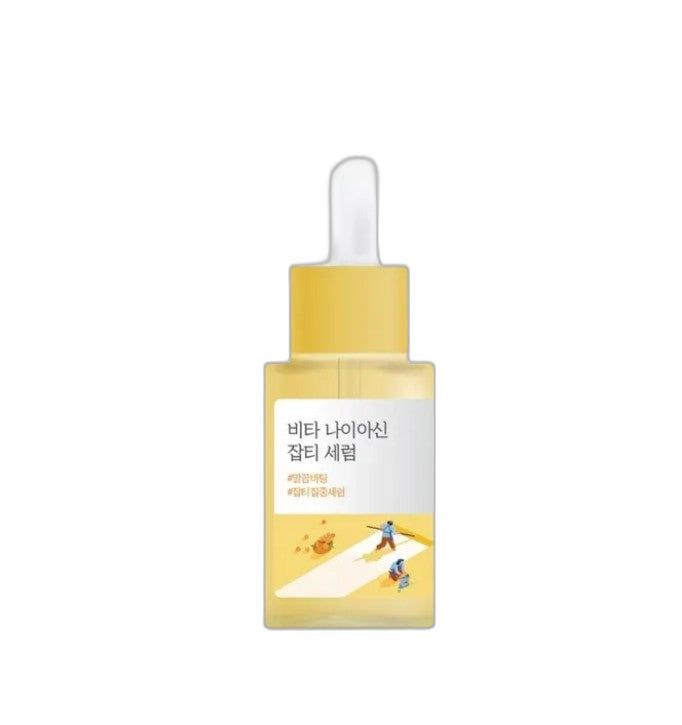
- COSRX The Niacinamide 15 Serum (approx. $25-30): A high-concentration serum that’s excellent for tackling hyperpigmentation and improving skin texture. Start slow if you’re new to 15% niacinamide.
- Purito Pure Vitamin C Serum (approx. $20-25): Don’t let the name fool you, this serum contains a good amount of Niacinamide (5%) alongside Vitamin C, making it a powerful brightening combo.
Step 5: Lightweight Moisturizer You need hydration to keep your barrier healthy, but nothing too heavy that feels occlusive under SPF.
- Torriden DIVE-IN Low Molecular Hyaluronic Acid Soothing Cream (approx. $20-25): A lightweight gel-cream that provides intense hydration without any stickiness. Perfect for layering.
- Abib Hydration Crème Water Tube (approx. $25-30): A refreshing gel-cream that quickly absorbs, providing deep hydration and soothing benefits.
Step 6: Non-Negotiable SPF (Minimum SPF 50+ PA++++) This is the MOST important step. If you skip this, everything else is a waste of time. We’ll dive deeper into SPF rules later, but for now, know that a broad-spectrum, high-protection sunscreen is your best friend.
- Beauty of Joseon Relief Sun : Rice + Probiotics SPF50+ PA++++ (approx. $15-18): A viral sensation for a reason. It’s incredibly lightweight, leaves no white cast, and feels like a moisturizer. Ideal for daily use.
- Tocobo Bio Watery Sun Cream SPF50+ PA++++ (approx. $18-22): Another fantastic option that feels like nothing on the skin. It’s hydrating and leaves a natural, dewy finish without being greasy.
- Missha All-Around Safe Block Essence Sun EX SPF50+ PA++++ (approx. $10-15): A classic K-beauty sunscreen that offers excellent protection and a comfortable, hydrating finish without feeling heavy.
For more options, check out our list of the best Korean sunscreens.
PM routine with products
Your evening routine is where you bring out the big guns to actively treat existing pigment and accelerate cell turnover.
Step 1: Double Cleanse This is crucial for removing all traces of sunscreen, makeup, and environmental pollutants that can contribute to inflammation and melasma.
- Oil Cleanser:
- Anua Heartleaf Pore Control Cleansing Oil (approx. $18-22): Melts away makeup and SPF effortlessly, leaving skin soft and clean.
- Mixsoon Bean Cleansing Oil (approx. $25-30): A unique fermented bean oil cleanser that’s gentle yet effective, also offering some skin-balancing benefits.
- Water-based Cleanser:
- Round Lab 1025 Dokdo Cleanser (approx. $12-15): Gentle and effective, as mentioned in the AM routine.
- COSRX Low pH Good Morning Gel Cleanser (approx. $10-12): A mild gel cleanser that effectively cleanses without stripping, perfect for the second step.
Step 2: Treatment Toner (Optional, but recommended for hydration) A hydrating toner can prep your skin for better absorption of subsequent treatments and provide an extra layer of soothing.
- Laneige Cream Skin Refiner (approx. $30-35): A unique toner that delivers intense hydration like a cream, perfect for strengthening the barrier.
- Abib Heartleaf Toner Skin Booster (approx. $25-30): Calming and hydrating, great for reducing any redness or sensitivity.
Step 3: Azelaic Acid Treatment This ingredient is a powerhouse for melasma. It directly inhibits tyrosinase and reduces inflammation. While less common in dedicated K-beauty serums, it’s worth seeking out.
- Some By Mi AHA BHA PHA 30 Days Miracle Serum (approx. $20-25): While not pure Azelaic Acid, this serum often incorporates other acids and ingredients that help with cell turnover and brightening. If you can find a K-beauty product with pure Azelaic Acid, that’s ideal. (Note: Azelaic Acid is often found in Western brands, but if you’re sticking strictly to K-beauty, ensure the formulation is gentle enough). COSRX has some acid-based products that might contain gentle forms, but a direct Azelaic Acid product is less common in their lineup.
Step 4: Gentle Retinol/Retinal Start with a low concentration (0.01-0.03%) and use 2-3 times a week, slowly increasing frequency as tolerated. Avoid irritation at all costs, as it can worsen melasma.
- Innisfree Retinol Cica Repair Ampoule (approx. $30-35): A gentle retinol formulated with Cica to minimize irritation, making it excellent for sensitive or first-time retinol users.
- COSRX The Retinol 0.1 Cream (approx. $25-30): A good entry-level retinol cream that helps with cell turnover and skin texture without being overly aggressive. Always patch test and introduce slowly.
Step 5: Niacinamide Serum (if not in your AM routine or if you want an extra boost) If your AM niacinamide serum isn’t enough, or if you prefer to use your actives at different times, you can layer a niacinamide serum here.
- Purito Pure Vitamin C Serum (approx. $20-25): As mentioned, it has 5% Niacinamide and can be used in the PM for its brightening and barrier-supporting benefits.
Step 6: Rich, Barrier-Supporting Moisturizer Lock in all your treatments and support your skin’s recovery overnight.
- Laneige Cica Sleeping Mask (approx. $25-30): A soothing, restorative mask that works overnight to calm irritation and strengthen the skin barrier.
- Torriden DIVE-IN Low Molecular Hyaluronic Acid Soothing Cream (approx. $20-25): If you prefer a cream over a mask, this is still a fantastic option, providing deep hydration and barrier support.
- Abib Hydration Crème Water Tube (approx. $25-30): Another great option for a comforting, hydrating finish.
The SPF rules for melasma
This cannot be stressed enough: SPF is not just a step; it’s the foundation of your melasma treatment. Without religious, uncompromising sun protection, no amount of expensive serums will work. In fact, sun exposure can reverse any progress you’ve made overnight.
Here’s the Glow Coded SPF protocol for melasma:
- Always, Always, Always Use Broad-Spectrum SPF 50+ PA++++: This means protection against both UVA (aging rays) and UVB (burning rays). PA++++ indicates the highest level of UVA protection.
- Apply Generously: The general rule is 1/4 teaspoon for your face alone. Don’t skimp. If you apply less, you’re not getting the advertised protection.
- Reapply Every 2 Hours (Minimum): This is non-negotiable. Whether you’re indoors, outdoors, cloudy, sunny – reapply. If you’re sweating, swimming, or wearing a mask, reapply more frequently (every 45-60 minutes). Keep a stick or cushion SPF on hand for easy reapplication over makeup.
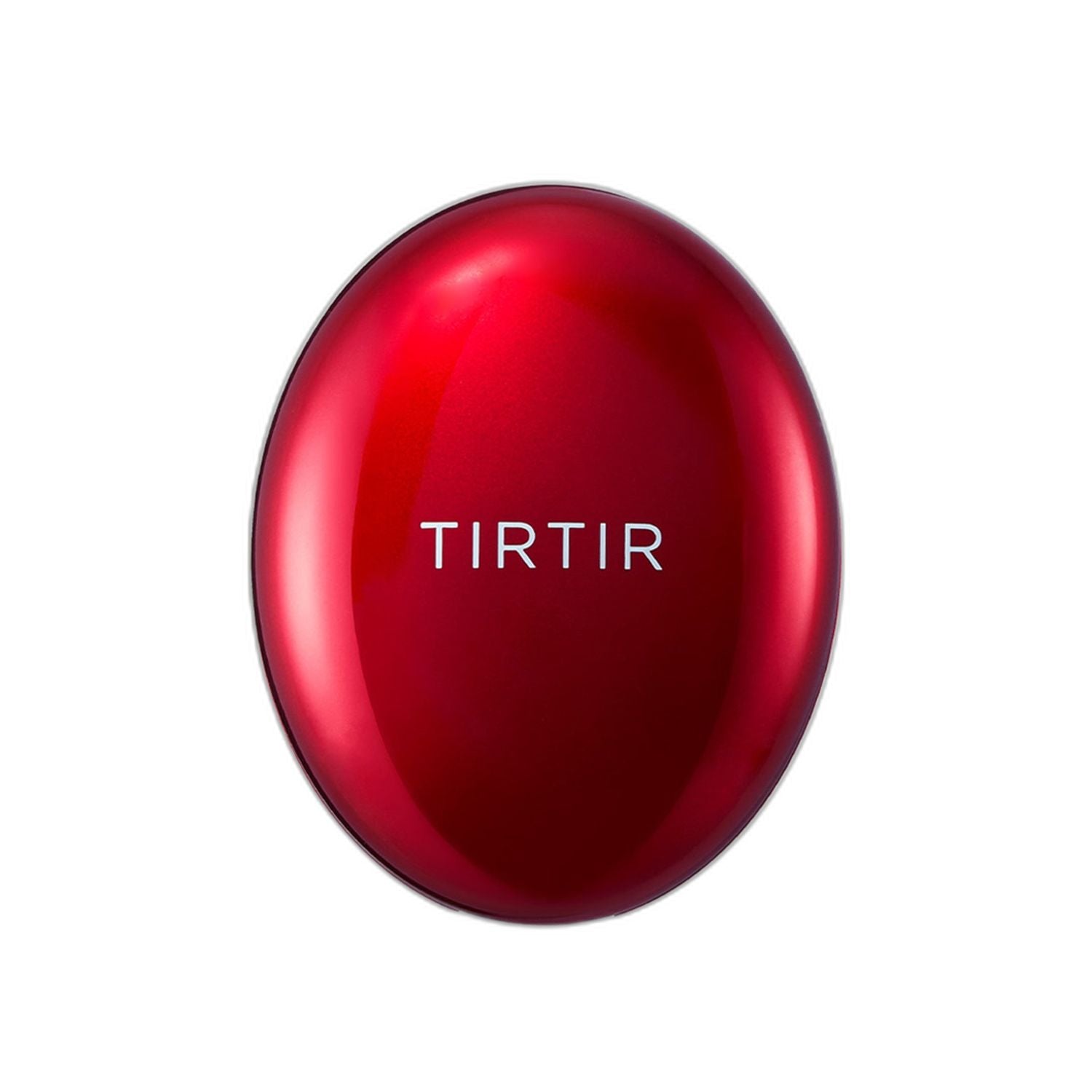
- Tirtir My Glow Cream Cushion SPF50+ PA++++ (approx. $30-35): A great option for touch-ups over makeup, offering both coverage and sun protection.
- Abib Quick Sunstick Protection Bar SPF50+ PA++++ (approx. $20-25): Super convenient for reapplication on the go, especially for hands-free application.
- Don’t Forget Indoor Exposure: Visible light from windows, computer screens, and phone screens can trigger melasma. Even if you’re indoors all day, wear your SPF.
- Physical Blockers are Your Friend (Often): Mineral sunscreens (zinc oxide, titanium dioxide) provide a physical barrier against UV and visible light. While K-beauty chemical sunscreens are elegant and effective, some with melasma find mineral sunscreens offer superior protection against visible light. Look for tinted mineral sunscreens to avoid a white cast.
- Round Lab Birch Juice Moisturizing Sun Cream (approx. $18-22): While a chemical sunscreen, it’s incredibly popular and effective. For mineral options, you might need to look for specific formulas from brands like Purito (e.g., Purito Daily Go-To Sunscreen is a hybrid).
- Hats, Hats, Hats: A wide-brimmed hat (at least 3 inches) is your best friend when outdoors. It provides physical shade that even the best sunscreen can’t fully replicate. Look for UPF-rated hats and clothing.
- Seek Shade: Whenever possible, stay in the shade, especially during peak sun hours (10 AM - 4 PM).
- Sunglasses: Protect the delicate skin around your eyes and prevent squinting, which can contribute to friction/trauma.
Yes, this sounds like a lot. But for melasma, it’s absolutely crucial. Think of it as an integral part of your treatment, not just an optional step.
Realistic timeline
Melasma is a marathon, not a sprint. Managing expectations is key to avoiding frustration and staying consistent.
- 4 Weeks: You might start to notice a subtle improvement in skin tone and a slight reduction in the intensity of your melasma. The skin may feel smoother and look a bit more even. This is when consistency really starts to pay off.
- 8 Weeks: More noticeable fading should be apparent. The edges of the melasma patches might appear softer, and the overall color may be lighter. You’ll likely feel more confident in your skin, though the pigment won’t be completely gone.
- 12 Weeks and Beyond: Significant improvement is often seen at this stage. While complete eradication of melasma is rare (it’s a chronic condition, remember?), the patches should be considerably lighter and blend better with your natural skin tone. This is also when you’ll truly appreciate the effort you’ve put into your routine and sun protection.
Important Note: Any perceived “quick fixes” for melasma often come with risks of irritation, post-inflammatory hyperpigmentation (PIH), or even worsening the condition long-term. Patience and consistency with a gentle, effective routine are your greatest allies.
When to see a derm for in-office help
While this K-beauty routine is incredibly powerful, there are times when professional intervention is necessary or highly beneficial.
- No Improvement After 3-4 Months: If you’ve been diligently following this routine (especially the SPF rules!) for several months and aren’t seeing the results you hoped for, it’s time to consult a dermatologist.
- Severe or Deep-Seated Melasma: Some melasma is primarily dermal (deeper in the skin), which is much harder to treat with topical products alone. A derm can assess the depth of your melasma using a Wood’s lamp.
- Quick Results Needed (with caution): If you have a special event and want faster results, a dermatologist can offer more aggressive treatments.
- Considering Prescription Treatments: A derm can prescribe stronger ingredients like hydroquinone (often considered the gold standard for initial treatment), stronger retinoids, or triple combination creams.
- Exploring In-Office Procedures:
- Chemical Peels: Superficial peels (e.g., glycolic acid, lactic acid, salicylic acid, mandelic acid) can help shed pigmented cells. Deeper peels carry higher risks for melasma.
- Microneedling: Can help break up pigment and improve product absorption.
- Lasers (with extreme caution): Lasers for melasma are a double-edged sword. While some (like low-fluence Q-switched Nd:YAG or picosecond lasers) can be effective, others (especially ablative or high-energy lasers) can worsen melasma, leading to post-inflammatory hyperpigmentation or rebound hyperpigmentation. Always choose a dermatologist highly experienced in treating melasma with lasers.
Remember, even with professional treatments, the strict sun protection and maintenance routine you’ve learned here will still be crucial for preventing recurrence.
Verdict
Melasma is a frustrating, persistent skin condition that demands patience, consistency, and a multi-faceted approach. The K-beauty philosophy of gentle yet effective layering, combined with a robust ingredient stack and an unwavering commitment to sun protection, offers one of the most promising pathways to fading those stubborn patches.
This isn’t about erasing melasma completely overnight – that’s an unrealistic expectation. It’s about significantly reducing its appearance, preventing new pigment from forming, and empowering you with a routine that helps you regain control over your skin. Stick with it, protect your skin like your life depends on it, and remember that slow and steady wins the race against melasma. Your glow is coded for clarity, and with this routine, you’re well on your way to unlocking it.