The quest for perfect skin often feels like a treasure hunt, especially in the world of K-beauty. And if there’s one treasure that has captivated skincare enthusiasts for decades, it’s the fabled “Pitera” essence. Hailing from the luxurious halls of SK-II, this seemingly simple fermented liquid promises crystal clear skin, a radiant glow, and a smoother texture that defies time. The catch? Its price tag, which can make even the most dedicated skincare aficionado wince.
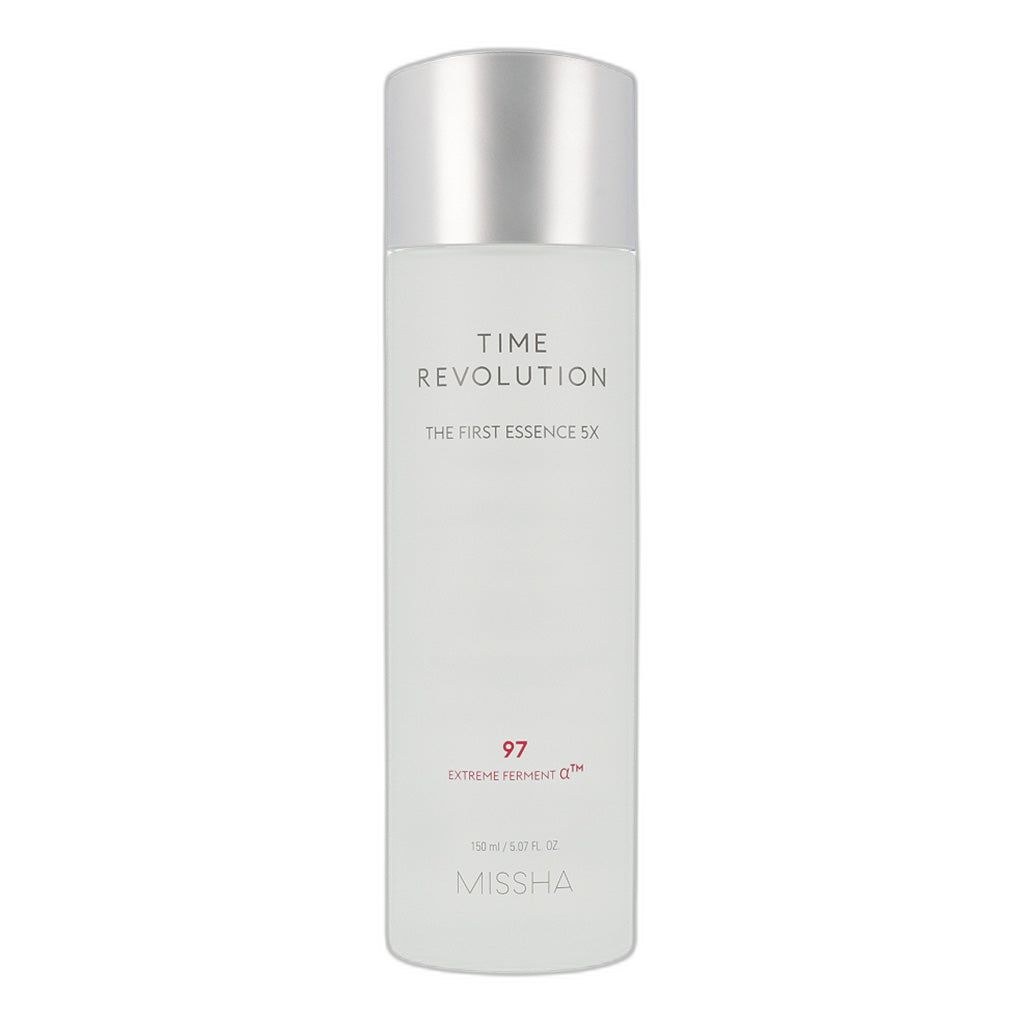
Enter Missha, a beloved K-beauty brand known for delivering effective, innovative formulas at accessible prices. For years, their Time Revolution The First Treatment Essence has been whispered about, debated, and passionately defended as the ultimate dupe for SK-II’s iconic elixir. But is it really? Can a $30 essence truly stand toe-to-toe with a $200+ luxury staple? As your honest K-beauty expert at Glow Coded, I’ve put both to the test, scrutinizing every drop, every ingredient, and every skin transformation over 12 weeks to bring you the definitive answer. Prepare to dive deep into the ferment-filled world of essences, unpack the science, and discover if saving your pennies means sacrificing your glow.
The dupe question everyone asks
The story of SK-II’s Pitera is legendary. Discovered in the 1970s at a sake brewery in Japan, scientists noticed the remarkably soft, youthful hands of elderly brewers, a stark contrast to their wrinkled faces. They attributed this to the yeast fermentation process. From this observation, Pitera – a proprietary blend of vitamins, amino acids, minerals, and organic acids derived from a unique yeast strain (Saccharomyces Cerevisiae) – was born. It quickly became the cornerstone of SK-II’s Facial Treatment Essence, a product revered globally for its transformative powers, promising enhanced cell turnover, deep hydration, and unparalleled radiance. It’s often referred to as “miracle water” for a reason, but that miracle comes with a premium price tag that places it firmly in the luxury tier.
For years, this left many skincare lovers yearning for its benefits but unable to justify the cost. The beauty industry, ever-responsive to consumer demand, began to explore alternatives. This is where Missha, a brand synonymous with quality and affordability, stepped in. Their Time Revolution The First Treatment Essence, launched with a similar ethos – harnessing the power of fermented ingredients – quickly gained traction as a potential, much more budget-friendly alternative. The initial versions were heavily focused on galactomyces ferment filtrate, an ingredient often grouped with the broader category of “sake yeast” ferments, leading to direct comparisons with SK-II’s Pitera.
The question isn’t just about saving money; it’s about efficacy. Can a product designed to be affordable deliver the same caliber of results as one that costs seven times more? Is the “dupe” a true stand-in, or merely a pale imitation? This isn’t just a casual comparison; it’s a deep dive into the heart of skincare formulation, brand philosophy, and what truly makes an ingredient effective. We’re not just looking for a similar texture; we’re looking for a similar impact on the skin – that elusive brightness, refined texture, and youthful bounce that Pitera promises.
What’s actually in both (ingredient deck)
To truly understand if Missha’s Time Revolution The First Treatment Essence can stand as a dupe for SK-II’s Facial Treatment Essence, we need to go beyond the marketing claims and delve into the ingredient lists. This is where the real story unfolds, revealing both similarities and crucial differences in their formulation philosophies.
SK-II Facial Treatment Essence The beauty of SK-II FTE lies in its elegant simplicity, a testament to the power of a single, star ingredient. The ingredient list is remarkably short:
- Galactomyces Ferment Filtrate (Pitera™): This is the undisputed star, making up over 90% of the formula. Pitera is a bio-ingredient derived from yeast fermentation, rich in over 50 micronutrients including vitamins, amino acids, minerals, and organic acids. It’s designed to mimic the skin’s Natural Moisturizing Factors (NMFs), promoting natural surface rejuvenation, improving barrier function, and offering antioxidant benefits.
- Butylene Glycol: A common humectant and solvent, helping to draw moisture into the skin and improve the spreadability of the product.
- Water: Used as a solvent.
- Sodium Benzoate, Methylparaben, Sorbic Acid: Preservatives to ensure product stability and safety.
The SK-II Philosophy: SK-II’s approach is minimalist and singular. It banks almost entirely on the unique composition and efficacy of Pitera. The idea is to deliver a highly concentrated dose of this proprietary ferment, allowing its complex blend of nutrients to work synergistically with the skin’s natural processes. It’s a pure, unadulterated experience of their signature ingredient.
Missha Time Revolution The First Treatment Essence (5th Generation, Rx Pro Ferment Alpha) Missha’s formula, while also centered around ferments, takes a slightly different, more complex approach. Over the years, Missha has refined its formula, and the current 5th generation is a sophisticated blend designed to offer comprehensive benefits. The ingredient list is longer and includes several well-regarded active ingredients:
- Saccharomyces Ferment Filtrate (90%): This is the primary ferment in the current Missha formula. While often grouped under the broader category of “yeast ferments” like galactomyces, Missha specifically uses a Saccharomyces strain, which they brand as part of their “Pro Ferment Alpha™” blend. This ingredient is known for its hydrating, brightening, and skin-smoothing properties, similar to other yeast ferments.
- Bifida Ferment Lysate: Another powerful ferment, known for its ability to strengthen the skin barrier, protect against environmental damage, and reduce sensitivity. Brands like Estée Lauder also prominently feature this.
- Lactobacillus Ferment Lysate: A probiotic ingredient that supports a healthy skin microbiome, further enhancing barrier function and potentially reducing irritation.
- Niacinamide: A powerhouse ingredient (Vitamin B3) that offers a multitude of benefits: brightening, evening skin tone, reducing the appearance of pores, improving barrier function, and regulating oil production. This is a significant addition that SK-II lacks. If you’re looking to incorporate more of this into your routine, check out our guide to niacinamide serums.
- Adenosine: A yeast-derived ingredient known for its anti-aging properties, particularly its ability to improve skin elasticity and reduce the appearance of wrinkles.
- Ceramide NP: A lipid that is naturally found in the skin barrier. Its inclusion helps to strengthen the skin’s protective barrier, preventing moisture loss and protecting against external irritants.
- Squalane: A fantastic emollient that provides lightweight hydration and helps to soften the skin.
- Glycerin, Butylene Glycol, Propanediol: Hydrating humectants that draw moisture into the skin.
- Other botanical extracts and minor ingredients: For various antioxidant, soothing, and conditioning benefits.
The Missha Philosophy: Missha’s approach is more multi-faceted. While it leverages a high concentration of fermented ingredients (90% Saccharomyces Ferment Filtrate), it doesn’t stop there. By incorporating well-researched actives like Niacinamide, Adenosine, Ceramides, and Squalane, Missha aims to deliver a broader spectrum of benefits. It’s not just a ferment; it’s a comprehensive essence designed to target brightening, anti-aging, hydration, and barrier support all at once.
Key Takeaway from Ingredients: While both essences use fermented ingredients as their core, they are not identical. SK-II relies on the singular, patented Pitera for its holistic benefits. Missha, on the other hand, uses a different primary yeast ferment (Saccharomyces) and strategically augments its formula with other proven actives. This means Missha isn’t just a “copy” but an intelligently formulated product that aims to achieve similar results through a slightly different, and arguably more comprehensive, ingredient pathway. The inclusion of Niacinamide, for instance, gives Missha an edge in terms of direct brightening and pore refinement that SK-II, with its more indirect approach to these concerns, doesn’t explicitly offer through its ingredient list.
Texture, absorption, finish
The sensory experience of a skincare product is often just as important as its ingredient list. If it feels unpleasant or interferes with the rest of your routine, you’re less likely to use it consistently. So, how do these two fermented essences stack up in terms of texture, absorption, and finish?
SK-II Facial Treatment Essence
- Texture: SK-II FTE is famously watery, almost like pure water, but with a barely perceptible “slip” or silkiness to it. It’s incredibly lightweight and fluid, easily dripping from your fingertips.
- Absorption: It absorbs into the skin almost instantly. You apply a few drops, pat it in, and within seconds, it feels like it has completely vanished, leaving no trace of residue on the surface.
- Finish: The skin is left feeling hydrated, remarkably soft, and subtly plump. There’s a slight, healthy dewiness, but absolutely no stickiness or greasiness. It creates a perfectly primed canvas for subsequent serums and moisturizers, allowing them to absorb more effectively.
- Scent: This is often a point of contention for SK-II. It has a distinct, faint, yeasty or “sake-like” smell. Some users find it unnoticeable or even pleasant, while others find it mildly off-putting, describing it as slightly sour or fermented. The scent dissipates quickly upon absorption, but it’s definitely present during application.
Missha Time Revolution The First Treatment Essence (5th Gen)
- Texture: Missha’s 5th Gen essence is also very watery and lightweight. If you were to compare them side-by-side, you might find Missha to be a hair less watery, perhaps with a touch more body or “cushion” than SK-II, but it’s still incredibly fluid and thin. It doesn’t feel like a serum or gel in the slightest.
- Absorption: Like SK-II, Missha absorbs remarkably quickly. It sinks into the skin with impressive speed, leaving virtually no surface residue. You can layer other products almost immediately without feeling overloaded.
- Finish: After application, skin feels deeply hydrated, supple, and soft. Due to the inclusion of humectants and emollients like Squalane and Ceramides, some might find it leaves a slightly more ‘nourished’ or ‘cushioned’ feeling than SK-II, but without any heaviness or stickiness. The finish is healthy, radiant, and non-greasy.
- Scent: Missha’s essence has a very faint, almost neutral scent. If you concentrate, you might detect a mild, slightly fermented aroma, but it is significantly less pronounced and generally more palatable than SK-II’s signature scent. It’s largely unnoticeable for most users.
Comparison Summary Table:
| Feature | SK-II Facial Treatment Essence (FTE) | Missha Time Revolution FTE (5th Gen) |
|---|---|---|
| Texture | Watery, extremely lightweight, slight slip | Watery, very lightweight, subtly more ‘body’ |
| Absorption | Very fast, near-instant | Very fast, almost instant |
| Finish | Hydrated, soft, subtle dew, non-sticky, primed | Hydrated, plump, soft, healthy radiant, non-sticky |
| Scent | Faint yeasty/sake-like, noticeable by some | Very faint, neutral/mildly fermented, less noticeable |
The Verdict on Sensory Experience: From a purely sensory perspective, the two essences are remarkably similar. Both offer an incredibly lightweight, fast-absorbing, and non-sticky experience that makes them a joy to use and easy to layer into any routine, including a comprehensive Korean skincare routine. Missha might feel a touch more nourishing, likely due to its broader ingredient profile, but the difference is subtle. The most notable distinction lies in the scent, where Missha generally wins for those sensitive to fragrance or the unique aroma of SK-II. This similarity in user experience is a big part of why the “dupe” conversation continues to thrive – they feel alike on the skin.
12-week results: brightness, texture, firmness
This is where the rubber meets the road. Ingredients and sensory experiences are important, but ultimately, skincare is judged by the tangible improvements it brings to your skin. I committed to a 12-week trial, using each essence consistently to observe their long-term effects on key skin concerns: brightness, texture, and firmness. For fairness, I maintained the rest of my routine (cleansing, serum, moisturizer, and of course, a good sunscreen – check out our best Korean sunscreens for recommendations) as consistently as possible.
Brightness and Even Tone:
- SK-II Facial Treatment Essence: The “crystal clear skin” promise isn’t an exaggeration, but it’s also not an overnight miracle. Over 12 weeks, I noticed a gradual, profound improvement in overall skin radiance. My complexion looked less dull, more luminous, and had a healthy, lit-from-within glow. While it doesn’t contain direct brightening agents like Vitamin C, Pitera’s ability to promote healthy cell turnover helps to shed dull surface cells, revealing fresher, brighter skin underneath. It also subtly helped to even out my skin tone, diminishing minor redness and hyperpigmentation over time, making my skin look uniformly clearer.
- Missha Time Revolution The First Treatment Essence (5th Gen): Missha also delivered impressive brightening results. In some ways, I found the initial brightening effect to be slightly quicker and more noticeable, likely thanks to the inclusion of Niacinamide. This powerhouse ingredient directly targets hyperpigmentation and uneven skin tone, complementing the ferment’s cell turnover benefits. My skin looked significantly brighter, more vibrant, and had a lovely, healthy glow. It effectively reduced dullness and contributed to a more uniform complexion, making it a strong contender for achieving that coveted glass skin method.
Texture and Smoothness:
- SK-II Facial Treatment Essence: This is where SK-II truly shines. The refinement of skin texture was perhaps the most dramatic and consistent result. My skin became incredibly smooth, soft, and supple to the touch. Fine lines appeared softer, and the overall surface felt significantly more refined. Pores, while not “shrunk,” appeared less noticeable because the skin around them was healthier and more elastic. The feeling of “baby soft” skin was undeniable.
- Missha Time Revolution The First Treatment Essence (5th Gen): Missha was also excellent for texture improvement. The combination of its ferments, Niacinamide, and hydrating ingredients worked synergistically to smooth out rough patches and improve overall skin suppleness. My skin felt noticeably softer and more refined. While the pore-minimizing effect wasn’t as pronounced as SK-II for my skin, it certainly contributed to a more even and refined texture. The added Ceramides and Squalane also seemed to make my skin feel more resilient and less prone to minor textural irregularities.
Firmness and Elasticity:
- SK-II Facial Treatment Essence: Over 12 weeks, I observed a subtle but definite improvement in my skin’s firmness and elasticity. It didn’t provide a dramatic “lift,” but my skin felt more resilient, had a better bounce-back, and appeared slightly more taut. This effect is attributed to Pitera’s ability to support the skin’s natural regeneration processes and improve overall skin health, which translates to better structural integrity over time.
- Missha Time Revolution The First Treatment Essence (5th Gen): Missha also contributed positively to skin firmness. The inclusion of Adenosine, a known anti-aging ingredient, alongside the ferments and barrier-supporting Ceramides, seemed to bolster the skin’s resilience. My skin felt stronger and had a good sense of elasticity. While perhaps not as intensely focused on this aspect as SK-II, Missha’s multi-pronged approach meant that my skin also felt well-supported and healthier, which inherently contributes to a more youthful, firmer appearance.
Overall “Glow” and Skin Health: Both essences are fantastic for promoting overall skin health and that elusive “glow.” SK-II excels in its singular focus on Pitera’s holistic benefits, resulting in a unique clarity and translucency. Missha, with its broader blend of ferments and actives, offers a more comprehensive approach that tackles multiple concerns simultaneously, leading to a vibrant, healthy radiance.
Drawbacks and Caveats:
- SK-II: The main drawbacks are the high price and the potential for a small percentage of users to react to the specific Pitera ferment, leading to breakouts or irritation. The scent can also be a minor issue for some.
- Missha: While generally well-tolerated, the more complex ingredient list (multiple ferments, niacinamide, adenosine) means there’s a slightly higher chance of sensitivity for individuals with extremely reactive skin who might react to one of the many actives. However, for most, this blend is a benefit.
In summary, after 12 weeks, both essences delivered impressive results. SK-II offered a unique clarity and textural refinement that felt singular. Missha, however, provided incredibly similar, and in some aspects (like initial brightening), even slightly enhanced results, thanks to its intelligent blend of additional actives. The difference was often in nuance rather than stark contrast, making the “dupe” claim feel very real in terms of overall skin improvement.
Price per month
Now, let’s talk numbers, because for many, this is the make-or-break factor in the dupe debate. High-quality skincare is an investment, but the cost-effectiveness varies wildly between brands.
SK-II Facial Treatment Essence:
- Standard Size & Price: The most commonly purchased size is 230ml, which typically retails for $200 - $250 USD. Smaller sizes (75ml, 160ml) are available but are usually less cost-effective per ml.
- Longevity: With consistent twice-daily use (typically 5-7 drops per application, patted into the skin), a 230ml bottle of SK-II FTE can last approximately 3 to 4 months. This can vary based on individual usage habits.
- Cost Per Month:
- If a 230ml bottle (average $225) lasts 3 months: $225 / 3 = $75 per month
- If it lasts 4 months: $225 / 4 = $56.25 per month
- So, you’re looking at roughly $55 - $80 per month for the privilege of using SK-II’s Pitera.
Missha Time Revolution The First Treatment Essence (5th Gen):
- Standard Size & Price: The Missha FTE comes in a 150ml bottle, and its retail price typically ranges from $30 - $45 USD. It’s frequently available on sale at even lower prices, sometimes dropping to $20-$25.
- Longevity: A 150ml bottle, with consistent twice-daily use (similar 5-7 drops per application), generally lasts approximately 2 to 3 months. While it’s a smaller bottle than SK-II’s large size, the application amount is similar.
- Cost Per Month:
- If a 150ml bottle (average $35) lasts 2 months: $35 / 2 = $17.50 per month
- If it lasts 3 months: $35 / 3 = $11.67 per month
- Considering sales, you could potentially get this down to $10 - $20 per month.
The Stark Contrast: The numbers speak for themselves. Even at its most expensive and shortest lifespan, Missha’s essence costs significantly less per month than SK-II’s. You could be paying anywhere from four to eight times more per month for SK-II.
This massive price difference is often the ultimate deciding factor for many. While SK-II holds a certain prestige and a dedicated following, Missha makes the benefits of fermented essences accessible to a much broader audience. For those looking to manage their skincare budget effectively without sacrificing results, the financial argument for Missha is compelling. It allows you to invest in other crucial steps of your routine, like a high-quality retinol guide or specialized serums, without breaking the bank on your essence.
Verdict: is the dupe real?
After meticulously comparing the Missha Time Revolution The First Treatment Essence (5th Gen) and the SK-II Facial Treatment Essence across ingredients, sensory experience, and 12-week results, I can confidently say: Yes, the dupe is real in terms of delivering comparable, high-quality benefits and a remarkably similar user experience for a fraction of the cost.
However, it’s crucial to understand the nuance. They are not identical twins, but rather highly effective cousins.
Here’s the breakdown of why the dupe is real, and who should choose which:
Why Missha is a Real Dupe:
- Comparable Results: For the vast majority of users, Missha delivers on the promise of improved brightness, smoother texture, and enhanced skin health that SK-II is famous for. My 12-week trial showed incredibly similar overall skin transformations, with Missha even potentially offering a slight edge in initial brightening due to the Niacinamide.
- Similar Sensory Experience: The watery texture, rapid absorption, and non-sticky finish are almost indistinguishable between the two. This makes Missha an easy substitute in any routine without feeling like a downgrade in terms of application.
- Core Ferment Philosophy: Both brands harness the power of fermented ingredients as their primary active. While the specific yeast strains differ (SK-II’s Pitera vs. Missha’s Pro Ferment Alpha blend), the principle of using nutrient-rich ferments to enhance skin vitality is consistent.
- Unbeatable Value: This is the most undeniable aspect. Missha offers a truly premium essence experience at an incredibly accessible price point, making the benefits of fermented skincare attainable for everyone.
Where They Differ (and why it matters to some):
- Ingredient Philosophy: SK-II is a minimalist masterpiece, relying almost entirely on its proprietary Pitera. It’s a testament to the power of a single, highly concentrated, unique ingredient. Missha, while also ferment-rich, takes a more comprehensive approach by adding other proven actives like Niacinamide, Adenosine, Ceramides, and Squalane. This isn’t a flaw, but a different strategy. For ingredient purists, SK-II’s simplicity might be preferred. For those who want more bang for their buck with a multi-tasking product, Missha’s blend is a huge advantage.
- The “Heritage” Factor: SK-II has decades of history, scientific research specifically on Pitera, and luxury brand appeal. For some, the prestige, the story, and the perceived exclusivity are part of the product’s allure and perceived efficacy. Missha, while a respected K-beauty brand, doesn’t carry the same luxury weight or singular ingredient legend.
- Specific Ferment: While both use yeast ferments, Pitera is unique to SK-II. No other brand has it. Missha’s blend of Saccharomyces, Bifida, and Lactobacillus ferments, while highly effective, is not “Pitera.” This means that if your skin has a very specific affinity for SK-II’s Pitera and reacts negatively to other ferments, then SK-II might still be your only option. However, such specific reactions are rare.
Who Should Choose SK-II:
- You have an unlimited skincare budget: Price is no object, and you simply want the best of the best, regardless of cost.
- SK-II is your undeniable Holy Grail: You’ve tried it, and nothing else gives you that exact same “crystal clear skin” effect. You might be one of the rare individuals whose skin specifically thrives on Pitera and struggles with other ferments.
- You value brand heritage and minimalist formulation: You appreciate the singular focus and the legacy of the SK-II brand.
Who Should Choose Missha:
- You are budget-conscious but demand results: You want the benefits of a high-quality fermented essence without the exorbitant price tag.
- You appreciate a multi-tasking formula: You like the idea of a comprehensive essence that not only brightens and refines but also offers additional benefits like barrier support and anti-aging through Niacinamide, Ceramides, and Adenosine.
- You are new to essences or fermented skincare: Missha is an excellent, low-risk entry point into this powerful category.
- You are sensitive to strong scents: Missha’s lighter, more neutral scent profile will likely be preferable.
The Final Word: The K-beauty industry is a masterclass in innovation, often taking luxury concepts and democratizing them with intelligent formulations. Missha Time Revolution The First Treatment Essence is a shining example of this. It’s not a direct chemical copy of SK-II, but it is an incredibly effective, thoughtfully formulated alternative that delivers remarkably similar, if not sometimes enhanced, results for a fraction of the price. For most people, the “dupe” is absolutely real, and choosing Missha allows you to achieve radiant, smooth, and healthy skin without emptying your wallet. Don’t let the price tag deter you; sometimes, the best miracles come in affordable bottles.
If you want to push the regeneration benefits even further, the cutting edge of K-beauty anti-aging combines ferment essences with newer ingredients like PDRN and growth factors. Our PDRN vs growth factors Korean skincare comparison explains the evidence behind both ingredients and which one targets repair vs collagen stimulation.