Congratulations, mama-to-be! As you embark on the incredible journey of pregnancy, your body undergoes a myriad of changes – and your skin is no exception. While the fabled “pregnancy glow” is certainly real for some, many expectant mothers also experience new sensitivities, breakouts, dryness, or even the dreaded melasma. Navigating your skincare routine during this time can feel like walking a tightrope, with endless questions about what’s safe for you and your growing baby.
At Glow Coded, we’re all about honest, expert-backed advice, and when it comes to pregnancy-safe K-beauty, we’re here to cut through the noise. The good news? You absolutely don’t have to sacrifice your skincare routine or your radiant complexion. With a few smart swaps and a keen eye on ingredients, you can maintain healthy, happy skin throughout your pregnancy and beyond.
Remember, while we provide comprehensive information, always consult your obstetrician or dermatologist about any skincare products or ingredients you plan to use, as they can offer personalized advice based on your individual health profile.
The pregnancy skincare reality
Pregnancy is a hormonal rollercoaster, and your skin is right there for the ride. Estrogen and progesterone levels surge, leading to a cascade of effects:
- Increased oil production: Hello, hormonal acne! Even those who rarely broke out might find themselves battling new blemishes.
- Heightened sensitivity: Your skin barrier might become more reactive, making products you once loved suddenly irritating.
- Dryness and dehydration: Paradoxically, some experience increased dryness, especially in the first trimester.
- Hyperpigmentation (Melasma): Often called the “mask of pregnancy,” dark patches can appear on the face due to increased melanin production.
- Spider veins and stretch marks: While not directly skincare, these are common physical changes that can impact body confidence.
The key takeaway? Your skin’s needs might change, and your ingredient checklist definitely will. Safety is paramount, meaning certain potent actives need to be benched for nine months.
Ingredients to definitely avoid
When pregnant, some skincare ingredients are an absolute no-go due to potential risks to the developing fetus. These are non-negotiable and should be removed from your routine immediately.
-
Retinoids (Retinol, Tretinoin, Retinaldehyde, Adapalene, Tazarotene, Isotretinoin): This is the biggest one. Retinoids, whether prescription (like tretinoin) or over-the-counter (like retinol), are powerful vitamin A derivatives known for their anti-aging and acne-fighting prowess. However, oral retinoids (like isotretinoin, commonly known as Accutane) are highly teratogenic, meaning they can cause severe birth defects. While topical absorption is much lower, there’s still a theoretical risk, and most doctors advise complete avoidance during pregnancy and breastfeeding. It’s simply not worth the risk. If you’re looking for a deep dive into what retinoids do, check out our retinol guide.
-
High-dose Salicylic Acid (>2%): Salicylic acid (BHA) is a fantastic ingredient for acne due to its oil-soluble nature, allowing it to penetrate pores and exfoliate from within. However, high doses of oral salicylic acid (aspirin) have been linked to birth defects and complications in pregnancy. While topical absorption is generally low, it’s best to err on the side of caution. Avoid leave-on products with concentrations above 2% and steer clear of chemical peels containing salicylic acid. Small, occasional spot treatments with 1-2% salicylic acid might be approved by some doctors, but many prefer complete avoidance.
-
Hydroquinone: This powerful skin-lightening agent is often used to treat hyperpigmentation like melasma. However, hydroquinone has a relatively high systemic absorption rate (around 35-45%!), meaning a significant amount can enter your bloodstream. Due to this high absorption and limited safety data in pregnancy, it’s strongly recommended to avoid hydroquinone.
-
Tetracycline (topical or oral): This antibiotic is sometimes prescribed for severe acne. Oral tetracyclines are known to cause tooth discoloration and bone abnormalities in a developing fetus, and topical versions should also be avoided as a precaution.
-
Formaldehyde-releasing preservatives: Ingredients like quaternium-15, DMDM hydantoin, imidazolidinyl urea, and diazolidinyl urea slowly release formaldehyde, a known carcinogen and allergen. While many K-beauty brands are already free of these, it’s wise to double-check ingredient lists and avoid them during pregnancy, as they can also be irritating to sensitive skin.
Ingredients that are ‘gray zone’ (check your OB)
These ingredients come with a bit more nuance. While generally considered lower risk than the “definitely avoid” list, it’s always best to discuss their use with your doctor, especially if you have any underlying health conditions or a high-risk pregnancy.
-
Benzoyl Peroxide: This acne-fighting ingredient is often used for inflammatory breakouts. Topical benzoyl peroxide is generally considered low-risk during pregnancy, with minimal systemic absorption. However, some doctors still prefer patients avoid it, or use it sparingly as a spot treatment (<5% concentration) if absolutely necessary. It can also be quite drying and irritating, which might be exacerbated by pregnancy sensitivities.
-
Alpha Hydroxy Acids (AHAs - Glycolic Acid, Lactic Acid, Mandelic Acid): AHAs are chemical exfoliants that work on the skin’s surface to improve texture and brightness. In typical cosmetic concentrations (under 10% for leave-on products), they are generally considered safe because they have very low systemic absorption. However, your skin might be more sensitive during pregnancy, so introduce them slowly and patch test. High-concentration AHA peels should be avoided.
-
Azelaic Acid: Often hailed as a pregnancy-safe hero, azelaic acid is a naturally occurring dicarboxylic acid with anti-inflammatory, antibacterial, and mild exfoliating properties. It’s effective for acne, rosacea, and hyperpigmentation (like melasma). Its systemic absorption is very low, and it’s often prescribed by dermatologists for pregnancy-related skin issues. Most doctors consider it safe.
-
Low-dose Salicylic Acid (<2%): As mentioned, high doses are out. But what about a gentle cleanser with 0.5% salicylic acid, or a toner with 1%? While absorption is minimal, some OBs prefer to err on the side of caution and recommend avoiding it entirely. If your doctor gives the green light for very low concentrations in wash-off products or occasional spot treatments, ensure it’s not a daily leave-on staple.
-
Essential Oils: This is a tricky one. Many essential oils are potent plant extracts and some are best avoided during pregnancy due to potential effects on uterine contractions or toxicity in high doses (e.g., rosemary, clary sage, jasmine, pennyroyal). Others, like lavender and tea tree oil, are often considered safe in highly diluted forms, but again, opinions vary. The safest bet is to choose products that are fragrance-free or explicitly state they are pregnancy-safe, and avoid concentrated essential oil blends. When in doubt, skip it.
-
Chemical Sunscreens (Oxybenzone, Octinoxate, Octisalate, Avobenzone, Homosalate): Chemical sunscreens work by absorbing UV rays and converting them into heat. Some studies have raised concerns about certain chemical filters, particularly oxybenzone, regarding potential endocrine disruption and systemic absorption. While the evidence is not conclusive regarding harm in humans, many pregnant individuals and healthcare providers prefer to switch to mineral-based sunscreens (zinc oxide and titanium dioxide) as a precautionary measure. Mineral sunscreens sit on the skin’s surface and physically block UV rays, with virtually no systemic absorption. For an in-depth look at sunscreens, check out our guide to the best Korean sunscreens.
Here’s a quick summary table to help you navigate:
| Ingredient Category | Pregnancy Status | Notes |
|---|---|---|
| Retinoids | AVOID | High risk of birth defects. |
| High-dose Salicylic Acid (>2%) | AVOID | Oral linked to defects; topical absorption a concern. |
| Hydroquinone | AVOID | High systemic absorption. |
| Tetracycline | AVOID | Oral linked to tooth/bone issues; topical also avoided. |
| Benzoyl Peroxide | Gray Zone (Check OB) | Low risk topically, but often avoided as a precaution. Use sparingly if approved. |
| AHAs (<10%) | Gray Zone (Check OB) | Generally safe, but test for sensitivity. Avoid high-concentration peels. |
| Low-dose Salicylic Acid (<2%) | Gray Zone (Check OB) | Often avoided; some OBs allow for wash-off or occasional spot treatment. |
| Essential Oils | Gray Zone (Check OB/Avoid) | Many are problematic in high doses. Best to avoid or stick to fragrance-free products. |
| Chemical Sunscreens | Gray Zone (Check OB/Prefer Mineral) | Some prefer to avoid due to endocrine concerns; mineral sunscreens are the safer alternative. |
| Mineral Sunscreens (ZnO, TiO2) | SAFE | Preferred choice for sun protection, minimal to no systemic absorption. |
Safe K-beauty swaps (with products)
Now for the good stuff! Pregnancy doesn’t mean giving up on effective skincare. K-beauty offers a wealth of gentle yet powerful ingredients that are perfectly safe for expectant mothers.
For Acne, Texture & Exfoliation (instead of Retinoids/High Salicylic)
-
Bakuchiol: This plant-derived ingredient is a true game-changer. It offers many of the anti-aging and acne-fighting benefits of retinol – promoting cell turnover, reducing fine lines, and improving skin texture – without any of the associated risks. It’s gentle and well-tolerated, even by sensitive skin.
- Our Picks:
- Purito Bakuchiol 0.5% Serum (approx $25-30): A lightweight, hydrating serum featuring a gentle concentration of bakuchiol, squalane, and various peptides. It’s unscented and ideal for sensitive skin, helping to improve elasticity and reduce the appearance of fine lines.
- By Wishtrend Vitamin A-mazing Bakuchiol Night Cream (approx $30-35): A richer option for your evening routine, this cream combines bakuchiol with retinal (a form of vitamin A, but this product is specifically formulated to be gentle and often recommended as a retinol alternative when approved by an OB for its low irritation profile. However, to be absolutely safe and avoid confusion, for Glow Coded’s definitive “safe” list, we will stick to pure Bakuchiol products. Let’s swap this one for another pure Bakuchiol. Revised Pick:
- Medicube Bakuchiol Firming Serum (approx $35-40): This serum boasts a higher concentration of bakuchiol, along with collagen and peptides, to target firmness and elasticity. It’s designed to be a potent yet gentle anti-aging treatment.
- Our Picks:
-
Mandelic Acid & PHAs: If you need some exfoliation, mandelic acid is a great AHA option. Its larger molecular size means it penetrates the skin more slowly and superficially than glycolic acid, making it much gentler and less irritating – perfect for pregnancy-sensitized skin. Polyhydroxy acids (PHAs) like gluconolactone and lactobionic acid are even milder, offering hydration alongside gentle exfoliation.
- Our Picks:
- By Wishtrend Mandelic Acid 5% Skin Prep Water (approx $20-25): A cult favorite, this toner provides gentle chemical exfoliation, helping to improve skin texture and tone without harshness. It’s also infused with centella asiatica for soothing.
- Pyunkang Yul Peeling Gel (PHA-based, approx $15-20): While a “peeling gel” sounds intense, this is a very gentle gommage-style exfoliant that uses natural cellulose and PHAs to buff away dead skin cells without scrubbing or harsh chemicals. It leaves skin smooth and soft.
- Our Picks:
-
Azelaic Acid: As mentioned, this is a fantastic multi-tasker for pregnancy. It helps with acne by reducing bacteria and inflammation, calms redness associated with rosacea, and can even help fade hyperpigmentation.
- Our Pick:
- Cos De Baha Azelaic Acid 10 Serum (approx $15-20): This popular serum contains 10% azelaic acid, a concentration often recommended by dermatologists for its efficacy. It’s a straightforward, effective option for tackling breakouts, redness, and dark spots.
- Our Pick:
For Anti-Aging & Firming (instead of Retinoids)
-
Peptides: These short chains of amino acids are the building blocks of proteins like collagen and elastin. They signal your skin to produce more of these vital proteins, leading to firmer, plumper skin and reduced fine lines. They are completely safe during pregnancy.
- Our Picks:
- COSRX The 6 Peptide Skin Booster Serum (approx $25-30): A newer offering from COSRX, this serum is packed with six different peptides to target various anti-aging concerns, from elasticity to radiance, making it a powerful yet pregnancy-safe anti-ager.
- Beauty of Joseon Revive Serum Ginseng + Snail Mucin (approx $15-20): While not exclusively peptide-focused, this serum uses ginseng, known for its anti-aging and antioxidant properties, alongside snail mucin for repair and regeneration. Snail mucin is a fantastic multi-tasker for hydration, healing, and improving skin texture. If you’re curious about this unique ingredient, check out our guide to the best snail mucin products.
- Our Picks:
-
Niacinamide (Vitamin B3): A true skincare superstar, niacinamide is safe during pregnancy and tackles a multitude of concerns. It strengthens the skin barrier, reduces inflammation and redness, minimizes the appearance of pores, regulates oil production, and even helps to fade hyperpigmentation.
- Our Picks:
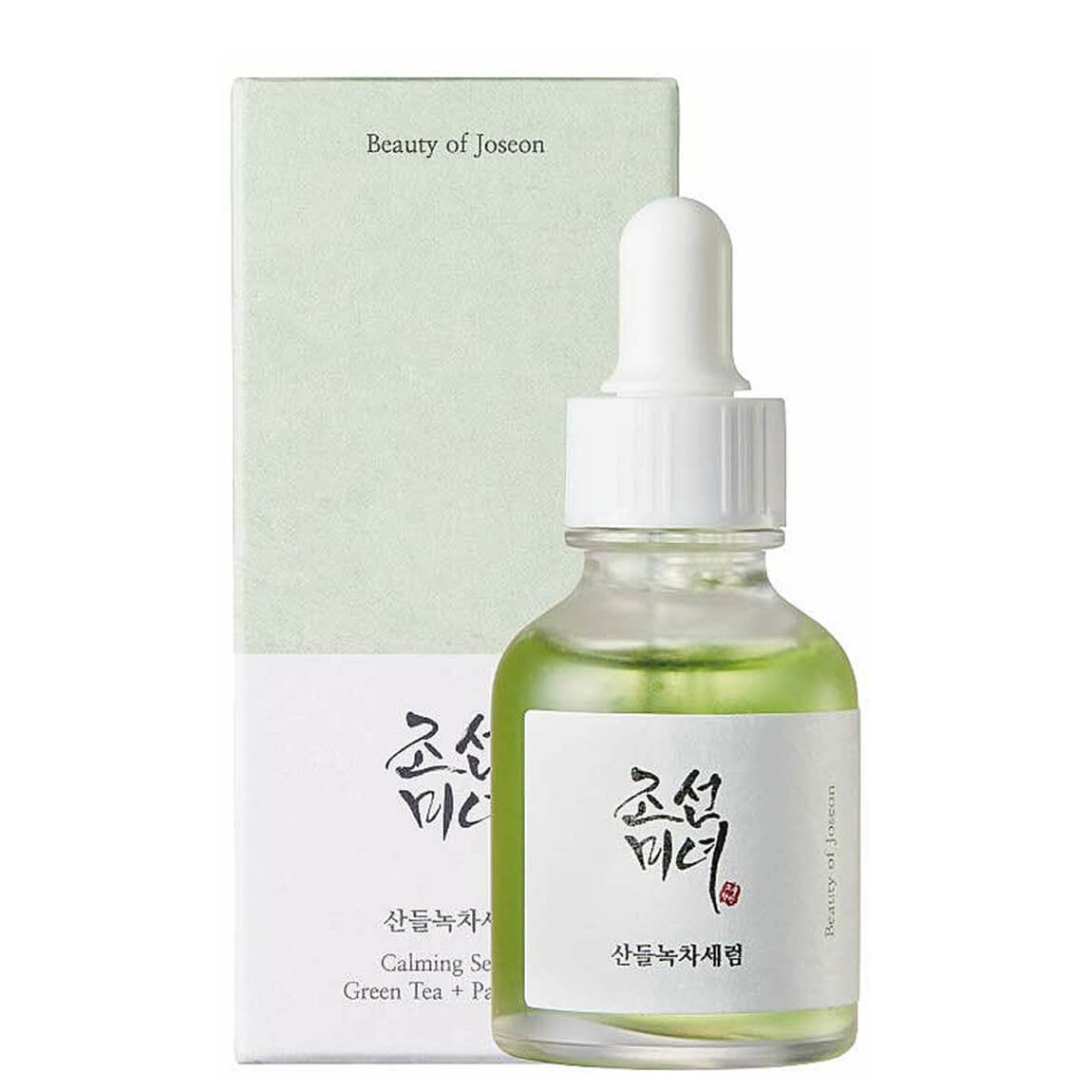
- Beauty of Joseon Glow Serum Propolis + Niacinamide (approx $15-20): This beloved serum combines 5% niacinamide with propolis extract for a soothing, brightening, and anti-inflammatory boost. It’s excellent for overall skin health and glow.
- Axis-Y Dark Spot Correcting Glow Serum (approx $18-22): Featuring 5% niacinamide, this serum is specifically formulated to combat dark spots and hyperpigmentation with the help of squalane and plant-derived extracts. It’s lightweight and effective.
- Mixsoon Bean Essence (approx $25-30): While not a traditional niacinamide serum, this unique fermented essence is rich in amino acids and antioxidants that support skin barrier health, improve texture, and provide a subtle brightening effect, similar to what niacinamide can achieve. It’s a fantastic alternative for overall skin vitality.
- For more niacinamide goodness, explore our recommendations for niacinamide serums.
- Our Picks:
For Brightening & Hyperpigmentation (instead of Hydroquinone)
-
Vitamin C (Stable Forms): A potent antioxidant, Vitamin C brightens the complexion, evens skin tone, and helps protect against environmental damage. While L-Ascorbic Acid can be used, stable derivatives like Ascorbyl Glucoside or Magnesium Ascorbyl Phosphate are often preferred during pregnancy due to their gentler nature and longer shelf life, reducing the risk of irritation.
- Our Picks:
- Goodal Green Tangerine Vita C Dark Spot Serum (approx $25-30): This cult-favorite serum uses a stable form of Vitamin C derived from green tangerines, making it very gentle yet effective for brightening and fading dark spots. It’s hydrating and suitable for daily use.
- Purito Pure Vitamin C Serum (approx $20-25): This serum contains a lower concentration of L-Ascorbic Acid (5%), making it a more gentle option for those who prefer the pure form of Vitamin C. It also includes ferulic acid and alpha-bisabolol for enhanced antioxidant benefits and soothing.
- Our Picks:
-
Alpha Arbutin: A derivative of hydroquinone, alpha arbutin works by inhibiting tyrosinase, the enzyme responsible for melanin production, but in a much milder and safer way. It’s an excellent ingredient for tackling hyperpigmentation during pregnancy.
- Our Pick:
- Cos De Baha Arbutin 2% + Niacinamide 5% Serum (approx $15-20): This serum combines two powerhouses for brightening: 2% alpha arbutin and 5% niacinamide. It effectively targets dark spots and uneven skin tone while also providing barrier support.
- Our Pick:
-
Centella Asiatica (Cica): While not a direct brightening agent, Centella is a fantastic ingredient for overall skin health, especially for sensitive or breakout-prone skin during pregnancy. It’s known for its soothing, anti-inflammatory, and healing properties, which can help calm irritation and promote a healthy skin barrier.
- Our Picks:
- Purito Centella Unscented Serum (approx $20-25): This fragrance-free serum is packed with 49% Centella Asiatica extract, making it incredibly soothing and reparative for irritated or sensitive skin. It’s a go-to for calming redness and supporting barrier health.
- COSRX Centella Blemish Cream (approx $18-22): A thicker cream that can be used as a spot treatment or all over for calming redness and aiding in the healing of blemishes. It’s formulated with Centella Asiatica leaf water and zinc oxide.
- Find more cica goodness in our roundup of the best centella products.
- Our Picks:
A complete pregnancy-safe K-beauty routine
Building a pregnancy-safe K-beauty routine is all about layering gentle, effective products. Here’s a sample routine, keeping safety and common pregnancy skin concerns in mind:
Morning Routine
- Cleanser: Start with a mild, low pH cleanser to remove overnight impurities without stripping your skin.
- Recommendation: Round Lab 1025 Dokdo Cleanser (approx $12-15). This gentle foam cleanser is enriched with deep sea water and ceramides, making it hydrating and non-irritating.
- Toner: Hydrate and prep your skin with a soothing toner.
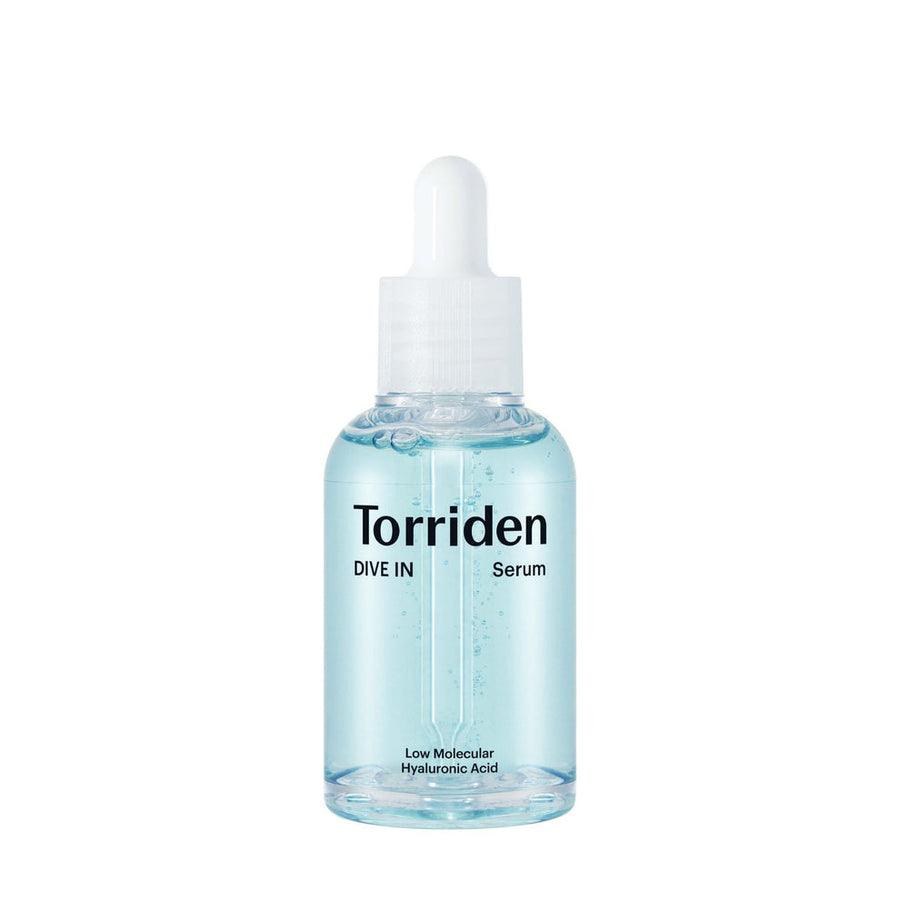
- Recommendation: Anua Heartleaf 77% Soothing Toner (approx $20-25). With 77% heartleaf extract, this toner is a phenomenal choice for calming irritated or acne-prone skin. Alternatively, Torriden DIVE-IN Low Molecular Hyaluronic Acid Toner (approx $18-22) is excellent for deep hydration. For more hydrating options, check out our glass-skin toners guide.
- Serum (Optional): Apply a brightening or antioxidant serum.
- Recommendation: Goodal Green Tangerine Vita C Dark Spot Serum (approx $25-30) for gentle brightening, or Beauty of Joseon Glow Serum Propolis + Niacinamide (approx $15-20) for overall skin health and glow.
- Moisturizer: Lock in hydration with a barrier-supporting cream.
- Recommendation: Illiyoon Ceramide Ato Concentrate Cream (approx $20-25). A rich, fragrance-free cream packed with ceramides to strengthen the skin barrier and prevent moisture loss.
- Sunscreen: This is your most crucial step! Opt for a mineral-based sunscreen.
- Recommendation: Missha All-Around Safe Block Mild Sun SPF 50+ PA+++ (approx $15-20) is a popular mineral sunscreen that offers high protection with minimal white cast. Another great option is Dr. Jart+ Every Sun Day Mineral Sunscreen SPF 50+ PA+++ (approx $30-35).
Evening Routine
- Double Cleanse: The K-beauty essential! Start with an oil-based cleanser to remove makeup, sunscreen, and excess sebum, followed by a water-based cleanser.
- Oil Cleanser Recommendation: Beauty of Joseon Ginseng Cleansing Oil (approx $15-18). This lightweight oil gently dissolves impurities and leaves skin feeling soft.
- Water-based Cleanser Recommendation: Round Lab 1025 Dokdo Cleanser (approx $12-15) (same as morning).
- Toner: Rehydrate and balance your skin.
- Recommendation: Torriden DIVE-IN Low Molecular Hyaluronic Acid Toner (approx $18-22). Its multiple forms of hyaluronic acid ensure deep hydration.
- Treatment Serum: Address specific concerns with a targeted, pregnancy-safe active.
- Recommendation (choose one based on your main concern):
- For anti-aging/texture: Purito Bakuchiol 0.5% Serum (approx $25-30)
- For acne/redness/pigmentation: Cos De Baha Azelaic Acid 10 Serum (approx $15-20)
- For firming/overall anti-aging: COSRX The 6 Peptide Skin Booster Serum (approx $25-30)
- Recommendation (choose one based on your main concern):
- Moisturizer: Finish with a nourishing cream to support skin repair overnight.
- Recommendation: Illiyoon Ceramide Ato Concentrate Cream (approx $20-25) or TIRTIR Ceramic Cream (approx $30-35), a rich, soothing cream that helps fortify the skin barrier.
What to do about melasma
Melasma, the “mask of pregnancy,” is a common and often frustrating condition characterized by dark, patchy hyperpigmentation, usually on the face. It’s triggered by hormonal fluctuations combined with sun exposure.
Key strategies for managing melasma during pregnancy:
- Sun Protection is PARAMOUNT: This cannot be stressed enough. UV exposure is the biggest trigger for melasma.
- Mineral Sunscreen: Use a broad-spectrum mineral sunscreen (zinc oxide and titanium dioxide) with SPF 30 or higher every single day, rain or shine, indoors or out. Reapply every 2 hours, or more frequently if sweating or swimming.
- Physical Protection: Wear wide-brimmed hats, large sunglasses, and seek shade whenever possible.
- Avoid Hydroquinone: As discussed, this is a definite no-go during pregnancy.
- Safe Brightening Alternatives: Focus on ingredients like:
- Azelaic Acid: Excellent for both acne and hyperpigmentation.
- Vitamin C: A powerful antioxidant that helps brighten and even skin tone.
- Niacinamide: Works to reduce melanin transfer to surface cells.
- Alpha Arbutin: A gentler alternative to hydroquinone for inhibiting melanin production.
- Patience: Melasma often fades or significantly improves after delivery and breastfeeding, once hormone levels normalize. For some, it may persist and require stronger treatments post-pregnancy.
- Professional Treatments: Laser treatments, chemical peels, and microdermabrasion are generally delayed until after pregnancy and breastfeeding due to safety concerns and the risk of worsening melasma due to increased skin sensitivity.
Verdict
Navigating pregnancy skincare might seem daunting, but with the right knowledge and a few strategic swaps, you can maintain healthy, glowing skin without compromising your baby’s safety. K-beauty, with its emphasis on gentle formulations, barrier support, and innovative ingredients, offers a treasure trove of pregnancy-safe options.
Always prioritize safety, listen to your body, and most importantly, consult with your OB/GYN or dermatologist about any skincare products you’re using. Embrace this special time, knowing that your K-beauty routine can continue to support your skin’s health and radiance, safely and effectively. You’ve got this, mama!