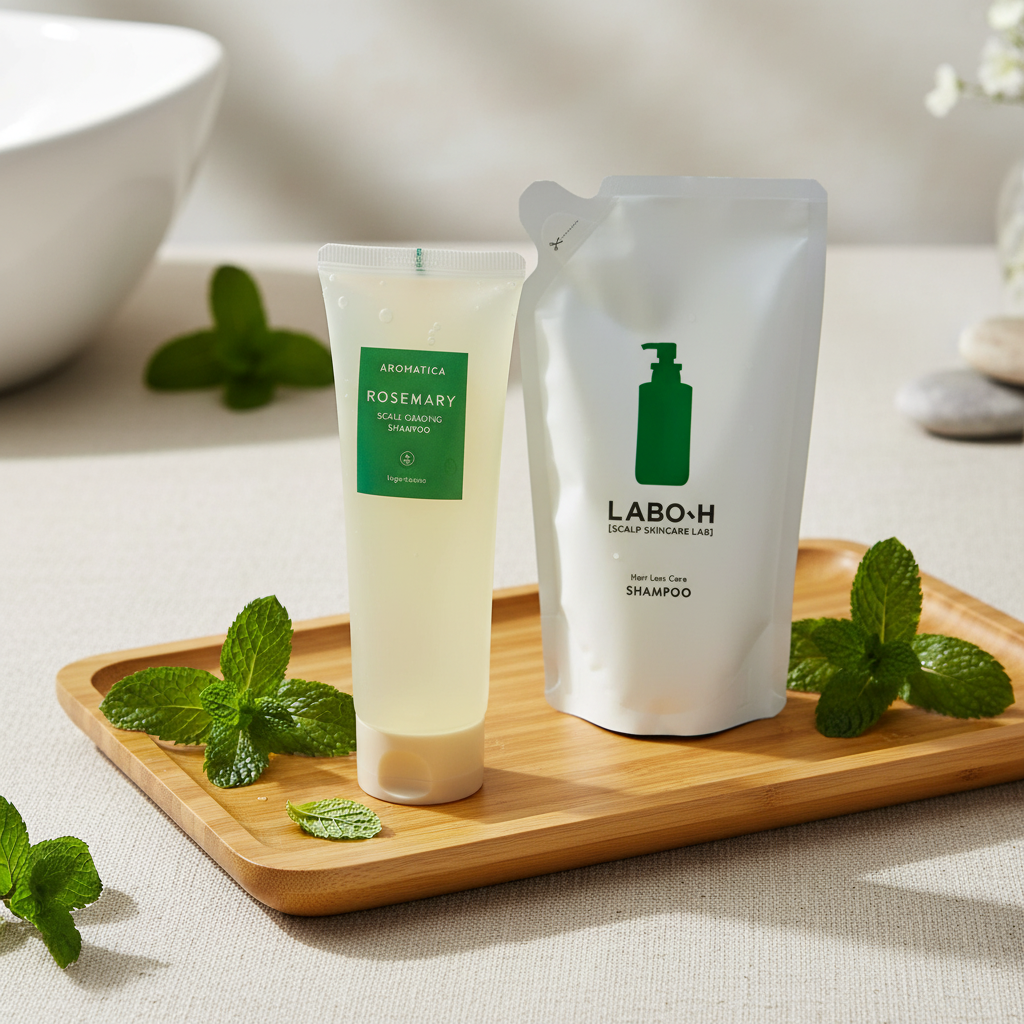
Hair Care Meets Skincare: Building a Scalp Routine
Your scalp is skin too. Learn how to apply skincare principles to your scalp for healthier hair, less flaking, and better growth.
 Glow Coded Editorial
 Here’s a question that might change how you think about hair care: if you treat the skin on your face with a cleanser, exfoliant, serum, and moisturizer, why does the skin on your scalp get nothing but shampoo?
Your scalp is skin. The same type of skin as your face, with the same basic needs: gentle cleansing, balanced hydration, occasional exfoliation, and protection from damage. Neglecting it leads to the same problems you’d expect from neglecting facial skin: dryness, excess oil, clogged pores (follicles), flaking, irritation, and premature aging.
The Korean beauty industry recognized this years ago. Scalp care is a legitimate category in K-Beauty, with products designed to treat your scalp with the same sophistication as your facial skincare. The results speak for themselves: healthier scalp equals healthier, stronger, better-looking hair.
We’ve been following a scalp care routine for over a year now, and the difference in hair health, thickness, and overall scalp comfort has been significant. Here’s how to build your own.
Why Scalp Health Matters for Hair
Your hair grows from follicles embedded in your scalp. The health of those follicles directly determines:
Hair growth rate. Healthy follicles in well-nourished, well-circulated scalp skin grow hair more efficiently.
Hair strength. Hair that grows from a healthy follicle is stronger at the root and less prone to breakage.
Hair appearance. Oily, flaky, or irritated scalps produce hair that looks limp, greasy, or dull. A balanced scalp produces shiny, voluminous hair.
Hair loss. Chronic scalp inflammation, product buildup, and clogged follicles can contribute to hair thinning and loss over time.
Think of your scalp as the soil in a garden. You can water the plants (condition your hair) all you want, but if the soil is depleted, compacted, or unhealthy, the plants won’t thrive.
The Scalp Skin Types
Just like your face, your scalp has a skin type:
Oily scalp. Hair gets greasy within a day of washing. May have visible oiliness at the roots. Prone to seborrheic dermatitis.
Dry scalp. Flaking (often confused with dandruff), tightness, and itching. May be worsened by hard water, cold weather, or harsh shampoos.
Sensitive scalp. Reacts to products with redness, itching, or burning. May be triggered by fragrances, sulfates, or environmental changes.
Balanced scalp. Hair stays fresh for 2-3 days after washing. Minimal flaking or oiliness. Lucky you.
Dandruff (seborrheic dermatitis). Technically a condition rather than a skin type. Caused by an overgrowth of Malassezia yeast. Produces larger, yellowish flakes (different from dry scalp flakes, which are smaller and white).
The Scalp Care Routine
Step 1: Pre-Wash Scalp Treatment (1-2x per Week)
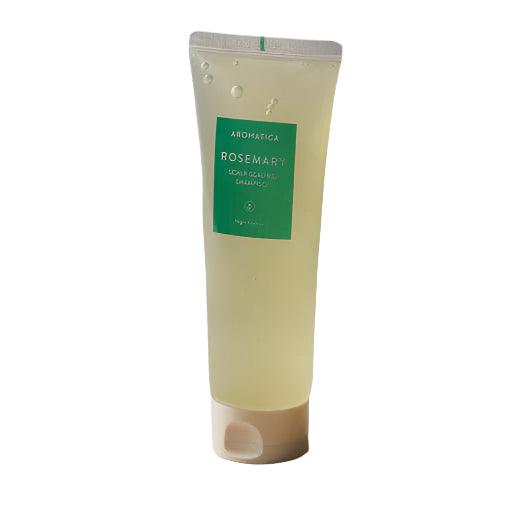
Before you shampoo, apply a scalp treatment to address buildup and nourishment. This is the equivalent of an oil cleanse for your face.
For buildup. A scalp scrub with gentle physical or chemical exfoliants. Salicylic acid-based scalp treatments are particularly effective because BHA is oil-soluble and can penetrate into oily follicles.
For dryness. A scalp oil treatment. Jojoba oil, camellia oil, or a dedicated scalp serum massaged into the scalp 15-30 minutes before washing.
For dandruff. A targeted treatment with zinc pyrithione, ketoconazole, or tea tree oil applied to the scalp and left on for 10-15 minutes.
Apply with the nozzle directly on your scalp, part your hair in sections, and massage gently with your fingertips (never nails). The massage itself increases blood circulation, which supports healthy follicles.
Step 2: Gentle Shampoo
Your shampoo is your scalp’s cleanser. The same rules apply as facial cleansing: it should clean effectively without stripping.
Avoid. Sodium lauryl sulfate (SLS) and sodium laureth sulfate (SLES) in high concentrations. These are aggressive surfactants that strip natural oils and can irritate the scalp. Silicone-heavy shampoos that coat the hair and scalp, trapping buildup underneath.
Look for. Gentle sulfate-free surfactants (coco-glucoside, decyl glucoside, sodium cocoyl isethionate). A pH of 4.5-5.5 (matching your scalp’s natural pH).
How to shampoo properly. Apply to the scalp, not the lengths of your hair. Massage with fingertips for 60 seconds minimum. This ensures adequate cleansing and stimulates circulation. Rinse thoroughly. Shampoo residue is a common cause of scalp irritation and buildup.
Step 3: Scalp Conditioner (or Condition Lengths Only)
Traditional conditioner is designed for hair, not scalp. Apply it to the mid-lengths and ends only, keeping it away from your scalp.
However, if you have a dry or sensitive scalp, a lightweight scalp conditioner or toner applied directly to the scalp can help. Think of it like a hydrating toner for your face. These products are becoming more common in the K-Beauty space.
Step 4: Post-Wash Scalp Tonic or Serum
After towel-drying your hair, apply a scalp tonic or serum directly to the scalp. This is the treatment step, equivalent to your facial serum.
For oily scalps. A lightweight, tea tree or peppermint tonic that balances oil production and provides a refreshing sensation.
For dry or sensitive scalps. A hydrating serum with panthenol, centella asiatica, or hyaluronic acid.
For thinning hair. A scalp serum with caffeine (stimulates follicles), biotin, or peptides. Research on caffeine’s ability to stimulate hair follicles is promising, with studies published in the International Journal of Dermatology showing increased hair growth in caffeine-treated follicles.
For dandruff. A maintenance tonic with low-concentration salicylic acid or zinc.
Part your hair into sections, apply the tonic to the scalp, and massage gently.
Step 5: Scalp Massage (Daily, 3-5 Minutes)
This isn’t a product step, but it might be the most effective one. A daily scalp massage with your fingertips:
- Increases blood flow to the follicles (delivering more nutrients and oxygen)
- Reduces scalp tension (yes, your scalp holds tension)
- May increase hair thickness (a 2019 study in ePlasty showed that participants who performed daily 4-minute scalp massages for 24 weeks had measurably thicker hair)
- Helps distribute natural oils from the roots
- Feels genuinely wonderful
You can do this on a dry scalp at any time. Before bed is a popular choice. Use your fingertips in small circular motions, covering your entire scalp. Scalp massage tools (manual or electric) can make this easier.
The Weekly Schedule
Not every step needs to happen every wash day. Here’s a practical schedule:
Every wash (2-3x per week for most people):
- Gentle shampoo (scalp massage while shampooing)
- Conditioner (lengths only)
- Post-wash scalp tonic
1-2x per week:
- Pre-wash scalp treatment (exfoliant or oil, alternating)
For a quick refresh between washes, the AROMATICA Replenishing Hair Mist Jasmine & Vetiver adds light hydration and a pleasant scent without any greasiness.
Daily:
- Scalp massage (3-5 minutes)
K-Beauty Scalp Products We Recommend
Best Scalp Scrub: Aromatica Rosemary Scalp Scrub
Sea salt and rosemary extract physically exfoliate while stimulating circulation. The texture is satisfying (gritty but not harsh), and scalp feels genuinely clean and refreshed after use.
Best Scalp Serum: Dr. Groot Scalp Revitalizing Tonic
A lightweight tonic with caffeine and biotin that targets thinning hair. The nozzle applicator makes it easy to apply directly to the scalp. We noticed reduced hair fall after about 6 weeks of consistent use.
Best Gentle Shampoo: Innisfree Green Tea Mint Fresh Shampoo
Sulfate-free, low pH, and gently refreshing. The green tea provides antioxidant benefits while the mint adds a cooling sensation without irritation. A solid everyday option.
Best for Dandruff: Lador Tea Tree Scalp Clinic Hair Pack
Tea tree oil and menthol in a pre-wash treatment that targets dandruff-causing yeast. Apply to the scalp for 10 minutes before shampooing. Our tester with mild dandruff saw significant improvement within three weeks.
Best Scalp Conditioner: AROMATICA Rosemary Hair Thickening Conditioner
The AROMATICA Rosemary Hair Thickening Conditioner continues the rosemary theme with a conditioner that adds volume and thickness. We apply it to mid-lengths and ends only to avoid weighing down the scalp, and the rosemary provides that stimulating tingle that feels like it is doing something.
Best Scalp Oil: Aromatica Rosemary Root Enhancer
Rosemary oil has research supporting its effectiveness for hair growth (a 2015 study in SKINmed Journal found rosemary oil comparable to minoxidil for hair growth after 6 months). This lightweight oil is easy to apply and doesn’t weigh hair down.
Common Scalp Care Mistakes
Washing too frequently. Daily shampooing strips natural oils and can irritate the scalp. Most people do best washing 2-3 times per week. If your hair gets oily quickly, train it by gradually extending the time between washes. A dry shampoo can bridge the gap.
Scratching instead of massaging. When you shampoo or apply treatments, use your fingertips in gentle circular motions. Nails can create micro-tears in the scalp that invite infection and irritation.
Ignoring product buildup. Styling products, dry shampoo, and even some conditioners accumulate on the scalp over time, clogging follicles and causing irritation. A weekly clarifying treatment or scalp scrub prevents this.
Using hot water. Just like facial skin, your scalp doesn’t benefit from scorching hot water. Lukewarm is ideal for shampooing. A cool rinse at the end seals the hair cuticle and adds shine.
Applying conditioner to the scalp. Regular conditioner is designed for hair strands, not scalp skin. It can clog follicles and create buildup. Apply from mid-lengths to ends only.
Neglecting sun protection. Your scalp can get sunburned, especially at the part line. Wear a hat during extended sun exposure, or use a scalp SPF spray (yes, these exist).
When to See a Professional
Scalp care can address many common concerns, but some conditions need professional attention:
- Persistent dandruff that doesn’t respond to over-the-counter treatments (may need prescription antifungals)
- Significant hair loss or sudden thinning (could indicate hormonal, medical, or nutritional issues)
- Scalp pain, sores, or unusual growths
- Severe itching that disrupts daily life
- Any dramatic change in scalp or hair condition
A dermatologist who specializes in hair and scalp (a trichologist) can provide targeted diagnosis and treatment.
The Bottom Line
Your scalp deserves the same attention as your face. The shift from “hair care” thinking to “scalp care” thinking is the single biggest improvement most people can make for their hair health.
The routine doesn’t need to be complicated. Gentle cleansing, occasional exfoliation, a targeted treatment, and daily massage. That’s it. The same skincare principles you already understand, applied to the skin you’ve been ignoring.
Give it six weeks. You’ll notice less flaking, less irritation, and healthier-looking hair growing from a happier, more balanced scalp. It’s one of those changes that makes you wonder why you didn’t start sooner.
Keep Reading
Sheet Masks: How Often Should You Use Them (and Best Picks)
Sheet masks are a K-Beauty staple, but how often should you actually use them? Plus our favorite picks for hydration, brightening, and soothing.
What Is Glass Skin and How to Get It
The K-Beauty glass skin trend explained: what it actually means, why it's different from just 'glowy' skin, and a step-by-step routine to achieve it.
Oily Skin Routine That Controls Shine
Oily skin doesn't mean you need harsh, stripping products. This routine controls shine and keeps pores clear while actually keeping your skin healthy.
Get the Glow
Weekly skincare breakdowns, ingredient deep-dives, and honest reviews. straight to your inbox.