Sheet Masks: How Often Should You Use Them (and Best Picks)
Sheet masks are a K-Beauty staple, but how often should you actually use them? Plus our favorite picks for hydration, brightening, and soothing.
 Glow Coded Editorial
 There’s something almost ritualistic about sheet masks. You unfold the mask, align it with your features, smooth it down, and then lie back for 15 minutes of enforced relaxation. It’s skincare that doubles as self-care. The K-Beauty routine’s meditation moment.
But beyond the relaxation factor, do sheet masks actually work? How often should you use them? Are the $1 masks any different from the $8 ones? And can you overdo it?
We’ve used hundreds of sheet masks. Literally. Our testing spreadsheet has over 200 entries at this point. Here’s everything we’ve learned.
How Sheet Masks Work
A sheet mask is a face-shaped piece of material (cotton, hydrogel, bio-cellulose, or microfiber) soaked in a concentrated serum. When you place it on your face, two things happen:
Occlusion. The physical barrier of the mask prevents the serum from evaporating. Instead, it’s pressed against your skin for 15-20 minutes, allowing deeper absorption than simply applying serum with your hands.
Extended contact time. A serum applied normally absorbs in 1-2 minutes. A sheet mask keeps the serum in contact with your skin 10-15 times longer, maximizing the amount that penetrates.
Think of it as the difference between briefly dipping your hand in water and soaking it for 20 minutes. The extended exposure allows for more thorough hydration.
How Often Should You Use Sheet Masks?
The Short Answer
1-3 times per week for most people. Daily masking is safe if your mask is hydrating and gentle, but it’s usually unnecessary and can get expensive.
The Detailed Answer
For general maintenance. Once a week is plenty. Pick a day (many people choose Sunday) and make it part of your routine. The weekly hydration boost is enough to keep skin plump and happy.
For dry or dehydrated skin. 2-3 times per week can make a significant difference. Space your masks throughout the week rather than using them on consecutive days.
For pre-event skin prep. The day before an important event, a hydrating sheet mask will give you noticeably plumper, glowier skin for 12-24 hours. This is the one time we endorse the “emergency mask” approach.
For stressed or damaged skin. If you’ve over-exfoliated, gotten too much sun, or your skin is generally distressed, daily hydrating masks for 3-5 days can help repair the damage. Think of it as intensive care.
Can You Use Sheet Masks Daily?
Technically, yes. Many Korean women use sheet masks daily, and it’s a core part of their routine. There’s no evidence that daily masking causes problems, as long as:
- The masks are hydrating, not exfoliating
- You’re not using masks with strong actives (retinol, high-concentration acids) daily
- Your skin isn’t showing signs of over-hydration (tiny bumps, fungal acne, congestion)
That said, daily masking adds up financially. At $1-3 per mask, that’s $30-90 per month. For most people, the same hydration benefits can be achieved with a good hyaluronic acid serum and a weekly mask.
How to Use a Sheet Mask Properly
This seems obvious, but small technique differences significantly affect results.
Step 1: Prep Your Skin
Cleanse and tone first. The mask’s serum absorbs better into clean, slightly damp skin. If you have a hydrating toner, apply a layer before the mask.
Step 2: Unfold and Align
Most masks are folded in thirds. Unfold carefully (some rip easily). Align with your eyes, nose, and mouth first. Smooth outward from the center to remove air bubbles.
Step 3: Time It Right
15-20 minutes is the sweet spot. Remove the mask before it dries out. This is important: a dried-out mask can actually pull moisture back out of your skin through reverse osmosis. If the mask starts feeling dry, it’s past time to remove it.
Never fall asleep in a sheet mask. A dried-out mask left on for hours can dehydrate your skin and cause irritation.
Step 4: Pat In the Excess
After removing the mask, pat the remaining serum into your skin with your hands. Don’t rinse it off. There’s usually a generous amount of serum left, and it’s good stuff.
Step 5: Seal With Moisturizer
Apply your moisturizer within a few minutes to lock in all that hydration. Without this step, much of the benefit evaporates. The mask hydrates; the moisturizer seals.
Choosing the Right Mask Material
Cotton
The most common and affordable. Good absorption, decent fit. Can feel a bit rough compared to premium materials. Gets soggy and starts dripping serum.
Best for. Budget-friendly regular masking.
Hydrogel
A gel-like material that adheres more tightly to the skin’s contours. Feels cooling on contact. Typically comes in two pieces (top and bottom) for a better fit.
Best for. Targeted treatment, better fit for facial contours, cooling effect.
Bio-Cellulose
Produced by bacteria, this material is thin, transparent, and adheres to skin almost like a second skin. Delivers serum more efficiently than cotton and stays moist longer.
Best for. Premium masking experience, maximum serum delivery, special occasions.
Microfiber
Ultra-thin, soft material that conforms closely to the face. Good serum retention and comfortable wear.
Best for. Sensitive skin, comfortable fit.
Our Best Sheet Mask Picks
Best for Hydration: Mediheal N.M.F Intensive Hydrating Mask
The gold standard. NMF (natural moisturizing factor) complex with hyaluronic acid and ceramides delivers deep, lasting hydration. After using this mask, our skin felt plump and hydrated for a full 24 hours. At around $1.50 per mask, the value is outstanding.
Best for Brightening: Dr. Jart+ Vital Hydra Solution Mask
Algae extract and hyaluronic acid deliver hydration with a visible brightening effect. The bio-cellulose material fits like a glove and stays moist for the full 20 minutes. A bit pricier, but the results justify it.
Best for Calming and Soothing: Heartleaf Sheet Masks
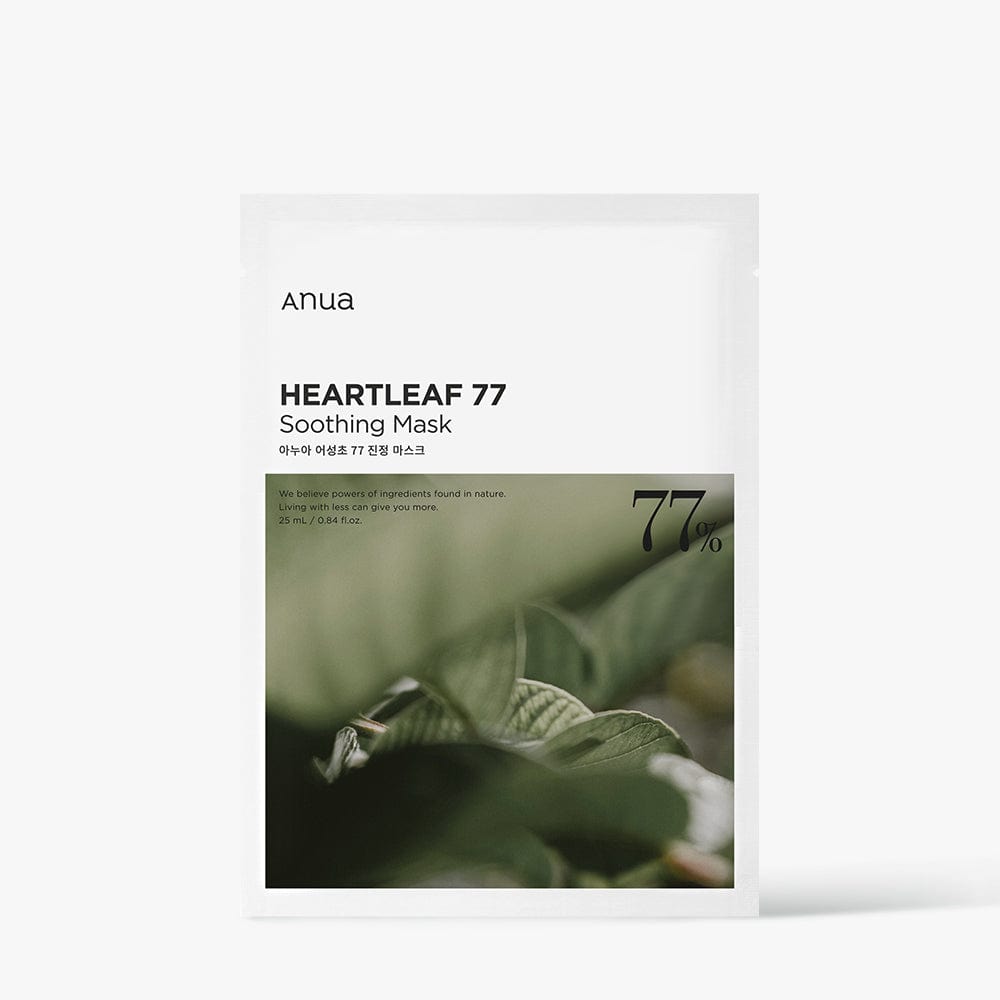
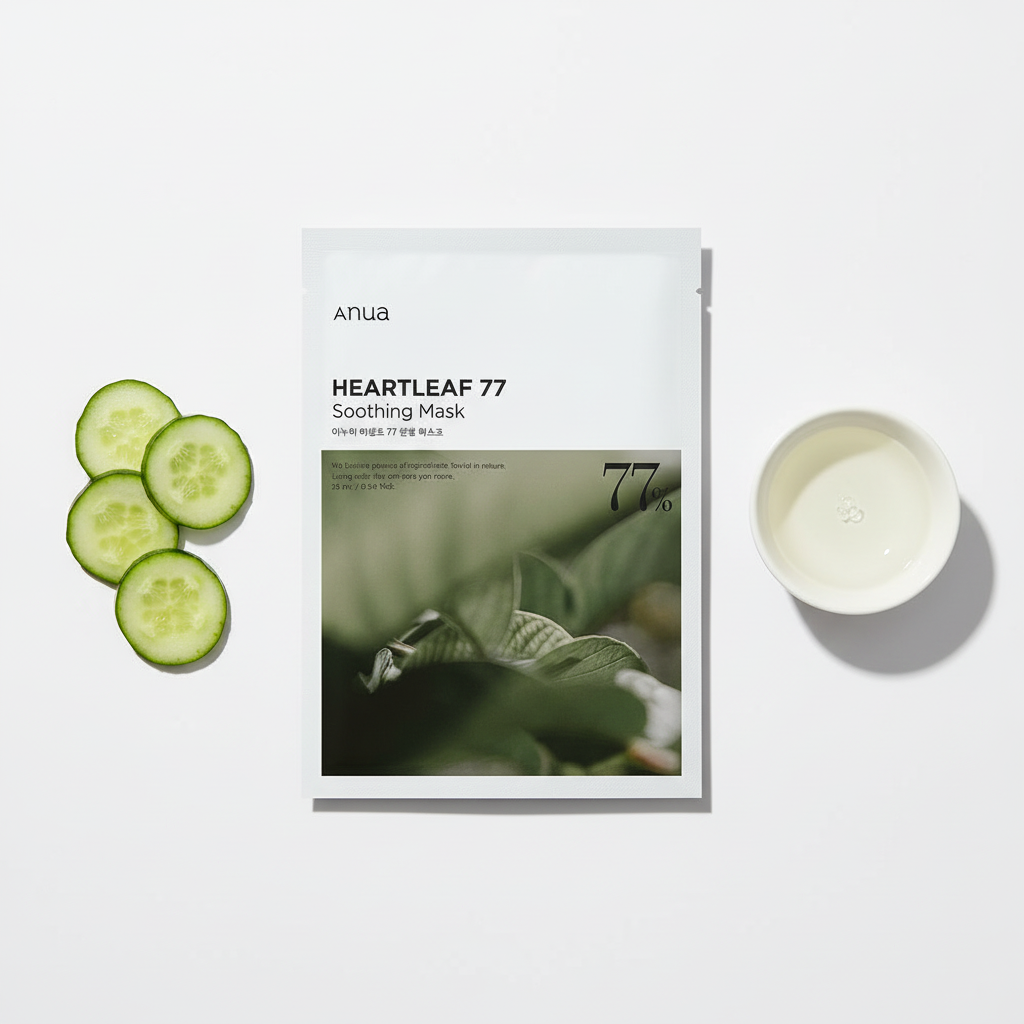
Two heartleaf-based masks have earned regular rotation in our testing. The Anua Heartleaf 77% Soothing Sheet Mask uses 77% heartleaf extract for serious calming power, and the Abib Gummy Sheet Mask Heartleaf Sticker has a unique gummy texture that adheres tightly and delivers concentrated soothing essence. Both are excellent for post-exfoliation or reactive skin days.
Best for Soothing: Innisfree My Real Squeeze Mask in Green Tea
A gentle, antioxidant-rich mask that calms redness and irritation. The serum is lightweight and absorbs beautifully. Perfect for post-sun, post-procedure, or reactive skin days.
Best for Anti-Aging: Sulwhasoo First Care Activating Sheet Mask
A premium mask with fermented ingredients that target dullness, fine lines, and loss of firmness. The bio-cellulose material is luxurious. This is the mask we reach for before important events.
Best Budget Pick: Dermal Collagen Essence Sheet Masks (variety pack)
Available in packs of 16 for around $10. The quality is surprisingly decent for the price. Not as effective as the premium options, but for daily or near-daily masking on a budget, these are hard to beat.
Best for Pores: Innisfree Super Volcanic Pore Tightening Mask (Sheet Version)
Volcanic ash and AHA work together to draw out impurities and tighten the appearance of pores. This is one of the few treatment-focused masks (as opposed to hydration-focused) that we use regularly.
Best Hydrogel: Petitfee Gold and Snail Hydrogel Mask Pack
Snail mucin meets gold extract in a hydrogel format that adheres beautifully and delivers intense hydration. The cooling sensation is a bonus. Our team’s favorite for a luxurious at-home spa night.
Common Sheet Mask Mistakes
Leaving the mask on until it dries. We’ve said it, but it bears repeating. Remove the mask while it’s still moist. A dry mask dehydrates your skin.
Skipping moisturizer after. The mask hydrates but doesn’t seal. Always follow with moisturizer.
Using active masks too frequently. Masks with vitamin C, AHAs, or retinol should be used sparingly, not daily. Treat them like your active serums.
Expecting permanent results from one mask. Sheet masks provide a temporary hydration boost. The “glow” from a single mask lasts 12-24 hours. Consistent, weekly use provides cumulative benefits, but no single mask session is transformative.
Reusing masks. Please don’t. Once a mask has been on your face, the serum is contaminated with bacteria. Use it once and discard.
DIY Alternative: The Lotion Mask Method
If sheet masks feel wasteful (the environmental concern is valid), try the Japanese “lotion mask” method:
- Soak plain cotton pads in your hydrating toner
- Split the cotton pads into thin layers
- Place them on your cheeks, forehead, and chin
- Leave for 5-10 minutes
- Remove and continue with your routine
It’s not quite as effective as a proper sheet mask (the serum concentration is lower), but it’s reusable, customizable, and zero-waste.
The Bottom Line
Sheet masks are a genuine part of an effective skincare routine, not just a social media prop. They deliver hydration more effectively than simply applying serum by hand, and the enforced 15-minute pause in your day has its own mental health benefits.
Use them once a week for maintenance, 2-3 times during dry seasons, and whenever your skin is stressed. Remove them while still moist. Always follow with moisturizer. And don’t expect one mask to fix what consistent daily skincare does over time.
They’re a supplement to your routine, not a replacement for it. But they’re a supplement that we genuinely look forward to every week.
Keep Reading
What Is Glass Skin and How to Get It
The K-Beauty glass skin trend explained: what it actually means, why it's different from just 'glowy' skin, and a step-by-step routine to achieve it.
Oily Skin Routine That Controls Shine
Oily skin doesn't mean you need harsh, stripping products. This routine controls shine and keeps pores clear while actually keeping your skin healthy.
Dry Skin SOS: Winter Skincare Guide
Cold weather destroys your moisture barrier. Here is everything to adjust in your routine to keep dry skin hydrated and healthy through winter.
Get the Glow
Weekly skincare breakdowns, ingredient deep-dives, and honest reviews. straight to your inbox.