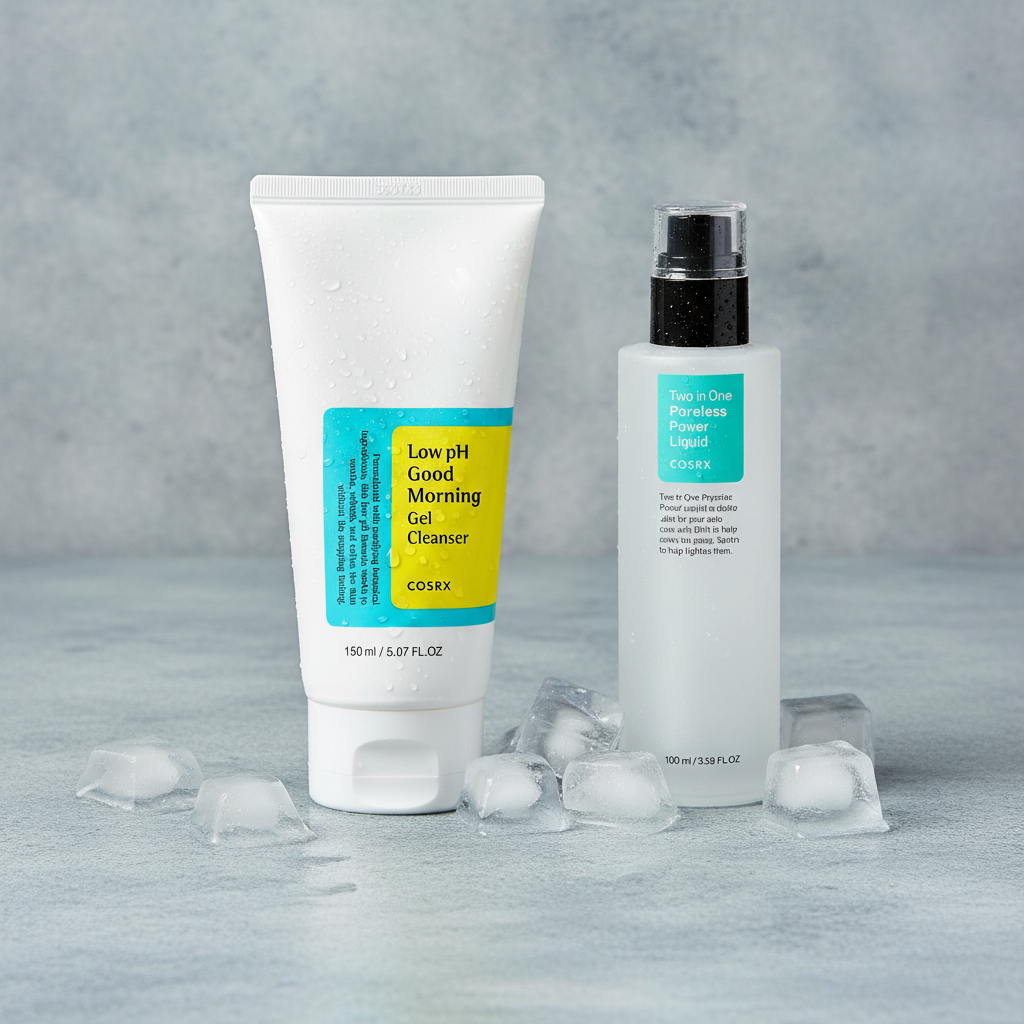
If you have oily skin and other skin types, you’ve probably spent years fighting it. Harsh cleansers that left your face feeling squeaky clean. Mattifying products layered on top of mattifying products. Skipping moisturizer entirely because “why would I add moisture to already oily skin?” And the whole time, your skin just produced more oil to compensate.
The counterintuitive truth about managing oily skin: you can’t strip your way to balanced skin. You have to hydrate your way there. Once we understood this, everything changed.
Our team includes two people with genuinely oily skin (the kind where blotting papers are soaked within an hour), and this is the routine they’ve refined over two years of testing. It controls shine, keeps pores clear, and maintains skin health without the damage that aggressive oil-fighting routines cause.
Why Your Skin Is Oily
Understanding the cause helps you treat it more effectively.
Genetics. The biggest factor. If your parents have oily skin, you likely will too. Your sebaceous glands are simply larger and more active.
Hormones. Androgens stimulate sebum production. This is why oily skin often peaks during puberty, hormonal fluctuations, and stress (cortisol triggers androgen production).
Climate. Heat and humidity stimulate oil production. If you live in a tropical or subtropical climate, expect more oil.
Over-cleansing. The paradox. Stripping your skin of oil with harsh cleansers triggers a feedback loop where your skin produces even more oil to replace what was taken. This is the single most common mistake oily-skinned people make.
Dehydration. Oily and dehydrated are not mutually exclusive. Your skin can produce excess oil while simultaneously lacking water. When your skin is dehydrated, it often responds by producing more oil. Hydrating properly can actually reduce oiliness.
The Routine
Morning
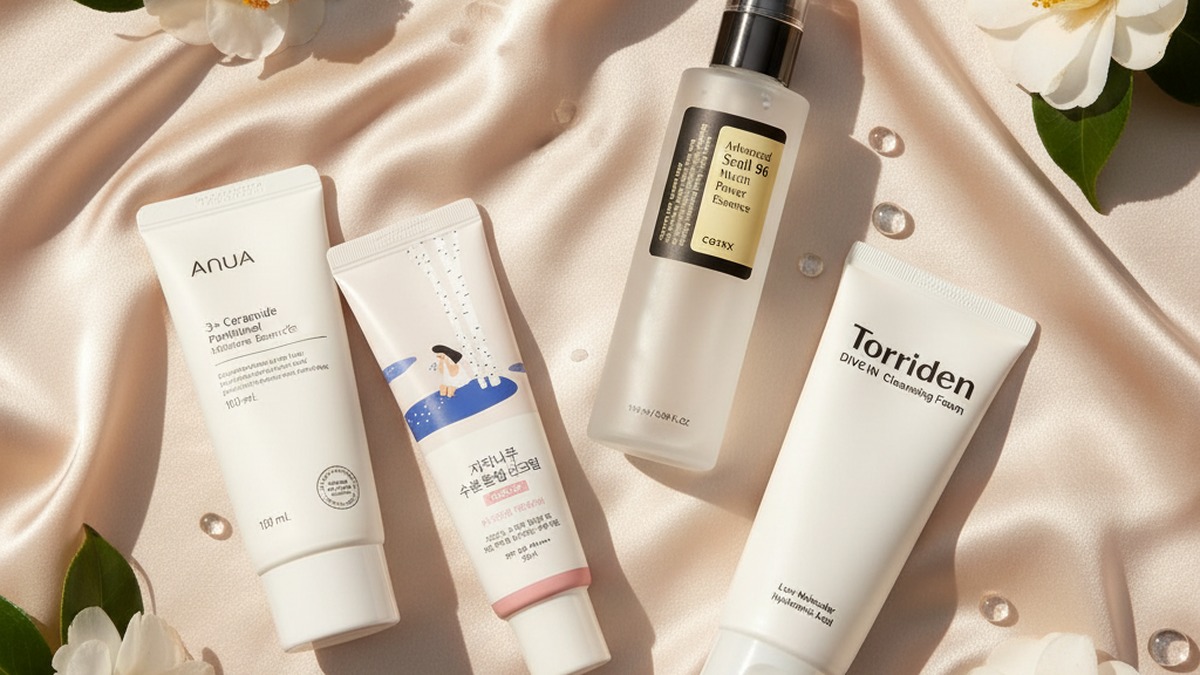
Step 1: Gentle Gel Cleanser
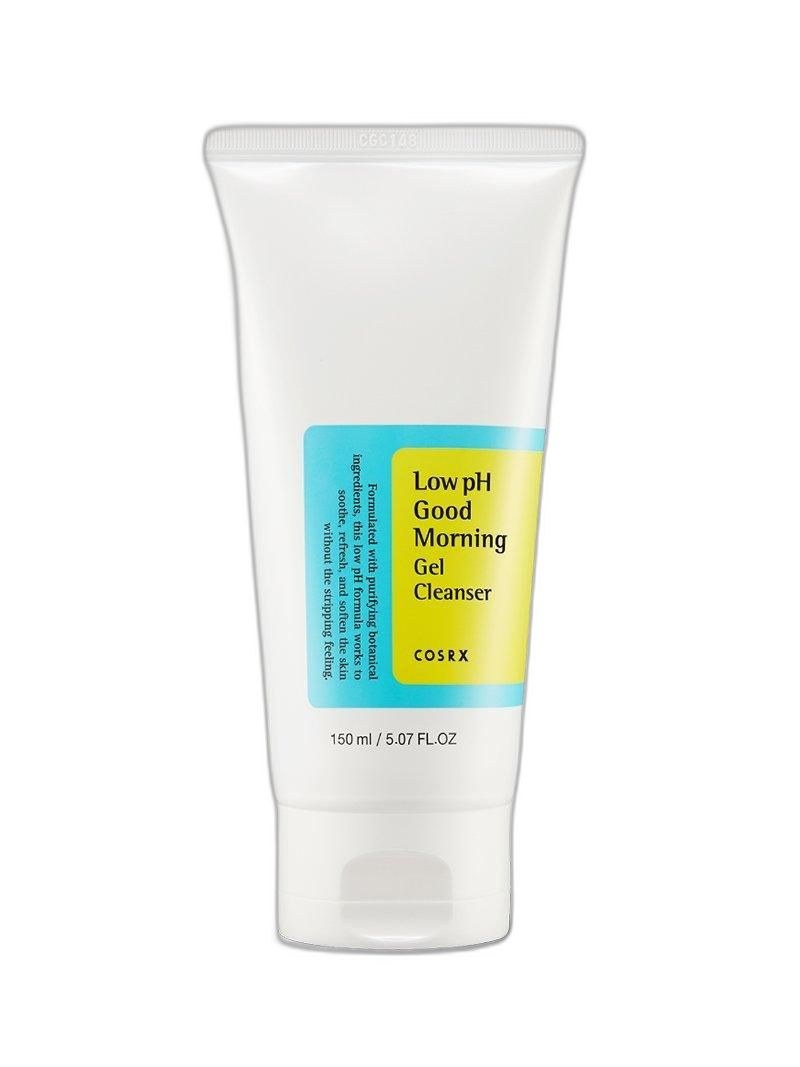
Not a “deep-cleaning” or “oil-fighting” cleanser. A gentle, low-pH gel cleanser that removes overnight oil without stripping your barrier.
Look for a pH between 5 and 6. Avoid sodium lauryl sulfate (SLS), which is an aggressive surfactant that strips too much oil. Mild surfactants like coco-glucoside or decyl glucoside are better choices.
Our pick criteria. Should foam lightly, rinse clean, and leave skin feeling fresh without tightness. If your skin feels “squeaky clean,” your cleanser is too harsh.
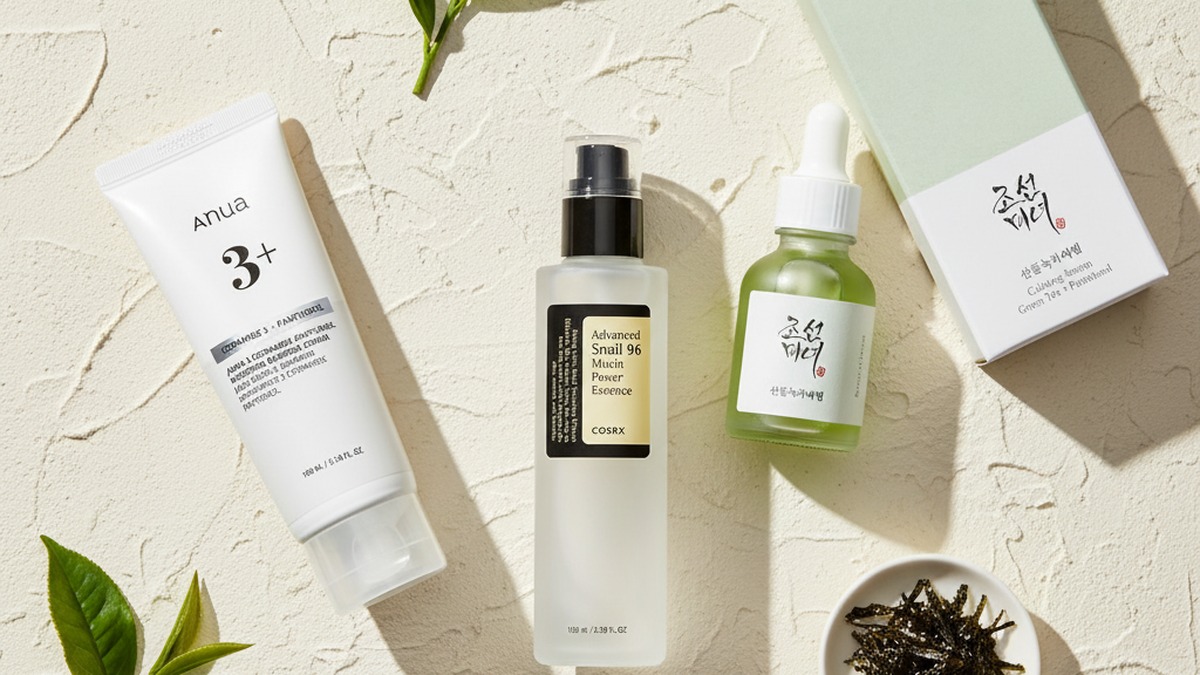
Step 2: Niacinamide Serum
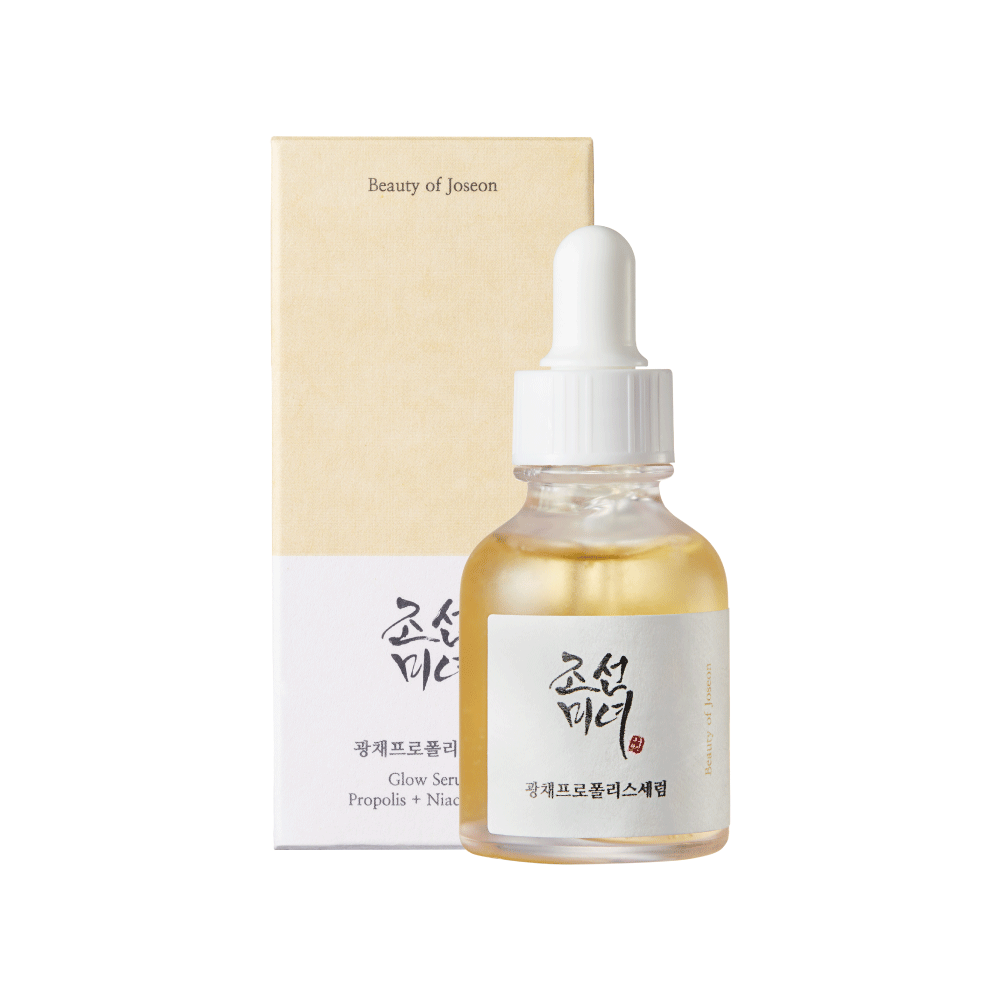
Niacinamide is the MVP ingredient for oily skin. At 2-5% concentration, it:
- Reduces sebum production (clinically proven in multiple studies)
- Minimizes the appearance of pores
- Strengthens the skin barrier
- Provides mild brightening
Apply 3-4 drops to your entire face. Pat in gently.
Step 3: Lightweight Gel Moisturizer
Yes, you need moisturizer. We know it feels wrong. But skipping moisturizer on oily skin leads to dehydration, which leads to more oil production.
The key is the right type of moisturizer. Gel and gel-cream formulas provide water-based hydration without occluding your skin with heavy oils. Look for formulas with hyaluronic acid, aloe, or birch sap as the primary hydrating agents.
Avoid: heavy creams, anything with shea butter or cocoa butter as a primary ingredient, petroleum-based products.
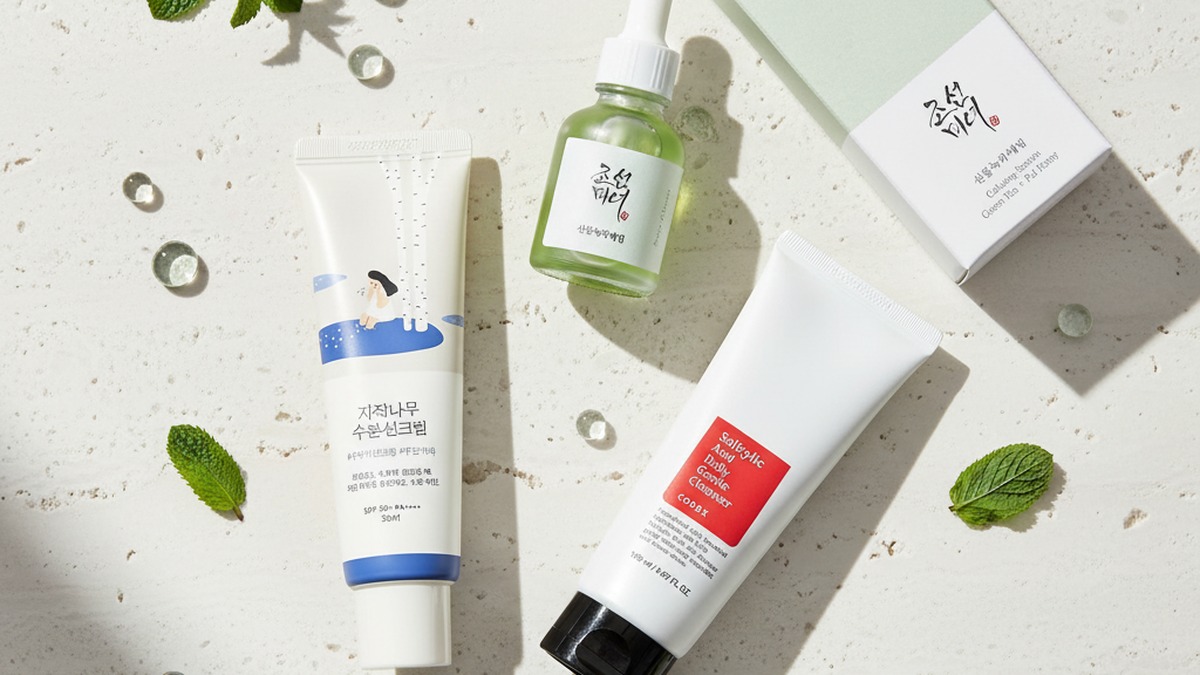
Step 4: Mattifying Sunscreen
Non-negotiable, and there are excellent options for oily skin now. Korean sunscreens with no white cast in particular have mastered the lightweight, matte-finish formula. Look for:
- “Matte finish” or “oil control” on the label
- Gel or fluid textures rather than creams
- Ingredients like silica or niacinamide that absorb oil
Apply generously. The mattifying effect won’t work if you under-apply because you’re worried about greasiness.
Evening
Step 1: Oil Cleanser
This is the step that confuses oily-skinned people the most. “Why would I put oil on my already oily face?”
Here’s why: oil dissolves oil. Your water-based gel cleanser can’t fully remove the sunscreen and sebum that accumulated during the day. An oil cleanser breaks it all down, emulsifies with water, and rinses clean. Your skin isn’t oilier after oil cleansing. It’s cleaner.
Massage into dry skin for 30-60 seconds. Add water to emulsify (it should turn milky). Rinse. Follow with your gel cleanser.
Step 2: Gel Cleanser
Your second cleanse removes whatever the oil cleanser left behind. Same gentle, low-pH gel as the morning.
Step 3: BHA Exfoliant (2-3 Nights per Week)

Salicylic acid (BHA) is oil-soluble, meaning it can penetrate into oily pores and dissolve the sebum and dead skin cells causing congestion. This is the single most effective ingredient for preventing blackheads and keeping pores clear.
Use a leave-on BHA treatment at 1-2% concentration. Apply after cleansing, wait a few minutes, then continue with the rest of your routine.
On non-BHA nights. Skip this step entirely. More is not better with chemical exfoliants. Not sure which exfoliant is right? Read AHA vs BHA vs PHA: which exfoliant to choose.
Step 4: Hydrating Toner
Pat in 2-3 layers of a hydrating toner. This delivers water-based hydration deep into your skin. Well-hydrated skin produces less compensatory oil.
The “7-skin method” (patting in multiple thin layers of toner) was practically designed for oily skin. Each layer adds hydration without heaviness.
Step 5: Treatment Serum (Rotating)
This is where you address secondary concerns:
- Retinol (2-3 nights per week, not on BHA nights): regulates cell turnover, improves texture, reduces pore size over time
- Niacinamide: can be used nightly for oil control and barrier support
- Centella serum: if you’re dealing with acne spot treatments that work
Step 6: Lightweight Moisturizer or Sleeping Mask
A lightweight gel-cream to seal in your evening products. On nights when your skin feels particularly dry or tight (after BHA use, for example), you can use a slightly richer formula or a thin layer of a sleeping mask.
Weekly Extras
Clay Mask (Once a Week)
A gentle clay mask draws out excess oil and impurities from pores. Kaolin clay is gentler than bentonite and works well for regular use. Apply to the T-zone, leave for 10-15 minutes (never until it’s cracking), rinse.
Don’t use clay masks more than once a week. Over-masking strips too much oil and damages the barrier.
Sheet Mask (Once a Week)
A hydrating sheet mask provides a concentrated moisture treatment. This might seem counterintuitive for oily skin, but remember: hydration reduces compensatory oil production. A hyaluronic acid or green tea sheet mask once a week supports balanced skin.
Midday Oil Control
Even with the right routine, oily skin will produce some shine by midday. Here are healthy ways to manage it:
Blotting papers. Press (don’t rub) against oily areas. Removes excess oil without disturbing your sunscreen or makeup.
Setting powder. A light dusting of translucent powder absorbs oil and extends your matte finish. Reapply as needed.
Sunscreen reapplication. If you’re blotting oil, you’re also removing sunscreen. Reapply SPF every 2 hours with a lightweight formula, sunscreen stick, or sun cushion compact.
What not to do. Don’t wash your face midday (disrupts your routine and barrier), don’t layer on more mattifying products (creates a cakey buildup), and don’t use astringent wipes (strips the barrier and triggers more oil).
The Ingredients Cheat Sheet for Oily Skin
Use These
| Ingredient | Purpose |
|---|---|
| Niacinamide | Oil regulation, pore minimizing |
| Salicylic acid (BHA) | Pore clearing, oil dissolving |
| Green tea extract | Antioxidant, oil control |
| Hyaluronic acid | Hydration without oil |
| Centella asiatica | Anti-inflammatory, healing |
| Tea tree oil (diluted) | Antibacterial for acne |
| Zinc | Oil control, anti-inflammatory |
Avoid These
| Ingredient | Why |
|---|---|
| Coconut oil | Highly comedogenic |
| Isopropyl myristate | Pore-clogging |
| Sodium lauryl sulfate | Too stripping |
| Heavy silicones | Trap oil under the surface |
| Alcohol denat (in high amounts) | Strips barrier, triggers more oil |
Common Misconceptions
“Oily skin doesn’t need moisturizer.” Wrong. The most persistent myth in skincare. Oily skin needs hydration (water). What it doesn’t need is heavy, oil-based moisture. Gel moisturizers provide water without excess lipids.
“I should wash my face more often.” Twice a day is sufficient. Over-cleansing damages your moisture barrier and triggers rebound oil production.
“Oily skin means dirty skin.” Oil production is hormonal and genetic. It has nothing to do with hygiene.
“Oily skin doesn’t age.” It ages more slowly, on average, because natural oils provide some protection. But it absolutely still ages, and oily-skinned people still need sunscreen and anti-aging actives.
The Silver Lining
Oily skin has genuine advantages. Natural oil provides a moisture barrier that dry-skinned people envy. Oily skin tends to develop wrinkles and fine lines later in life. And the dewy, healthy glow that other people use highlighter to fake? You’ve got it naturally.
The goal isn’t to eliminate oil. It’s to balance it. A well-hydrated, properly maintained oily skin is genuinely beautiful. Healthy, glowing, and resilient. That’s the goal of this routine, and with consistency, you’ll get there.