Every skincare question has the same answer: it depends on your skin type.
Which moisturizer should I use? Depends on your skin type. How often should I exfoliate? Depends on your skin type. Should I use retinol? Depends on your skin type. It’s the most important variable in skincare, and getting it wrong is the single biggest reason people feel like “nothing works for me.”
This guide is the reference we wish existed when we started. For every skin type, we cover what’s happening underneath the surface, which ingredients to seek out, which to avoid, and how to build a routine that actually works.
How to Identify Your Skin Type
The bare-face test is the most reliable method:
- Wash your face with a gentle cleanser
- Pat dry
- Wait 60 minutes without applying any products
- Examine your skin in natural light
Oily. Your face looks shiny, especially across the forehead, nose, and chin. Pores are visible. Blotting paper picks up oil from most areas.
Dry. Skin feels tight and may appear flaky or rough. No visible oil. May look dull or ashy.
Combination. T-zone (forehead, nose, chin) is oily, but cheeks are normal or dry. This is the most common skin type globally.
Normal. Balanced. Not noticeably oily or dry. Even texture. Minimal concerns.
Sensitive. Not technically a separate type. Sensitivity is a condition that can accompany any skin type. Signs: frequent redness, stinging or burning with products, visible reactivity to temperature changes or new products.
Important note. Your skin type can change. Hormones, climate, age, and medications all affect it. Reassess every 6-12 months and adjust your routine accordingly.
Oily Skin
What’s Happening
Your sebaceous glands are producing excess sebum. This is largely genetic, but hormones, diet, and climate also play roles. The upside? Oily skin tends to age more slowly because the natural oil provides built-in moisture and protection.
Your Ingredient Heroes
- Niacinamide. Regulates sebum production at the source. 2-5% concentration is the sweet spot.
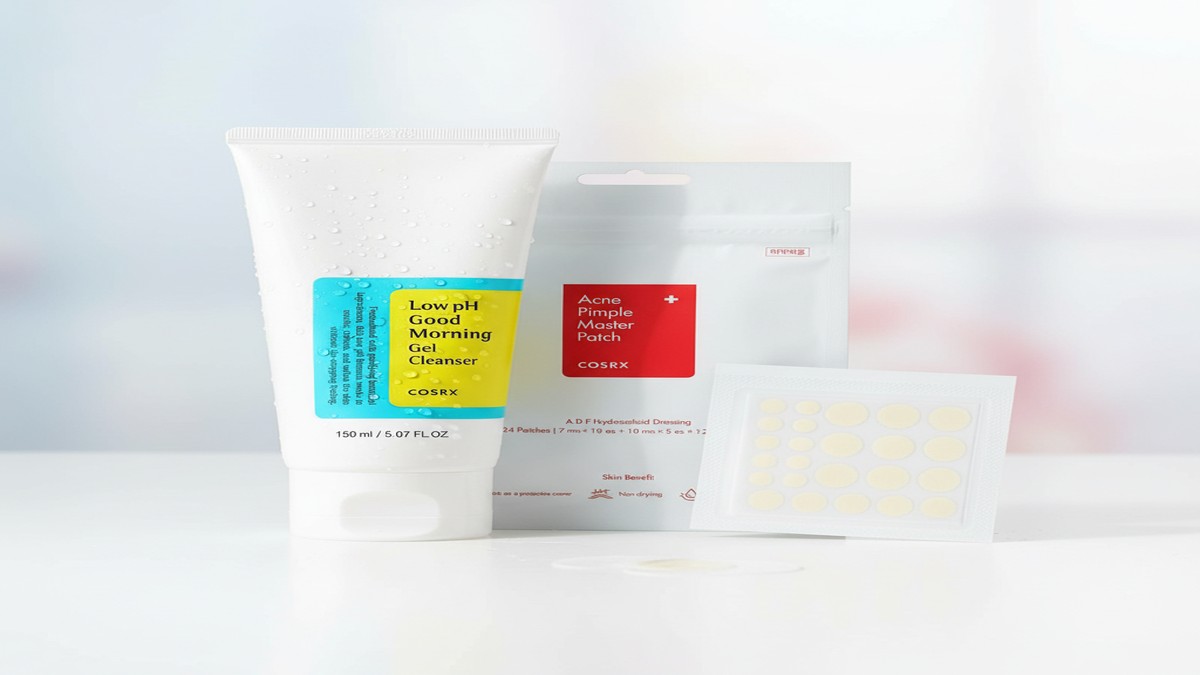
- Salicylic acid (BHA). Oil-soluble, so it penetrates into pores and dissolves the sebum plugs that cause blackheads and breakouts. For targeted solutions, see our guide to acne spot treatments that actually work.
- Green tea extract. Antioxidant with research-backed oil-controlling properties.
- Hyaluronic acid. Yes, even oily skin needs hydration. Dehydrated oily skin produces more oil to compensate.
- Centella asiatica. If oily skin is accompanied by inflammation or acne.
What to Avoid
- Heavy, occlusive moisturizers (thick creams, petroleum-based products)
- Coconut oil on the face (highly comedogenic)
- Alcohol-based products that strip oil (triggers rebound overproduction)
- Over-cleansing (twice a day maximum)
The Oily Skin Routine
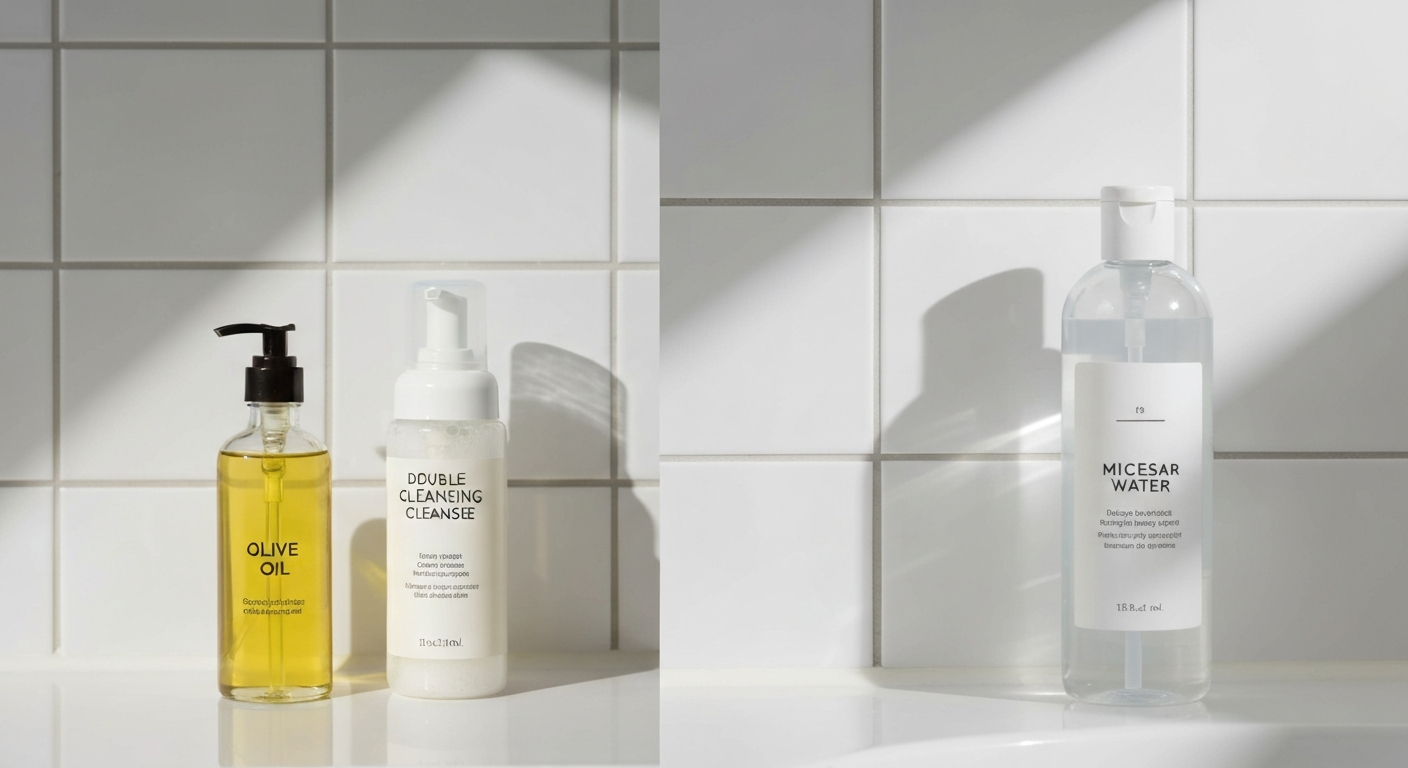
Morning. Gel cleanser, niacinamide serum (try Anua Peach 70% Niacinamide Serum), lightweight gel moisturizer, mattifying sunscreen. Evening. Oil cleanser (yes, oil cleanser for oily skin; it works), gel cleanser, BHA treatment 2-3 nights per week, lightweight moisturizer.
For a detailed approach, read: Oily Skin Routine That Controls Shine
Dry Skin
What’s Happening
Your skin isn’t producing enough natural oil (sebum), and your moisture barrier may be compromised. This means water escapes from your skin more easily (high transepidermal water loss), leaving it tight, flaky, and sometimes itchy.
Your Ingredient Heroes
- Ceramides. The building blocks of your skin barrier. Replenishing ceramides is the most direct way to improve dry skin.
- Squalane. Mimics natural sebum and provides lasting moisture without heaviness.
- Hyaluronic acid. Pulls water into the skin. Apply to damp skin and seal with moisturizer.
- Shea butter. Rich emollient that softens and protects.
- Glycerin. Humectant that attracts water to the skin.
What to Avoid
- Foaming cleansers (the foaming agents can strip natural oils)
- High-concentration AHAs without adequate moisturizer follow-up
- Astringent toners with alcohol
- Matte-finish products that absorb oil you don’t have
The Dry Skin Routine
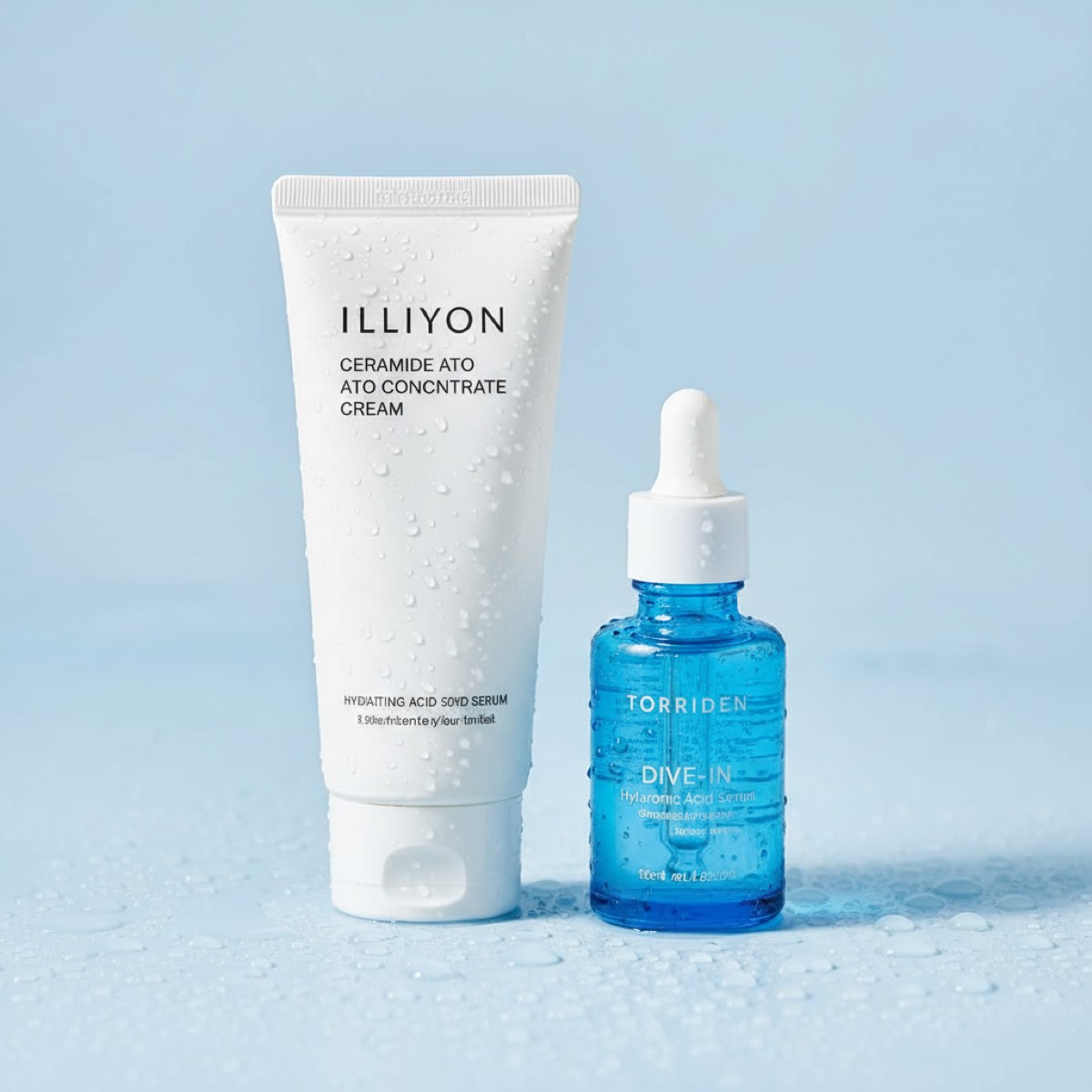
Morning. Cream cleanser (or water rinse), hydrating toner (multiple layers), hyaluronic acid serum on damp skin (Torriden Dive-In Serum is ideal), rich moisturizer with ceramides (ILLIYOON Ceramide Ato Concentrate Cream), hydrating sunscreen. Evening. Oil cleanser, cream cleanser, hydrating toner, treatment serum (retinol alternate nights), rich night cream or sleeping mask.
For a winter-focused approach: Dry Skin SOS: Winter Skincare Guide
Combination Skin
What’s Happening
Different zones of your face have different behaviors. Your T-zone overproduces oil while your cheeks (and sometimes the perimeter of your face) tend toward dryness or normalcy. This is the most common skin type and arguably the trickiest to shop for.
Your Ingredient Heroes
- Niacinamide. Balances oil in the T-zone without drying the cheeks.
- Hyaluronic acid. Hydrates everywhere without adding oil.
- Lightweight squalane. Provides moisture where needed, absorbs without greasiness.
- BHA for T-zone only. Targeted application keeps pores clear without over-exfoliating dry areas.
What to Avoid
- One-size-fits-all heavy moisturizers
- Aggressive all-over exfoliation
- Products designed exclusively for oily or dry skin
The Combination Skin Routine
Morning. Gentle gel cleanser, hydrating toner, niacinamide serum, lightweight lotion moisturizer, balanced sunscreen. Evening. Oil cleanser, gel cleanser, toner, BHA on T-zone only (2-3 nights/week), light emulsion moisturizer (heavier cream on cheeks if needed).
The multi-moisturizer approach. Some combination skin types benefit from using two moisturizers: a lighter one for the T-zone and a richer one for the cheeks. It sounds fussy, but the results are noticeably better than using one product everywhere.
Normal Skin
What’s Happening
Your skin is balanced. Adequate sebum production, intact moisture barrier, minimal sensitivity. You’ve won the genetic lottery, and your job is simply to maintain what you have and protect against future damage.
Your Ingredient Heroes
- Vitamin C. Antioxidant protection and brightening.
- Sunscreen. Your most important product by far.
- Retinol. When you’re ready, retinol maintains and improves already-good skin over time.
- Hyaluronic acid. Maintenance hydration.
What to Avoid
- Over-complicating your routine. Normal skin doesn’t need 10 products.
- Being complacent about sunscreen. Normal skin ages just as fast without UV protection.
The Normal Skin Routine
Morning. Gentle cleanser, vitamin C serum, moisturizer, Beauty of Joseon Relief Sun SPF50+. Evening. Oil cleanser, water cleanser, retinol (when ready, 2-3 nights/week), moisturizer.
The beauty of normal skin is that almost everything works. Your focus should be prevention (sunscreen, antioxidants) and maintenance (gentle, consistent care).
Sensitive Skin
What’s Happening
Your skin barrier is compromised or inherently thinner, allowing irritants to penetrate more easily and moisture to escape. Sensitive skin reacts to ingredients that most people tolerate without issue. Redness, stinging, burning, and itching are common responses.
Sensitivity can be genetic, or it can be caused by over-exfoliation, harsh products, environmental factors, or conditions like rosacea and eczema.
Your Ingredient Heroes
- Centella asiatica (cica). Anti-inflammatory and barrier-repairing.
- Ceramides. Rebuild the compromised barrier.
- Aloe vera. Soothing and anti-inflammatory.
- Oat extract (colloidal oatmeal). Research-backed soothing agent.
- Mugwort. Calming and anti-redness.
What to Avoid
- Fragrance (natural or synthetic)
- Essential oils (lavender, tea tree, citrus)
- High-concentration actives (start at lowest dose and increase slowly)
- Physical scrubs
- Alcohol-heavy products
The Sensitive Skin Routine
Morning. Water rinse or ultra-gentle cleanser, centella toner, barrier-repair moisturizer with ceramides, mineral sunscreen. Evening. Gentle oil cleanser (fragrance-free), gentle water cleanser, centella or mugwort serum, ceramide-rich night cream.
Sensitive skin favorites: Anua Heartleaf 70% Soothing Cream and COSRX Pure Fit Cica Toner for calming redness.
The patch test rule. Every. Single. New. Product. Apply to a small area behind your ear or on your inner wrist for 48 hours before using it on your face. This isn’t optional for sensitive skin.
Universal Rules (All Skin Types)
No matter your skin type, these principles apply:
- Sunscreen every morning. Non-negotiable. The single most impactful skincare product.
- Introduce one new product at a time. Wait two weeks between introductions.
- Listen to your skin. If it stings, burns, or reacts, stop using that product.
- Consistency over intensity. A simple routine done daily beats an elaborate routine done sporadically.
- Hydration is universal. Every skin type, including oily, benefits from proper hydration.
- Your skin type can change. Reassess periodically and adjust.
Dive Deeper
For targeted routines and deeper guidance on specific skin types:
- Oily Skin Routine That Controls Shine
- Dry Skin SOS: Winter Skincare Guide
- How to Build a Skincare Routine From Scratch
- Korean Skincare Routine: The Complete Guide
- Best Korean Toners for Glass Skin
- Best Korean Moisturizers for Sensitive Skin
- Best Korean Sheet Masks by Skin Concern
- K-Beauty Ingredients Decoded
- Skincare Ingredient Compatibility Guide
- Best Korean Beauty Products by Category
Your skin type isn’t a limitation. It’s a starting point. Once you understand what your skin needs, building an effective routine becomes straightforward. The expensive part isn’t the products. It’s the trial and error that comes from not knowing your skin type. Skip that phase by starting here.