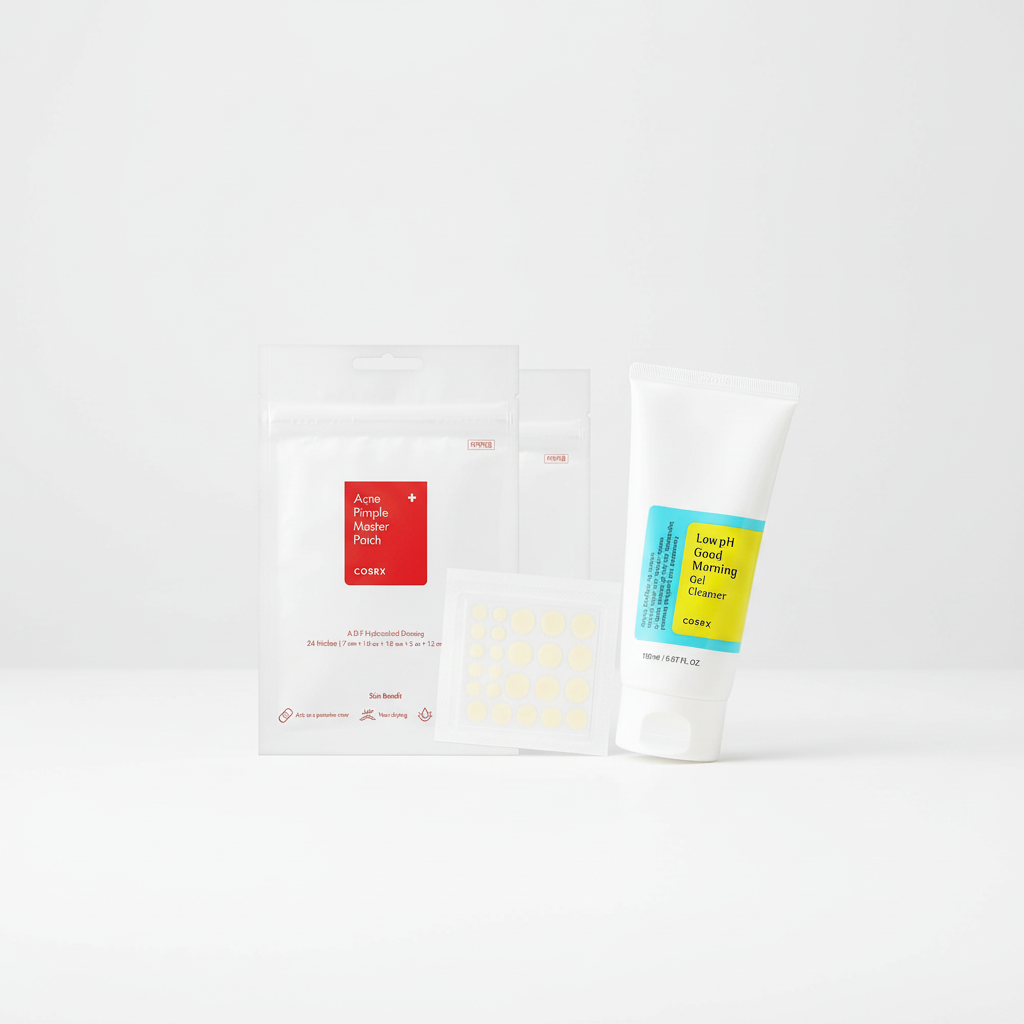
You wake up with a breakout. Maybe it’s a deep, painful cyst on your chin. Maybe it’s a cluster of whiteheads that appeared overnight. Either way, you want it gone, and you want it gone now.
The spot treatment market knows this desperation. It sells you products with aggressive marketing and promises of overnight miracles. Some of them work. Many of them don’t. And a few of them can actually make things worse.
We’ve been testing spot treatments for over three years, logging results with photos and tracking how long each breakout took to resolve. This guide is everything we know about what actually works, what’s a waste of money, and what to do when nothing seems to help.
Understanding Your Breakout
Before you grab a product, identify what you’re dealing with. Different types of acne respond to different treatments, and your skin type also matters.
Whiteheads and Blackheads (Comedonal Acne)
Clogged pores. Whiteheads are closed (the pore is sealed over), blackheads are open (the plug is exposed to air and oxidizes, turning dark). These are surface-level and respond well to chemical exfoliants.
Papules
Small, red, inflamed bumps without a visible white center. These are clogged pores that have become inflamed. Gentle anti-inflammatory treatments work best.
Pustules
The classic “pimple.” Red bump with a white or yellow center filled with pus. These are infected papules. They respond to antibacterial spot treatments.
Nodules and Cysts
Deep, painful bumps under the skin. Nodules are hard; cysts are filled with fluid. These are the most stubborn and painful type of acne. Over-the-counter spot treatments have limited effectiveness here, and aggressive extraction can cause scarring.
The Ingredients That Work
Benzoyl Peroxide
How it works. Kills acne-causing bacteria (Cutibacterium acnes) by flooding the pore with oxygen. Bacteria can’t survive in an oxygen-rich environment. Also mildly exfoliating.
Best for. Inflamed, red, pus-filled breakouts. Active infections.
Concentration. 2.5% is as effective as 10% for most people, with significantly less irritation. A study in the Journal of the American Academy of Dermatology confirmed that 2.5% benzoyl peroxide was equally effective as 5% and 10% formulations. Higher concentrations just cause more dryness and irritation.
How to use. Apply a thin layer to the breakout only, not the surrounding skin. Leave on overnight. Expect dryness.
Warning. Benzoyl peroxide bleaches fabric. Your pillowcases, towels, and shirts are at risk. Use white linens on treatment nights.
Salicylic Acid (BHA)
How it works. Oil-soluble, meaning it can penetrate into clogged pores and dissolve the sebum and dead skin cells causing the blockage. Also anti-inflammatory.
Best for. Blackheads, whiteheads, and mild inflammatory acne. Excellent for prevention.
Concentration. 0.5-2% for spot treatments.
How to use. Apply to the breakout and a small area around it (BHA works preventatively on surrounding pores too). Can be used morning and evening.
Sulfur
How it works. Absorbs excess oil, has antibacterial properties, and gently exfoliates. One of the oldest acne treatments, used for centuries.
Best for. Sensitive skin that can’t tolerate benzoyl peroxide or salicylic acid. Mild to moderate breakouts.
How to use. Sulfur spot treatments (often called “drying lotions”) are typically applied at night. The pink, chalky formula dries out the blemish overnight.
Niacinamide
How it works. Anti-inflammatory, reduces sebum production, and strengthens the skin barrier. Won’t aggressively attack a breakout, but calms inflammation and prevents further issues.
Best for. Inflammatory acne, redness reduction, post-breakout marks. Works well alongside other spot treatments.
How to use. Apply serum to clean skin before or after your primary spot treatment. Safe for morning and evening use.
Tea Tree Oil (Diluted)
How it works. Natural antibacterial and anti-inflammatory. Research supports its effectiveness against acne-causing bacteria at 5% concentration.
Best for. People who prefer natural ingredients. Mild to moderate inflammatory acne.
How to use. Never apply undiluted tea tree oil to your face. Look for products formulated with 5% tea tree oil, or dilute pure tea tree oil in a carrier oil (jojoba works well).
The Pimple Patch Revolution
Hydrocolloid pimple patches deserve their own section because they’ve genuinely changed the spot treatment game.
How They Work
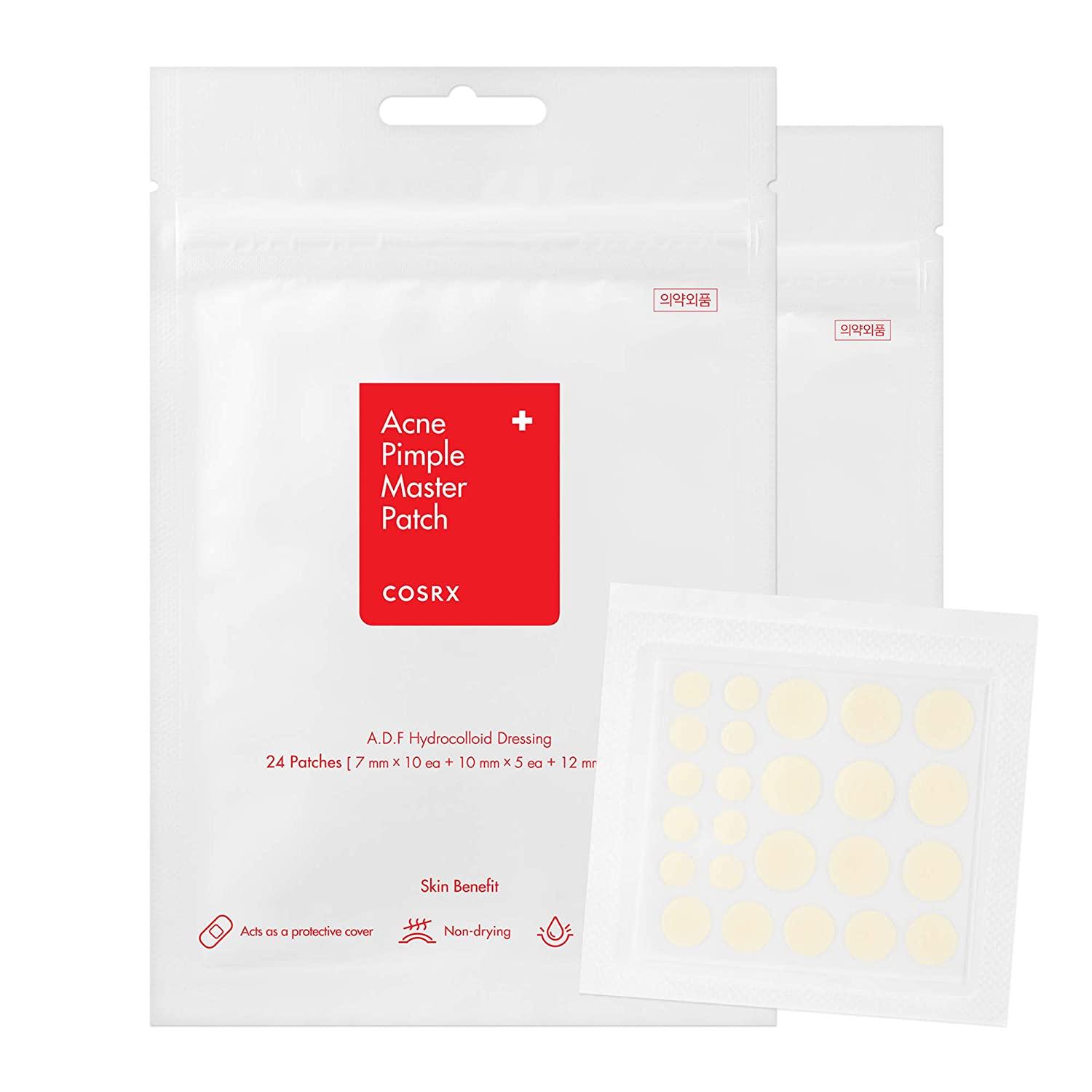
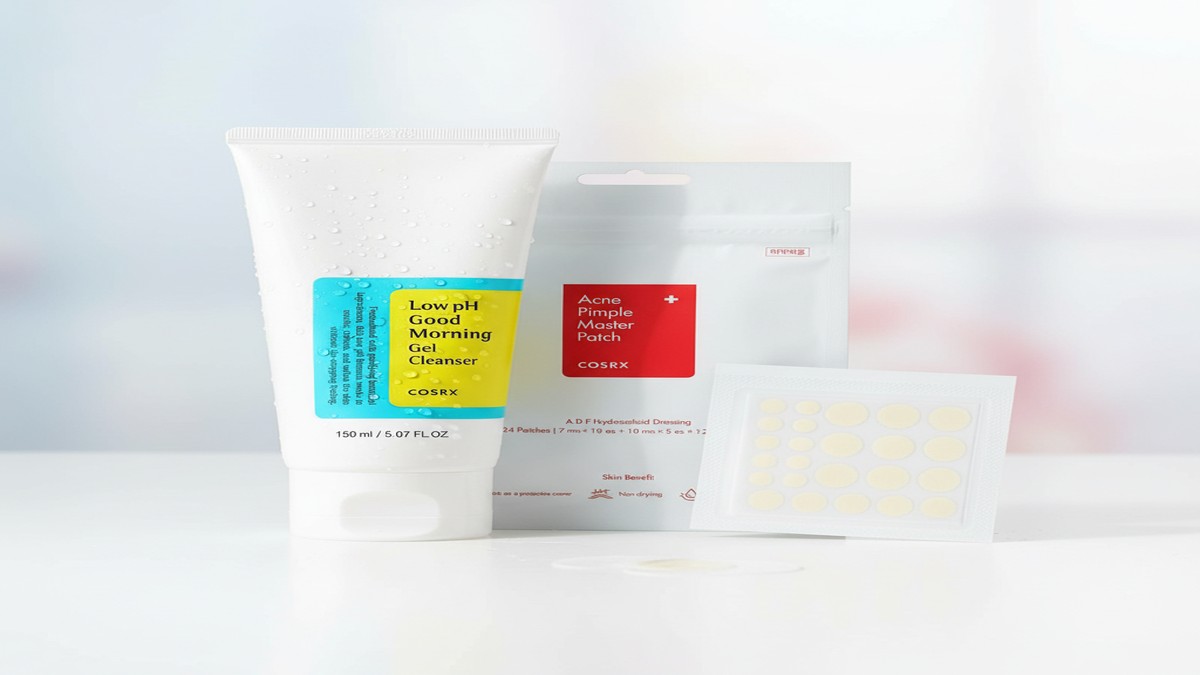
Hydrocolloid is a wound-healing material that absorbs fluid and pus from a blemish while creating a moist healing environment. The patch also physically protects the blemish from bacteria, dirt, and your fingers (which is half the battle).
When to Use Them
Pimple patches work best on:
- Whiteheads that have come to a head
- Popped pimples (they protect the open wound)
- Any blemish you’re tempted to pick at (the patch acts as a physical barrier against your own bad habits)
They’re less effective on:
- Deep cysts and nodules (the fluid is too deep for the patch to reach)
- Closed comedones and blackheads
How to Use Them
- Cleanse the area
- Make sure the skin is completely dry (patches don’t stick to damp or oily skin)
- Apply the patch directly over the blemish
- Leave for 6-8 hours (overnight is ideal)
- Remove in the morning. If the patch has turned white, it absorbed fluid. If it’s still clear, the blemish may not be the right type for patches.
Medicated vs. Plain Patches
Plain hydrocolloid patches absorb fluid and protect. Simple and effective.
Medicated patches contain salicylic acid, tea tree oil, Niacinamide, or other actives that treat the blemish while the patch does its work. These are more effective for active, inflamed breakouts.
Both work. Medicated patches are better for active breakouts. Plain patches are better for already-popped blemishes or wound protection.
Spot Treatment Strategies by Breakout Type
For Whiteheads
- Apply a hydrocolloid patch overnight
- In the morning, follow with a salicylic acid spot treatment
- Repeat for 2-3 days
For Painful Cystic Acne
- Ice the area for 5 minutes (reduces inflammation and pain)
- Apply 2.5% benzoyl peroxide at night
- During the day, use a niacinamide serum over the area to calm redness
- Do not attempt to extract. Cystic acne has no “head” to squeeze. You’ll only push the infection deeper and risk scarring.
- If a cyst persists for more than two weeks, see a dermatologist. A cortisone injection can flatten a cyst within 24 hours.
For Clusters of Small Breakouts
- Salicylic acid treatment over the entire affected area (not just individual spots)
- Follow with niacinamide to reduce inflammation
- Consider whether something in your routine is causing the breakout. New product? Changed laundry detergent? Touching your face?
For Post-Breakout Red Marks
Once the active breakout is gone, you’re often left with a red or dark mark. This is post-inflammatory hyperpigmentation (PIH) or post-inflammatory erythema (PIE). These are not scars; they fade. For a comprehensive strategy, read our guide on how to fade dark spots with K-Beauty.
Speed up fading with:
- Niacinamide (reduces melanin transfer)
- Vitamin C (inhibits melanin production)
- Sunscreen (UV exposure darkens PIH significantly)
- AHA exfoliation 2-3 times per week (speeds cell turnover)
What Doesn’t Work (Despite the Marketing)
Toothpaste. An old home remedy that needs to die. Toothpaste contains ingredients like menthol, fluoride, and sodium lauryl sulfate that dry out the skin and can cause chemical burns. The drying effect might shrink a pimple, but the irritation and potential scarring aren’t worth it.
Crushed aspirin paste. Aspirin contains salicylic acid, which is why this hack persists. But crushed aspirin is not formulated for skin, the pH is wrong, and you risk irritation. Buy an actual salicylic acid product.
Lemon juice. Highly acidic, photosensitizing, and can cause chemical burns. Please don’t put lemon juice on your face.
Rubbing alcohol. Strips your skin barrier, causes rebound oil production, and doesn’t treat the underlying cause of the breakout. If you have oily skin, a proper oily skin routine is more effective than stripping products. It dries the surface while making the problem worse underneath.
Over-treating. Applying benzoyl peroxide, salicylic acid, tea tree oil, and a sulfur mask all at once will not clear your acne four times faster. It will destroy your moisture barrier, cause intense irritation, and potentially trigger more breakouts from the stress on your skin. Pick one or two treatments and be patient.
When to See a Dermatologist
Spot treatments are effective for occasional breakouts. But some situations require professional help:
- Cystic acne that recurs regularly
- Breakouts that don’t respond to over-the-counter treatments after 6-8 weeks
- Acne that’s leaving scars
- Acne that appeared suddenly in adulthood (could indicate hormonal changes)
- Breakouts accompanied by other symptoms (hair loss, irregular periods, etc.)
A dermatologist can prescribe treatments (tretinoin, antibiotics, spironolactone, isotretinoin) that over-the-counter products simply can’t match for severe acne. If breakouts coincide with digestive issues, the gut-skin connection may also be worth exploring.
The Bottom Line
The best spot treatment is the one that matches your breakout type. Benzoyl peroxide for infected, inflamed pimples. Salicylic acid for clogged pores. Pimple patches for whiteheads and the ones you’re tempted to pick at. And patience, always, because even the best treatment takes 2-5 days to fully resolve a breakout.
Stop looking for the product that clears acne overnight. It doesn’t exist. Start looking for the products that clear your specific type of acne reliably and without damaging your skin in the process. That’s a much better goal.
Frequently Asked Questions
What is the best spot treatment for acne?
The best spot treatment depends on your acne type. For inflamed, red pimples, benzoyl peroxide (2.5-5%) is the most effective option backed by decades of research. For clogged pores and blackheads, salicylic acid (0.5-2%) works better. For whiteheads you’re tempted to pick at, hydrocolloid pimple patches protect the area and absorb fluid overnight.
How long does a spot treatment take to work?
Most spot treatments take 2-5 days to fully resolve a breakout. Hydrocolloid patches can flatten a whitehead overnight. Benzoyl peroxide typically shows visible improvement within 24-48 hours. Salicylic acid works more gradually over 3-5 days as it unclogs the pore from within.
Can I use multiple spot treatments at the same time?
Using multiple strong actives (benzoyl peroxide, salicylic acid, and tea tree oil) simultaneously will damage your moisture barrier and likely make breakouts worse. Stick to one or two treatments at most. If using benzoyl peroxide, pair it with a hydrating moisturizer rather than another active.
Should I pop a pimple before applying spot treatment?
Never pop a pimple. Squeezing pushes bacteria deeper into the skin, increases inflammation, and significantly raises the risk of scarring. Instead, apply a hydrocolloid patch to draw out the contents safely, or use benzoyl peroxide to kill the bacteria causing the inflammation.
If you’re a teenager starting to deal with breakouts, our teenage acne K-beauty routine covers a 4-product gentle-first approach that works with sensitive young skin rather than against it.