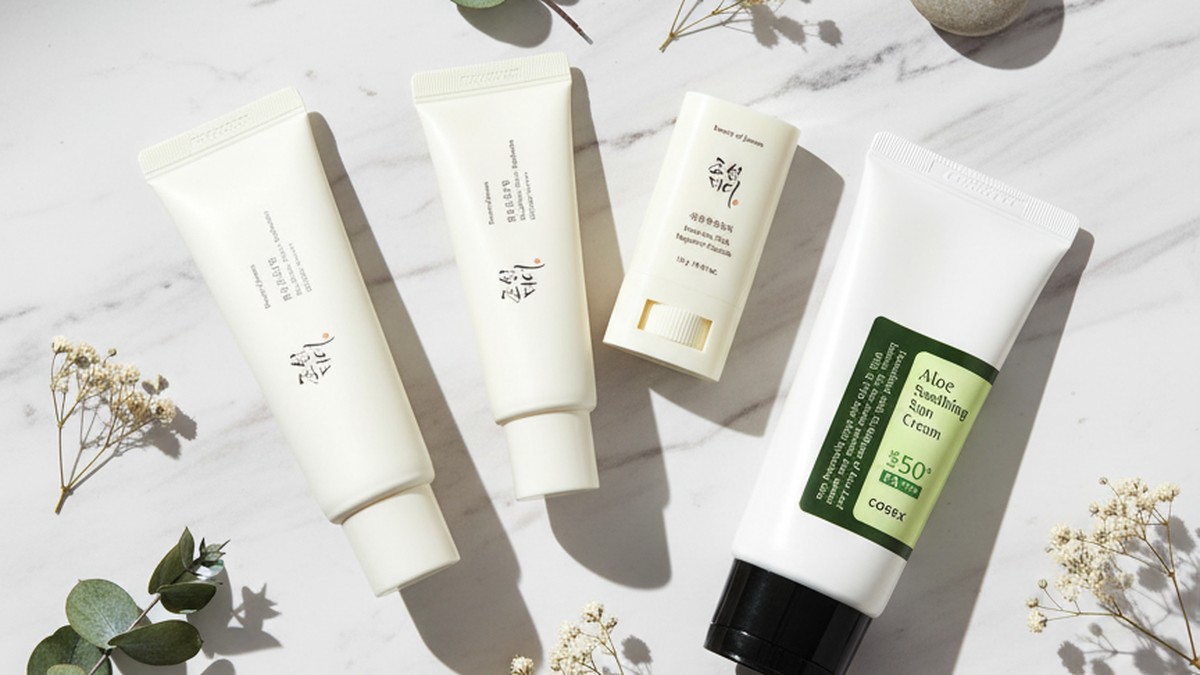
When you have acne-prone skin, sunscreen feels like a trap. Skip it and every dark spot from your last breakout stays for months. Wear the wrong one and you wake up with a fresh crop of tiny bumps across your forehead. For years, this was the argument I used to justify skipping SPF entirely — and it cost me the smooth, even skin I was trying to protect in the first place.
The good news: Korean formulators have been specifically solving this problem. The sunscreens on this list are non-comedogenic, fragrance-free or low-fragrance, and built around ingredients that actively calm rather than inflame reactive skin. They are also lightweight enough that they layer over acne spot treatments without pilling or sealing in heat.
For the broader oily-skin picks (including several that overlap with this list), see our full best Korean sunscreens for oily skin guide. This piece zooms in on what changes when pores are clogged and active breakouts are in the picture.
What to Look For in a Sunscreen When You Break Out
Not all “lightweight” sunscreens are acne-safe. Here is what actually matters:
Non-comedogenic base. Look for water, glycerin, or butylene glycol as the first ingredient rather than heavy oils or silicones. Coconut oil, cocoa butter, isopropyl myristate, and certain esters show up in otherwise “clean” sunscreens and can clog oily pores within days.
Fragrance-free or minimal fragrance. Active breakouts mean compromised skin barrier. Essential oils and synthetic fragrance compounds are some of the most common triggers for further inflammation.
Soothing actives built in. Centella asiatica (cica), madecassoside, panthenol, and beta-glucan help reduce redness and support healing while you wear SPF. These are very common in Korean formulas and rare in Western ones.
Fungal-acne safe (for small closed bumps). If your “acne” is actually malassezia — tiny uniform closed bumps on the forehead and chest — avoid fatty acids, esters, and most oils. The list below flags which options are safe.
Alcohol-free if possible. Denatured alcohol (alcohol denat.) can feel cooling on oily skin but dries out active breakouts and can worsen barrier damage over weeks of use.
7 Korean Sunscreens That Won’t Break You Out
1. Beauty of Joseon Relief Sun: Rice + Probiotics SPF 50+ PA++++
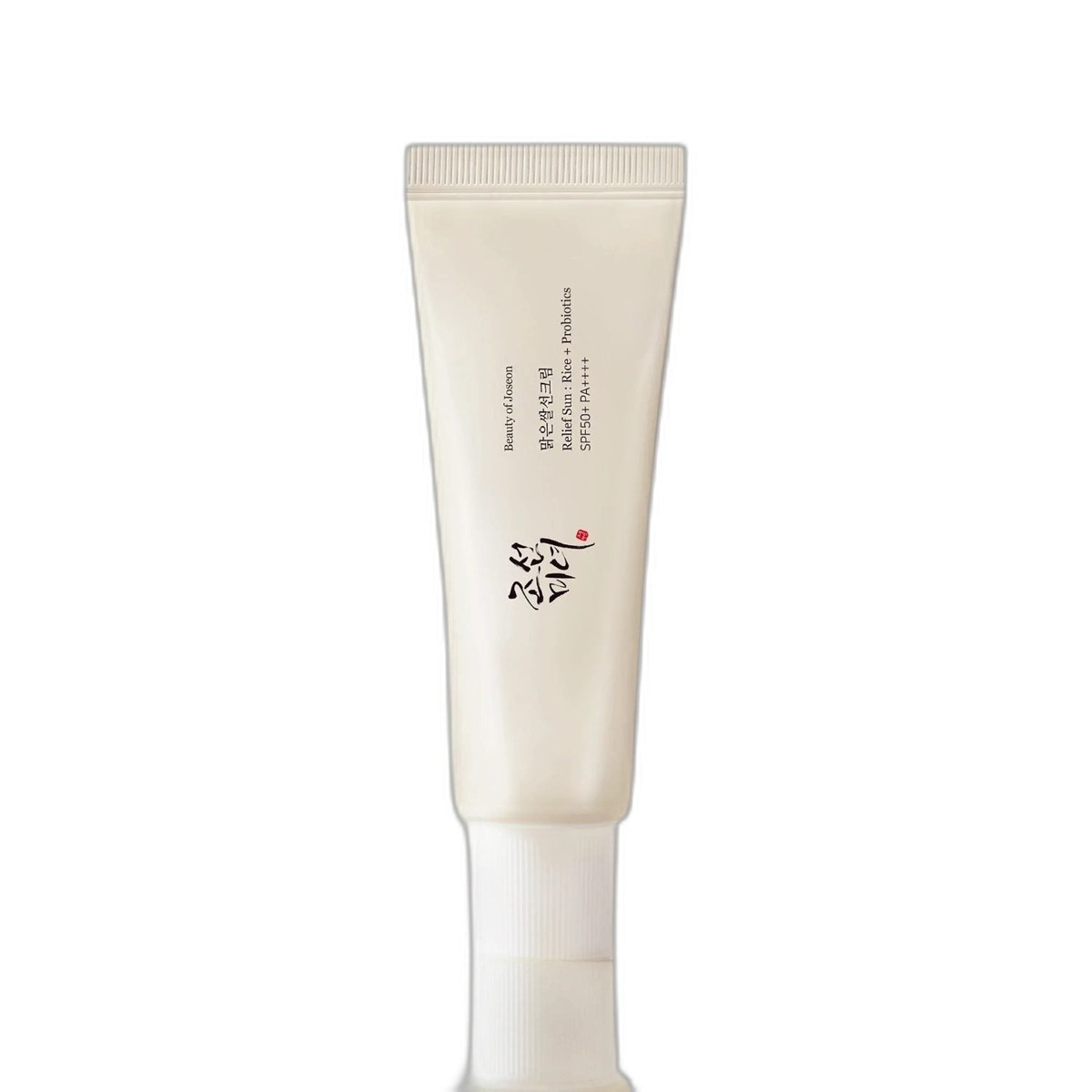
Why it works for acne. Water-based, no high-comedogenic esters, and the probiotic complex supports the skin microbiome rather than disrupting it. I tested this during a two-month stretch of hormonal breakouts and did not get a single new pore clog. Fungal-acne safe? Mostly. Contains a small amount of glyceryl stearate, which is generally tolerated but may not suit the most sensitive fungal-acne cases. Finish. Natural, slightly glowy. Layers under makeup without pilling.
At roughly $15 for 50ml, this is the best entry point into acne-safe K-beauty SPF. It is also the top pick in our oily-skin guide for a reason.
2. Purito Daily Go-To Sunscreen SPF 50+ PA++++
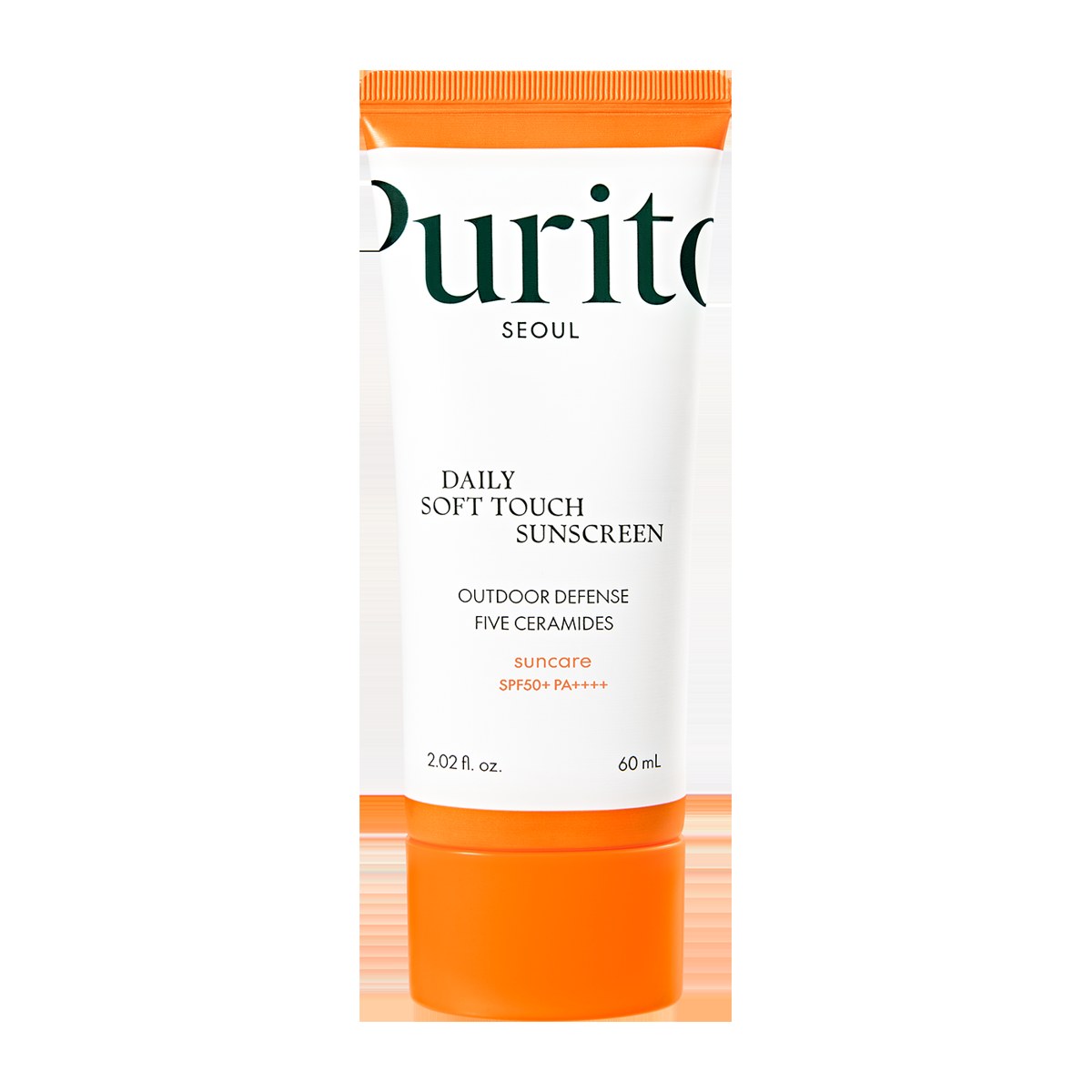
Why it works for acne. Centella asiatica and panthenol are the calming stars here. The texture is silky and primer-like, and I did not experience any of the stinging that cheaper Western sunscreens cause on my active breakouts. Fungal-acne safe? Yes — one of the few on this list that passes a strict fungal-acne check. Finish. Soft matte. Blurs texture and post-acne redness noticeably.
Purito reformulated their sunscreen line to resolve older issues, and the current version is one of the cleanest options for reactive skin.
3. COSRX Aloe Soothing Sun Cream SPF 50+ PA+++
Why it works for acne. COSRX built this around aloe vera leaf extract as the first ingredient. It feels more like a gel-cream than a traditional sunscreen, cools on application, and doesn’t sting. Fungal-acne safe? Contains some tocopherol but no major triggers. Most people with mild fungal acne tolerate it. Finish. Slightly dewy, which can be welcome if your acne treatments are drying out the rest of your face.
A great pick if your acne tends to come with a lot of redness and your skin needs calming more than mattifying.
4. Anua Heartleaf 77% Soothing Sun Cream SPF 50+ PA++++
Why it works for acne. Heartleaf (houttuynia cordata) is used in traditional Korean medicine for inflammation, and Anua has built their entire acne-focused line around it. This sunscreen pairs the 77% heartleaf extract with panthenol and allantoin for a genuinely anti-inflammatory feel. Fungal-acne safe? Yes. Finish. Semi-matte, comfortable for long wear.
This is the one I reach for during active flare-ups, when my forehead is hot and reactive. The calming effect within minutes is noticeable.
5. Round Lab Birch Juice Moisturizing Sunscreen SPF 50+ PA++++
Why it works for acne. Birch tree sap replaces water as the main ingredient, which sounds gimmicky but delivers real hydration without any comedogenic oils. No essential oils, no high-fatty-acid esters. Fungal-acne safe? Very close. Contains niacinamide, which is a bonus for post-acne marks. Finish. Natural, slightly hydrating.
Round Lab has a reputation for formulating for sensitive and reactive skin, and this sunscreen lives up to it. It pairs particularly well with retinol or acid routines — see our retinol beginner guide if you are layering actives.
6. SKIN1004 Madagascar Centella Air-Fit Sunscreen SPF 50+ PA++++
Why it works for acne. Madecassoside and asiaticoside from cica are the lead actives. SKIN1004 sources their centella from Madagascar and the concentration here is high enough to notice a calming effect on active breakouts. Fungal-acne safe? Contains a few fatty acids; tolerated by most but not the cleanest option for strict fungal-acne protocols. Finish. Light, breathable, nearly weightless.
This is the cica sunscreen to beat, and pairs beautifully with cica creams underneath.
7. Isntree Hyaluronic Acid Watery Sun Gel SPF 50+ PA++++
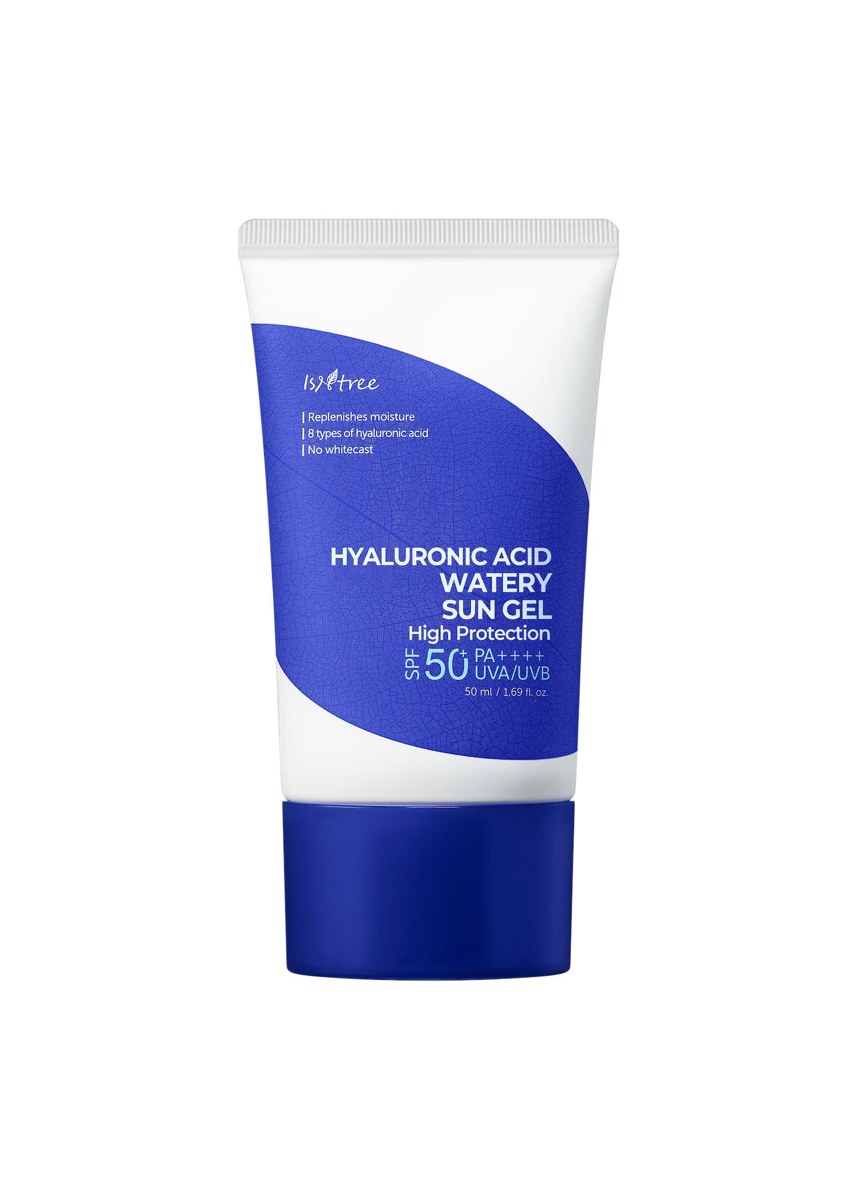
Why it works for acne. A water-gel texture that disappears on contact. Contains five types of hyaluronic acid for hydration without the heavy feel that causes breakouts on oily acne-prone skin. Fungal-acne safe? Mostly. Very few potential triggers. Finish. Matte within minutes. Excellent under makeup.
If your acne is the combo of “oily T-zone, dehydrated cheeks, forehead breakouts that won’t quit,” this is the one to try.
The Routine Mistakes That Cause Sunscreen Breakouts
Even a perfectly formulated sunscreen can cause breakouts if it is applied on top of the wrong routine. A few fixes that changed my skin:
- Strip your daytime routine. Cleanser, hydrating toner, one serum, sunscreen. That’s it. Pile on a heavy essence, an oil, a moisturizer, and then SPF and you have five layers of occlusive ingredients sitting on active breakouts.
- Double cleanse at night. If you wear sunscreen daily, you need to remove it thoroughly. An oil cleanser followed by a gentle gel cleanser removes SPF residue that can otherwise settle into pores overnight.
- Don’t reapply over dirty, oily skin. Midday reapplication with a stick or cushion is great, but blot oil first. Layering fresh sunscreen onto an oil slick is a recipe for clogged pores.
- Skip the makeup primer. Almost every Korean sunscreen on this list works as a makeup base. A separate primer layer just adds more ingredients to react to.
Our Acne-Prone Top Pick
Start with Beauty of Joseon Relief Sun. It is the most tolerable formula for the widest range of acne-prone skin types, the price is low enough to use generously (under-application is the main reason sunscreen fails), and it layers effortlessly with acne treatments. If you have strict fungal-acne concerns, swap in Purito Daily Go-To or Anua Heartleaf instead.
The bigger lesson, after years of avoiding sunscreen out of fear of breakouts: the right Korean sunscreen doesn’t just coexist with acne treatment — it actively helps. UV exposure worsens hyperpigmentation and slows post-acne healing. Protecting your skin during this recovery window is how you keep scars from becoming permanent.
Related Reading
- Missha Time Revolution vs SK-II Pitera: $30 vs $200 — Is the Dupe Real?
- Mixsoon vs Beauty of Joseon: The Minimalist K-Beauty Battle
- Tocobo Cotton Sunstick vs Round Lab 1025: Best Korean Sun Stick?
Frequently Asked Questions
Can sunscreen actually cause acne?
Yes, but only specific formulas. Sunscreens that are heavily silicone-based, fragranced, or contain comedogenic oils and esters can clog acne-prone pores within days. Water-based, fragrance-free Korean sunscreens formulated for sensitive skin rarely cause breakouts when paired with proper nightly cleansing.
What is the best Korean sunscreen for acne-prone skin?
The Beauty of Joseon Relief Sun SPF 50+ PA++++ is the best overall pick — water-based, non-comedogenic, affordable enough to apply generously, and calming thanks to its probiotic complex. For strict fungal-acne protocols, the Purito Daily Go-To and Anua Heartleaf Sun Cream are cleaner alternatives.
Is Korean sunscreen fungal-acne safe?
Some are, some are not. Look for water-based formulas without fatty alcohols, esters, or oils. Purito Daily Go-To, Anua Heartleaf 77% Sun Cream, and Round Lab Birch Juice are among the safest options on this list.
Should I use SPF when I have active breakouts?
Absolutely. UV exposure darkens post-inflammatory hyperpigmentation and slows the healing of active breakouts, which is exactly what leaves long-lasting marks after acne clears. A calming, non-comedogenic sunscreen is part of the acne recovery process, not a separate concern.
Does mineral sunscreen work better for acne?
Mineral sunscreens (zinc oxide, titanium dioxide) are often heavier and leave more white cast, but they rarely sting active acne. Korean chemical sunscreens with modern UV filters like Tinosorb are generally lighter and less likely to clog pores, which is why the picks above are chemical-based.
How much sunscreen should I apply on acne-prone skin?
The two-finger rule: a line along your index and middle finger covers face and neck. Under-applying sunscreen is the most common mistake, and on acne-prone skin it means both insufficient UV protection and inconsistent texture that can trap oil.
For a head-to-head between two of the most-searched Korean chemical sunscreens, see Beauty of Joseon Relief Sun vs. SKIN1004 Centella Sun — both are acne-friendly, but they differ on finish and actives.
If mask-wearing is triggering your breakouts, the sunscreen step in a maskne routine needs extra care — choose a lightweight, non-comedogenic formula and keep masks clean. Our maskne Korean skincare routine covers the full 5-step protocol including sunscreen choice for mask-wearers.