This post contains affiliate links; we may earn a commission at no cost to you.
“Skin flooding” is all over X right now, and plenty of people have pointed out that it sounds a lot like an older K-beauty habit. One post calls it the 7 skin method with a new name, and another makes the same point. They overlap, but the steps are different. This guide explains both, what the evidence says, and who should keep it simple.
We used the American Academy of Dermatology’s page on skin flooding, the brands’ ingredient lists and Mirai’s prices. We did not use or test any of the products here.
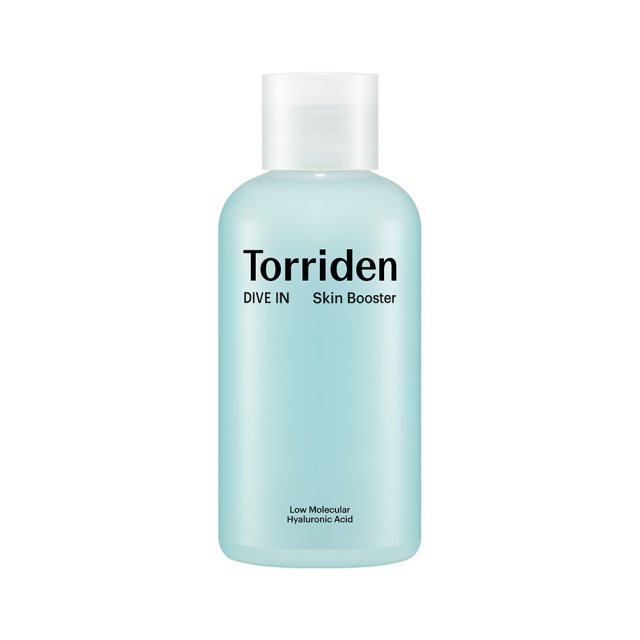
Product photo: Mirai Skin listing for Torriden DIVE-IN Low Molecule Hyaluronic Acid Skin Booster.
The two methods side by side
| Skin flooding | 7 skin method | |
|---|---|---|
| The idea | Several different hydrating products, layered fast on damp skin | Thin layers of one watery toner, patted in one after another |
| Typical products | Mist or toner, hyaluronic acid serum or essence, then a moisturizer or occlusive | One hydrating toner |
| Number of steps | Several different products | Up to seven layers of the same product; our guide suggests starting with three |
| Skin at the start | Damp | Damp or freshly toned |
| Finish | A cream or occlusive to seal | Usually a moisturizer afterwards |
| Where it comes from | Social media, per the AAD | A Korean routine habit |
| Main watch-out | Heavy or occlusive layers on acne-prone skin, and stacking fragranced products | Sticky skin if you keep going past the point it absorbs |
What skin flooding is
The AAD describes skin flooding as the “rapid layering of multiple hydrating products, or repeated layers of the same product, onto damp skin to achieve a ‘glass skin’ appearance.” It lists the products people commonly layer as “HA serums, essences, toners, mists, occlusives, barrier creams.”
A typical order goes from thinnest to thickest:
- Cleanse and leave the skin damp.
- Mist or pat on a watery toner.
- Apply a hyaluronic acid serum or essence while the skin is still damp.
- Seal with a moisturizer.
Hyaluronic acid and glycerin are humectants, which means they hold on to water. The moisturizer at the end slows that water from escaping. Our guides to hyaluronic acid and hyaluronic acid vs glycerin explain how those ingredients work.
What the 7 skin method is
The 7 skin method uses one product. You pat a thin layer of a watery toner into the skin, let it absorb, and repeat. Seven is the name, not a rule. Our 7 skin method guide suggests starting with three layers and stopping when skin feels plump. If you’re unsure what counts as a toner rather than an essence, read toner vs essence.
The AAD’s definition of skin flooding includes “repeated layers of the same product,” so it treats the 7 skin method as one form of flooding. The practical difference is that flooding mixes product types and ends with a seal.
What the AAD says about the evidence
The AAD says the trend “remains largely social media-driven, with limited clinical evidence evaluating its efficacy or safety.” It raises three concerns:
- Heavy layering, especially of occlusive or pore-clogging products, “may worsen acne.”
- Combining several fragranced or sensitizing products raises the chance of a reaction.
- “Excessive occlusion can reduce stratum corneum barrier efficiency.” The stratum corneum is the outer layer of skin.
Its advice to dermatologists counselling patients is that “more products do not necessarily improve outcomes.” That fits with both methods: a few well-chosen layers, not as many as possible. Neither method guarantees “glass skin.” Our glass skin guide covers what that look is and isn’t.
Two hydrators that suit either method
Both are watery formulas from Mirai. Neither lists fragrance.
Pyunkang Yul Mist Toner. The ingredient list has five ingredients: coptis japonica root extract, 1,2-hexanediol, butylene glycol, glycerin and sodium hyaluronate. A short list like this is easy to check against ingredients you already know you react to. It comes as a 100 ml mist, so it works as the first damp layer.
Torriden DIVE-IN Low Molecule Hyaluronic Acid Skin Booster. Torriden sells this 200 ml toner as the DIVE IN Skin Booster and says it contains “5D Hyaluronic Acid,” five sizes of hyaluronic acid. The ingredient list shows sodium hyaluronate, hydrolyzed hyaluronic acid, sodium acetylated hyaluronate, sodium hyaluronate crosspolymer and hydrolyzed sodium hyaluronate, plus panthenol, allantoin and ceramide NP. Torriden’s own tip is to layer it two to three times for more moisture, which is the 7 skin method in a sentence. The list does include witch hazel leaf extract and chamomile flower extract, so check those if your skin is reactive. Mirai sells it as the “Low Molecule Hyaluronic Acid Skin Booster” in the same 200 ml size.
Both are also 20% off with Subscribe & Save on Mirai.
For the seal, use a moisturizer you already tolerate. Our lists of ceramide creams for barrier repair and Korean moisturizers for sensitive skin are good places to start.
Who each method suits
Skin flooding may suit you if:
- Your skin feels tight or dry, and one toner isn’t enough.
- You already use a hydrating serum and want a clear order for it.
- You like to finish with a cream, especially in cold or dry weather.
The 7 skin method may suit you if:
- You want the simplest version, with one product and nothing to combine.
- You’re acne-prone or sensitive and want fewer products touching your skin.
- You want a light finish under sunscreen in the morning.
Keep it minimal if you break out easily. The AAD’s caution about heavy, occlusive layers applies most to you. Try two or three watery layers and a light moisturizer, and see how your skin responds over a couple of weeks. In the morning, finish with sunscreen. See Korean sunscreens for acne-prone skin.
How to try it without overdoing it
- Add one new product at a time, so you know what caused any reaction.
- Pat each layer in and wait until it’s absorbed before the next.
- Stop when skin feels comfortable. If it turns sticky or tacky, you’ve used too much.
- Check each product for fragrance and essential oils before stacking them.
- Serums go between the toner and the cream. Our guide to layering serums covers the order.
Not sure what your skin needs? The Glow Coded skin quiz builds a routine from your skin type and concerns, and the ingredient checker flags clashes between products.
Evenings are when most people have time for extra layers. Rooted Glow’s K-beauty night routine puts it in the context of winding down for sleep.
Frequently asked questions
What is skin flooding?
It’s layering several hydrating products, or repeated layers of one product, on damp skin, then sealing them with a moisturizer. The AAD describes it as a social-media trend aimed at a “glass skin” look.
Is skin flooding the same as the 7 skin method?
They overlap. The 7 skin method repeats one toner up to seven times. Skin flooding usually mixes product types, such as a mist, a hyaluronic acid serum and a cream. The AAD’s definition covers both.
Does skin flooding work?
The AAD says there is limited clinical evidence on whether it works or is safe, and that more products don’t necessarily improve outcomes. A humectant layer under a moisturizer is ordinary skincare. The evidence gap is about stacking many layers.
Can skin flooding cause breakouts?
It can for some people. The AAD says heavy layering, especially of occlusive or pore-clogging products, may worsen acne. If you’re acne-prone, use fewer and lighter layers.
Should skin be wet for skin flooding?
Damp, not dripping. Both methods start on skin that is still slightly damp from cleansing or a mist, then layer watery products before a moisturizer.
How many layers should I use?
There’s no set number. Our 7 skin method guide suggests starting with three. Stop when your skin feels comfortable, and cut back if it feels sticky or you start breaking out.
Sources
- American Academy of Dermatology, “Skin flooding”: https://www.aad.org/member/clinical-quality/clinical-care/emerging-diseases/viral-trends/skin-flooding
- Pyunkang Yul Mist Toner ingredient list, INCIDecoder: https://incidecoder.com/products/pyunkang-yul-mist-toner
- Torriden, DIVE IN Skin Booster product page and ingredient list: https://torriden.us/products/dive-in-skin-booster
- Product details and prices: the Mirai Skin listings linked above, checked 12 November 2026.