Navigating the world of skincare can sometimes feel like deciphering a secret language, especially when terms like “toner” and “essence” are thrown around, often interchangeably, causing confusion. At Glow Coded, we believe in empowering you with clear, expert knowledge so you can build a routine that truly works for your unique skin. Today, we’re diving deep into two fundamental steps that often get muddled: toner and essence. While both are liquid-based products applied early in your routine, their origins, purposes, and formulations are distinctly different. Understanding these nuances is key to unlocking a more effective and radiant complexion. Let’s demystify these skincare staples and discover if one, both, or neither belongs in your daily ritual.
What is a Toner?
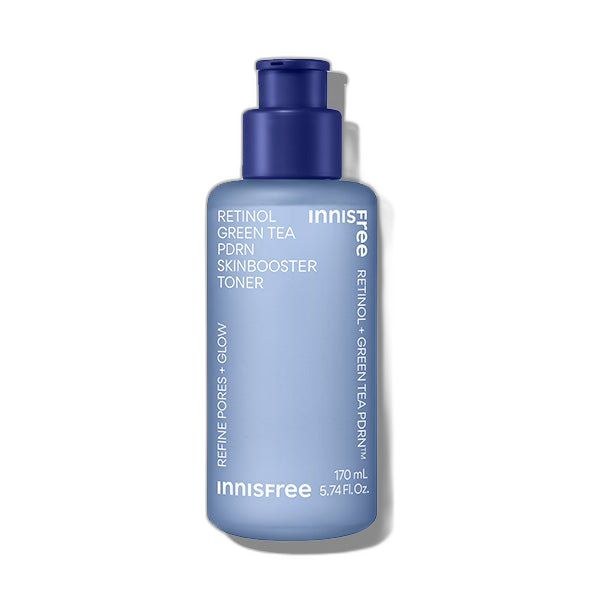
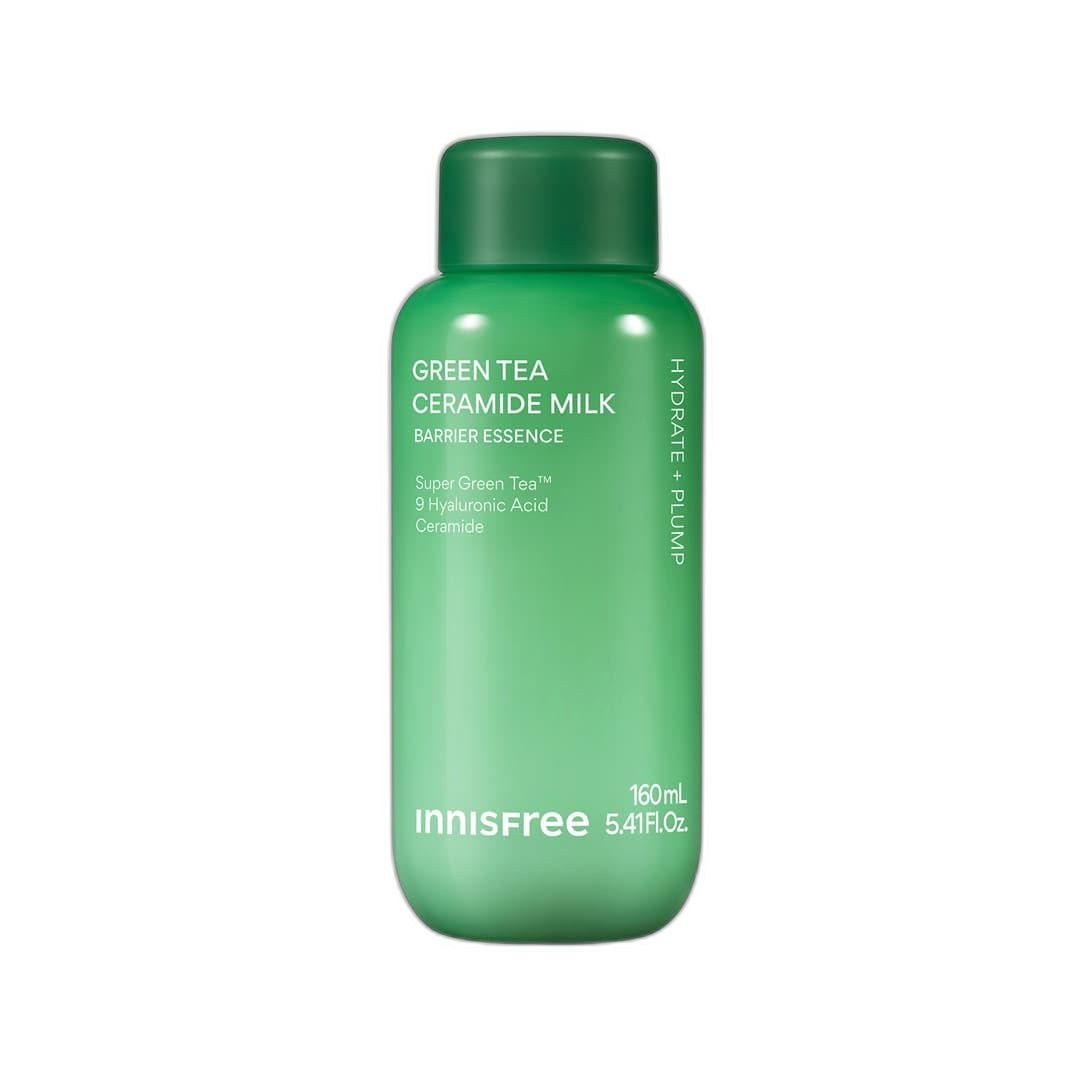
Historically, toners were known as astringents, harsh alcohol-based liquids designed to strip away oil, tighten pores, and remove any remaining soap residue after cleansing. Think of those tingling, drying formulas from decades past – they often left skin feeling “squeaky clean” but also tight, irritated, and stripped of its natural moisture. Thankfully, modern toners have undergone a radical transformation.
Today’s toners are far more sophisticated, gentler, and purposeful. They fall into several categories, but their overarching goal is to prepare your skin for the subsequent steps in your routine. After cleansing, your skin’s pH can become slightly unbalanced, especially if you’ve used a cleanser that’s not pH-neutral. A well-formulated toner helps to rebalance this pH, bringing your skin back to its optimal slightly acidic state (around 5.5). This rebalancing act is crucial because it allows your skin to better absorb the serums, essences, and moisturizers you’ll apply next.
Modern toners are typically watery in consistency, sometimes with a slight slip or viscosity depending on their ingredients. They are packed with beneficial components tailored to specific skin concerns:
- Hydrating Toners: These are perhaps the most common and beloved type today. They feature humectants like hyaluronic acid, glycerin, and urea, which draw moisture into the skin, providing an initial layer of hydration. They soothe, soften, and plump the skin, making it more receptive to further hydration.
- Exfoliating Toners: Containing mild acids such as AHAs (glycolic acid, lactic acid) or BHAs (salicylic acid), these toners gently dissolve dead skin cells, refine pores, improve texture, and promote a brighter complexion. They are excellent for those dealing with dullness, congestion, or uneven skin tone.
- Soothing/Calming Toners: Formulated with anti-inflammatory ingredients like centella asiatica, chamomile, green tea extract, or oat extract, these toners are designed to reduce redness, irritation, and sensitivity, making them ideal for reactive or compromised skin. The Anua Heartleaf 77% Soothing Toner is a well-known example — 77% heartleaf extract with a watery texture that calms without any heaviness.
- Balancing/Purifying Toners: Often containing ingredients like witch hazel (alcohol-free versions are preferred), niacinamide, or tea tree oil, these toners help control excess oil, minimize the appearance of pores, and prevent breakouts without over-drying.
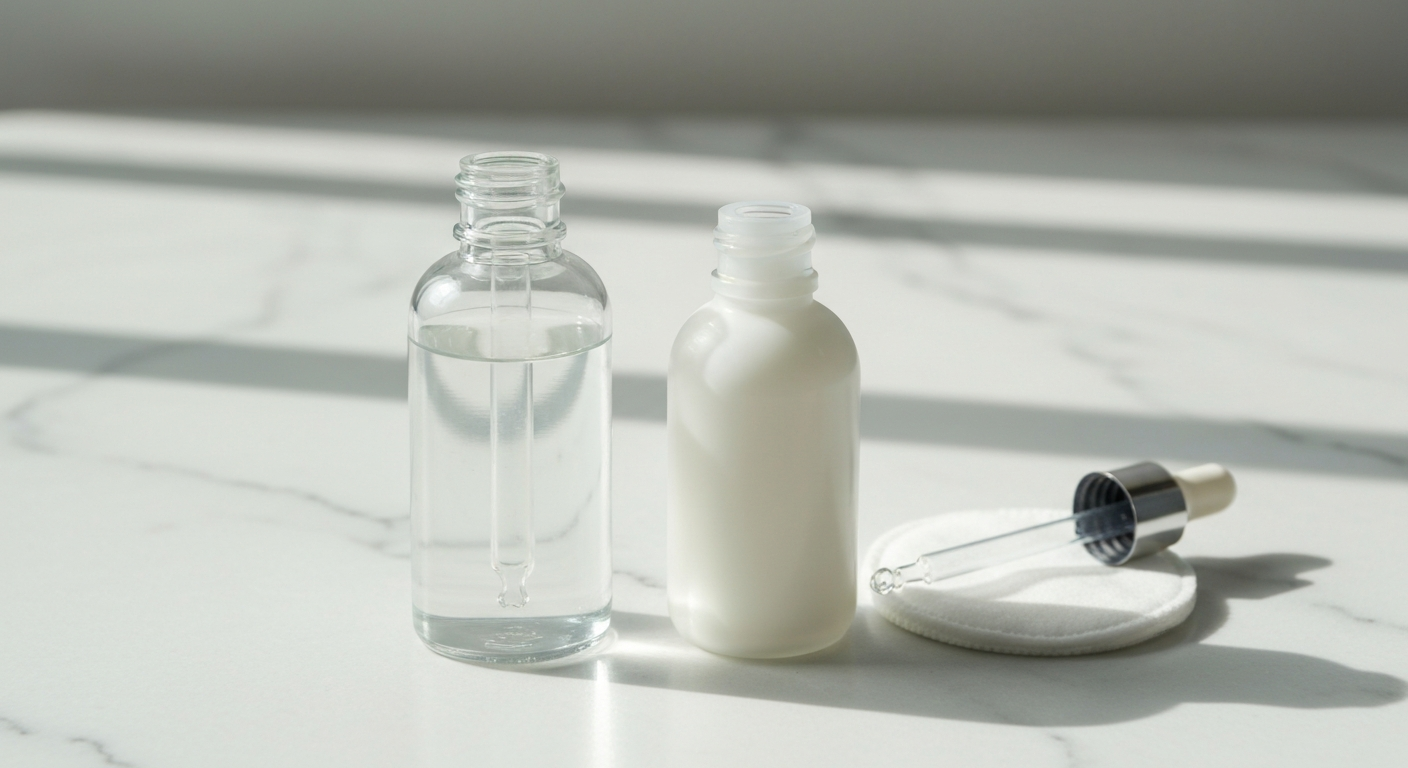
The application of a toner is typically the first liquid step after cleansing. While some prefer to sweep it across their face with a cotton pad to catch any lingering impurities, many modern toners are best applied by simply pouring a small amount into your palms and gently pressing or patting it onto your skin. This method reduces product waste and minimizes potential irritation from friction.
In essence, a toner is your skin’s reset button after cleansing, prepping it for optimal absorption and setting the stage for a healthy, balanced complexion.
What is an Essence?
If toners are the quiet workhorses of Western skincare, essences are the celebrated stars of Korean beauty, a category that truly blossomed within the K-beauty philosophy. Often described as the “heart of the Korean skincare routine,” an essence is a concentrated, nutrient-rich liquid designed to deeply hydrate, nourish, and prime the skin for subsequent treatment steps.
Essences are typically more viscous than toners, often having a texture somewhere between water and a light serum – sometimes slightly gel-like or milky. This difference in consistency reflects their higher concentration of active ingredients and their primary function: to deliver a potent dose of beneficial compounds directly into the skin.
The purpose of an essence extends beyond simple hydration. It acts as a foundational layer that boosts overall skin health, targets specific concerns, and enhances the efficacy of the products that follow. Think of it as a pre-serum treatment that imbues your skin with vital nutrients, preparing it to absorb serums and ampoules more deeply and effectively.
Key ingredients often found in essences include:
- Fermented Ingredients: A hallmark of many K-beauty essences, ingredients like galactomyces ferment filtrate, saccharomyces ferment filtrate, or bifida ferment lysate are rich in amino acids, vitamins, and antioxidants. These are believed to increase product penetration, improve skin tone and texture, and strengthen the skin barrier.
- Humectants: Like toners, essences are rich in hydrating agents such as hyaluronic acid, glycerin, and beta-glucan, but often in higher concentrations, providing a deeper, more sustained surge of moisture.
- Antioxidants: Ingredients like green tea, vitamin C derivatives, and various botanical extracts protect the skin from environmental damage, reduce inflammation, and promote a brighter complexion.
- Vitamins and Peptides: Niacinamide (Vitamin B3), panthenol (Vitamin B5), and various peptides are frequently included to address concerns such as dullness, uneven skin tone, fine lines, and loss of elasticity.
- Botanical Extracts: A wide array of plant-derived ingredients, from licorice root to ginseng, are used for their soothing, brightening, or anti-aging properties.
Applying an essence is a ritual in itself. After cleansing and toning (if you use both), essences are typically dispensed into the palms of your hands and gently patted into the skin until fully absorbed. The warmth of your hands helps with absorption, and the patting motion encourages circulation without tugging or pulling the skin. This method ensures maximum delivery of the concentrated actives.
An essence is a vital step for those seeking to enhance their skin’s vitality, provide targeted nourishment, and achieve that coveted “glass skin” glow. It’s about building layers of hydration and active ingredients to create a healthy, resilient foundation. If you’re looking for a concrete starting point, the COSRX Advanced Snail 96 Mucin Power Essence is one of the most popular essences in K-beauty — it delivers hydration, repair, and glow in a single step.
Toner vs. Essence: A Head-to-Head Comparison
To truly grasp the distinction between these two liquid powerhouses, let’s lay out their key characteristics side-by-side.
| Factor | Toner | Essence |
|---|---|---|
| Primary Purpose | Rebalance pH, remove residual impurities, initial hydration, prep skin for next steps | Deeply hydrate, deliver concentrated active ingredients, boost skin health, enhance absorption of subsequent products |
| Texture | Very watery, light, sometimes slightly viscous | Slightly thicker than water, often viscous, gel-like, or milky |
| Key Ingredients | Humectants (hyaluronic acid, glycerin), mild acids (AHAs/BHAs), soothing botanicals, witch hazel (alcohol-free) | Fermented ingredients, antioxidants, vitamins, peptides, botanical extracts, high concentration humectants |
| Application Method | Sweep with cotton pad or pat into skin with hands | Pat into skin with hands |
| Placement in Routine | After cleansing, before essence/serums | After toner (if used), before serums/ampoules |
| Origin/Philosophy | Predominantly Western skincare; focus on cleansing, pH balancing, and surface prep | Predominantly Korean skincare; focus on nourishment, deep hydration, and treatment from within |
| Concentration of Actives | Generally lower concentration of targeted actives; more focused on foundational prep | Higher concentration of targeted active ingredients designed for specific skin concerns |
| Skin Concerns Addressed | pH imbalance, surface impurities, initial dryness, mild exfoliation, pore refinement, soothing irritation | Dehydration, dullness, fine lines, uneven texture, loss of elasticity, overall skin vitality, barrier support |
Key Differences Detailed
While the table offers a concise overview, let’s elaborate on these distinctions to provide a more comprehensive understanding.
Purpose and Functionality
The fundamental difference lies in their primary function. A toner’s role is largely preparatory. It’s the bridge between cleansing and treatment, ensuring your skin is balanced, clean, and ready to receive the subsequent layers of product. Think of it as priming a canvas before painting; it creates the ideal surface. Its benefits are often immediate and surface-level – rebalancing pH, removing last traces of grime, or providing a quick burst of hydration.
An essence, on the other hand, is a treatment step. Its purpose is to infuse the skin with a concentrated cocktail of beneficial ingredients that work deeper within the skin to address specific concerns and improve overall skin health. It’s less about cleaning up and more about building up. Essences are designed to actively nourish, revitalize, and enhance the skin’s natural functions over time.
Texture and Consistency
This is often one of the most immediate differentiators. Toners are almost always very lightweight and watery, designed to absorb quickly without leaving any residue. This aligns with their role as a swift, initial step.
Essences tend to be more substantial. Their texture can range from slightly viscous water to a light, milky fluid or even a thin gel. This increased body is due to the higher concentration of active ingredients and humectants, allowing them to deliver a more profound and lasting impact on hydration and nourishment. The richer texture also encourages the gentle patting application method, which aids in absorption.
Ingredient Philosophy
The ingredient profiles of toners and essences reflect their distinct purposes. Toners often feature ingredients that rebalance, gently exfoliate, or provide initial hydration. Common components include mild acids (AHAs, BHAs), humectants (glycerin, hyaluronic acid), and soothing botanical extracts. Their ingredient lists are typically designed for broad applicability or specific surface-level concerns.
Essences are characterized by a more complex and often innovative blend of high-performance actives. Fermented ingredients are a hallmark, alongside a richer array of antioxidants, peptides, vitamins (like niacinamide), and specialized botanical extracts. These ingredients are chosen for their ability to penetrate deeper, stimulate cellular processes, and provide targeted therapeutic benefits, often rooted in traditional Eastern medicine or cutting-edge biotechnological advancements.
Application Method
The way you apply these products often differs, reflecting their consistency and purpose. Toners can be applied with a cotton pad to ensure complete removal of impurities and even distribution, or simply patted in with clean hands. The wiping motion is more common with exfoliating or purifying toners.
Essences are almost universally applied by pouring a small amount into the palms and gently patting them into the face and neck. This method is preferred to avoid product waste (due to their concentrated nature) and to facilitate absorption through gentle pressure and the warmth of your hands, promoting better penetration of the active ingredients.
Placement in Routine
Both products are applied early in your routine, after cleansing, but their sequential order is important if you choose to use both. A toner always comes first, immediately after cleansing. It’s the very first liquid step on clean skin.
An essence follows the toner. By applying toner first, you’ve optimized your skin’s pH and cleared the path for the essence’s potent ingredients to penetrate more effectively. Essences then create a hydrated, receptive base for subsequent serums, ampoules, and moisturizers.
Origin and Evolution
The historical context also highlights their differences. Toners have a long history in Western skincare, evolving from harsh astringents to the gentle, beneficial formulas we see today. Their evolution has been driven by a deeper understanding of skin physiology and the importance of barrier health.
Essences are a relatively newer phenomenon in the global skincare market, originating and flourishing within the innovative landscape of Korean beauty. They embody the K-beauty philosophy of layering lightweight, nutrient-dense products to build comprehensive skin health from within, focusing on preventative care and long-term vitality.
Concentration of Actives
Generally, essences boast a higher concentration of targeted active ingredients compared to toners. While modern toners can contain potent actives, their primary role is often foundational. Essences, on the other hand, are specifically formulated to deliver a significant dose of skin-benefiting compounds, making them a more intensive treatment step. This is reflected in their typically higher price point as well.
Who Should Choose a Toner?
A toner is a versatile product that can benefit almost anyone, depending on their specific skin needs and the type of toner chosen.
You might want to prioritize a toner if:
- You want to rebalance your skin’s pH: After cleansing, especially with tap water, your skin’s pH can shift. A hydrating toner quickly brings it back to its optimal acidic state, which is crucial for a healthy skin barrier.
- You’re looking for gentle exfoliation: If you have dullness, uneven texture, or mild congestion, an exfoliating toner with AHAs or BHAs can provide daily gentle exfoliation without the harshness of scrubs.
- You have oily or acne-prone skin: Specific purifying or balancing toners can help control excess oil, minimize the appearance of pores, and prevent breakouts.
- You need an initial boost of hydration: For all skin types, especially those prone to dryness, a hydrating toner provides an immediate layer of moisture that preps the skin to better absorb subsequent products.
- You want to ensure your skin is truly clean: While not their primary function anymore, a toner can still pick up any microscopic traces of makeup or cleanser left behind.
- You’re on a tighter budget: Generally, toners are more accessible price-wise than essences, offering a beneficial step without a significant investment.
Who Should Choose an Essence?
An essence is an excellent addition for those looking to elevate their skincare routine and provide their skin with more targeted, concentrated nourishment.
You might want to prioritize an essence if:
- You’re concerned with deep hydration and skin vitality: If your skin feels consistently dry, dehydrated, or lacking bounce, an essence provides a profound surge of moisture and nutrients that can penetrate deeper than a standard toner.
- You want to address specific skin concerns with concentrated actives: Essences are formulated with potent ingredients like fermented extracts, antioxidants, and peptides that target issues such as dullness, fine lines, uneven tone, or a compromised skin barrier.
- You’re adopting a K-beauty routine: Essences are a cornerstone of the multi-step Korean skincare philosophy, designed to build layers of nourishment for optimal skin health and glow.
- You want to boost the efficacy of your other products: By creating a deeply hydrated and nutrient-rich base, an essence helps your serums, ampoules, and moisturizers absorb and perform better.
- You’re looking for anti-aging benefits: Many essences are packed with ingredients that support collagen production, improve elasticity, and protect against environmental damage.
- Your skin looks dull or lacks radiance: The active ingredients in essences often work to brighten and clarify the complexion, leading to a more luminous glow.
Can You Use Both?
Absolutely! In fact, using both a toner and an essence can be incredibly beneficial for a comprehensive skincare routine, especially if you have multiple skin concerns or simply want to maximize your skin’s health and radiance. They perform different, complementary roles, and when used together, they create a powerful synergy.
Think of it as building a strong foundation. The toner first ensures your skin’s pH is balanced and it’s perfectly clean and prepped. This optimized environment then allows the essence to penetrate more effectively, delivering its concentrated dose of active ingredients deep into the skin. The essence, in turn, creates a highly receptive canvas for your subsequent serums, ampoules, and moisturizers, allowing them to perform at their peak.
The typical order would be:
- Cleanse: Remove makeup and impurities.
- Toner: Rebalance pH, provide initial hydration, or gently exfoliate.
- Essence: Deeply hydrate, nourish, and deliver targeted actives.
- Serum/Ampoule: Address specific concerns with potent treatments.
- Moisturizer: Seal everything in and provide long-lasting hydration.
- SPF (AM): Protect your skin from UV damage.
A word of caution: If you choose to use both, pay attention to your skin’s signals. If you are using an exfoliating toner, ensure your essence doesn’t contain too many additional strong actives that might lead to over-exfoliation or irritation. For most, a hydrating toner followed by a nourishing essence is a perfect pairing for enhanced hydration and skin health. Listen to your skin and adjust as needed – skincare is always personal!
Our Verdict
In the great debate of toner vs. essence, there’s no single “winner” because they aren’t direct competitors. Instead, they are distinct allies in the pursuit of healthy, glowing skin. A toner is your skin’s essential prep step, ensuring a balanced canvas ready for treatment. An essence is a concentrated treatment step, infusing your skin with vital nutrients and deep hydration.
At Glow Coded, we believe in a skincare routine that is intentional and tailored to your individual needs. For those seeking a minimalist approach, a well-chosen hydrating toner might be sufficient to bridge the gap between cleansing and moisturizing. However, for anyone looking to truly elevate their routine, provide deeper nourishment, address specific concerns, and embrace the comprehensive philosophy of K-beauty, incorporating an essence can be a game-changer.
Ultimately, the choice to use one, both, or neither depends on your skin type, concerns, budget, and desired routine complexity. Understand their unique roles, experiment thoughtfully, and observe how your skin responds. The goal is always to build a routine that makes your skin feel its best, and now you have the expert knowledge to make informed decisions about these two powerful liquid steps.
A toner + essence pairing to try: Start with the Anua Heartleaf 77% Soothing Toner to calm and prep, then follow with the COSRX Snail 96 Essence for deep hydration. Together, they demonstrate exactly how these two steps complement rather than compete.
Related reading:
- The Art of Layering: Building Your Perfect Skincare Routine
- Understanding Your Skin Type: A Comprehensive Guide
- Best Korean Ampoules 2026 — if you want the most concentrated treatment step between essence and serum, ampoules are the K-beauty answer; this guide ranks 10 picks