The year 2026 is here, and with it, a new wave of skincare innovations, but one step remains foundational for healthy, glowing skin: toner. For many, the word ‘toner’ conjures images of harsh, alcohol-laden astringents that strip the skin, leaving it tight and dry. This perception, often shaped by traditional Western formulations, couldn’t be further from the truth when it comes to the world of K-beauty.
Korean toners operate on an entirely different philosophy, serving as a crucial hydrating and pH-balancing step rather than a stripping one. Far from being an aggressive astringent, these formulations are designed to replenish moisture lost during cleansing, gently restore the skin’s optimal pH level, and act as a prep step, allowing subsequent serums and moisturizers to penetrate more effectively. They are often treatment-focused, packed with nourishing ingredients to soothe, brighten, or firm, and are typically applied by patting directly onto the skin with clean hands, maximizing absorption and minimizing product waste.
Hydrating vs Exfoliating Toners
A common pitfall for skincare beginners is confusing hydrating toners with their exfoliating counterparts. Hydrating toners are designed to infuse the skin with moisture, soothe, and prepare it for the next steps in your routine, often featuring ingredients like hyaluronic acid or ceramides. They are gentle enough for daily use, suitable for virtually all skin types, and aim to plump and soften the complexion.
Exfoliating toners, conversely, contain active ingredients like AHAs, BHAs, or PHAs to gently dissolve dead skin cells, unclog pores, and improve skin texture. While incredibly effective for issues like dullness, acne, or uneven tone, they are not meant for daily application for everyone and require careful integration into a routine to avoid over-exfoliation. Understanding this distinction is key to choosing the right toner for your specific skin needs without causing irritation.
How We Ranked These
To bring you the definitive list of 2026’s top Korean toners, our glow-coded.com team meticulously researched and tested dozens of products. We evaluated each toner based on its ingredient profile, efficacy across various skin concerns, texture, absorption rate, user reviews, and overall value. Our ranking considers innovative formulations and proven results to ensure you find the perfect match for your skin’s unique requirements.
Best Korean Toners by Skin Type
1. Anua Heartleaf 77% Soothing Toner
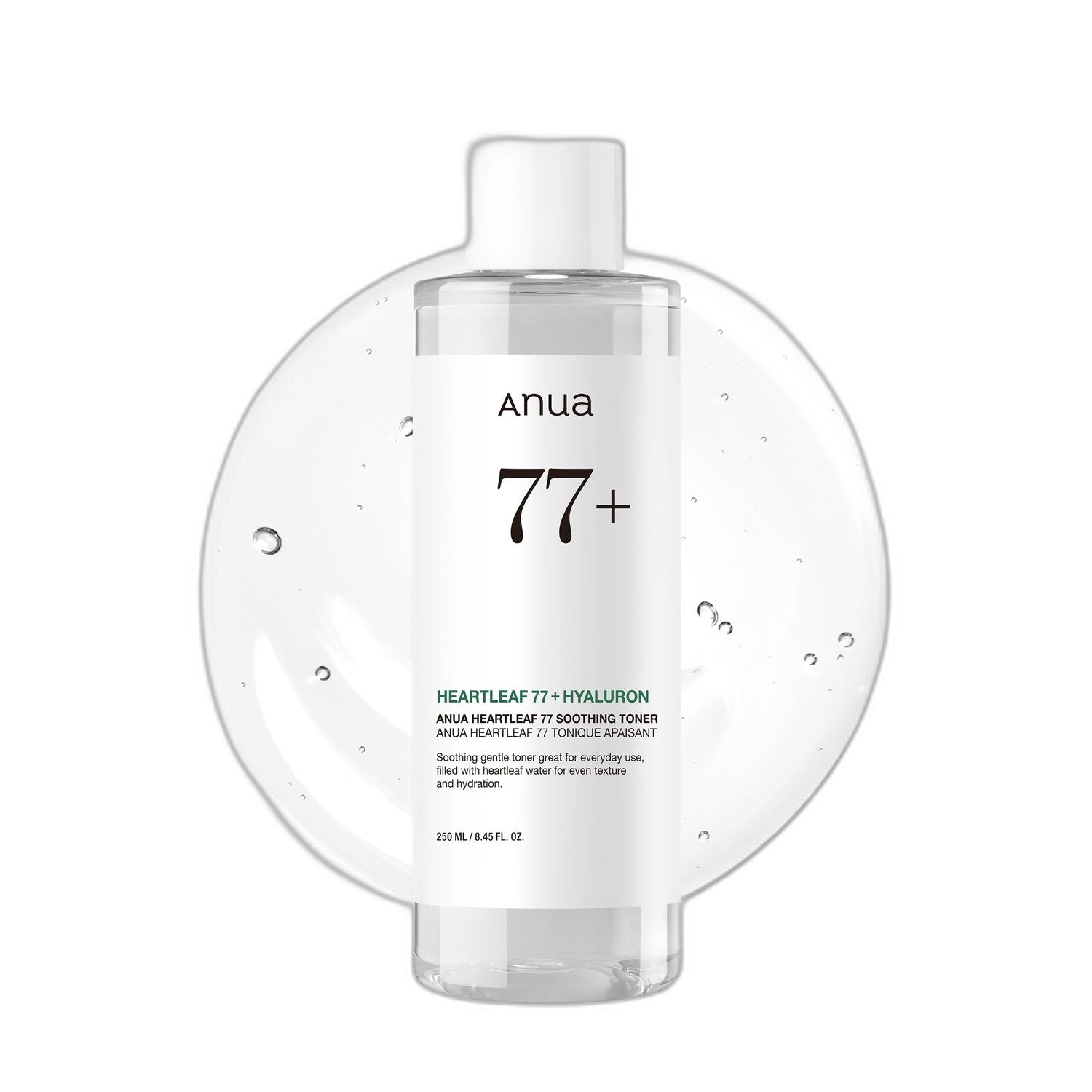
If your skin often feels a little stressed, the Anua Heartleaf 77% Soothing Toner might just be your new best friend. This incredibly gentle toner is a true multitasker, designed to calm irritation, reduce redness, and flood your skin with much-needed hydration. The secret weapon? A whopping 77% heartleaf (Houttuynia Cordata) extract, a powerhouse ingredient known for its anti-inflammatory and soothing properties. It’s perfect for those with sensitive, redness-prone, or even combination skin looking for a non-irritating step in their routine. To use, simply pat a few drops onto cleansed skin morning and night. You’ll love how it leaves your complexion feeling balanced, comfortable, and wonderfully prepped for the next steps in your skincare.
2. Some By Mi AHA BHA PHA 30 Days Miracle Toner
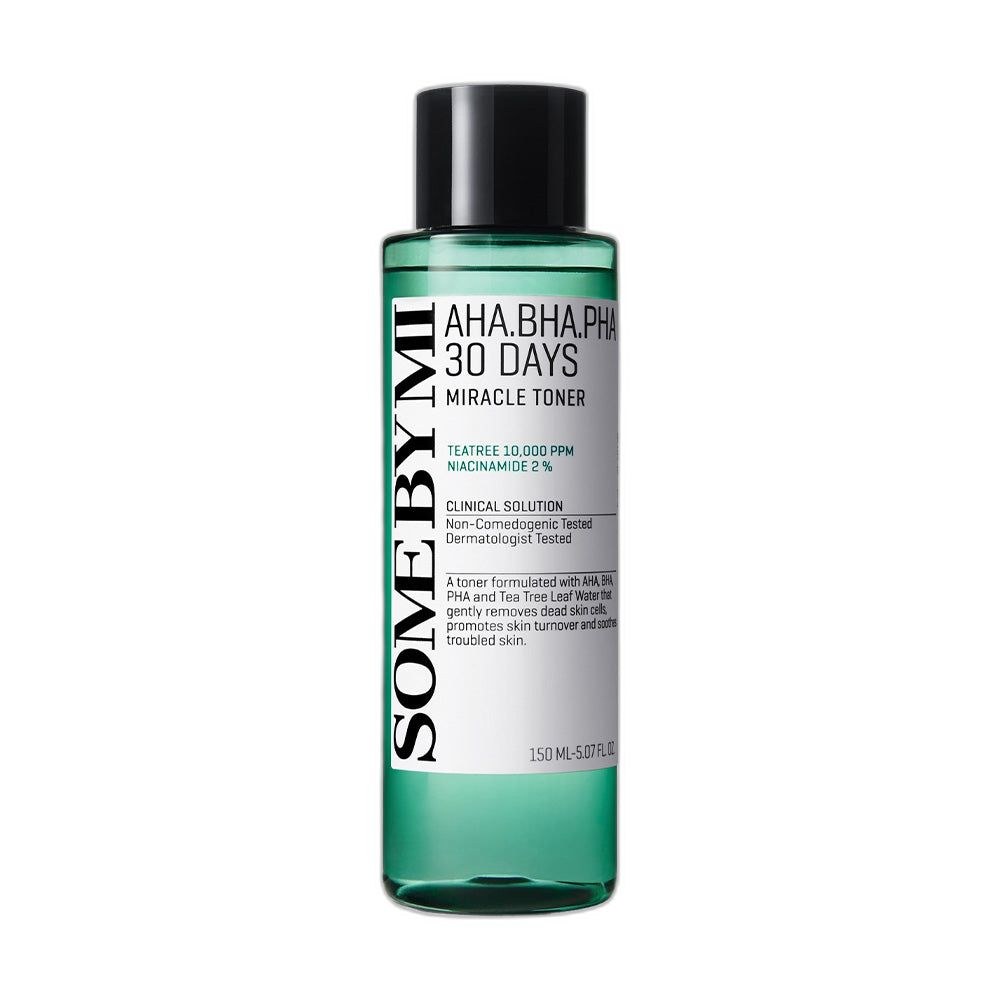
The Some By Mi AHA BHA PHA 30 Days Miracle Toner is a renowned exfoliating solution specifically formulated for oily, acne-prone, and congested skin types. This powerful toner combines a unique blend of AHAs (Alpha Hydroxy Acids) to gently exfoliate the skin’s surface, BHAs (Beta Hydroxy Acids) to penetrate and clear clogged pores, and PHAs (Poly Hydroxy Acids) for mild, non-irritating exfoliation. Infused with tea tree extract, it further helps to soothe inflammation and combat breakouts. Regular use aims to refine skin texture, diminish blemishes, and improve overall clarity, promising visible results within 30 days. It can be incorporated into your daily routine, typically once a day after cleansing. Due to its active ingredients, always apply sunscreen diligently during the day and avoid combining it with other strong exfoliants or retinoids. A patch test is recommended, particularly for sensitive skin.
3. Isntree Hyaluronic Acid Toner
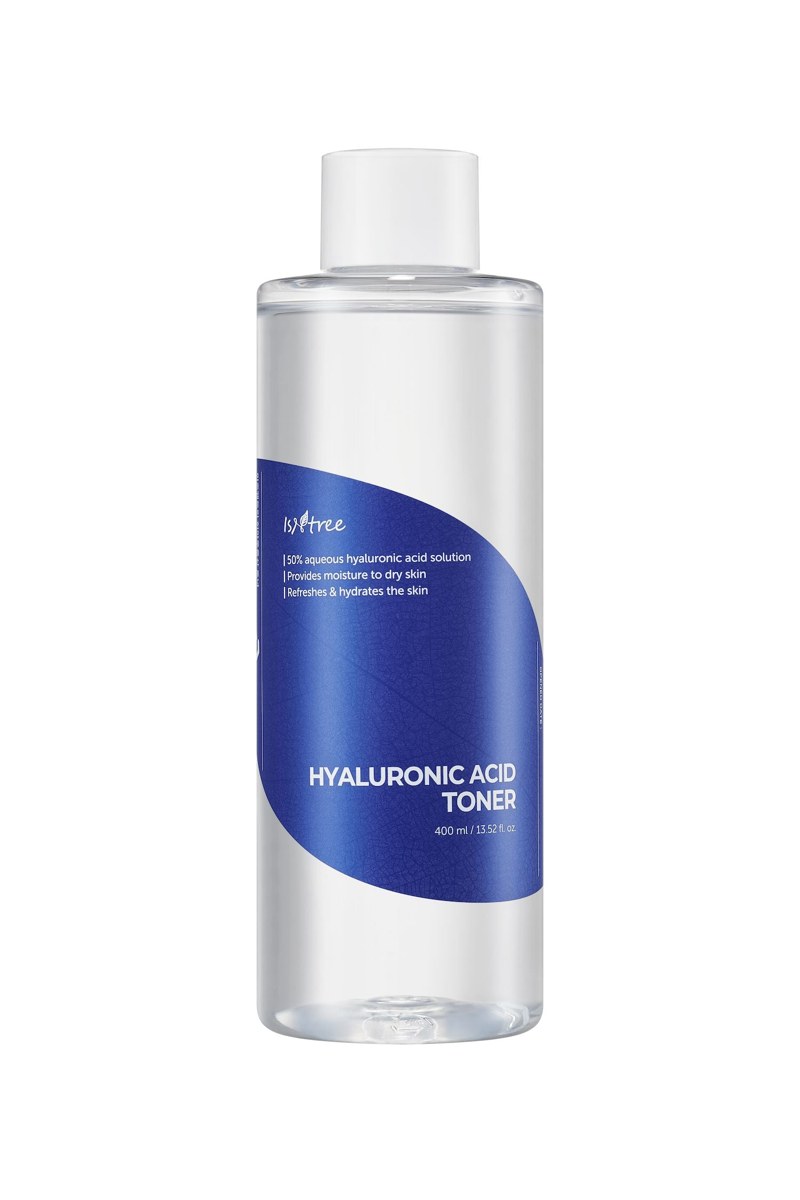
The Isntree Hyaluronic Acid Toner is a skincare essential, celebrated for delivering profound, multi-layered hydration to thirsty complexions. Its brilliance stems from a sophisticated blend of five different hyaluronic acid molecular weights, meticulously designed to penetrate and lock moisture into various depths of the skin. This comprehensive approach makes it exceptionally effective for anyone struggling with dryness or dehydration, providing an immediate plumping and soothing sensation without any stickiness. Lightweight and refreshing, it perfectly preps the skin for subsequent skincare steps. It’s also a star product for the “7-skin method,” where applying multiple thin layers dramatically boosts the skin’s moisture content, leaving it supple, dewy, and resilient throughout the day. This toner truly transforms parched skin into a hydrated haven.
4. I’m From Rice Toner
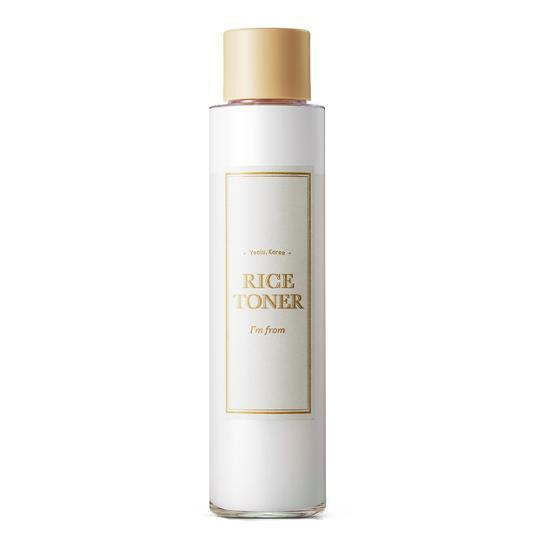
Unlock a visibly brighter and more nourished complexion with the I’m From Rice Toner, a skincare essential crafted to revitalize dull and uneven skin tones. This remarkable toner is a true glow-giver, formulated with an impressive 77% Goami rice extract, celebrated for its potent brightening and hydrating properties. It actively works to diminish the appearance of dullness, promoting a luminous radiance that makes your skin appear healthier and more vibrant. The toner’s unique, slightly milky texture feels incredibly comforting as it glides onto the skin, absorbing effortlessly to deliver deep nourishment without any heavy residue. Regular use helps to improve overall skin texture and uniformity, leaving your complexion feeling supple, smooth, and imbued with a natural, youthful glow. Embrace this daily ritual for skin that truly shines from within.
5. COSRX Full Fit Propolis Synergy Toner
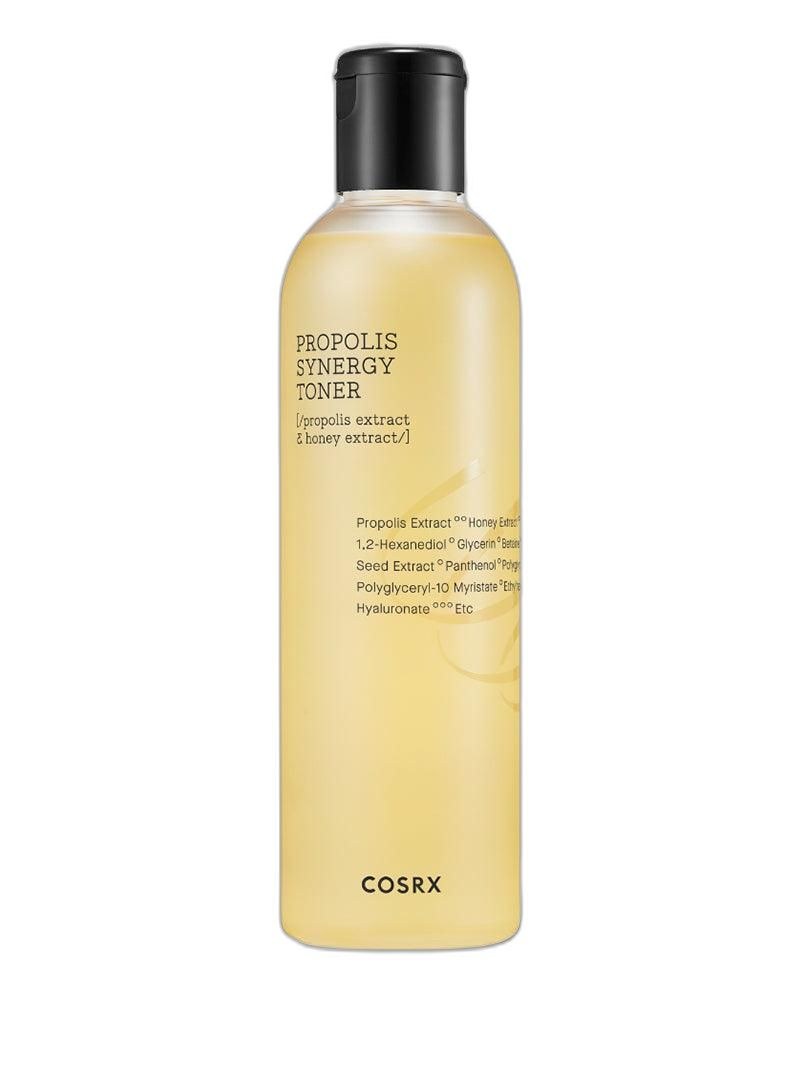
Experience the transformative power of the COSRX Full Fit Propolis Synergy Toner, a skincare essential designed to impart a beautiful glow and deep nourishment. This exceptional toner is formulated with a potent blend of propolis and honey extract, renowned for their incredible skin-loving properties. Propolis, a natural antioxidant, works to protect and soothe, while honey extract provides intense hydration and a boost of vitality. Ideal for those struggling with dull, dry, or sensitive skin, this synergy toner helps to calm irritation and replenish moisture levels. With consistent use, it visibly enhances your complexion, leaving it feeling supple, revitalized, and radiating with a healthy, natural glow. Discover your skin’s true potential for luminosity and comfort.
6. Torriden DIVE-IN Low Molecular Hyaluronic Acid Toner
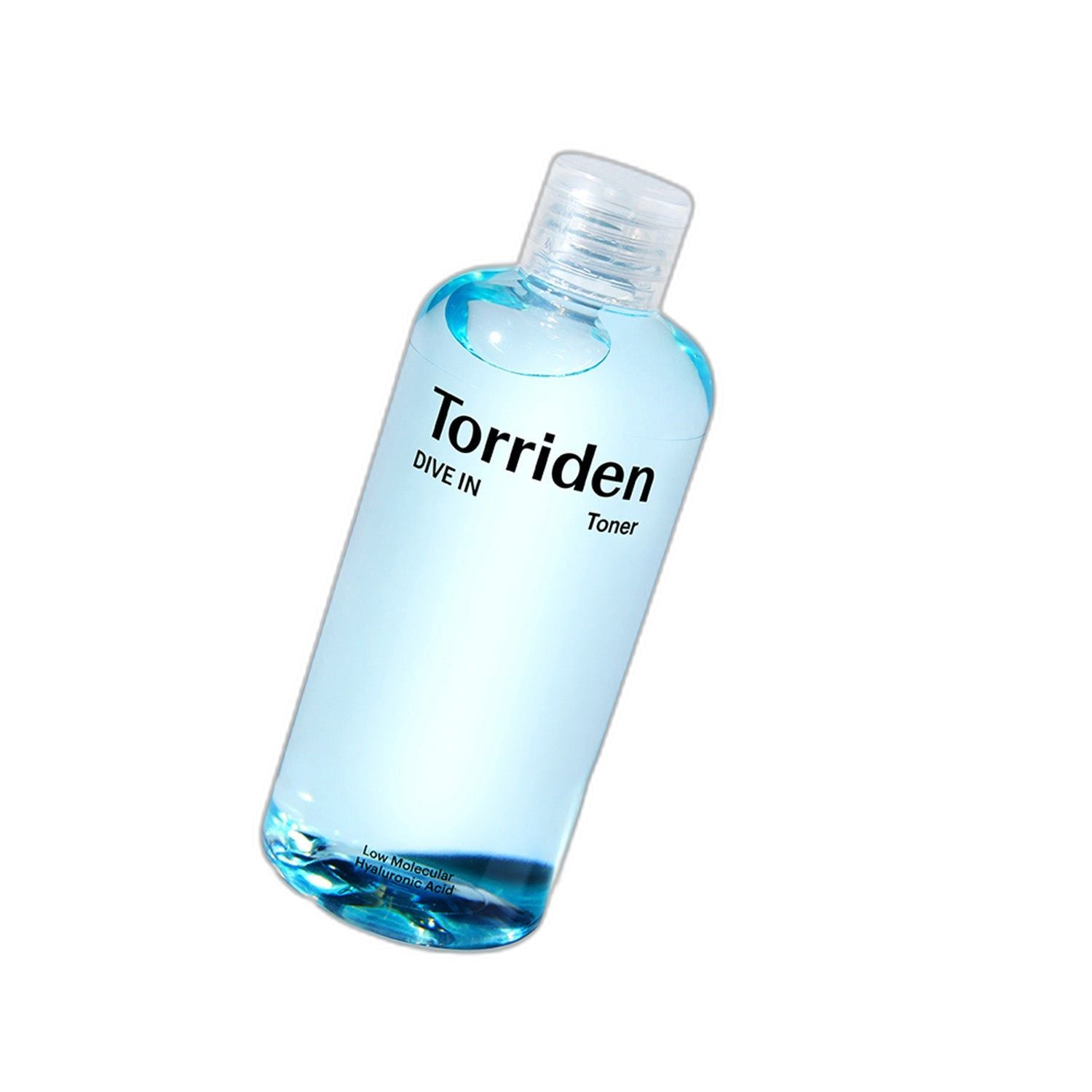
The Torriden DIVE-IN Low Molecular Hyaluronic Acid Toner delivers exceptional lightweight hydration, making it an ideal choice for daily moisture replenishment without any heavy residue. Infused with five types of low molecular weight hyaluronic acid, it deeply penetrates the skin to ensure lasting hydration, leaving your complexion feeling plump and refreshed. This award-winning toner is proudly vegan and entirely fragrance-free, making it supremely gentle and suitable for even the most sensitive or reactive skin types, as well as those with combination skin. Its minimalist yet powerful formulation focuses on efficacy and comfort. Furthermore, the generous 300ml bottle offers fantastic value, ensuring a long-lasting supply of this beloved hydrating hero for a consistently healthy and balanced complexion.
7. Tocobo AHA BHA Lemon Toner
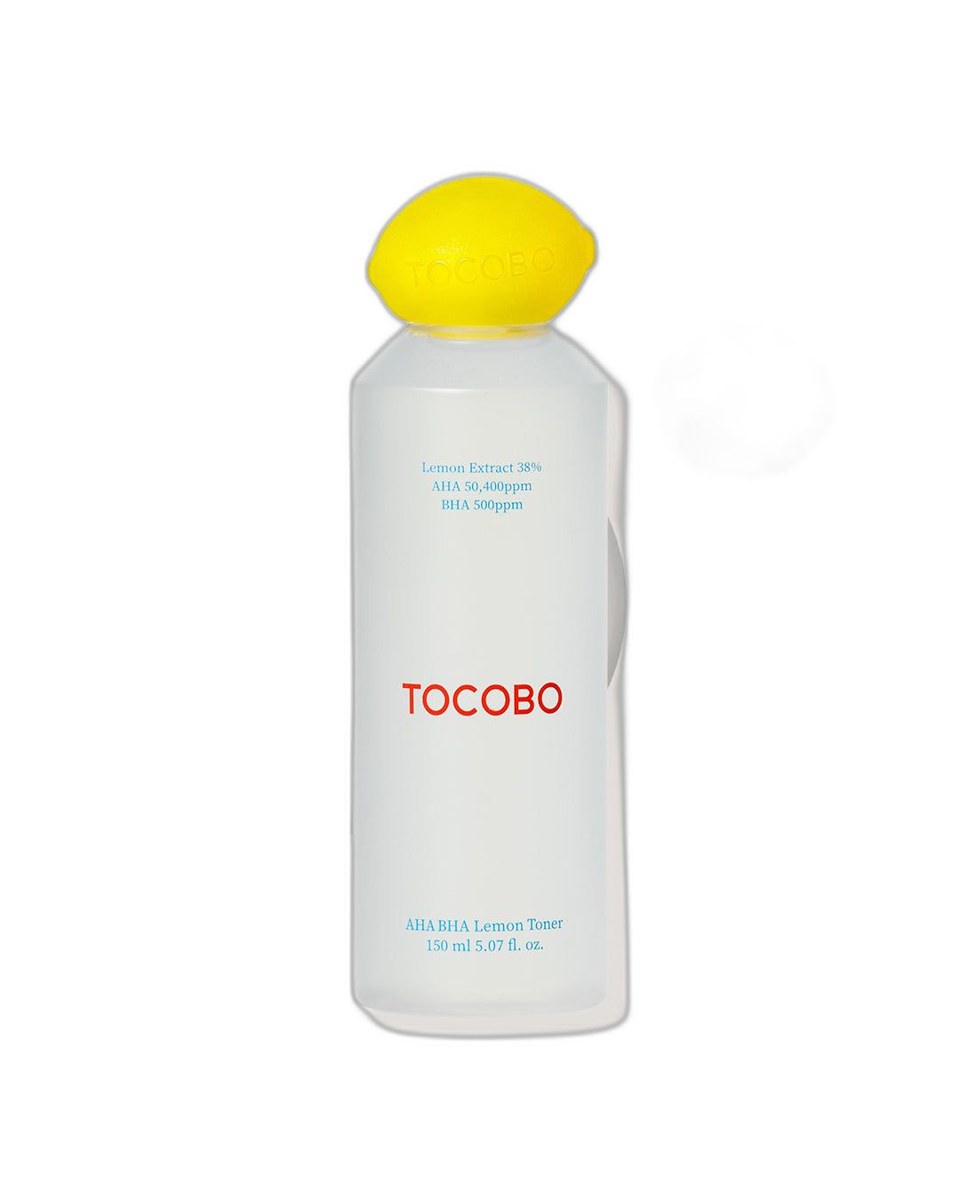
Tocobo AHA BHA Lemon Toner offers a gentle yet effective daily exfoliating experience, perfect for those seeking to revitalize their complexion. This refreshing toner harnesses the power of natural lemon extract combined with a carefully balanced blend of AHA (Alpha Hydroxy Acid) and BHA (Beta Hydroxy Acid). Together, these ingredients work synergistically to delicately slough away dead skin cells, refine pore appearance, and promote cell turnover without stripping the skin. Specifically formulated for combination and dull skin types, it actively targets uneven tone and texture. With consistent use, expect a noticeable improvement in skin brightness, a reduction in the look of dark spots, and a remarkably smoother, more radiant complexion, revealing a healthy, luminous glow every day.
8. SKIN1004 Madagascar Centella Toning Toner
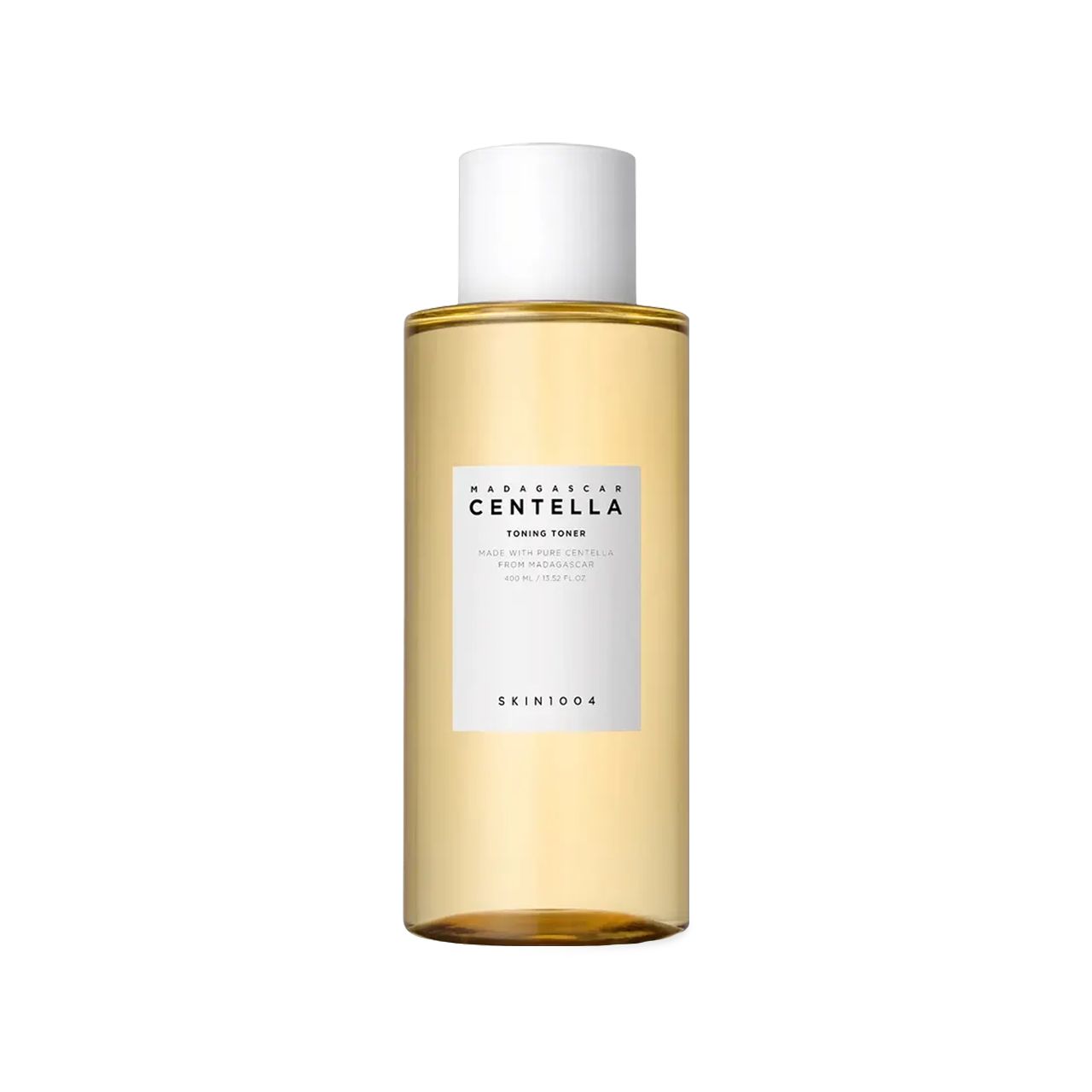
The SKIN1004 Madagascar Centella Toning Toner offers a serene embrace for stressed skin, delivering both calming relief and essential hydration. At its heart is high-purity Centella Asiatica extract, responsibly sourced from the pristine landscapes of Madagascar, renowned for its potent soothing and reparative properties. This gentle yet effective toner is meticulously formulated with a minimalist approach, ensuring it’s free from unnecessary irritants. It’s a true savior for individuals with sensitive, easily irritated, or acne-prone complexions, working diligently to reduce redness, alleviate discomfort, and promote a healthier skin barrier. The lightweight, non-sticky texture absorbs quickly, leaving skin feeling refreshed, balanced, and deeply moisturized without any heavy residue. It’s an ideal daily step towards achieving a clearer, more resilient, and naturally radiant complexion.
9. Pyunkang Yul Essence Toner
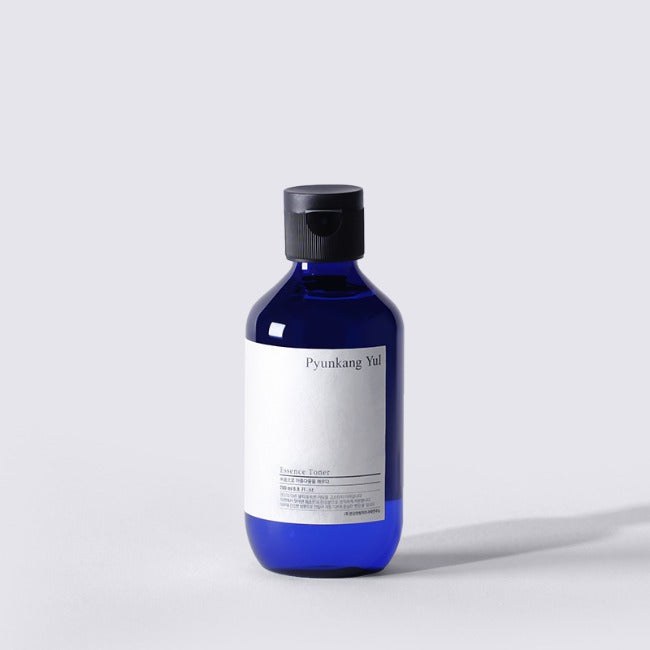
The Pyunkang Yul Essence Toner embodies a minimalist approach to skincare, focusing on core efficacy. Its star ingredient, a high concentration of milk-vetch root extract, is renowned for its antioxidant and anti-inflammatory properties, aiming to soothe and revitalize the complexion. Despite being a toner, its unique texture is more akin to a rich essence, delivering a thick, viscous hydration that deeply penetrates the skin without any stickiness. This makes it an an ideal choice for those with dry or sensitive skin, providing immediate relief and long-lasting moisture. The formula’s strength lies in its simplicity, boasting a very short ingredient list, free from unnecessary additives that could irritate delicate skin. It’s designed to strengthen the skin barrier and promote a healthy, balanced glow, making it a staple for anyone seeking effective, gentle hydration.
10. PURITO Seoul Wonder Releaf Centella Toner Unscented
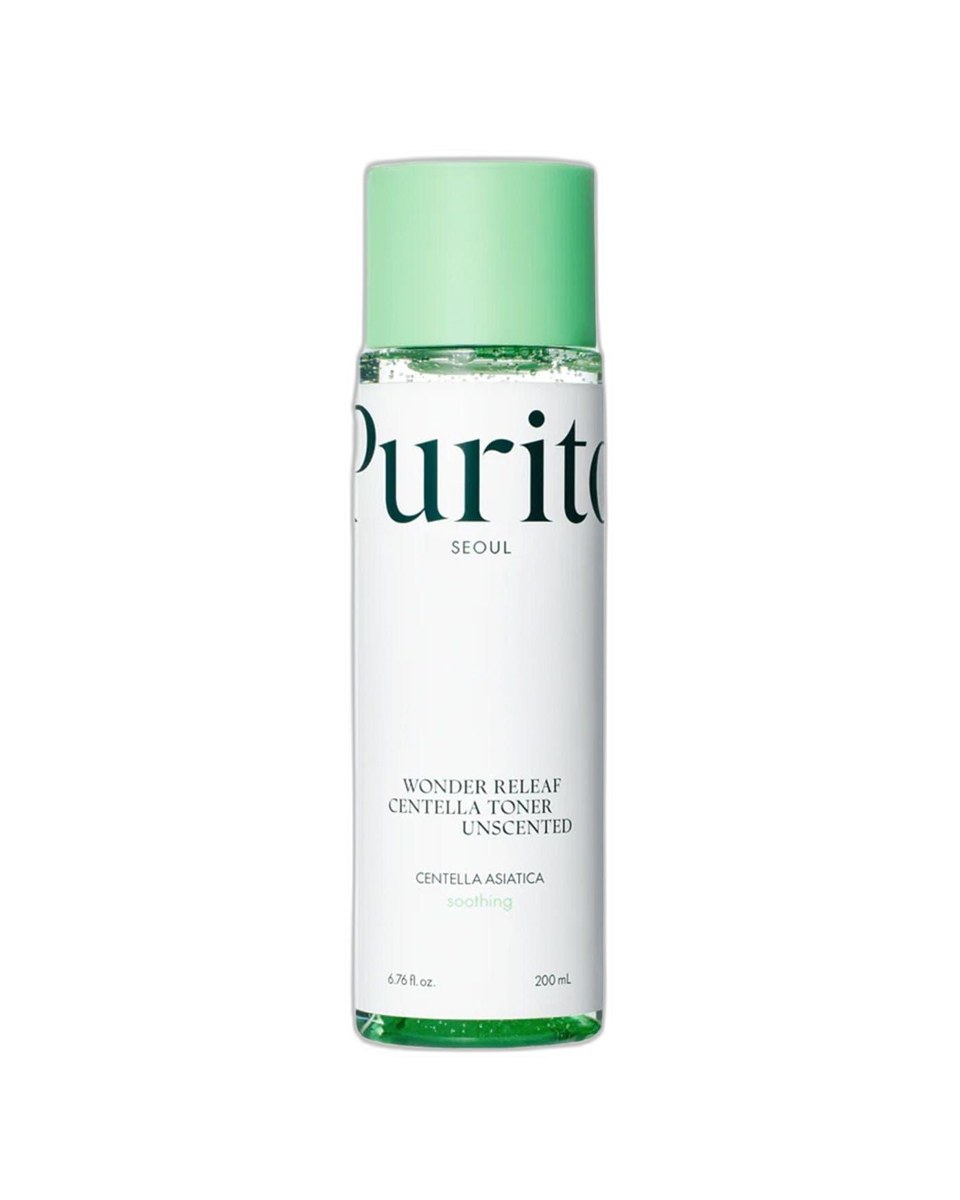
Experience gentle yet powerful relief with the PURITO Seoul Wonder Releaf Centella Toner Unscented, a true sanctuary for even the most reactive and sensitive skin types. This exceptional toner is meticulously formulated to provide profound soothing and robust barrier support, making it an indispensable step in any delicate skincare routine. At its heart lies a high concentration of Centella Asiatica extract, renowned for its remarkable calming and restorative properties. It works diligently to alleviate redness, irritation, and discomfort, promoting a healthier, more resilient complexion. Crucially, this toner is completely fragrance-free, eliminating a common irritant and ensuring maximum compatibility for those prone to sensitivities. Embrace a refreshed, balanced, and comforted skin feel, knowing you’re providing your skin with the purest care it deserves.
How to Use a Korean Toner
Korean toners are a world away from the harsh, alcohol-laden astringents of the past. They’re designed to hydrate, balance, and prep your skin for the subsequent steps in your routine. Here’s how to make the most of them:
- Hands vs. Cotton Pad: While a cotton pad can be useful for a quick swipe to remove any residual impurities after cleansing, most Korean skincare enthusiasts prefer to apply toner directly with their hands. Pour a small amount into your palm, then gently pat it onto your face and neck. This method reduces product waste, is more gentle on the skin, and allows for better absorption through the warmth of your hands.
- The 7-Skin Method: For an intense hydration boost, try the 7-Skin Method. This involves applying a lightweight, hydrating toner in seven consecutive layers. After each layer, gently pat until absorbed before applying the next. This method deeply saturates the skin with moisture, leaving it plump and dewy.
- Where It Sits in Your Routine: Toner is the crucial first step after cleansing and before any essences, serums, or ampoules. It rebalances your skin’s pH, adds a layer of hydration, and creates the perfect canvas for your active ingredients to penetrate more effectively. For a full breakdown of the steps, check out our guide to the [/korean-skincare-routine-complete-guide/].
Common Mistakes
Even with the best intentions, it’s easy to fall into common skincare traps. Avoid these pitfalls to get the most out of your Korean toner:
- Using Astringent Western Toners: Many traditional Western toners are formulated with high concentrations of alcohol, designed to strip oil and “tighten” pores. These can be incredibly drying and irritating, disrupting your skin’s natural barrier. Korean toners, by contrast, focus on hydration and balancing. Make sure you’re using a hydrating, gentle formula.
- Over-Exfoliating: While exfoliating toners can be transformative, using them too frequently or combining them with other harsh exfoliants can lead to irritation, redness, and a compromised skin barrier. Always listen to your skin and introduce new exfoliating products slowly.
- Skipping Toner: Thinking toner is an optional step is a common mistake. It plays a vital role in rebalancing your skin after cleansing, ensuring it’s not too alkaline or acidic, and preparing it to absorb the beneficial ingredients in your essences and serums more efficiently. Don’t skip this essential prep step!
Related Reading
- The Complete Korean Skincare Routine
- How to Layer Serums the Right Way
- AHA vs BHA vs PHA: Which Exfoliant?
Frequently Asked Questions
What is the best Korean toner?
There’s no single “best” Korean toner, as the ideal choice depends entirely on your individual skin type and concerns. For dry or dehydrated skin, look for hydrating toners with ingredients like hyaluronic acid or ceramides. Oily or acne-prone skin might benefit from balancing or mildly exfoliating toners. Sensitive skin types should opt for soothing, fragrance-free formulas. The best toner is the one that addresses your specific needs and leaves your skin feeling comfortable and balanced.
Hydrating or exfoliating toner — which do I need?
This depends on your skin’s current condition and your primary goals. If your skin feels tight, dry, or dull, a hydrating toner will replenish moisture and plump up your complexion. If you’re struggling with texture, clogged pores, or a lack of radiance, an exfoliating toner can help slough off dead skin cells. Many people benefit from having both and using them on alternate days or at different times of the day, or even using a hydrating toner daily and an exfoliating one a few times a week.
How often should I use an exfoliating toner?
Start slowly! For most people, using an exfoliating toner 2-3 times a week is sufficient. If you have very sensitive skin, begin with once a week. Pay close attention to how your skin reacts. If you experience redness, dryness, or irritation, reduce the frequency. Over-exfoliating can damage your skin barrier, so moderation is key. For more on different types of exfoliants, see our guide on [/aha-vs-bha-vs-pha-which-exfoliant/].
Do you use toner before or after essence?
Always use toner before essence. The general rule in Korean skincare is to apply products from thinnest to thickest consistency. Toner is typically the lightest liquid and is applied immediately after cleansing to prep your skin. Essence, which is usually slightly thicker and more concentrated, comes next, followed by serums and ampoules. Understanding this layering order is crucial for maximizing product efficacy. Learn more about optimal layering in our guide on [/how-to-layer-serums-the-right-way/].
Can I use a Korean toner if I have sensitive skin?
Absolutely! Many Korean toners are specifically formulated with sensitive skin in mind. Look for products that are fragrance-free, alcohol-free, and contain soothing ingredients like centella asiatica (Cica), mugwort, green tea, or ceramides. Always patch test a new product on a small area of your skin before applying it all over your face to ensure it doesn’t cause irritation.
If you’re a man looking to add actives like BHA, vitamin C, or retinol on top of a toner base, our advanced Korean skincare for men guide covers the right pacing, post-shave considerations, and how to prevent ingrown hairs with the same K-beauty actives.