The anti-aging serum market thrives on fear. Brands charge premium prices because aging skin feels urgent, and people will pay more when they’re worried. Korean brands took a different approach: make effective anti-aging formulas at accessible prices and let the results sell the product.
The ingredient science behind anti-aging is well-established. Retinoids accelerate cell turnover. Peptides signal collagen production. Vitamin C protects against oxidative damage. PDRN supports cellular regeneration. These ingredients work regardless of whether they’re in a $15 bottle or a $150 one.
We tested 10 Korean serums across the full price range, measuring their impact on fine lines, firmness, and overall skin quality over 8 weeks. Here’s what actually delivers results at every budget.
The Active Ingredients That Matter
Retinoids (retinol, retinal, retinaldehyde). The gold standard for anti-aging. Accelerate cell turnover, stimulate collagen, reduce fine lines. Retinal is more potent than retinol with less irritation. Start slow, build tolerance.
Peptides. Signal molecules that tell your skin to produce more collagen, elastin, and other structural proteins. Gentle, well-tolerated, and effective when used consistently.
Vitamin C (L-ascorbic acid). Antioxidant that protects against UV damage, brightens, and supports collagen synthesis. Stability and concentration matter enormously.
PDRN. Cellular regeneration ingredient that supports DNA repair and new cell growth. The newest entrant in anti-aging, with promising clinical evidence.
Collagen peptides. Low molecular weight collagen fragments that signal your skin to produce more of its own collagen.
Budget Tier ($12-$18)
1. Torriden Cellmazing Vita C Brightening Ampoule — ~$16
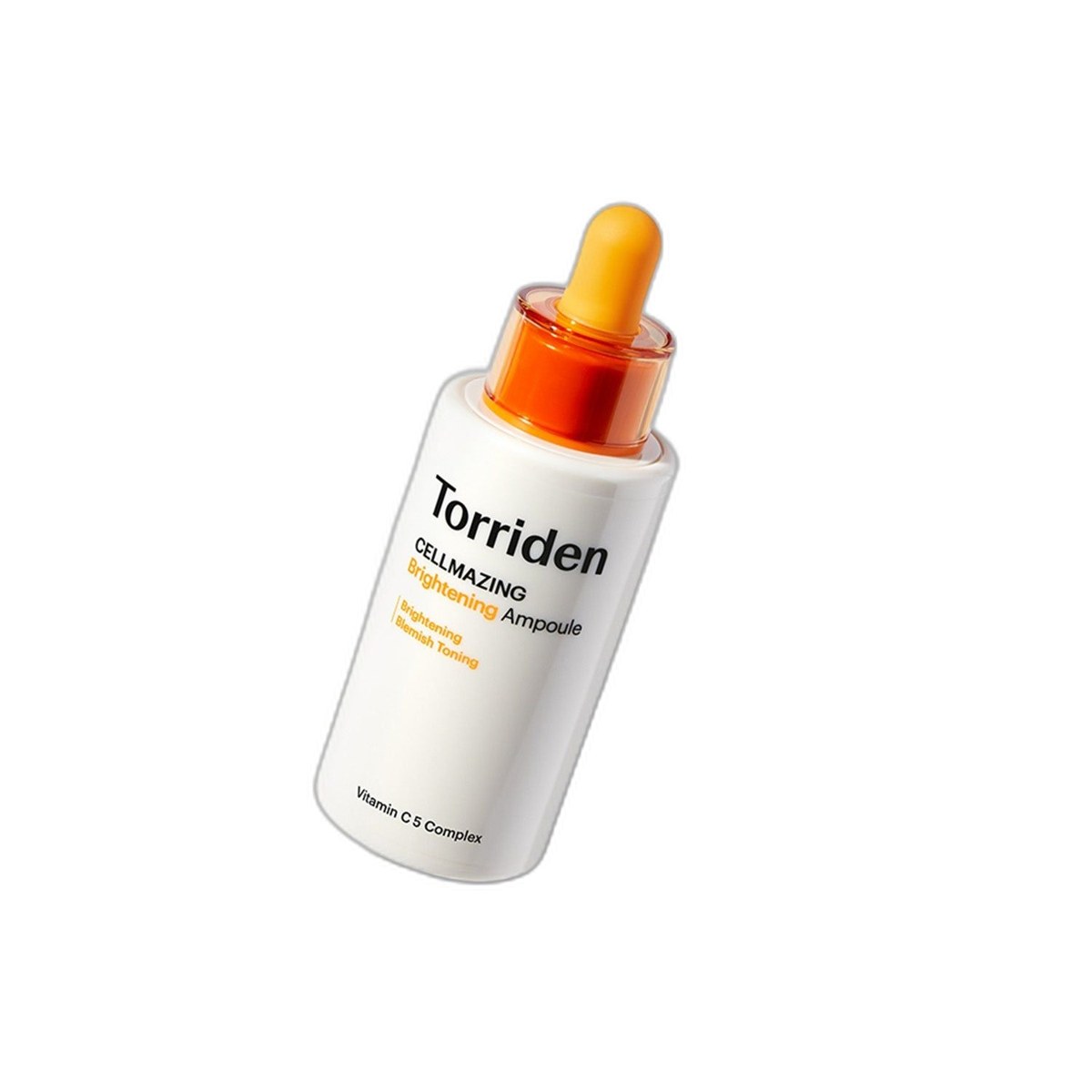
Key actives: Vitamin C, niacinamide Target: Dullness, uneven tone, photoaging prevention
Vitamin C is the most accessible anti-aging active — it works on everyone, causes minimal irritation, and addresses the oxidative damage that drives most visible aging. Torriden’s ampoule delivers stabilized vitamin C in a lightweight, fast-absorbing formula.
We noticed brighter, more even skin tone within 2 weeks. The subtle firming effect became apparent around week 4. At ~$16 for 30ml, this is the most affordable way to start an anti-aging routine that actually works.
2. TOCOBO Bifida Biome Essence — ~$18
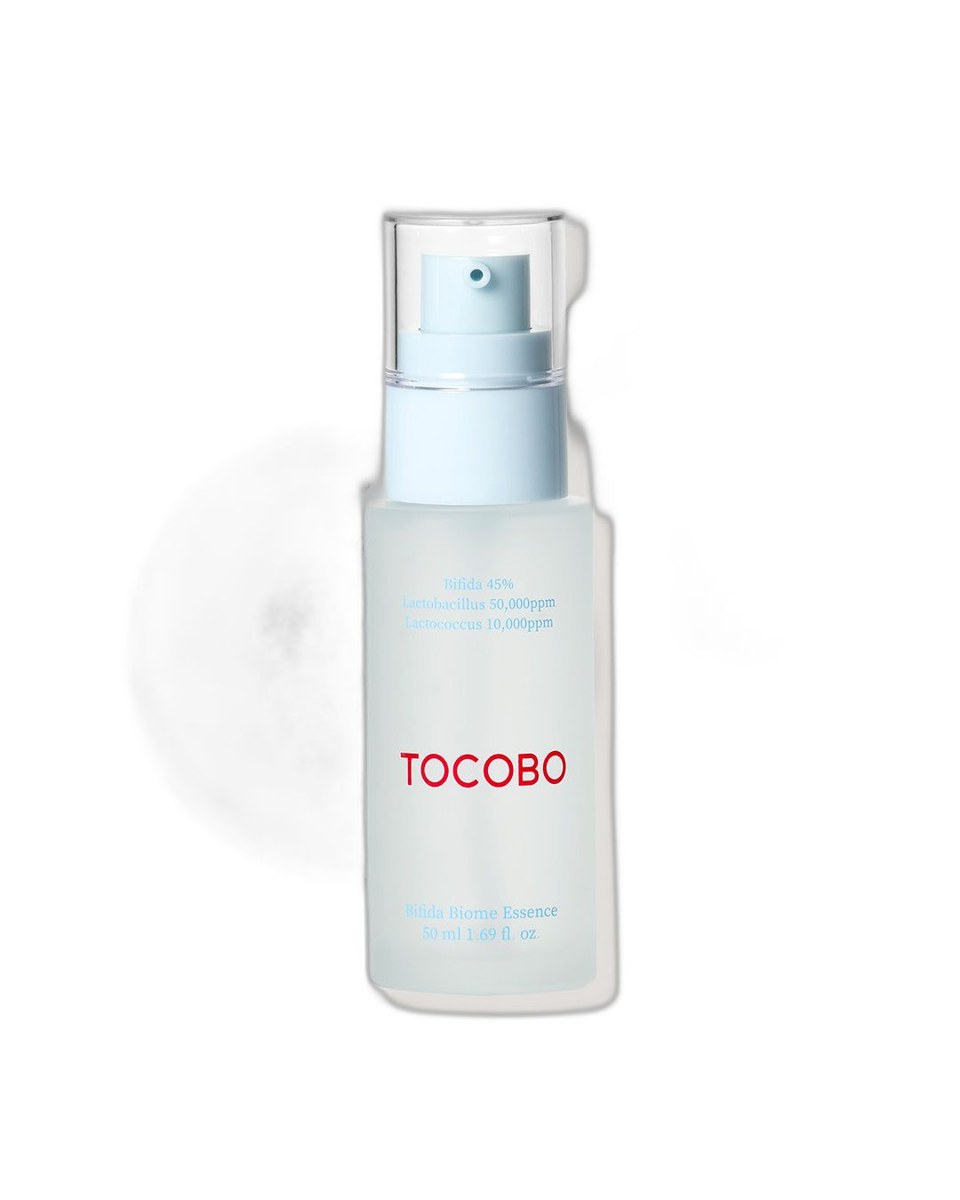
Key actives: Bifida ferment lysate, galactomyces Target: Overall skin aging, skin barrier, resilience
Fermented ingredients are a Korean anti-aging specialty. Bifida ferment lysate — the same ingredient in high-end products like Estee Lauder Advanced Night Repair — supports the skin’s natural repair processes and strengthens the microbiome.
At ~$18 for 50ml, you’re getting the core ingredient of luxury anti-aging serums at a fraction of the cost. We noticed improved skin resilience, faster recovery from irritation, and a “healthier” overall appearance after a month of daily use.
3. Parnell Bakuchiol Retinol Wild Yam 2.12 Firming Serum — ~$18
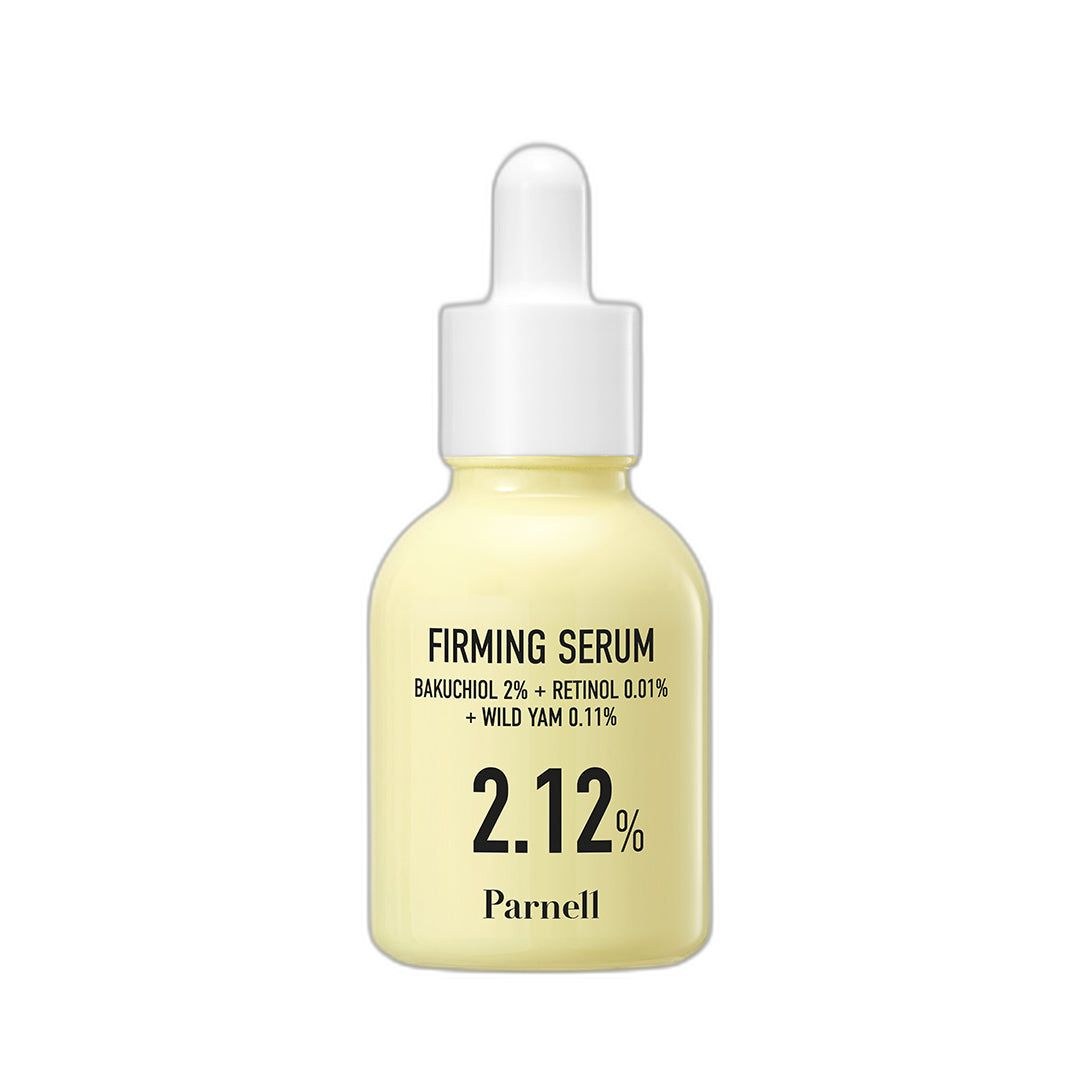
Key actives: Bakuchiol, retinol, wild yam extract Target: Fine lines, firmness, retinol-sensitive skin
Bakuchiol is the plant-based retinol alternative that actually has clinical evidence behind it. Parnell combined it with a gentle retinol concentration and wild yam extract (rich in diosgenin, which supports skin’s hormonal balance) for a comprehensive firming serum.
This is our pick for anyone who wants retinoid benefits but can’t tolerate straight retinol. The bakuchiol provides similar collagen-stimulating effects with less irritation, and the wild yam extract adds a unique firming mechanism. Fine lines softened visibly by week 3.
Mid-Range ($19-$30)
4. COSRX 5PDRN Collagen Intense Vitalizing Serum — ~$25
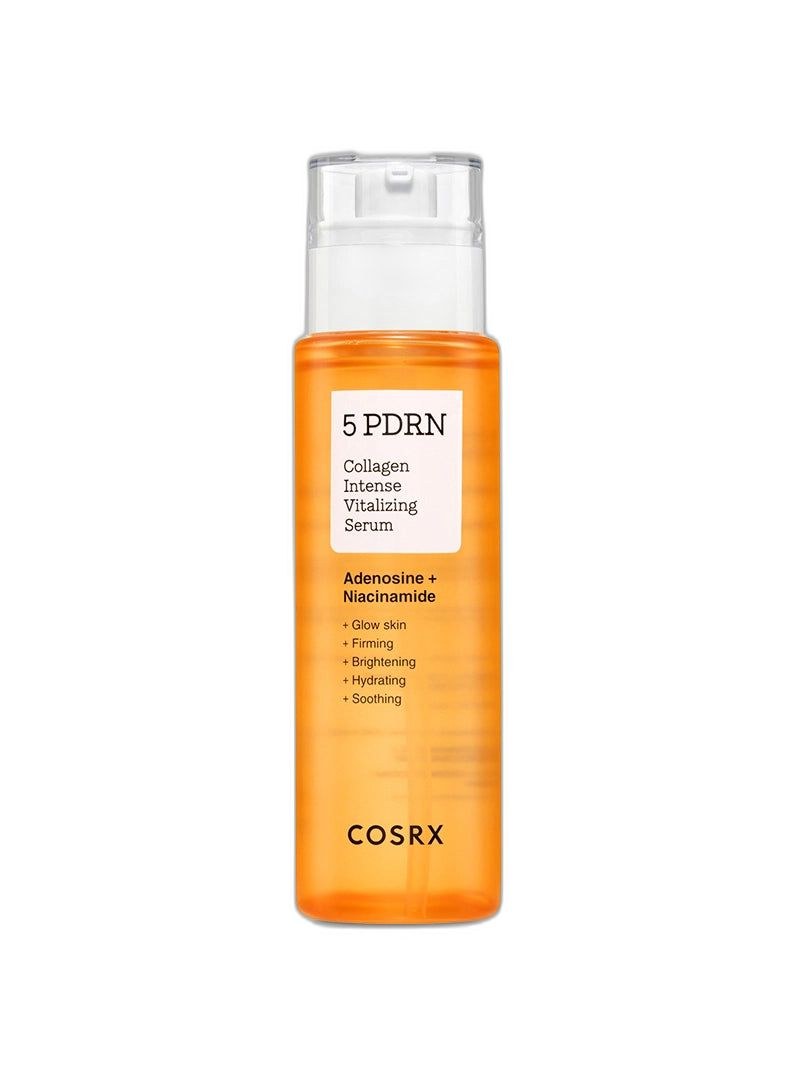
Key actives: 5 types of PDRN, collagen Target: Firmness, vitality, cellular regeneration
We covered this extensively in our PDRN guide. At 100ml for ~$25, the value per ml is exceptional. The five types of PDRN provide multi-depth cellular regeneration support, and the collagen reinforces structural protein production.
This is the serum we’d choose if we could only use one anti-aging product. The breadth of its approach — targeting regeneration at multiple cellular levels — addresses aging more comprehensively than single-ingredient serums.
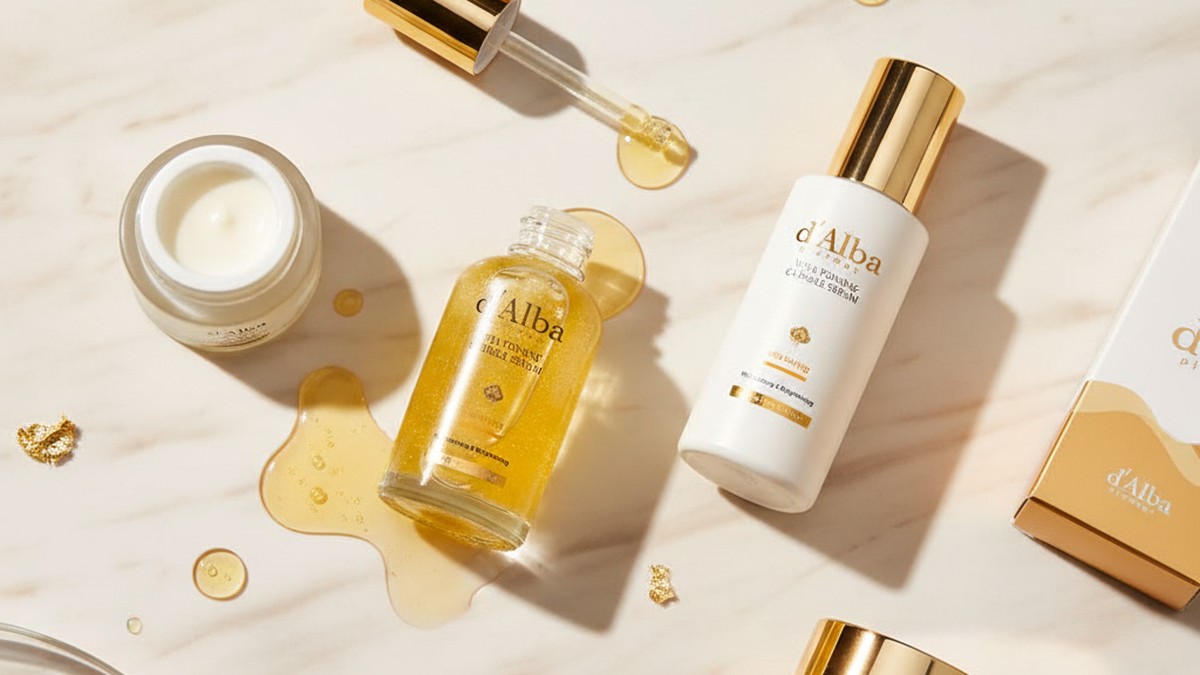
5. d’Alba Vita Toning Capsule Serum — ~$24
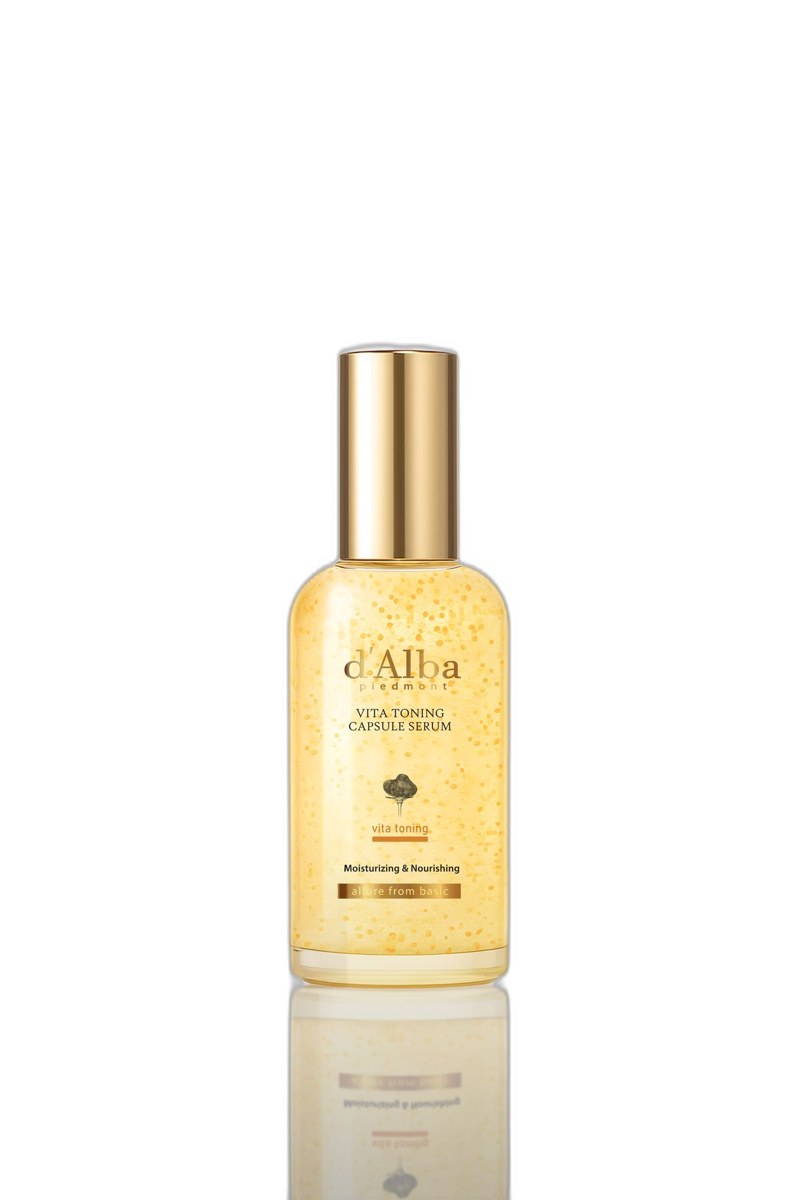
Key actives: White truffle extract, vitamin complex, peptides Target: Radiance, tone, overall vitality
White truffle provides a concentration of antioxidants that rivals and exceeds most other botanical sources. d’Alba’s capsule technology keeps these actives fresh until application, delivering a potent dose with each use.
At 100ml for ~$24, the value is strong. The effect is less about targeting specific wrinkles and more about making skin look alive, vibrant, and healthy — qualities that signify youth regardless of actual age.
6. K-SECRET SEOUL 1988 Boosting Serum: Collagen Complex 7 + Red Ginseng — ~$22
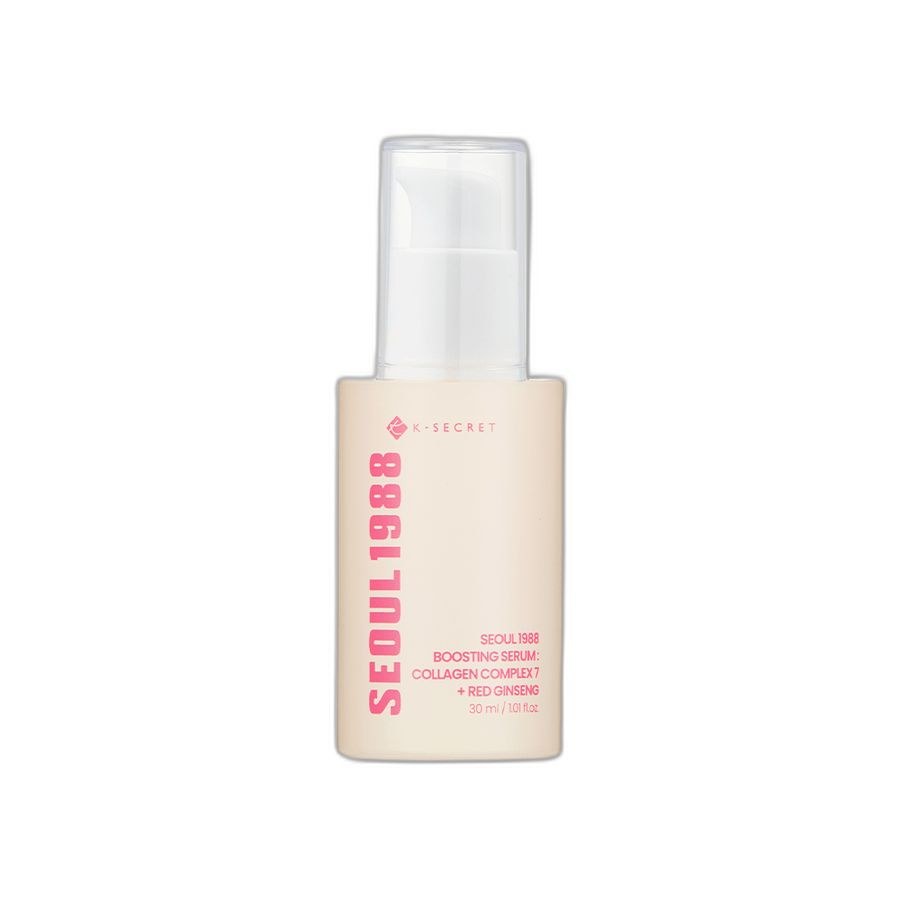
Key actives: 7 collagen types, red ginseng extract Target: Firmness, elasticity, deep nourishment
Seven types of collagen provide a comprehensive structural support system, while red ginseng — a cornerstone of Korean herbal medicine — energizes and revitalizes skin at the cellular level. Red ginseng has well-documented antioxidant and anti-inflammatory properties.
The serum texture is medium-weight, slightly golden from the ginseng. It absorbs well and doesn’t conflict with other products. After 6 weeks of use, skin felt noticeably firmer and more elastic, particularly around the jawline and cheeks.
7. Parnell Squalane 20.04 Mineral Water Moisture Serum — ~$20
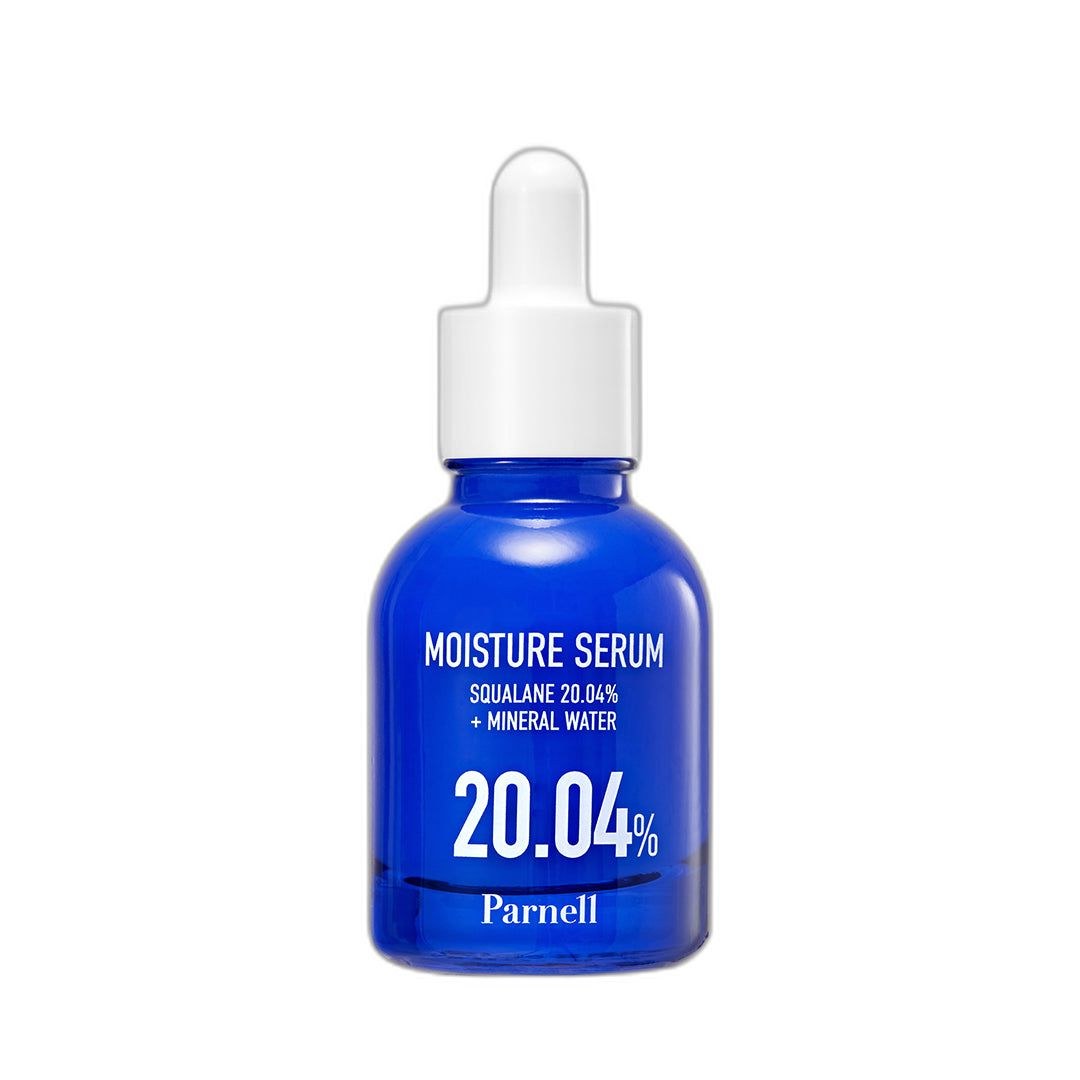
Key actives: Squalane 20.04%, mineral water, peptides Target: Dryness-driven aging, dehydration lines
Many “wrinkles” in your 20s and 30s are actually dehydration lines — they appear when skin lacks moisture, not when collagen has degraded. This high-squalane serum targets exactly that problem.
Squalane closely mimics the skin’s natural sebum, making it the most compatible moisturizing active. At 20.04%, this serum delivers intensive moisture that fills in dehydration lines within hours and supports the skin barrier against future moisture loss. It’s the anti-aging solution for people whose aging is driven by dryness rather than sun damage.
Premium Tier ($30-$45)
8. K-SECRET SEOUL 1988 Advanced Shot: Retinal Liposome 12% + Black Rice — ~$35
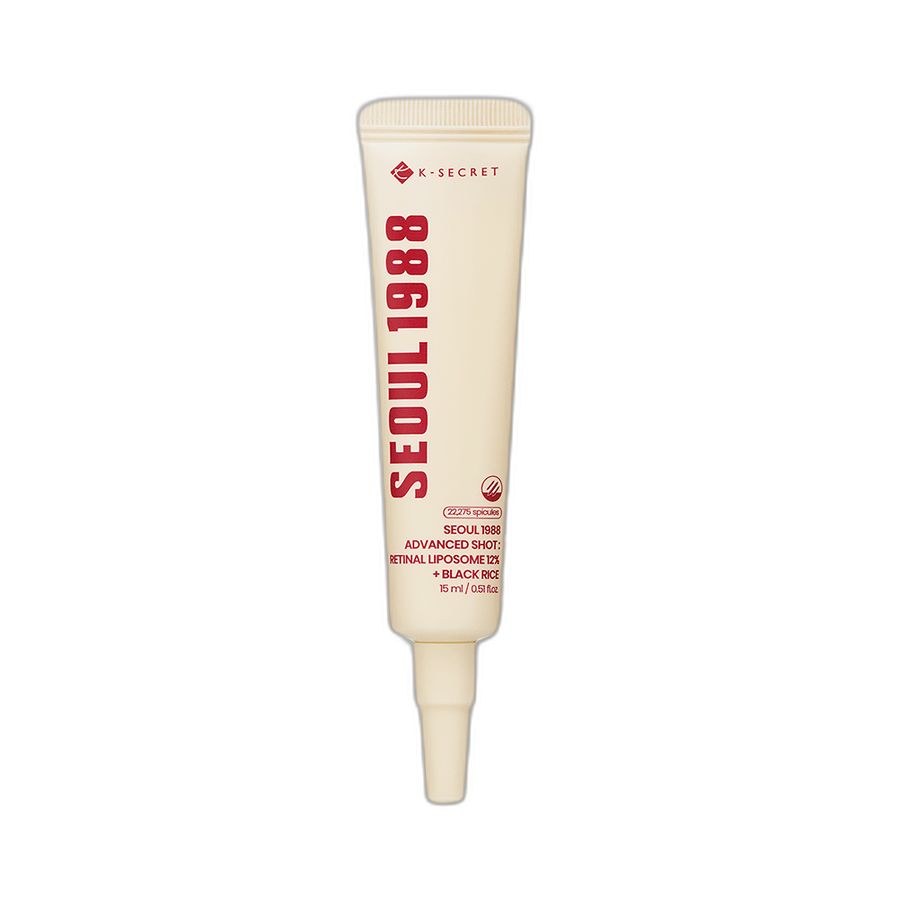
Key actives: Retinal (retinaldehyde) 12% in liposomes, black rice Target: Advanced aging, deep wrinkles, photoaging
We covered this in our hyperpigmentation guide for its brightening properties, but the anti-aging credentials are equally impressive. Retinal is one step more potent than retinol, and the liposome delivery ensures stability and penetration.
At ~$35, this is a clinical-grade treatment at consumer prices. The black rice adds antioxidant protection that supports the retinal’s collagen-stimulating work. Use every other night to start, building to nightly once tolerance is established.
9. Torriden Cellmazing Small Molecule Collagen Firming Eye Cream — ~$22
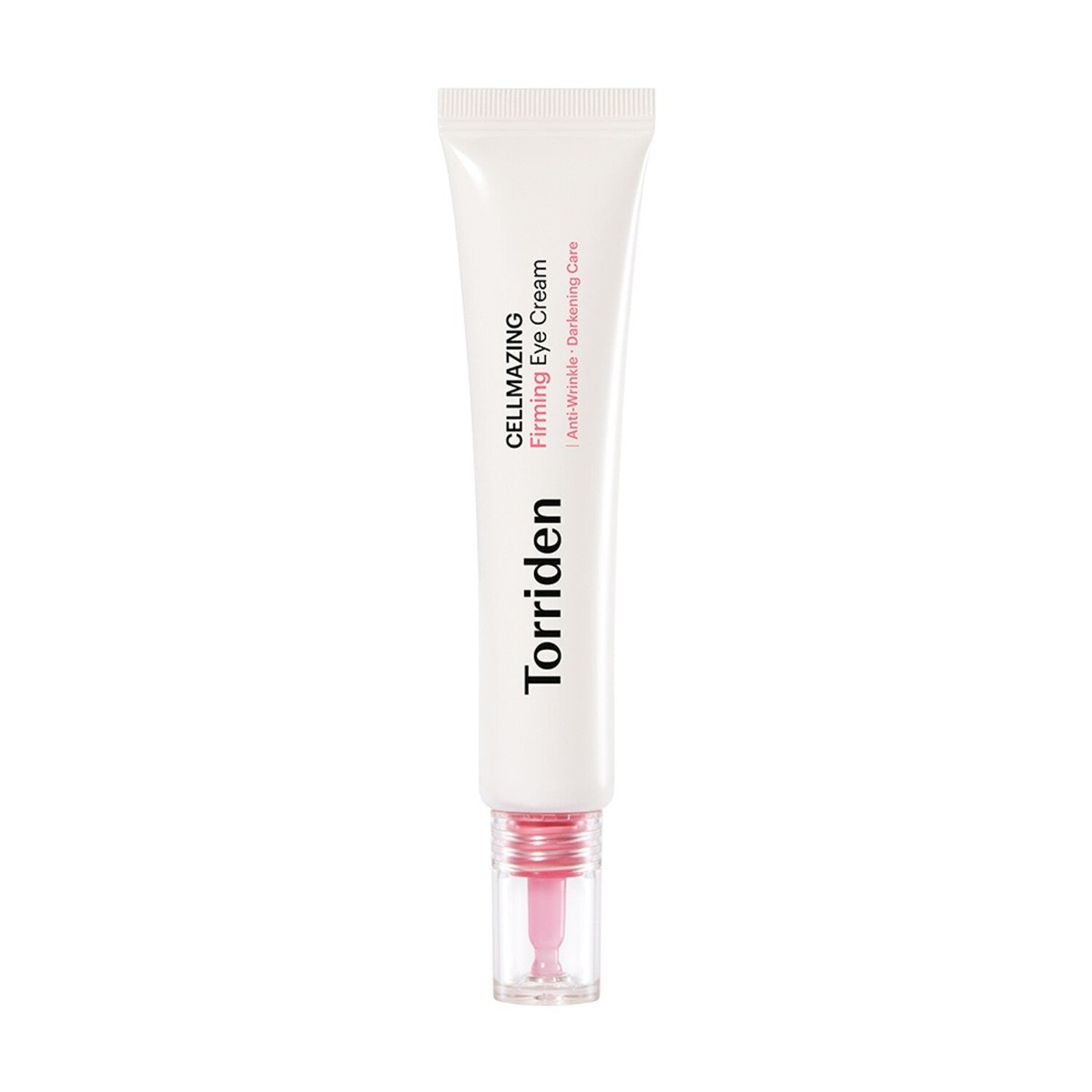
Key actives: Low molecular collagen, peptides Target: Eye area fine lines, crow’s feet, under-eye firmness
The eye area ages first and shows signs of aging most obviously. This eye cream uses Torriden’s small-molecule technology to deliver collagen peptides into the thin skin around the eyes where they’re needed most.
We included this because anti-aging routines often neglect the eyes, using the same products for face and eye area. The eye area needs its own formulation — thinner skin requires different molecular sizes and gentler delivery. After 6 weeks, crow’s feet were visibly softer and the under-eye area appeared firmer and less crepey.
10. AXIS-Y Vegan Collagen Eye Serum — ~$20
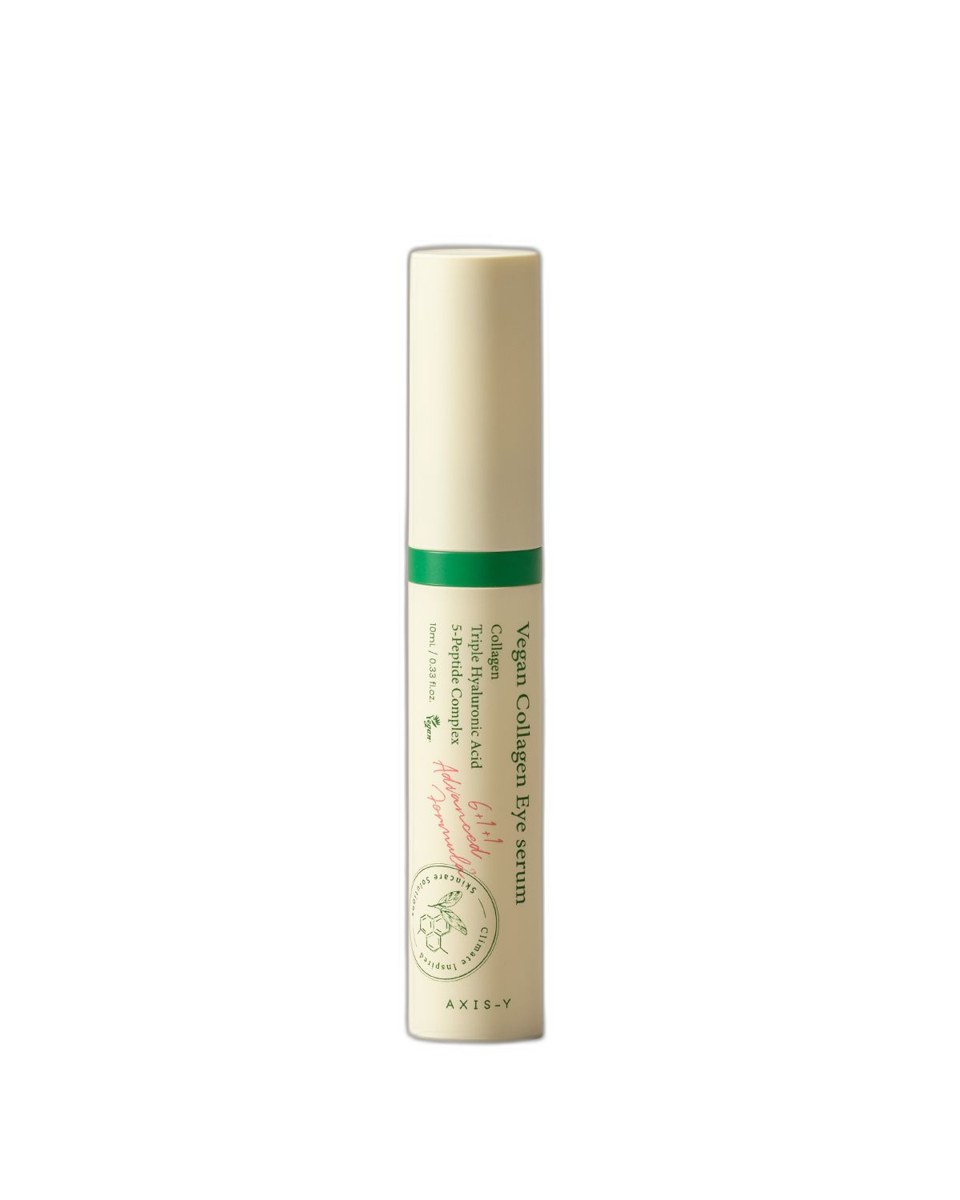
Key actives: Vegan collagen, peptides, panthenol Target: Eye area hydration, fine lines, dark circles
For those who prefer plant-derived ingredients, AXIS-Y’s vegan collagen eye serum provides cruelty-free anti-aging for the eye area. The vegan collagen works through peptide signaling rather than direct collagen supplementation, encouraging your skin to produce its own.
The serum format is lighter than traditional eye creams, making it suitable for layering under a separate eye cream or using standalone in warmer months. We noticed improved hydration and subtle fine line reduction after consistent use.
Building Your Anti-Aging Routine by Age
Mid-20s (prevention): Vitamin C serum (Torriden Vita C) + sunscreen + moisturizer
Early 30s (early intervention): PDRN serum (COSRX) + bakuchiol or gentle retinol (Parnell) + eye cream + sunscreen
Mid-30s+ (active treatment): Retinal serum (K-SECRET, alternate nights) + PDRN serum (COSRX, non-retinal nights) + eye cream + ceramide moisturizer + sunscreen
Critical rule: Sunscreen every morning. UV damage drives about 90% of visible skin aging. The most expensive anti-aging serum in the world can’t outpace unprotected sun exposure. Pair any serum with a good sunscreen and you’re building on a solid foundation.
Frequently Asked Questions
What is the best Korean anti-aging serum for beginners?
Start with a peptide serum or a low-concentration retinol. Peptides (found in Mixsoon Peptide Serum and Medicube Zero Pore) are non-irritating and safe for any skin type. For retinol beginners, 0.025% to 0.05% products like COSRX’s Retinol 0.1 Cream (which is lower than the name suggests) are gentle enough for 2 to 3 nights per week. For a full breakdown of how peptides work — signal peptides, carrier peptides, enzyme-inhibitors, and neurotransmitter-blockers — see our peptides in K-beauty complete guide.
At what age should I start using anti-aging serums?
Mid-20s is when most dermatologists recommend starting. Collagen production begins declining around age 25, and starting antioxidant and peptide treatments then prevents damage before it’s visible. Waiting until fine lines appear means playing catch-up on damage that’s already structural.
Which Korean anti-aging ingredient is the most effective?
Retinal (the precursor to retinoic acid) has the strongest clinical evidence. Retinol is second. Peptides and PDRN come next for collagen support. Vitamin C rounds out the lineup for antioxidant protection. The right pick depends on your goal — prevention (vitamin C, peptides), correction (retinal, retinol), or recovery (PDRN). For a deep dive into how PDRN compares to the other hot ingredient in regenerative skincare, see our PDRN vs growth factors Korean skincare comparison.
Can I use multiple anti-aging serums together?
Yes, but stagger them by time of day or night. Vitamin C in the morning. Retinol at night. Peptides can layer anywhere. PDRN pairs especially well with retinol as a buffer. See our skincare ingredient compatibility guide for exact layering rules.
How long until anti-aging serums show visible results?
Hydration and plumpness: 2 to 4 weeks. Surface texture improvements: 6 to 8 weeks. Fine-line reduction: 8 to 12 weeks. Structural changes (firmness, deep wrinkles): 3 to 6 months minimum. Take progress photos every 4 weeks in the same lighting — day-to-day changes are too gradual to notice.
Is Korean anti-aging skincare better than Western brands?
Not inherently “better,” but Korean formulations typically offer higher active concentrations and gentler textures at lower price points. Where Western brands charge $80 to $150 for a peptide serum, Korean equivalents deliver the same actives for $15 to $35. For most anti-aging needs, Korean options match or beat the results.
Can I use retinol and vitamin C together?
Yes, but separate them by time of day — vitamin C in the morning, retinol at night. Using both at the same time used to be considered a conflict, but modern research shows they’re compatible when applied with a 15-minute gap. Most people still find AM/PM separation easier and gentler.
If your anti-aging concerns are driven by hormonal shifts in your 40s or 50s, our perimenopause Korean skincare guide explains how to adapt your serum stack for estrogen-related collagen loss, dehydration, and pigmentation changes.